Towards MRI Study of Biointegration of Carbon-Carbon Composites with Ca-P Coatings
Victoria V. Zherdeva, Petr E. Zaitsev, Andrei S. Skriabin, Alexey V. Shakurov, Vladimir R. Vesnin, Elizaveta S. Skriabina, Petr A. Tsygankov, Irina K. Sviridova, Natalia S. Sergeeva, Valentina A. Kirsanova, Suraya A. Akhmedova, Natalya B. Serejnikova

TL;DR
This study explores how MRI can track how carbon-carbon composites integrate into mouse tissue, with and without coatings.
Contribution
The paper introduces MRI criteria to non-invasively assess biointegration of C-C composites in vivo.
Findings
MRI scans showed increased volume of connective tissue capsules around implants at 6 and 12 weeks.
Coated implants showed distinct tissue capsule characteristics compared to uncoated ones.
MRI criteria successfully differentiated loose and dense connective tissue around implants.
Abstract
The development of specific MRI criteria to monitor the implantation process may provide valuable information of individual tissue response. Using MRI and histological methods, the biointegration of carbon-carbon (C-C) composites into the subcutaneous tissues of BDF1 mice and their biocompatibility were investigated. The study focused on autopsy specimens containing C-C composite implants, both uncoated and coated with synthetic hydroxyapatite (Ca-P) via electrodeposition or detonation techniques, assessed at 6 and 12 weeks post-implantation. The results revealed that the radiological characteristics of the connective tissue capsule surrounding the implants allowed for the differentiation between loose and dense connective tissues. Fat-suppressed T1-weighted MRI scans showed that the volume of both loose and dense connective tissue in the capsule increased proportionally at 6 and 12…
Genes, proteins, chemicals, diseases, species, mutations and cell lines named across the full text — each resolved to its canonical identifier and authoritative record.
Click any figure to enlarge with its caption.
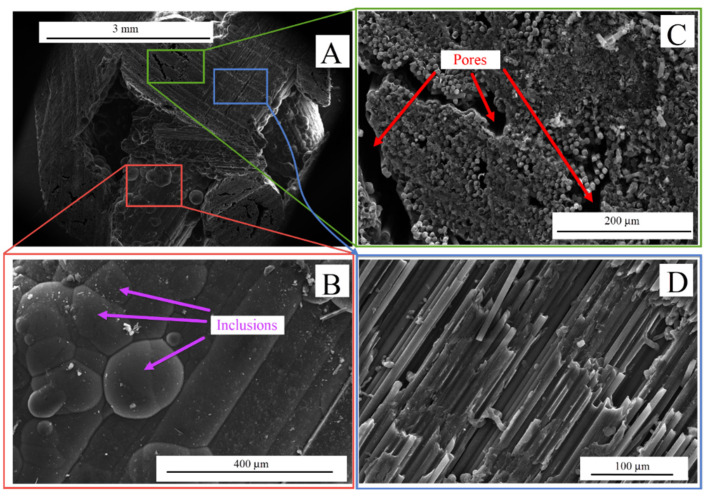 Figure 1
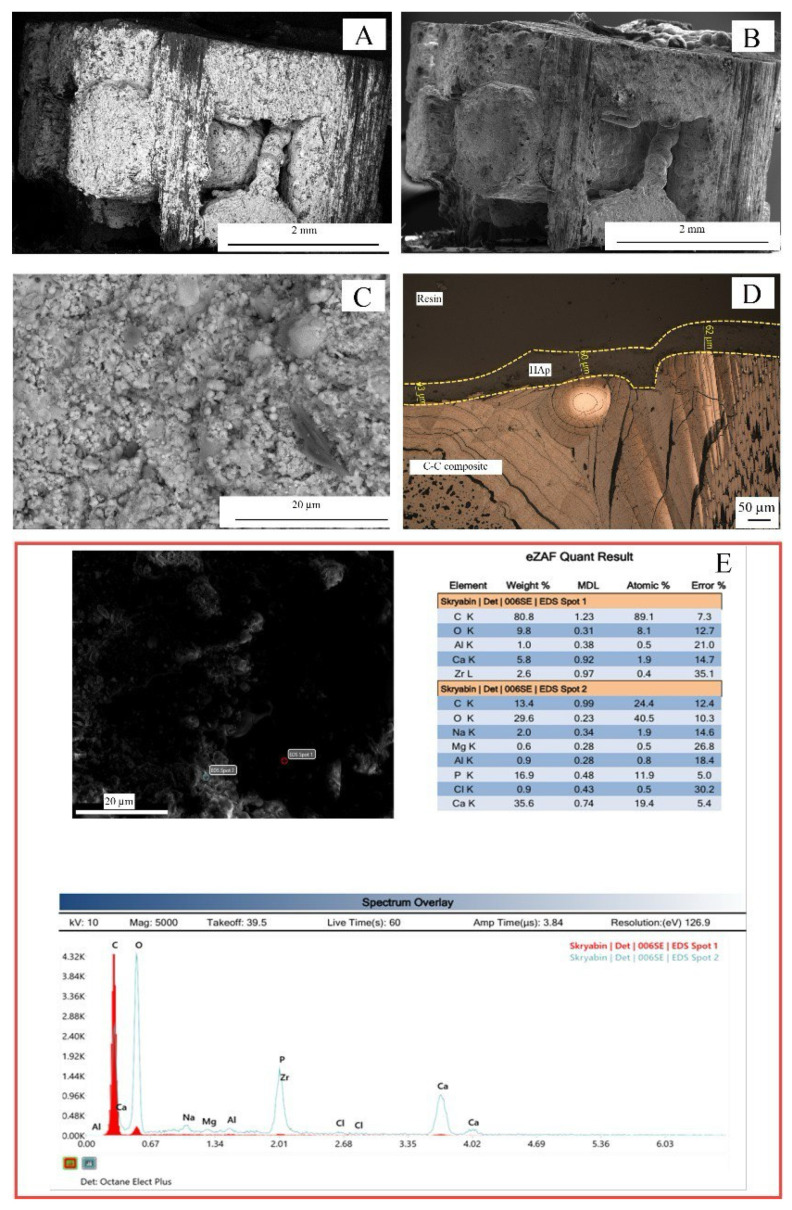 Figure 2
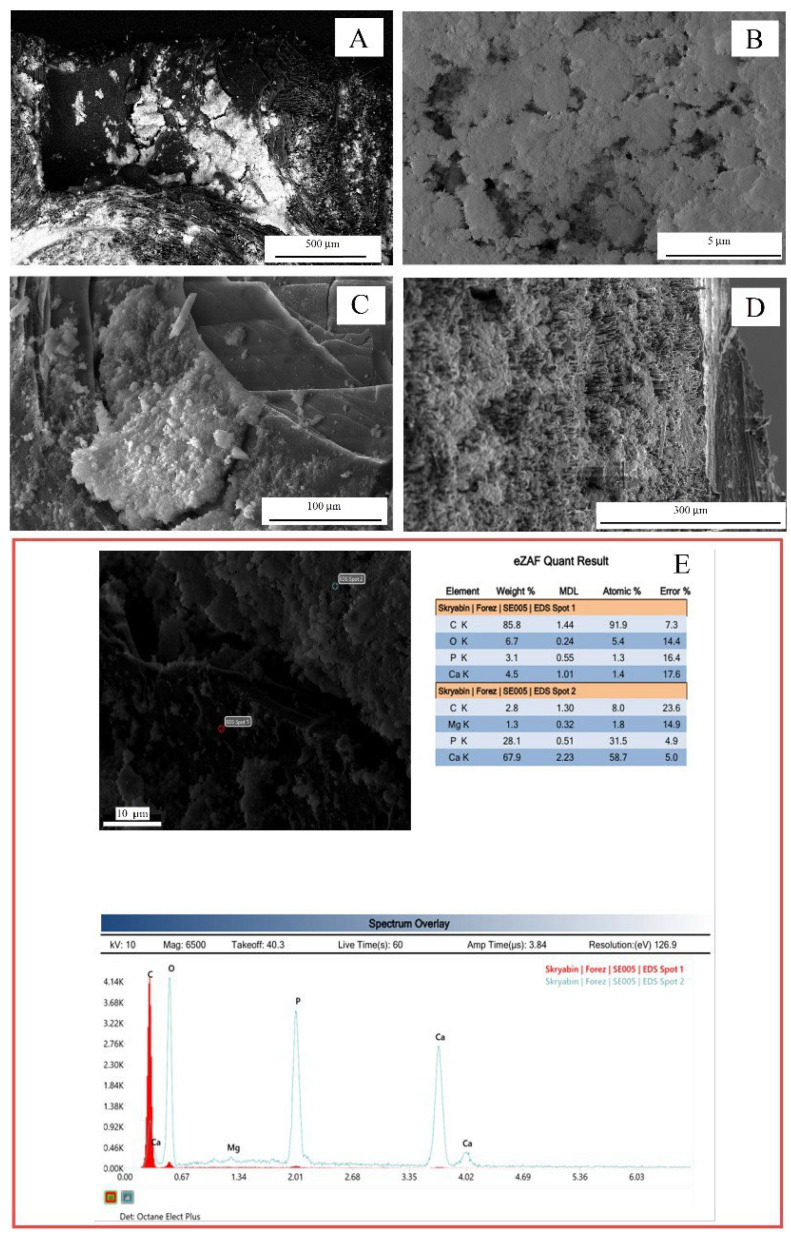 Figure 3
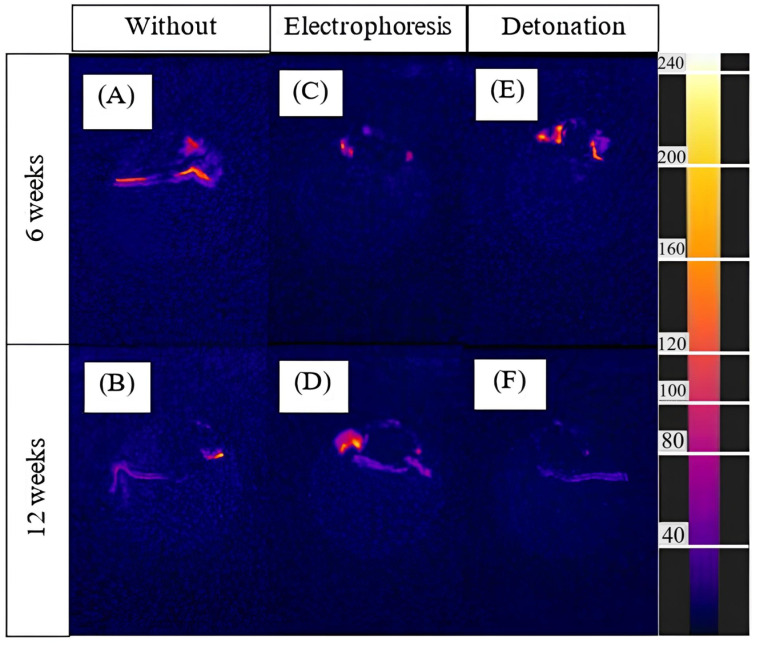 Figure 4
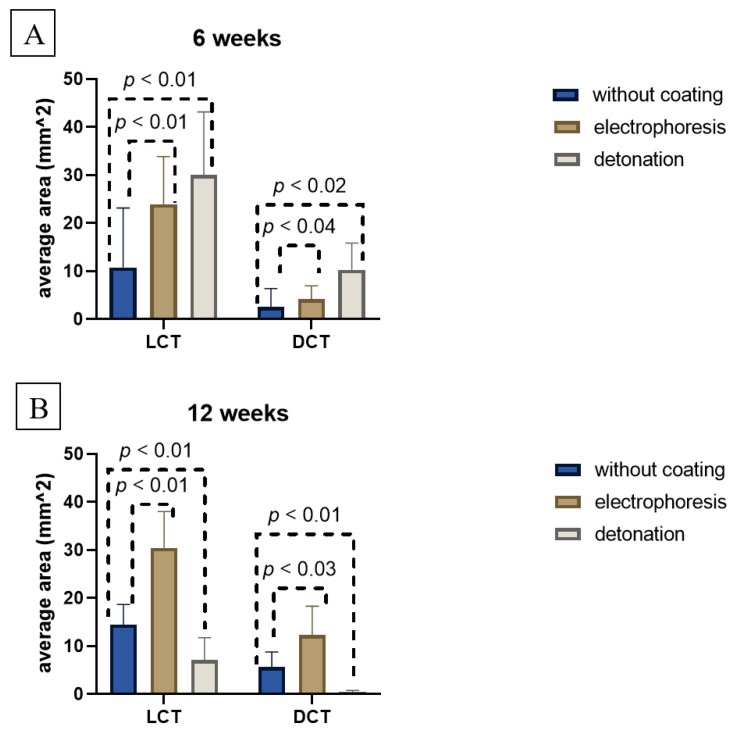 Figure 5
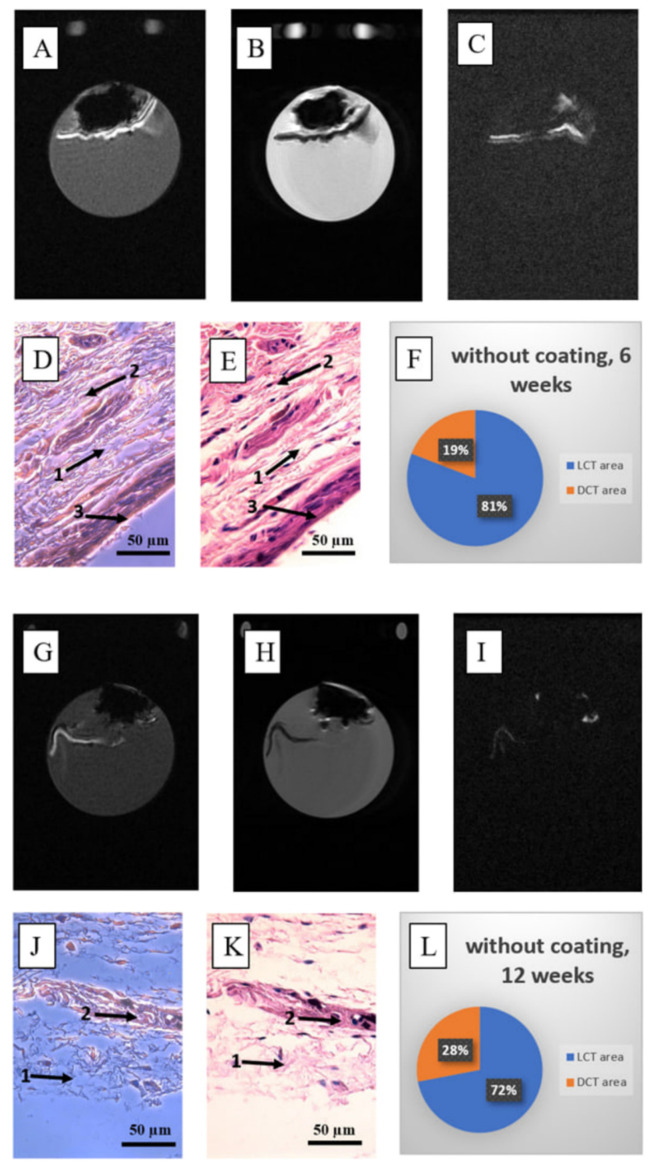 Figure 6
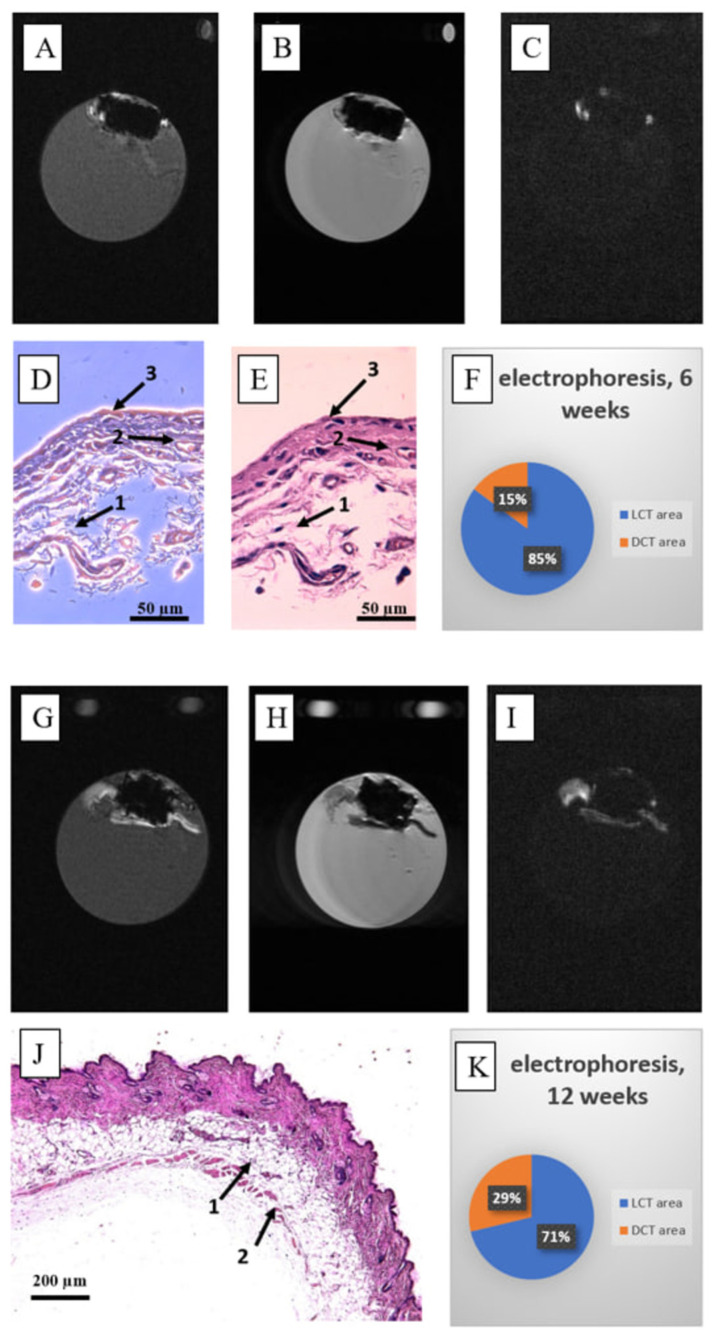 Figure 7
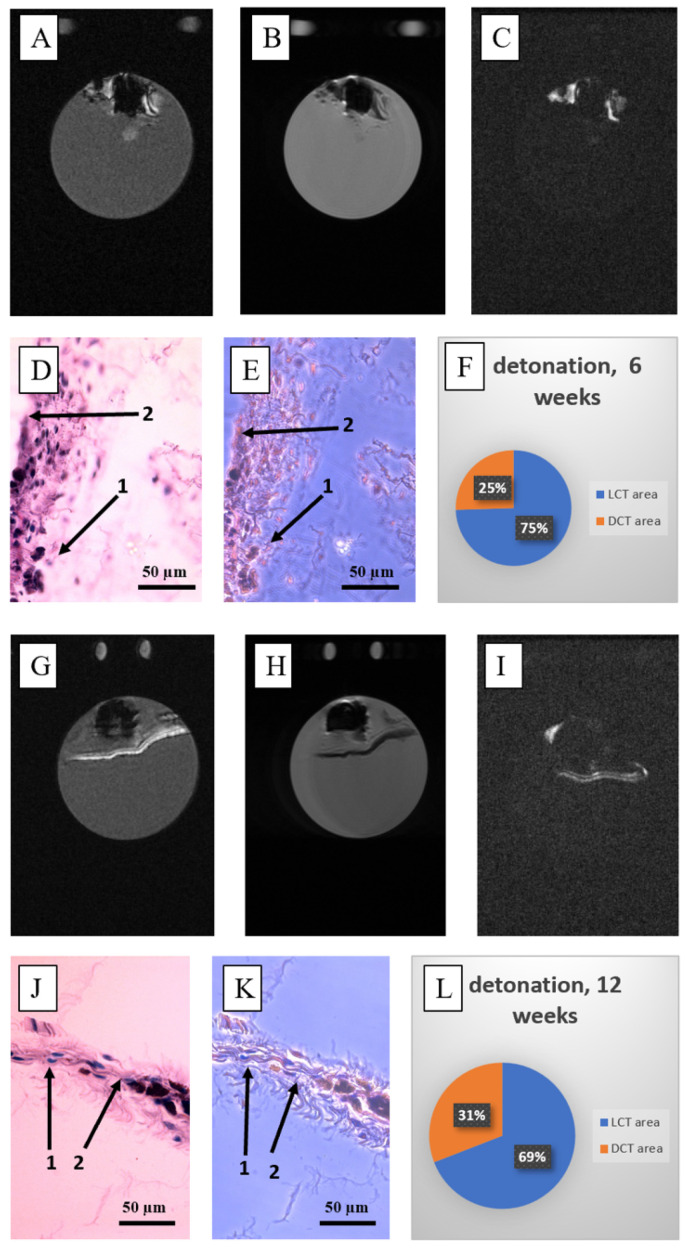 Figure 8
Peer Reviews
No public reviews on file for this paper yet. If you reviewed it on a platform where reviews are public (OpenReview, ICLR, NeurIPS, ICML), you can paste yours below so the community can read it here.
Videos
No videos yet. Explain this paper in a talk, walkthrough, or lecture? Add one.
Taxonomy
TopicsElectrospun Nanofibers in Biomedical Applications · Bone Tissue Engineering Materials · Advanced MRI Techniques and Applications