A Comparison of cVEMP and VNG Examination Results Between Adults and Children with a History of Vertigo
Anna Waśniewska-Włodarczyk, Oskar Rosiak, Renata Pepaś, Filip Wróbel, Wiesław Konopka

TL;DR
This study compares vestibular test results between adults and children with vertigo, finding age-related differences.
Contribution
The study provides new insights into how age affects vestibular examination outcomes in patients with vertigo.
Findings
Adults and children showed significant differences in cVEMP amplitude.
Age subgroups revealed differences in VNG results for peripheral and non-peripheral vertigo.
Further research is needed to understand the full impact of age on vestibular testing.
Abstract
Background/Objectives: Dizziness and vertigo are common symptoms. Vertigo, caused by vestibular deficit, is usually diagnosed with videonystagmography (VNG) and cervical vestibular evoked myogenic potential (cVEMP). Normative values of these examinations have been established for adults; however, the impact of age is still uncertain. This study aimed to compare the results of VNG and cVEMP between adults and children. Methods: We analyzed and compared the results of VNG and cVEMP in 119 patients (35 adults and 84 children.) Results: Statistically significant differences were observed between adults and children in the amplitude of the cVEMP examination. In the subgroup analysis by age, we also noticed differences in VNG examination in nystagmus induced by rotation in patients with peripheral vertigo and in IFO (index fixation test) and VOR (vestibulo-ocular reflex) in patients with…
Genes, proteins, chemicals, diseases, species, mutations and cell lines named across the full text — each resolved to its canonical identifier and authoritative record.
Click any figure to enlarge with its caption.
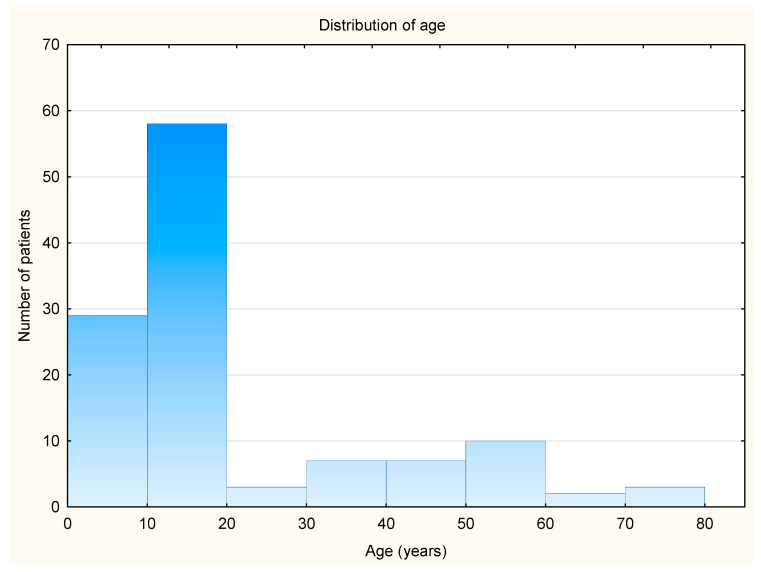 Figure 1
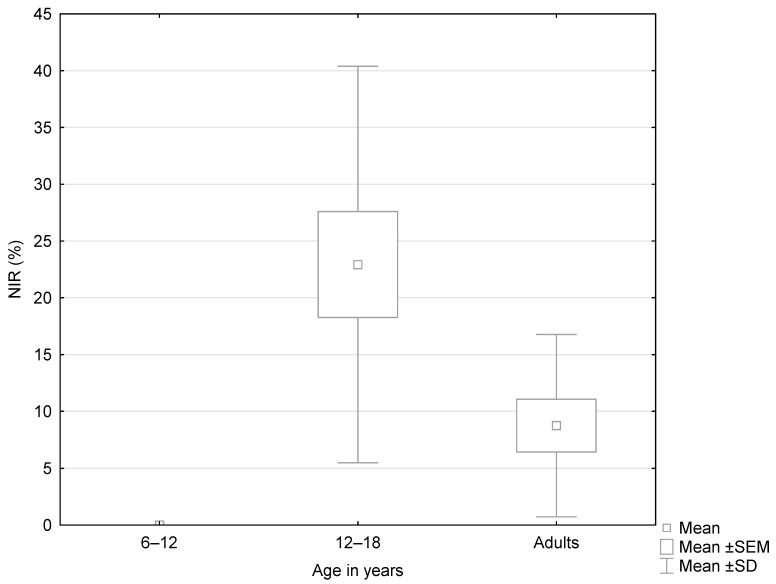 Figure 2
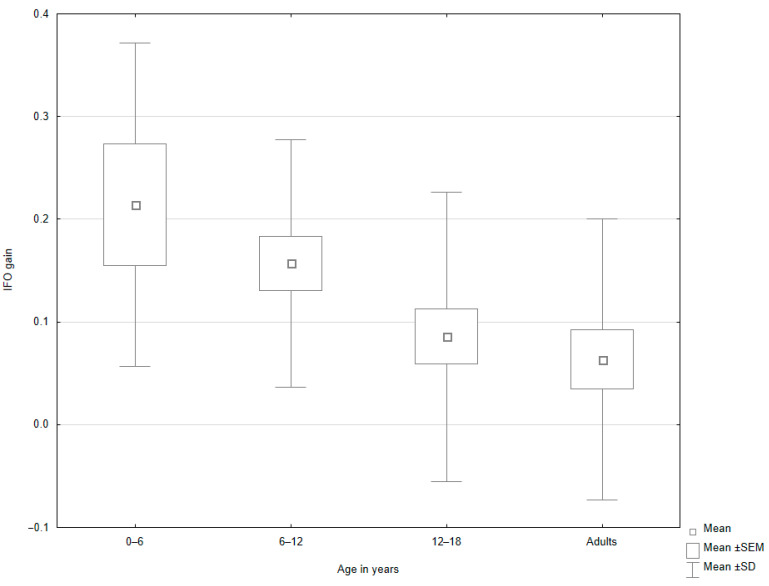 Figure 3
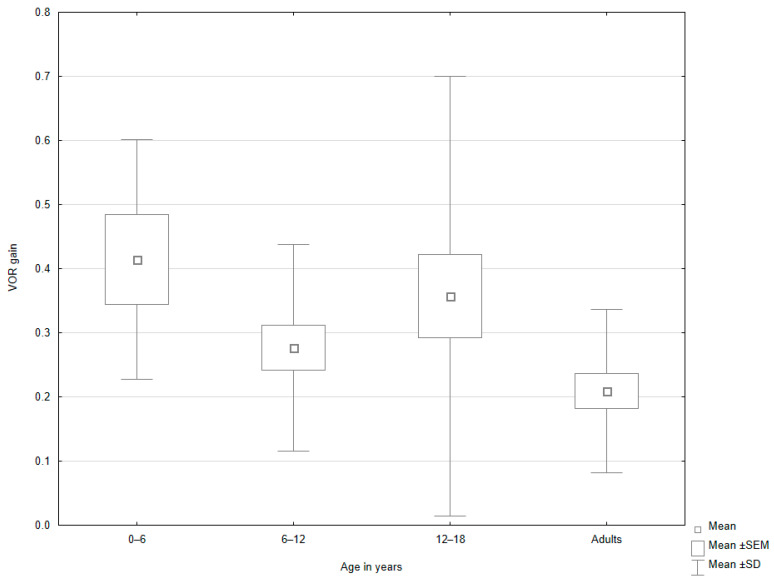 Figure 4
Peer Reviews
No public reviews on file for this paper yet. If you reviewed it on a platform where reviews are public (OpenReview, ICLR, NeurIPS, ICML), you can paste yours below so the community can read it here.
Videos
No videos yet. Explain this paper in a talk, walkthrough, or lecture? Add one.
Taxonomy
TopicsVestibular and auditory disorders · Ophthalmology and Eye Disorders · Neuroscience of respiration and sleep