Harnessing Nanopore Sequencing to Investigate the Epigenomic Landscape in Molar Incisor Hypomineralization—A Pilot Study
Silvia Salatino, Piotr Cuber, Wojciech Tynior, Carla Gustave, Dorota Hudy, Yuen-Ting Chan, Agnieszka Raczkowska-Siostrzonek, Raju Misra, Dagmara Aleksandrowicz, Dariusz Nałęcz, Joanna Katarzyna Strzelczyk

TL;DR
This pilot study explores DNA methylation differences in a child with molar incisor hypomineralization using nanopore sequencing, suggesting epigenetic factors may contribute to the condition.
Contribution
The study is the first to investigate the epigenomic landscape of MIH using nanopore sequencing, revealing novel methylation patterns linked to dental development and inflammation.
Findings
780,141 CpGs showed significantly different methylation levels between MIH and control samples.
Methylation differences were enriched in genes related to dental morphogenesis and inflammatory processes.
Distinct methylation of transposable elements and enrichment in ameloblast differentiation and calcium ion binding processes were observed.
Abstract
Molar incisor hypomineralization (MIH) is a dental condition that affects the enamel of permanent molars and/or incisors, often leading to tooth decay. Although several etiological hypotheses have come forward, including prenatal medical problems and postnatal illness, the pathogenesis of MIH is yet unclear. Aimed at exploring the epigenomic landscape of this dental condition, we collected dental tissue from a MIH-affected child and an age-matched control patient and investigated their DNA methylation status through an in-depth analysis of nanopore long-read sequencing data. We identified 780,141 CpGs with significantly different methylation levels between the samples; intriguingly, the density of these dinucleotides was higher in the regions containing genes involved in dental morphogenesis and inflammatory processes leading to periodontitis. Further examination of 54 genes associated…
Genes, proteins, chemicals, diseases, species, mutations and cell lines named across the full text — each resolved to its canonical identifier and authoritative record.
Click any figure to enlarge with its caption.
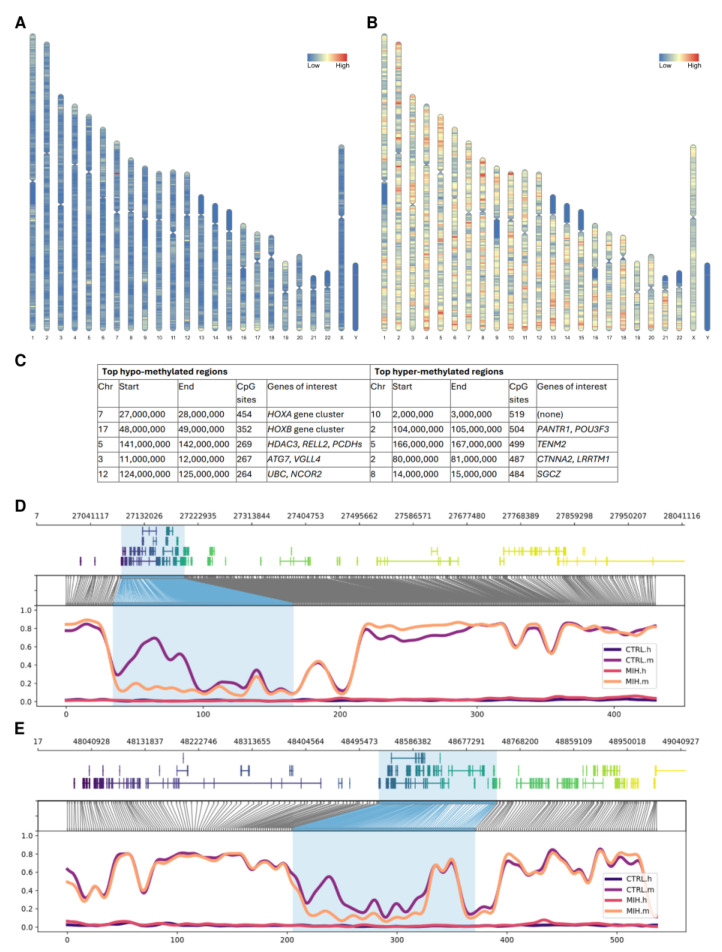 Figure 1
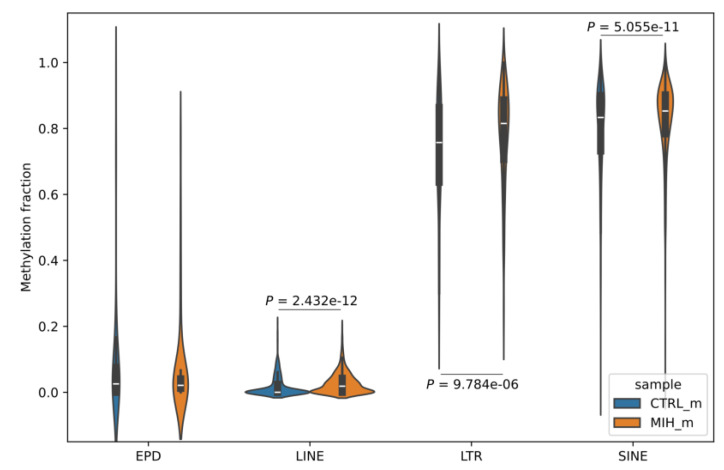 Figure 2
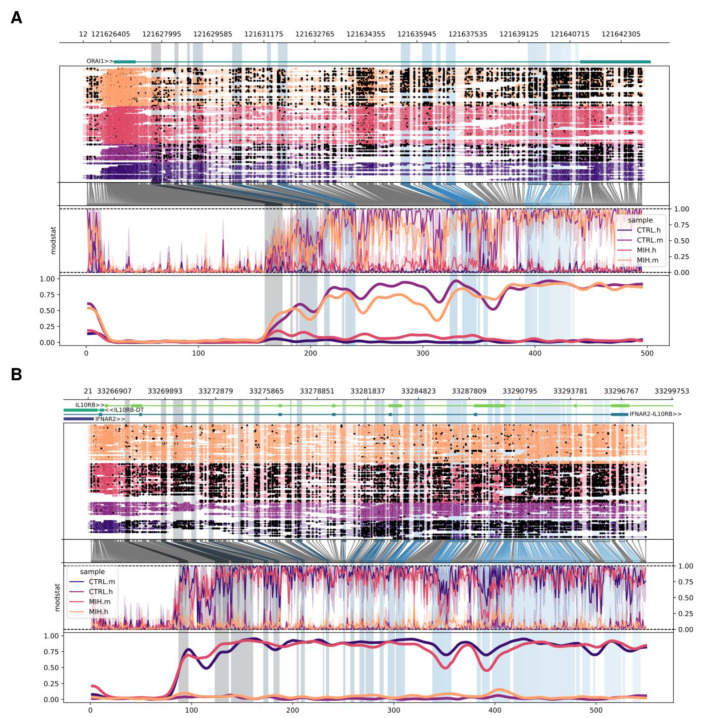 Figure 3
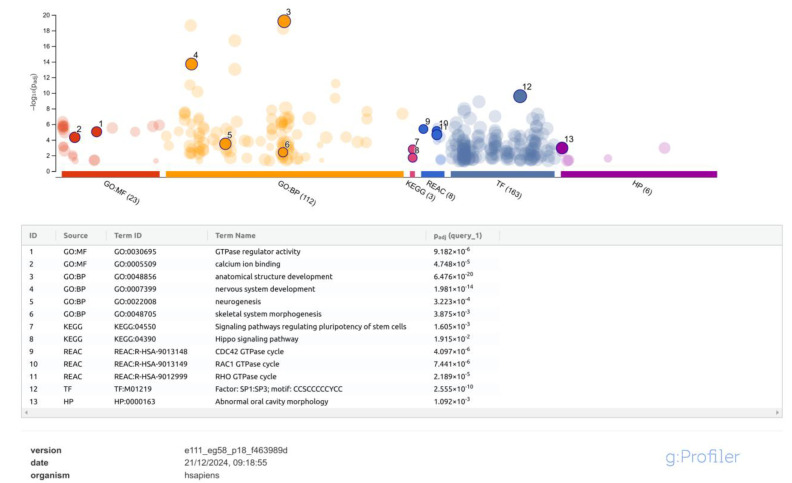 Figure 4
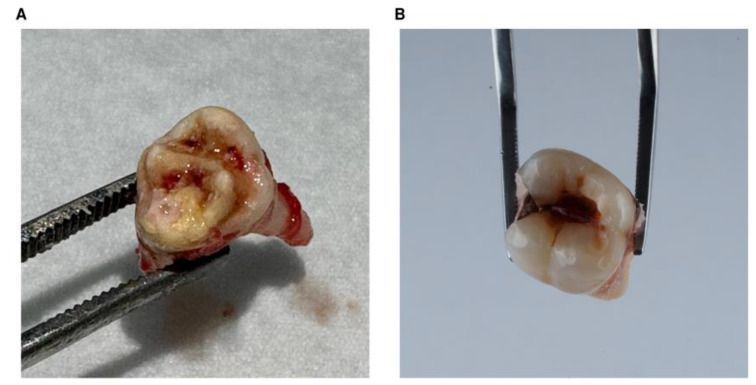 Figure 5
Peer Reviews
No public reviews on file for this paper yet. If you reviewed it on a platform where reviews are public (OpenReview, ICLR, NeurIPS, ICML), you can paste yours below so the community can read it here.
Videos
No videos yet. Explain this paper in a talk, walkthrough, or lecture? Add one.
Taxonomy
TopicsBone and Dental Protein Studies · dental development and anomalies · RNA modifications and cancer