Characterization of Isolated Human Astrocytes from Aging Brain
Geidy E. Serrano, Sidra Aslam, Jessica E. Walker, Ignazio S. Piras, Matthew J. Huentelman, Richard A. Arce, Michael J. Glass, Anthony J. Intorcia, Katsuko E. Suszczewicz, Claryssa I. Borja, Madison P. Cline, Sanaria H. Qiji, Ileana Lorenzini, Suet Theng Beh, Monica Mariner

TL;DR
This study characterizes human astrocytes from aging brains and identifies shared gene dysregulation in neurodegenerative diseases.
Contribution
The study provides unbiased transcriptomic analysis of isolated human astrocytes from aging and diseased brains.
Findings
Hundreds of genes are dysregulated in astrocytes from neurodegenerative diseases compared to controls.
The gene UBC is upregulated in Parkinson’s, Alzheimer’s, and progressive supranuclear palsy astrocytes.
Shared gene patterns suggest common astrocytic dysfunction across neurodegenerative disorders.
Abstract
Astrocytes have multiple crucial roles, including maintaining brain homeostasis and synaptic function, performing phagocytic clearance, and responding to injury and repair. It has been suggested that astrocyte performance is progressively impaired with aging, leading to imbalances in the brain’s internal milieu that eventually impact neuronal function and lead to neurodegeneration. Until now, most evidence of astrocytic dysfunction in aging has come from experiments done with whole tissue homogenates, astrocytes collected by laser capture, or cell cultures derived from animal models or cell lines. In this study, we used postmortem-derived whole cells sorted with anti-GFAP antibodies to compare the unbiased, whole-transcriptomes of human astrocytes from control, older non-impaired individuals and subjects with different neurodegenerative diseases, such as Parkinson’s disease (PD),…
Genes, proteins, chemicals, diseases, species, mutations and cell lines named across the full text — each resolved to its canonical identifier and authoritative record.
Click any figure to enlarge with its caption.
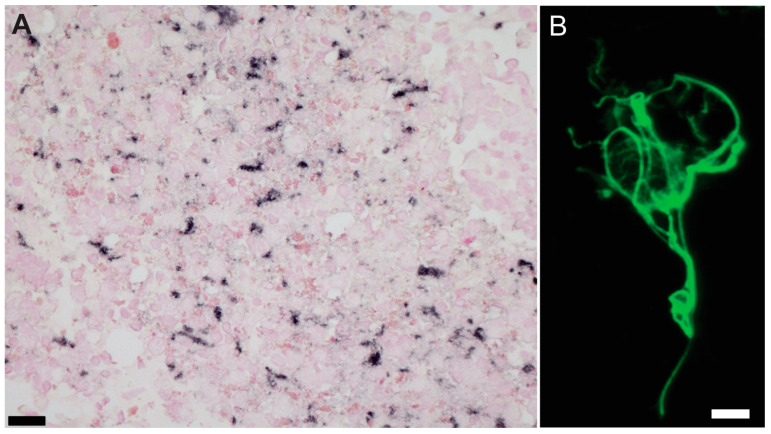 Figure 1
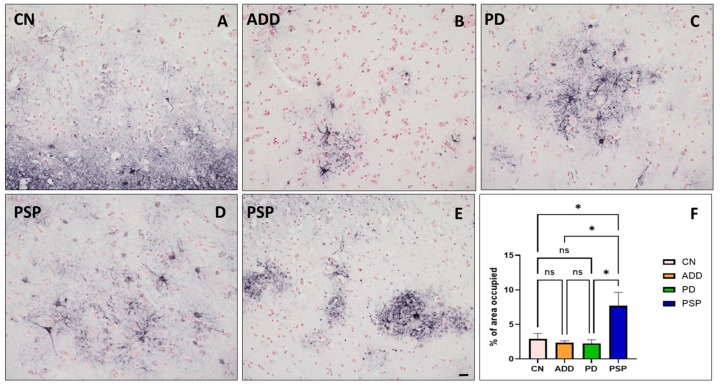 Figure 2
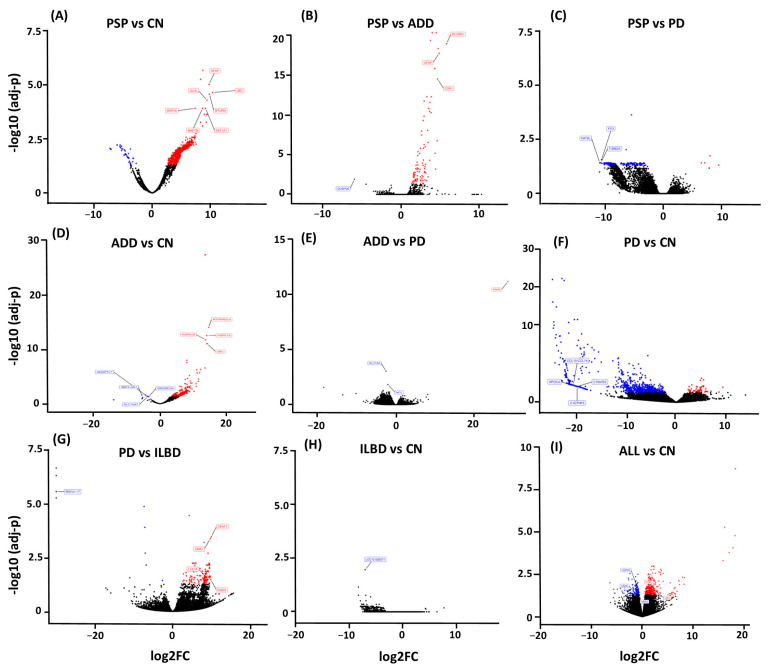 Figure 3
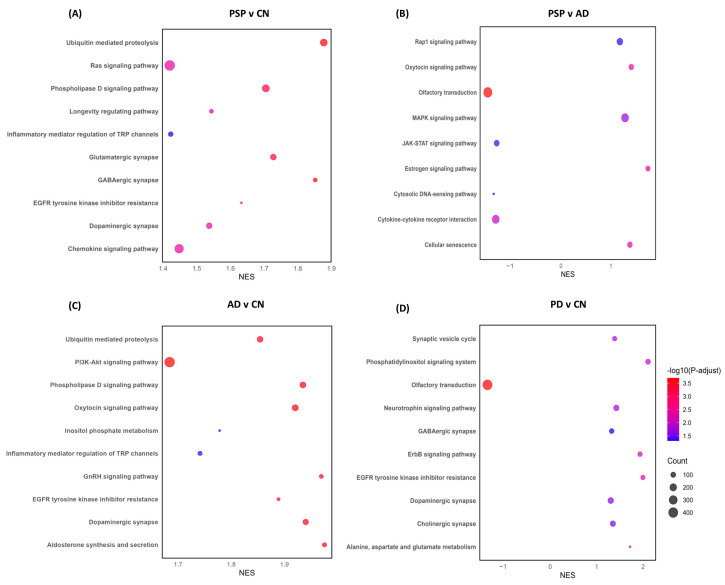 Figure 4
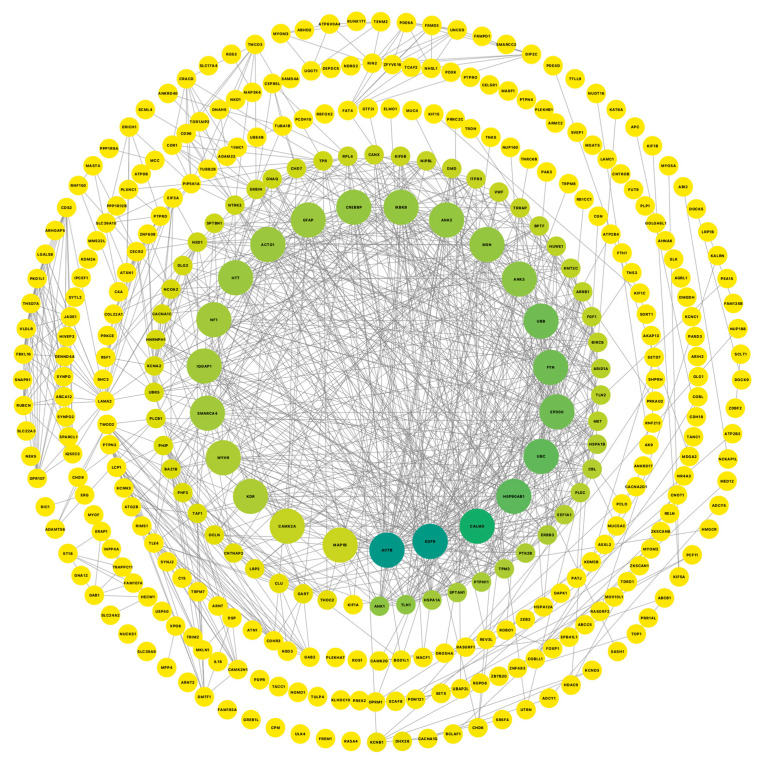 Figure 5
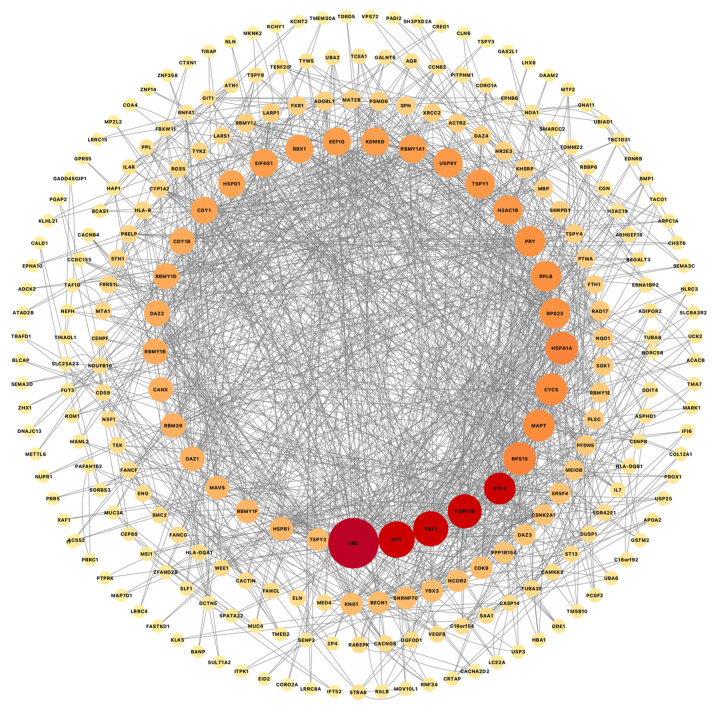 Figure 6
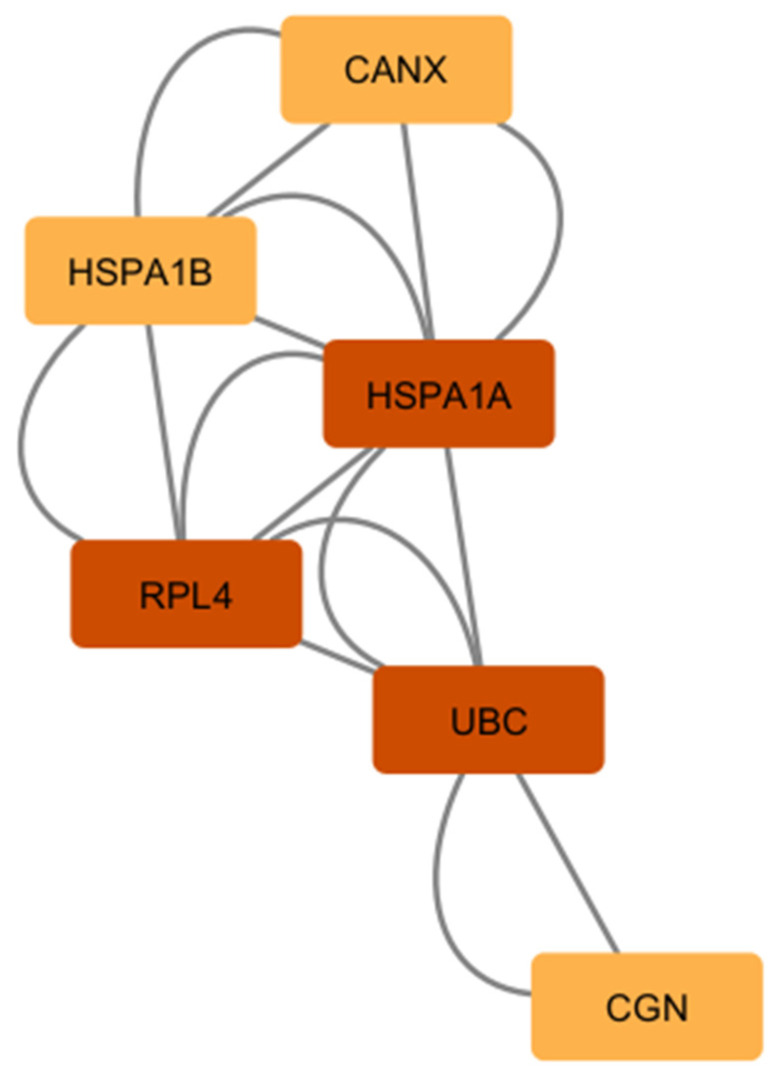 Figure 7
Peer Reviews
No public reviews on file for this paper yet. If you reviewed it on a platform where reviews are public (OpenReview, ICLR, NeurIPS, ICML), you can paste yours below so the community can read it here.
Videos
No videos yet. Explain this paper in a talk, walkthrough, or lecture? Add one.
Taxonomy
TopicsNeuroinflammation and Neurodegeneration Mechanisms · Neurogenesis and neuroplasticity mechanisms · Alzheimer's disease research and treatments