Growth Hormone-Releasing Hormone Antagonists Increase Radiosensitivity in Non-Small Cell Lung Cancer Cells
Iacopo Gesmundo, Francesca Pedrolli, Francesca Romana Giglioli, Florian Jazaj, Giuseppina Granato, Alessia Bertoldo, Federica Bistolfi, Vanesa Gregorc, Anna Sapino, Luisella Righi, Renzhi Cai, Wei Sha, Medhi Wangpaichitr, Mauro Papotti, Ezio Ghigo, Umberto Ricardi

TL;DR
This study shows that GHRH antagonists can make non-small cell lung cancer cells more sensitive to radiation therapy, improving treatment effectiveness.
Contribution
The study demonstrates that GHRH antagonists enhance radiosensitivity in NSCLC cells through multiple molecular mechanisms.
Findings
GHRH antagonists alone and in combination with radiation reduced cell viability and proliferation in NSCLC cells.
MIA-690 decreased GHRH receptor and IGF1 expression while upregulating proapoptotic markers and cell cycle inhibitors.
GHRH antagonists reduced radioresistance and epithelial-mesenchymal transition markers in NSCLC cells.
Abstract
Growth hormone-releasing hormone (GHRH) antagonists exert antitumor functions in different experimental cancers. However, their role in combination with radiotherapy in non-small cell lung cancer (NSCLC) remains unknown. Therefore, we investigated the radiosensitizing effect of GHRH antagonists in NSCLC. A549 and H522 NSCLC cell lines were exposed to ionizing radiation (IR) and GHRH antagonists MIA-602 and MIA-690, either individually or in combination. Cell viability and proliferation were evaluated by MTT, BrdU, flow cytofluorimetry, and clonogenic assays; gene and protein expression, signaling pathways, and apoptosis were analyzed by real-time PCR, Western blot, annexin staining, and caspase-3 assay. GHRH antagonists showed antitumor effects alone and potentiated IR-induced inhibition of cell viability and proliferation. The combination of MIA-690 and IR decreased the expression of…
Genes, proteins, chemicals, diseases, species, mutations and cell lines named across the full text — each resolved to its canonical identifier and authoritative record.
Click any figure to enlarge with its caption.
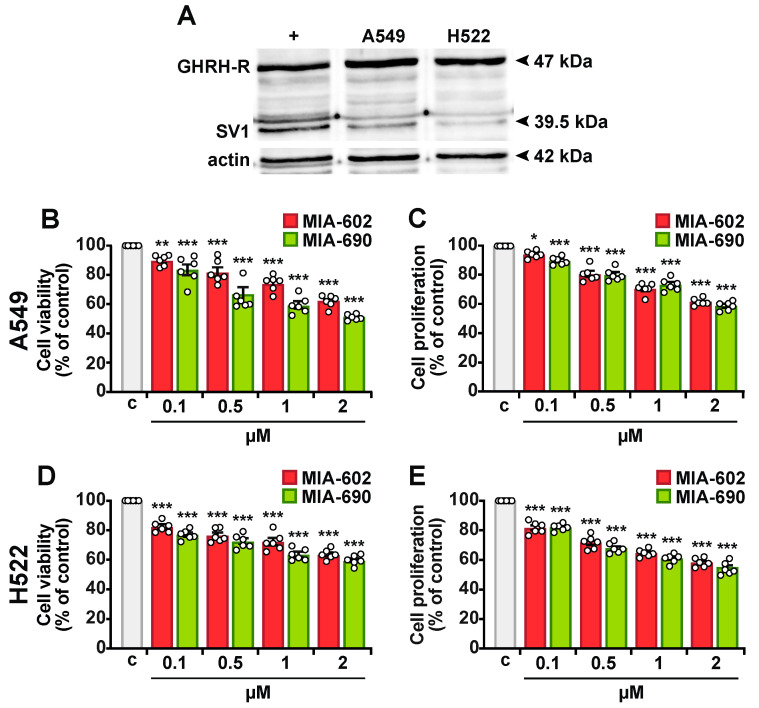 Figure 1
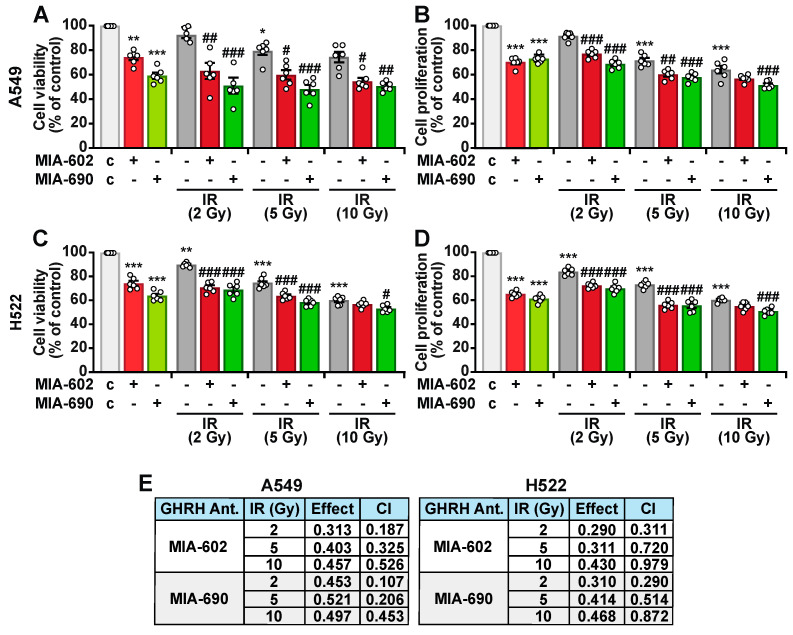 Figure 2
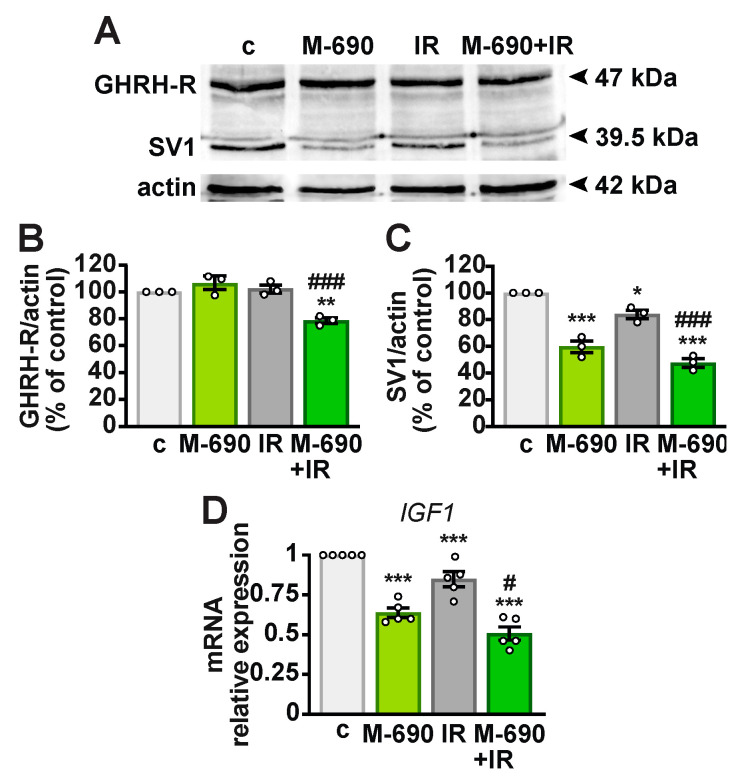 Figure 3
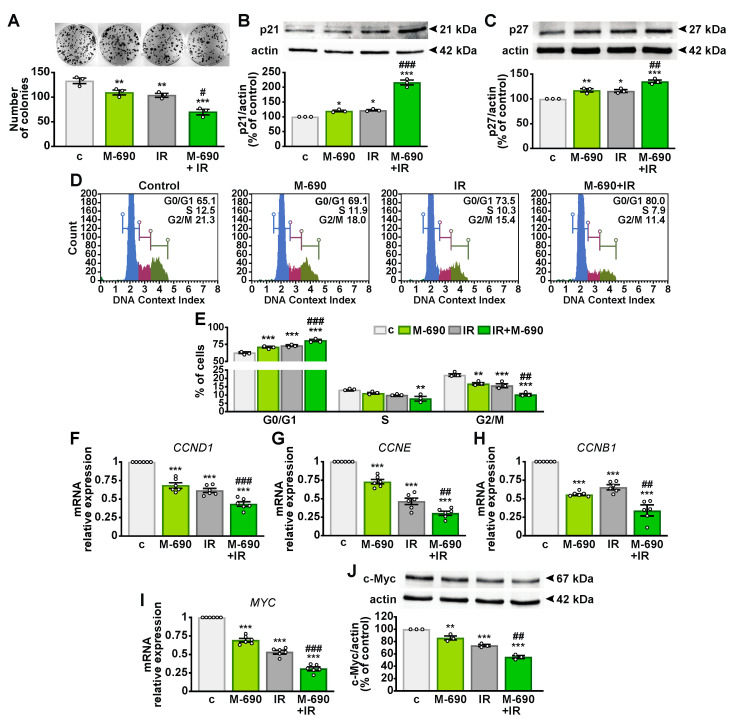 Figure 4
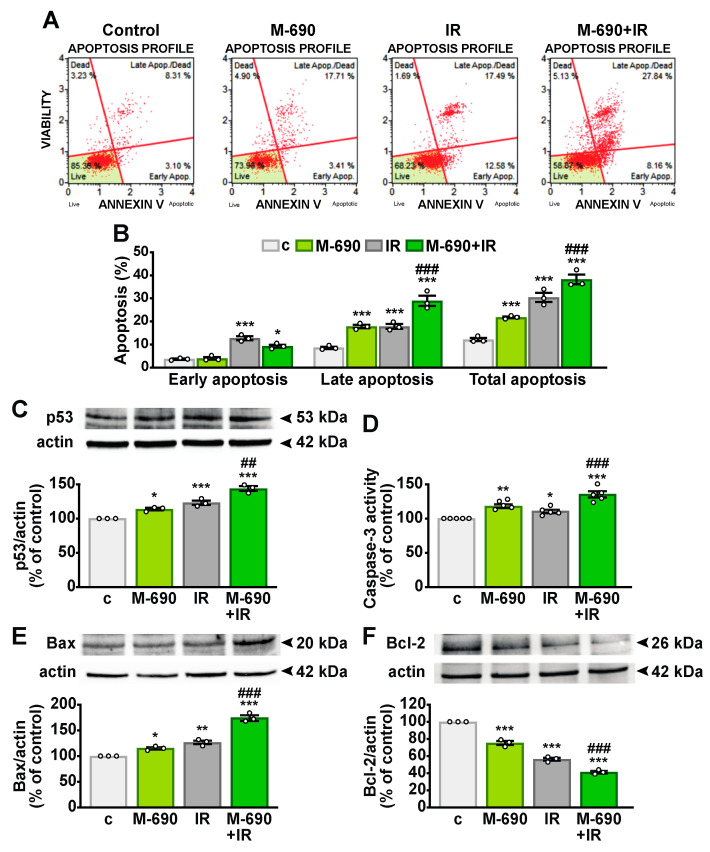 Figure 5
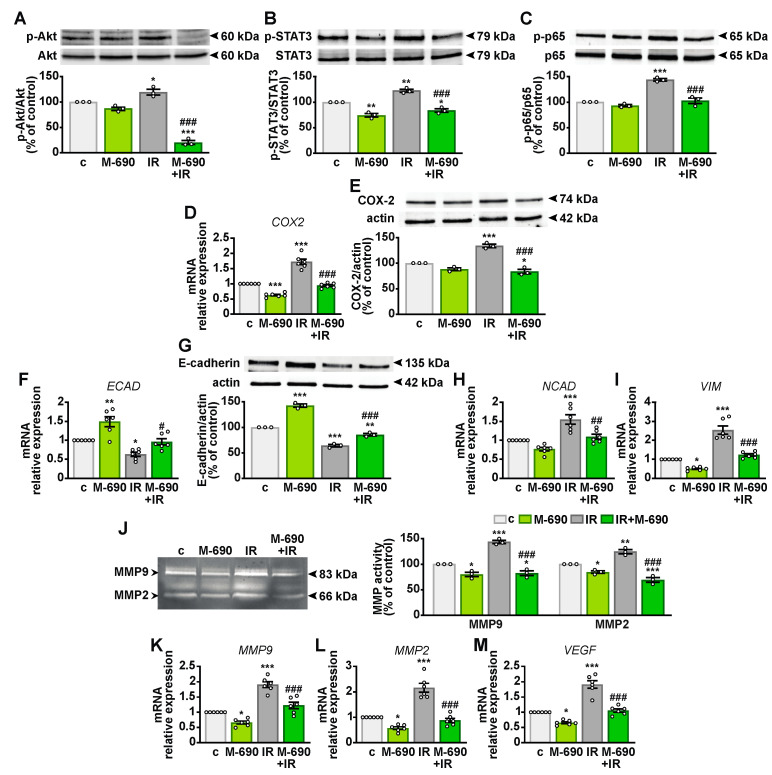 Figure 6
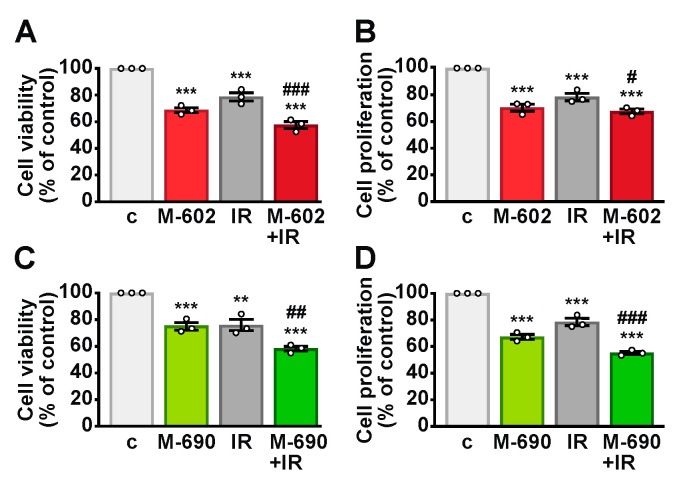 Figure 7
Peer Reviews
No public reviews on file for this paper yet. If you reviewed it on a platform where reviews are public (OpenReview, ICLR, NeurIPS, ICML), you can paste yours below so the community can read it here.
Videos
No videos yet. Explain this paper in a talk, walkthrough, or lecture? Add one.
Taxonomy
TopicsCancer, Hypoxia, and Metabolism · Growth Hormone and Insulin-like Growth Factors · Cancer, Lipids, and Metabolism