The Ancestral KEAP1-NRF Pathway in Amphioxus Branchiostoma japonicum: Implications for the Evolution of Antioxidant Defense System
Weichen Li, Xiaoqian Liang, Keyu Xiang, Hongyan Li, Yu Zhang

TL;DR
This study explores the KEAP1-NRF pathway in amphioxus, revealing its role in antioxidant defense and evolutionary significance.
Contribution
The discovery of BjKEAP1 and BjNRF as ancestral homologs in amphioxus provides new insights into the evolutionary origins of the antioxidant defense system.
Findings
BjNRF combines features of vertebrate NRF1 and NRF2, suggesting an evolutionary intermediate.
BjKEAP1 regulates BjNRF's cytoplasmic localization, and sulforaphane induces its nuclear translocation.
Exposure to Benzo[a]pyrene activates the stress response system in amphioxus.
Abstract
The Kelch-like ECH-associated protein 1 (KEAP1)/Nuclear factor E2-related factor 2 (NRF2) pathway is a key mechanism that responds to oxidative stress and xenobiotic stimuli in vertebrates. However, knowledge of its evolutionary origins remains limited. In this study, we identify the ancestral homologues of KEAP1 and NRF (BjKEAP1 and BjNRF) in cephalochordate amphioxus (Branchiostoma japonicum). BjNRF uniquely combines the feature domains of vertebrates NRF1 and NRF2, marking it as an evolutionary intermediate. High expression levels of Bjkeap1 and Bjnrf in the gill, hepatic cecum, and intestine highlight their roles in environmental defense at key interface tissues. Functional studies reveal that BjKEAP1 regulates the cytoplasmic localization of BjNRF. Typical NRF2 activator sulforaphane (SFN) induces its nuclear translocation and significantly elevates the transcriptional expression…
Genes, proteins, chemicals, diseases, species, mutations and cell lines named across the full text — each resolved to its canonical identifier and authoritative record.
Click any figure to enlarge with its caption.
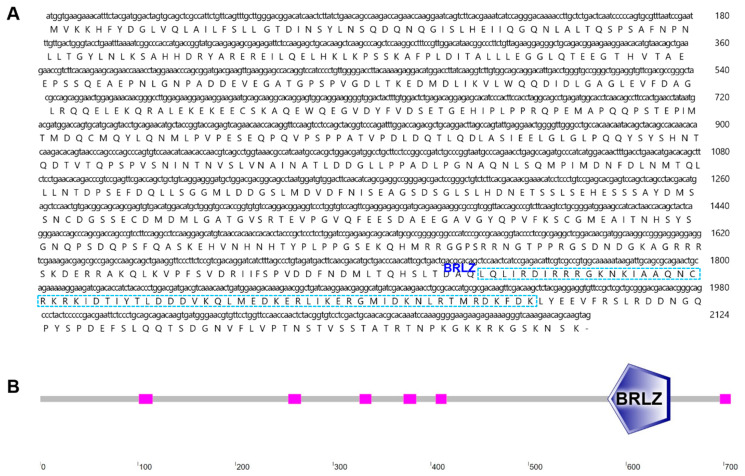 Figure 1
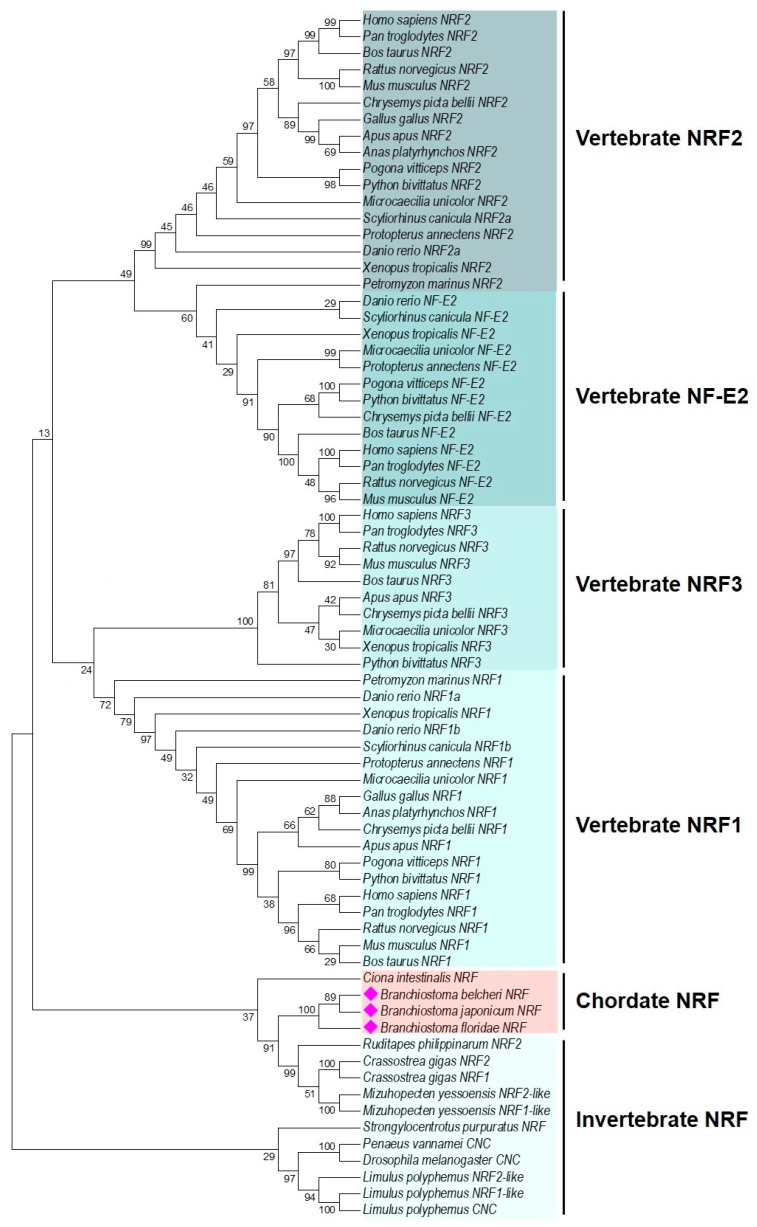 Figure 2
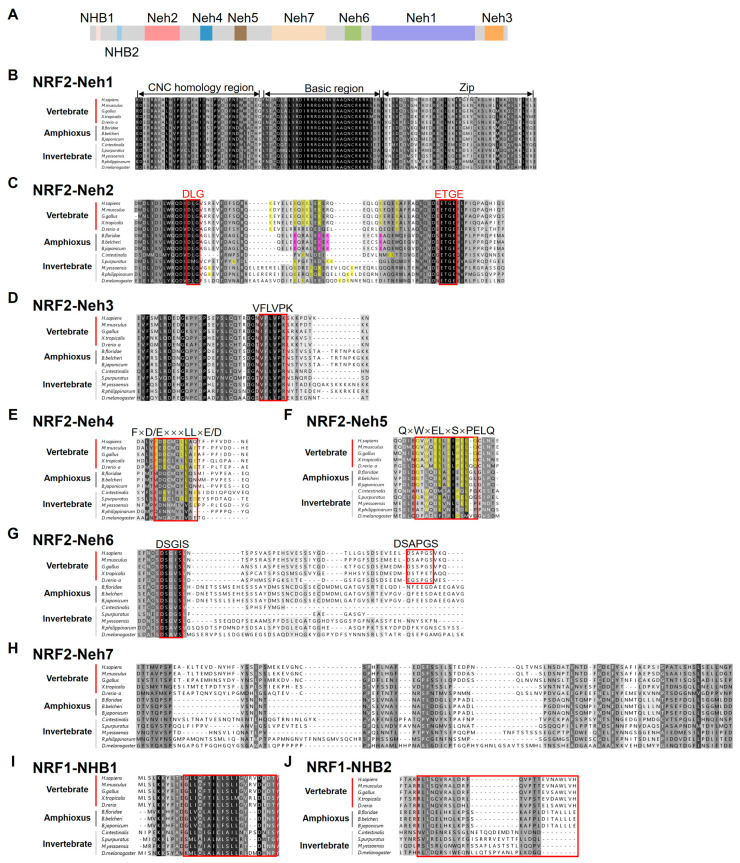 Figure 3
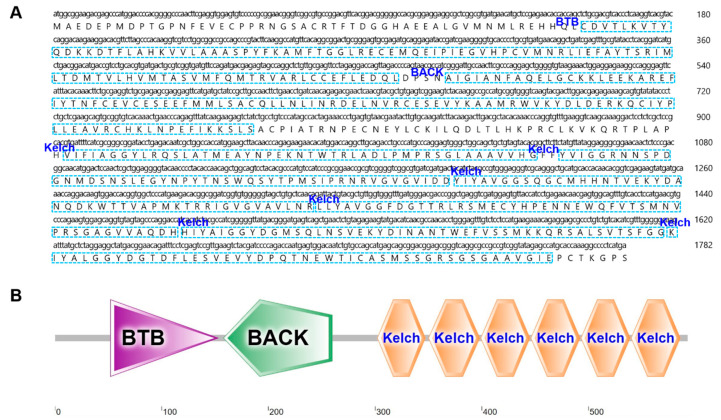 Figure 4
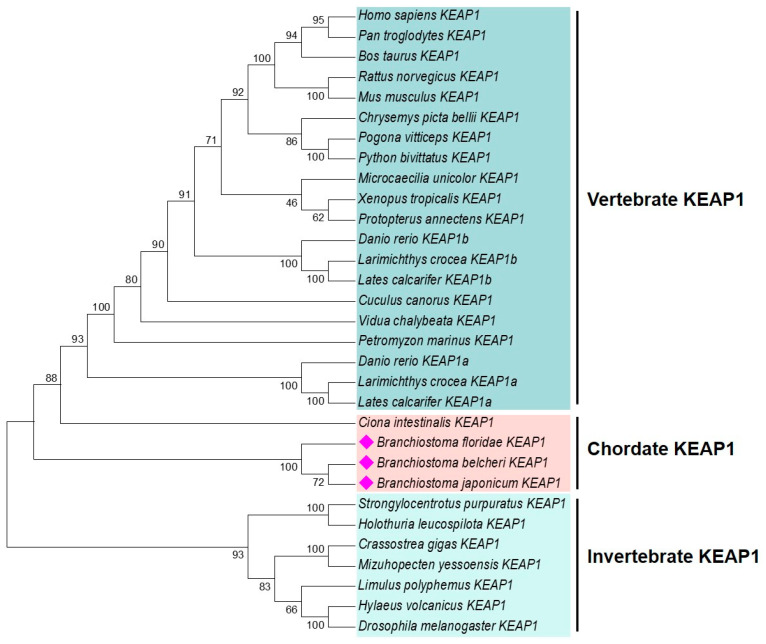 Figure 5
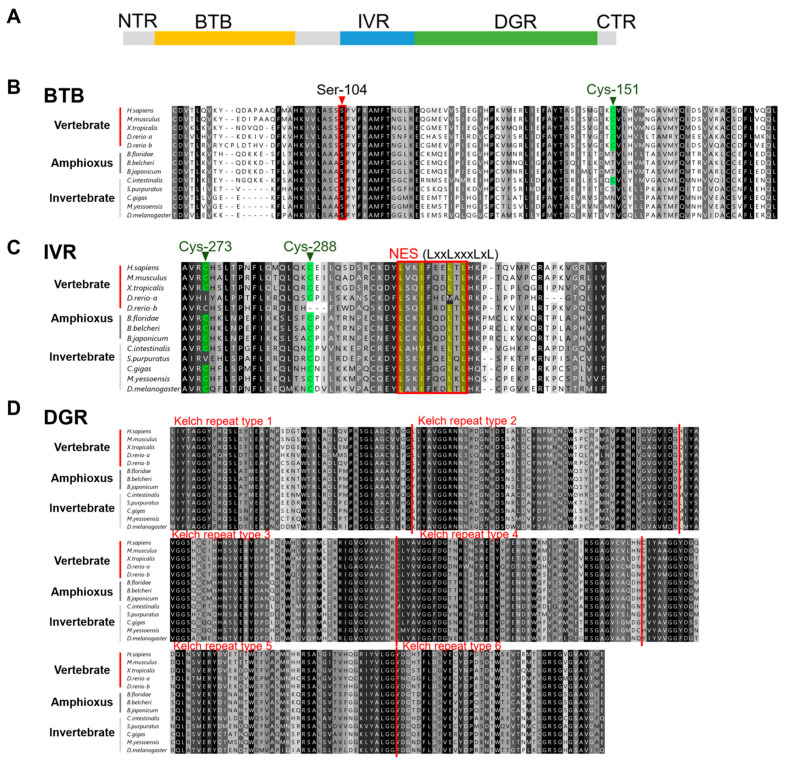 Figure 6
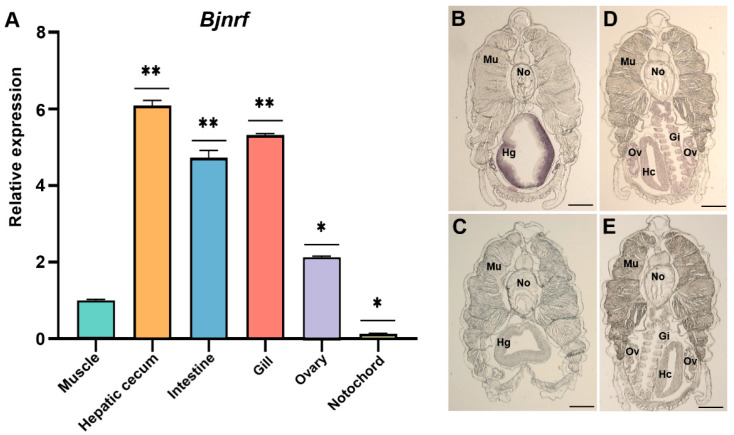 Figure 7
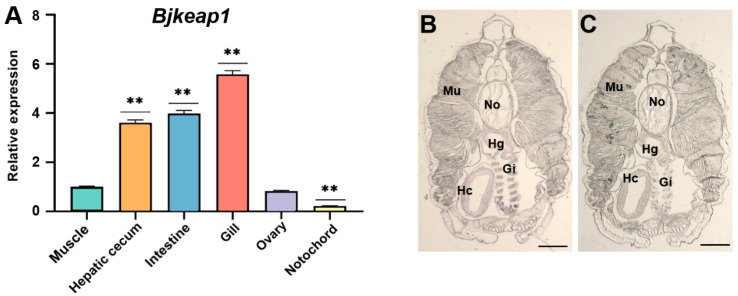 Figure 8
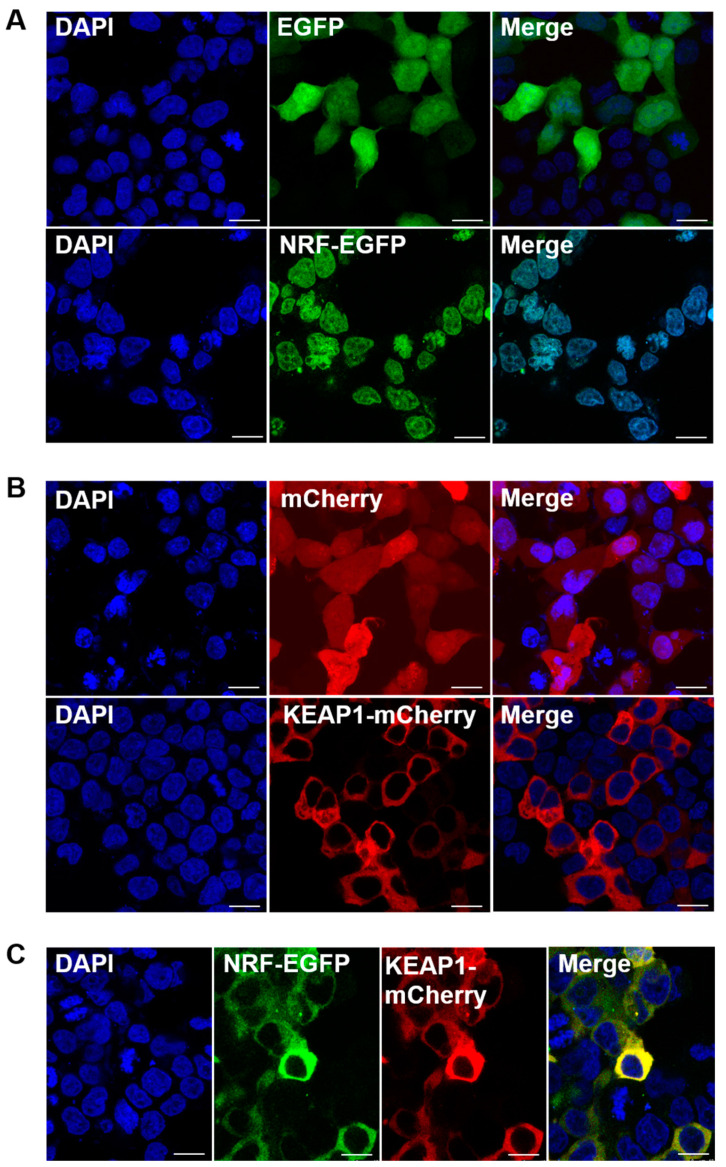 Figure 9
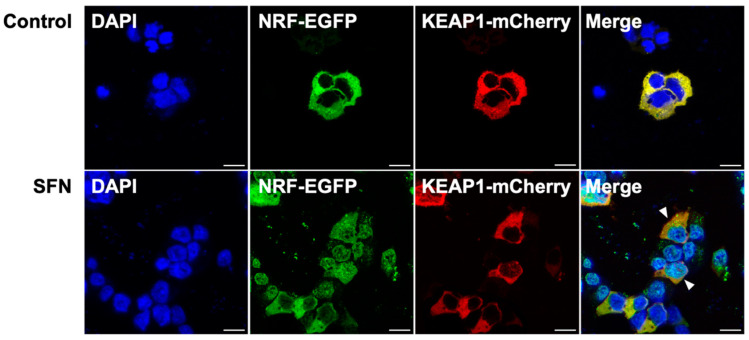 Figure 10
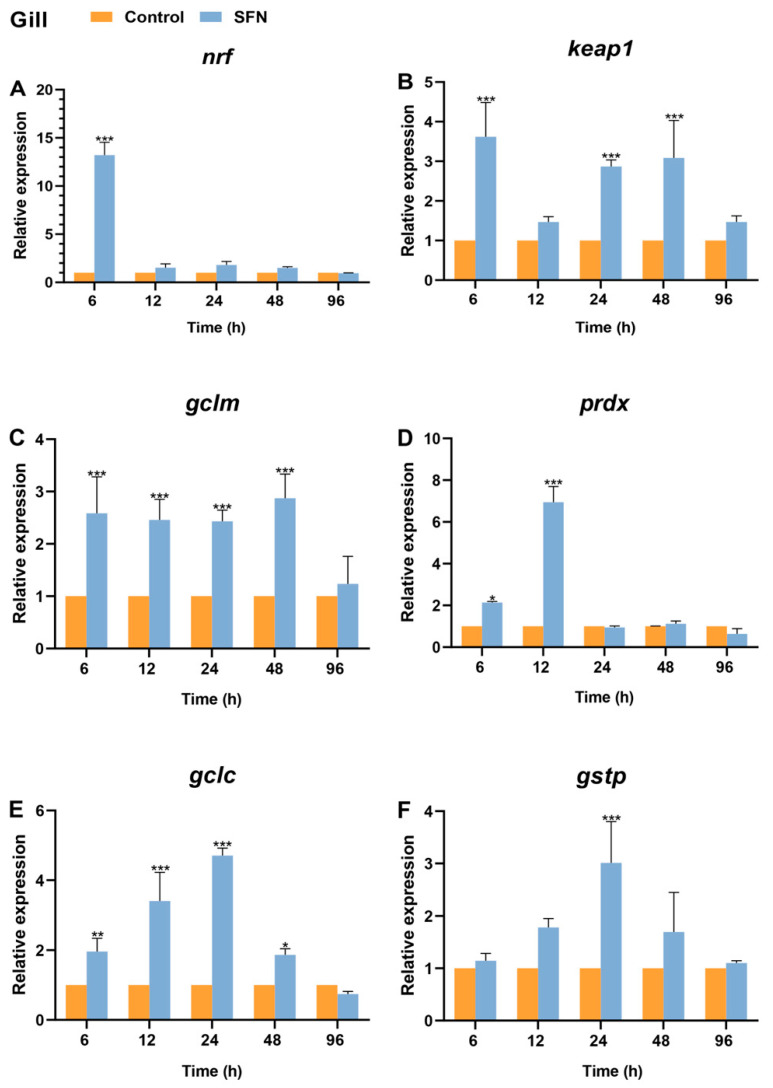 Figure 11
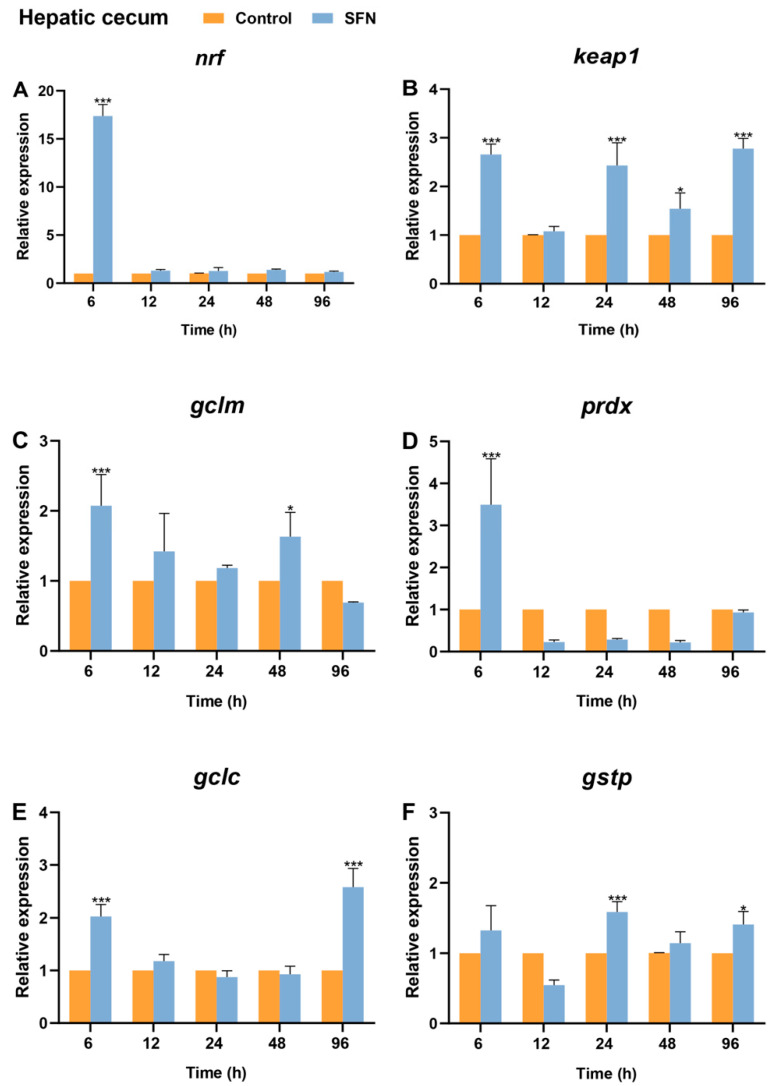 Figure 12
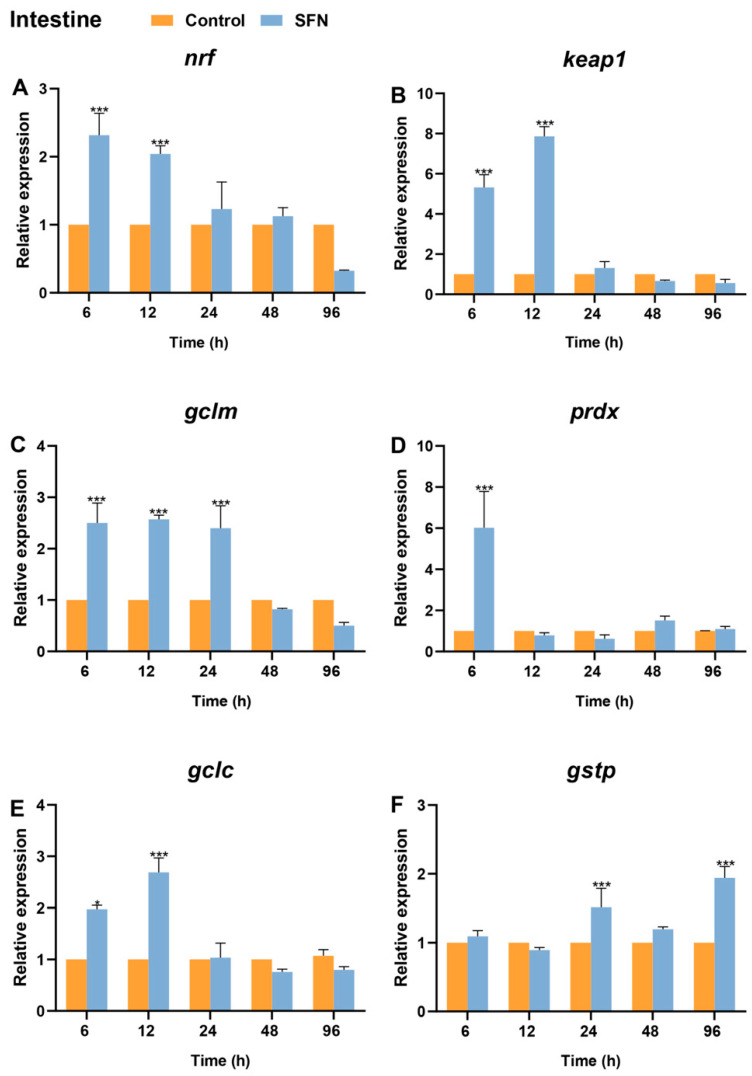 Figure 13
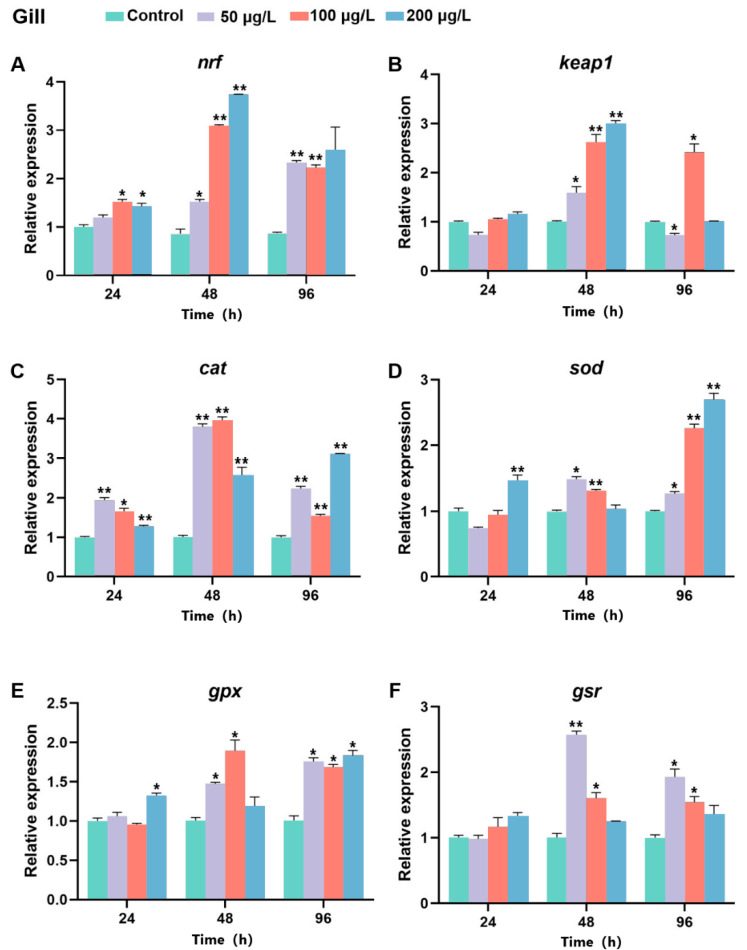 Figure 14
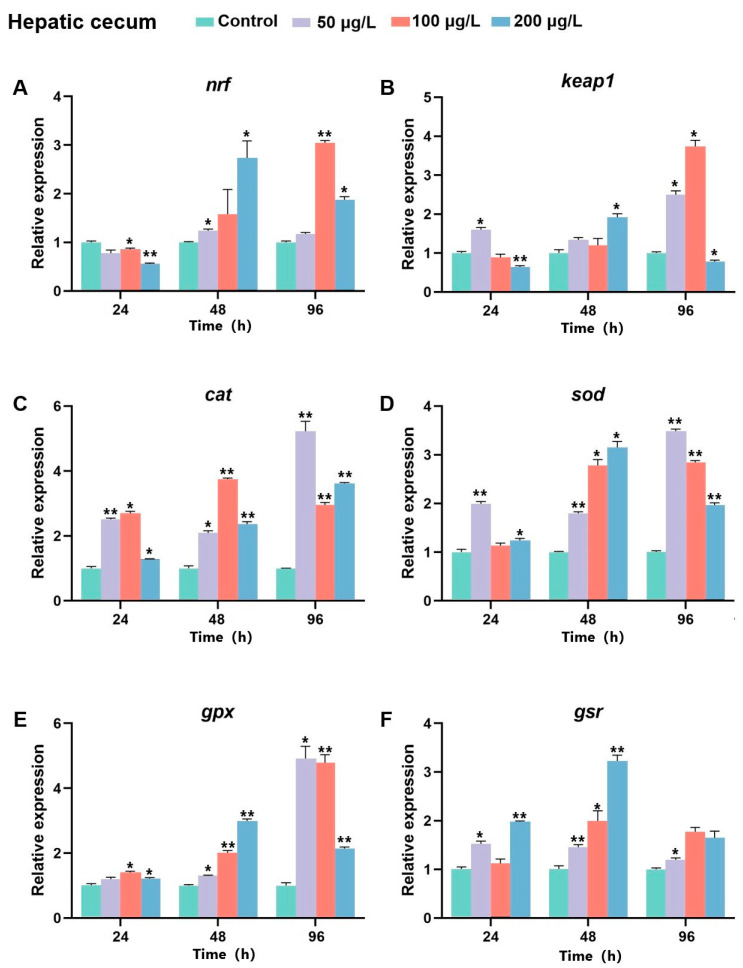 Figure 15
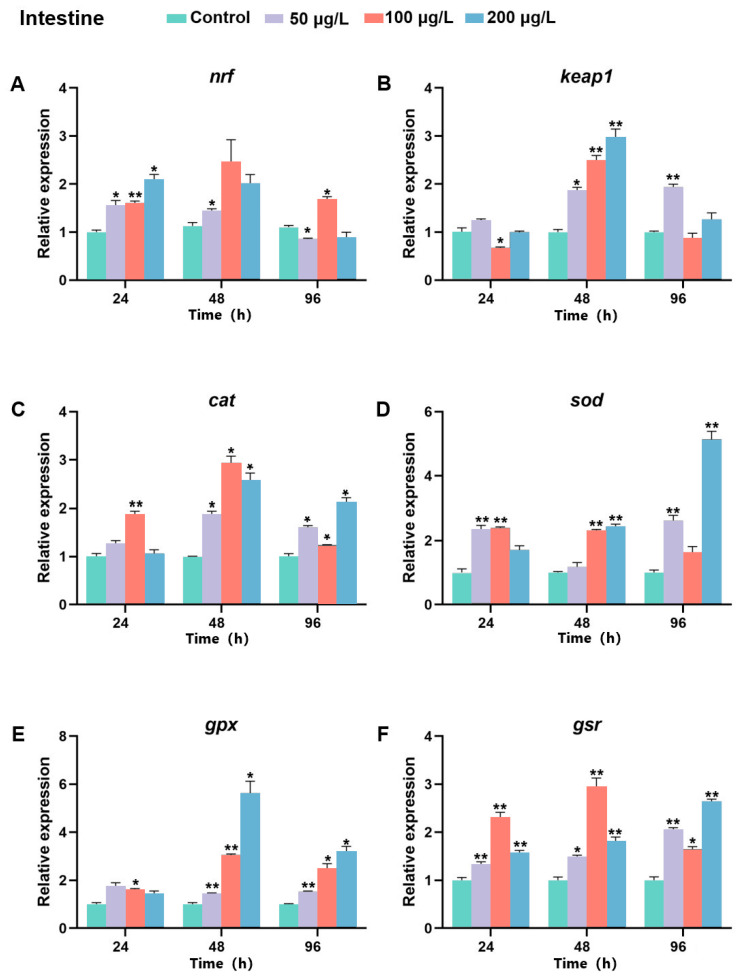 Figure 16
Peer Reviews
No public reviews on file for this paper yet. If you reviewed it on a platform where reviews are public (OpenReview, ICLR, NeurIPS, ICML), you can paste yours below so the community can read it here.
Videos
No videos yet. Explain this paper in a talk, walkthrough, or lecture? Add one.
Taxonomy
TopicsGenomics, phytochemicals, and oxidative stress · Nitrogen and Sulfur Effects on Brassica · MicroRNA in disease regulation