Host Proteins in Echinococcus multilocularis Metacestodes
Joachim Müller, Beatrice Zumkehr, Manfred Heller, Anne-Christine Uldry, Sophie Braga-Lagache, Britta Lundström-Stadelmann

TL;DR
This study investigates how Echinococcus multilocularis metacestodes take up host proteins, revealing differences in protein uptake under various conditions.
Contribution
The study identifies specific patterns of host protein uptake by metacestodes and highlights variability depending on the source of the host proteins.
Findings
Only 225 out of 1170 host proteins in the culture medium are found in metacestode vesicle tissue or fluid.
Alpha-2-HS-glycoprotein is the most abundant protein in vesicle fluid, unlike serum albumin in the culture medium.
Histone isoforms dominate in vesicle fluid from experimentally infected mice, indicating context-dependent uptake.
Abstract
Metacestodes of Echinococcus multilocularis are the causative agents of alveolar echinococcosis, a neglected, life-threatening, zoonotic disease. To study these metacestodes in vitro, a model system using a culture medium conditioned by rat hepatoma cells is available. A key question is how the parasite interacts with the host and, in particular, which host-derived compounds are taken up. In this study, we focus on the uptake of host-derived proteins. Studies with artificially labeled proteins suggest that this uptake may occur independently of protein size or charge. Closer investigation using proteomics draws, however, a different picture. Of 1170 host (i.e., rat or bovine) proteins as identified by LC-MS/MS-based proteomics present in the culture medium, only 225 are found in metacestode vesicle tissue or fluid. Moreover, their relative abundances differ. Serum albumin, the most…
Genes, proteins, chemicals, diseases, species, mutations and cell lines named across the full text — each resolved to its canonical identifier and authoritative record.
Click any figure to enlarge with its caption.
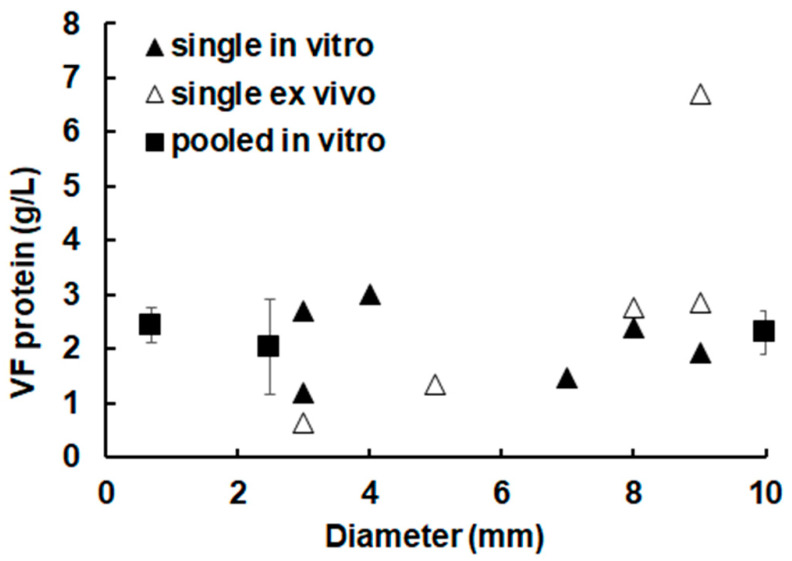 Figure 1
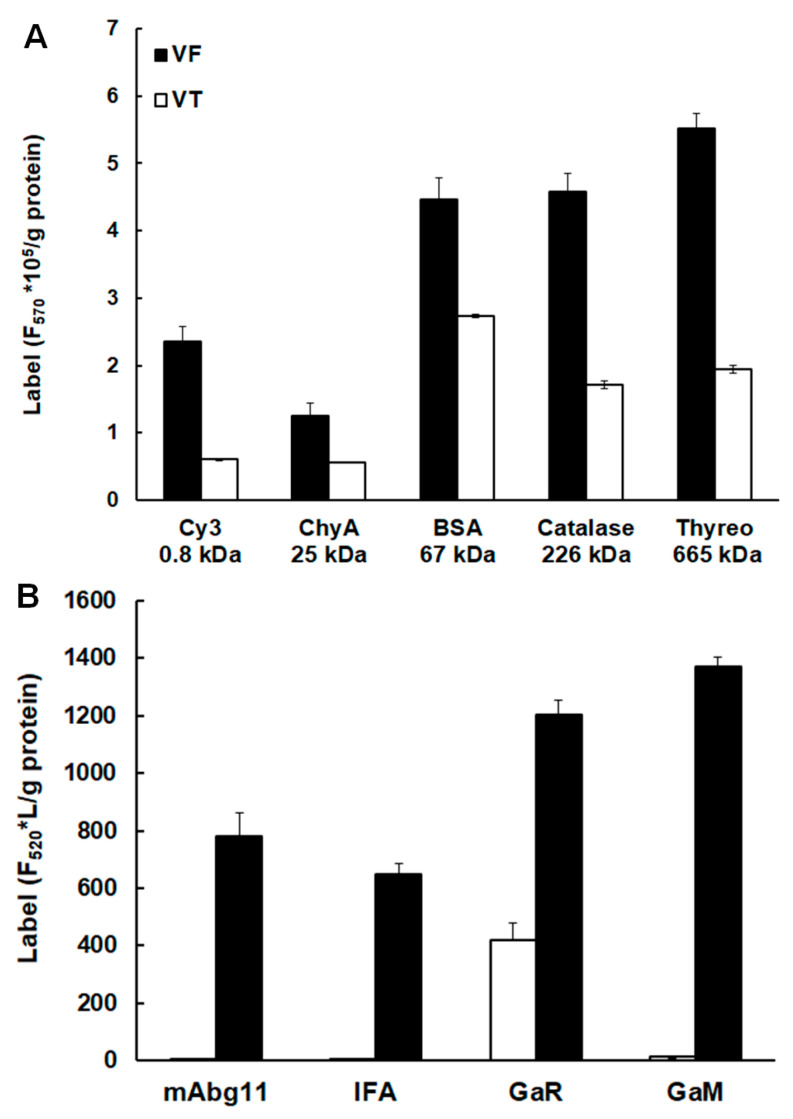 Figure 2
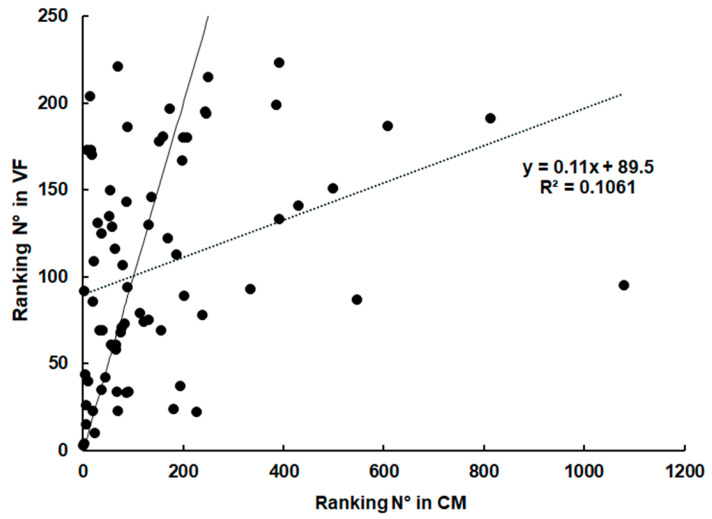 Figure 3
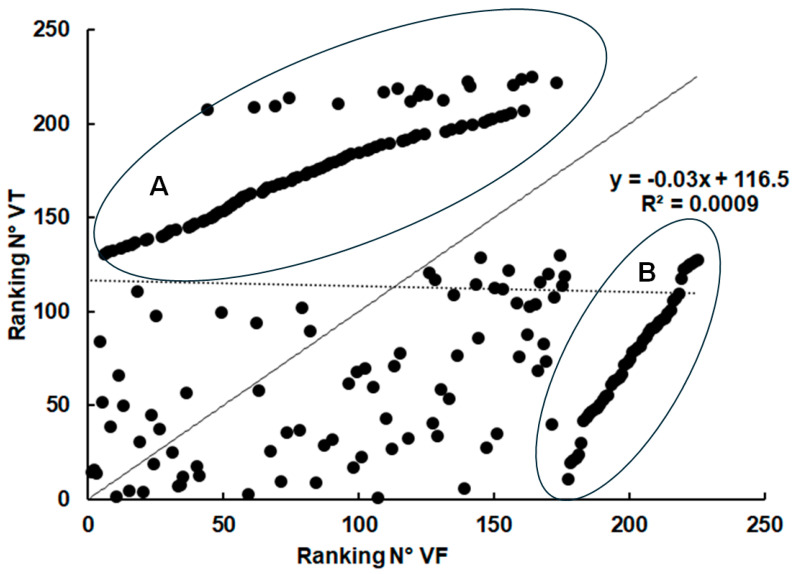 Figure 4
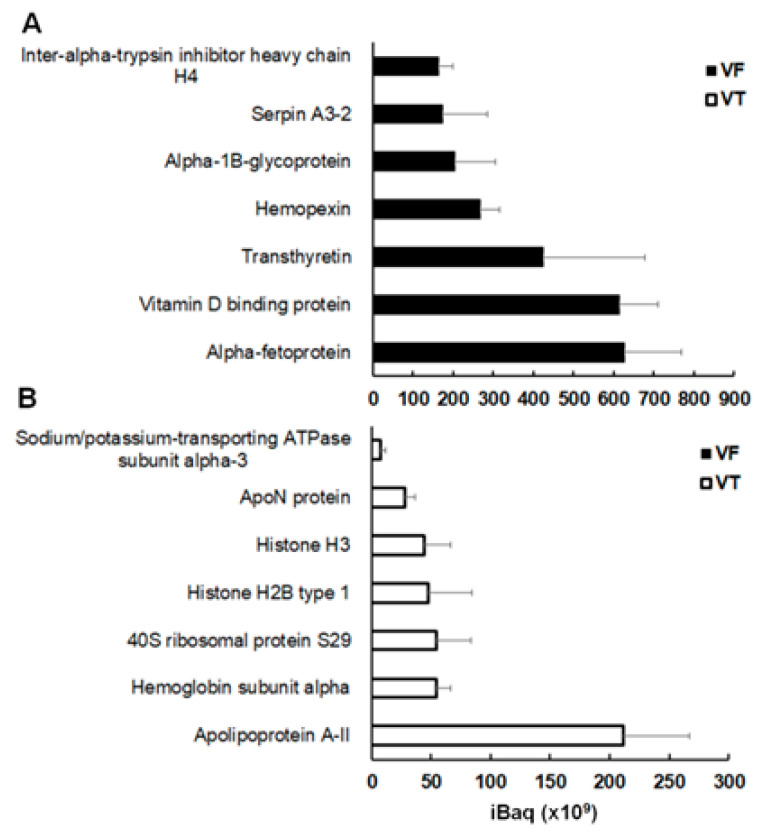 Figure 5
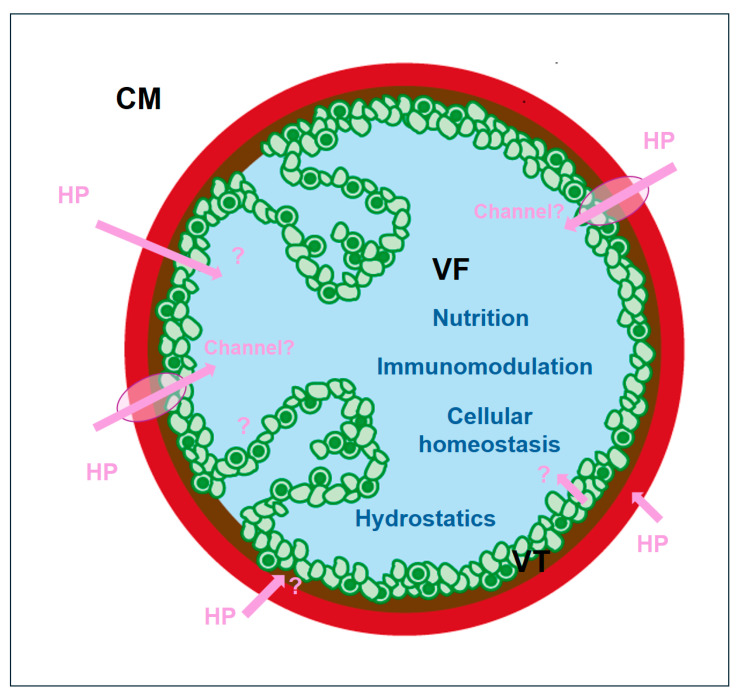 Figure 6
Peer Reviews
No public reviews on file for this paper yet. If you reviewed it on a platform where reviews are public (OpenReview, ICLR, NeurIPS, ICML), you can paste yours below so the community can read it here.
Videos
No videos yet. Explain this paper in a talk, walkthrough, or lecture? Add one.
Taxonomy
TopicsParasitic infections in humans and animals · Parasitic Infections and Diagnostics · Urological Disorders and Treatments