The Limited Significance of the Internal Rotation Stress Test in Pediatric Gartland Type III Supracondylar Humerus Fractures
Sungmin Kim, Jun-Hyuk Lim, Myung-Jin Sung, Hyeon-Su Na, Gyo-Rim Kang, Sung-Taek Jung

TL;DR
This study finds that a specific test for rotational instability in a type of elbow fracture in children does not significantly affect treatment outcomes if the fracture is properly fixed.
Contribution
The study demonstrates that the Internal Rotation Stress Test provides no significant benefit in predicting outcomes for properly fixed pediatric elbow fractures.
Findings
No differences in radiographic or clinical outcomes were found between groups with or without rotational instability.
No major loss of fracture reduction occurred in either group.
Some fracture patterns were stable with only two lateral pins.
Abstract
Background: Gartland type III pediatric supracondylar humerus fractures can be unstable and prone to loss of reduction. The Internal Rotational Stress Test (IRST) aims to assess and address rotational instability during surgery. Method: This retrospective study analyzed treatments for Gartland type III pediatric supracondylar humerus fractures at our institution from January 2020 to December 2022. Only patients who underwent IRST were included. IRST was performed after inserting either two or three lateral pins. Patients were divided into Group 1 (IRST +) or 2 (IRST −) based on IRST results. Radiographic and clinical outcomes were compared between the two groups. Result: A total of 46 patients were included in the study. The mean age at the time of diagnosis was 5.7 years (range, 4 to 11 years), and the mean duration of follow-up was 2.8 years (range, 1.0 to 4.8 years). Group 1…
Genes, proteins, chemicals, diseases, species, mutations and cell lines named across the full text — each resolved to its canonical identifier and authoritative record.
Click any figure to enlarge with its caption.
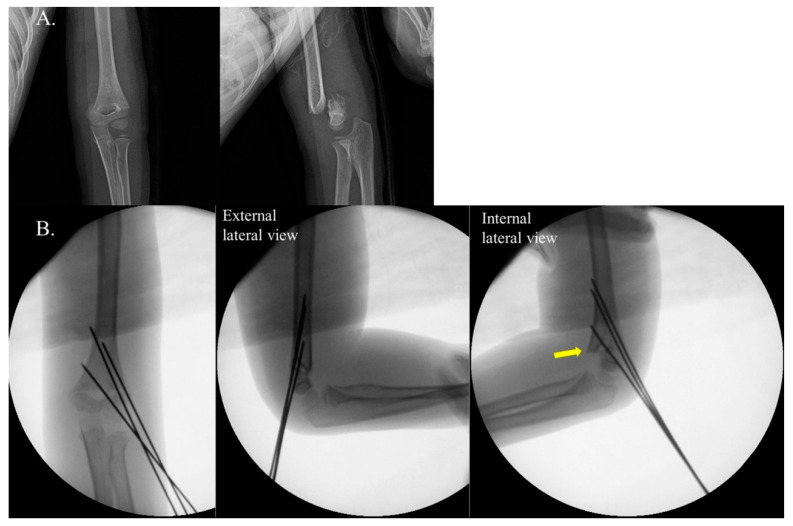 Figure 1
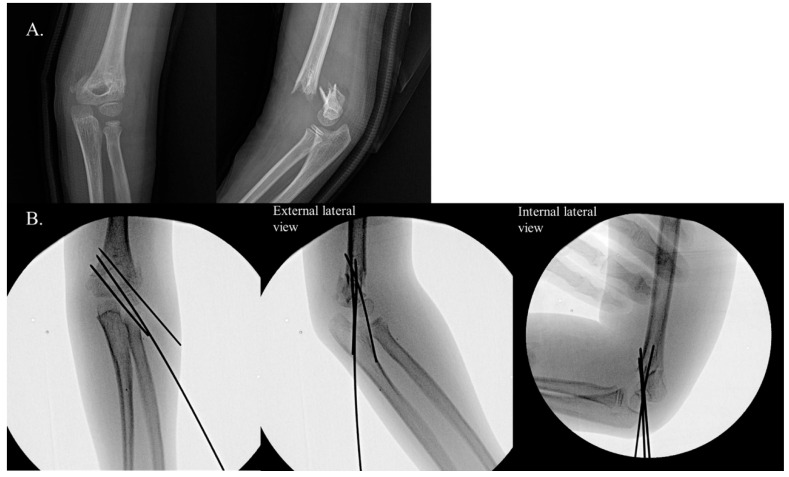 Figure 2
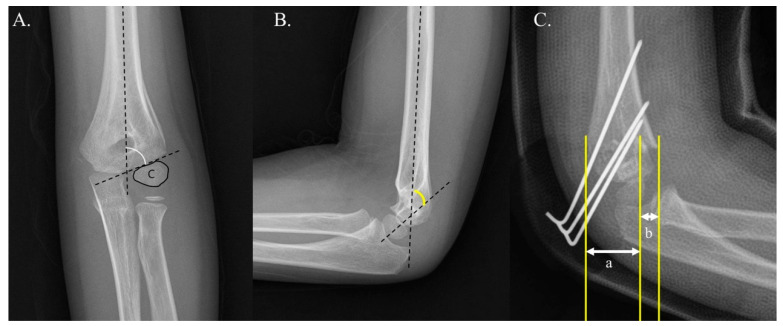 Figure 3
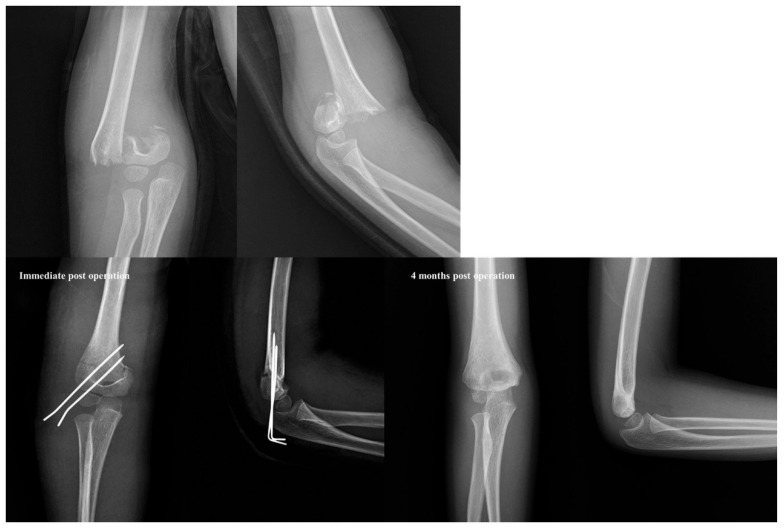 Figure 4
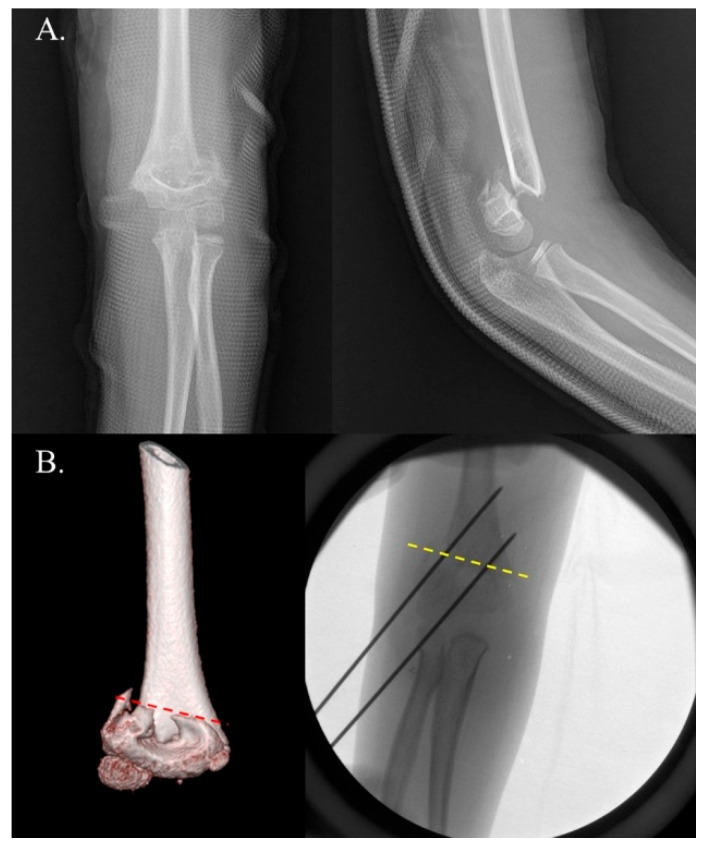 Figure 5
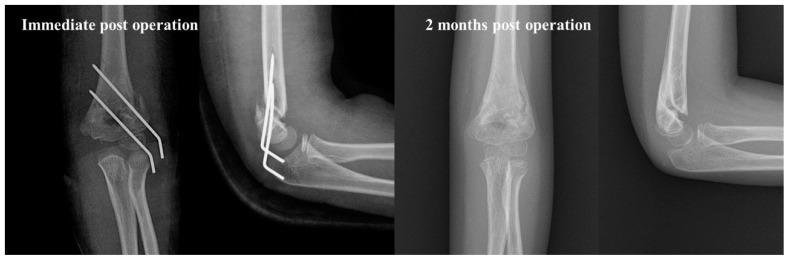 Figure 6
Peer Reviews
No public reviews on file for this paper yet. If you reviewed it on a platform where reviews are public (OpenReview, ICLR, NeurIPS, ICML), you can paste yours below so the community can read it here.
Videos
No videos yet. Explain this paper in a talk, walkthrough, or lecture? Add one.
Taxonomy
TopicsElbow and Forearm Trauma Treatment · Orthopedic Surgery and Rehabilitation · Shoulder Injury and Treatment