Assessment of Gaze Fixations and Shifts in Children with Cerebral Palsy: A Comparison of Computer- and Object-Based Approaches
Tom Griffiths, Michael T. Clarke, John Swettenham

TL;DR
This study compares two methods for assessing gaze behaviors in children with cerebral palsy, finding that object-based approaches yield higher success rates than computer-based eye tracking.
Contribution
The study introduces a direct comparison of object-based and computer-based methods for assessing gaze behaviors in children with cerebral palsy.
Findings
Object presentation resulted in significantly higher success rates for single-target fixation and target–target fixation shift tasks compared to computer-based eye tracking.
Children's performance was not predicted by developmental age, CP severity, or strabismus presence.
Eye tracking may be more effective for children with strabismus, while object-based methods offer more flexible administration.
Abstract
Background/Objectives: Gaze behaviours, such as fixation on single objects, and switching gaze between two objects are important for signaling messages, making choices or controlling a computer for children with cerebral palsy (CP) and similar movement disabilities. Observing these behaviours can be challenging for clinicians, with a lack of agreement on how they can be objectively quantified or rated. Methods: This study compares two methods of eliciting and observing gaze behaviours: a computer presentation using an eye tracker and an object presentation scored by two independent observers in order to explore the utility of each to clinicians working in this area. Children with CP (n = 39) attempted single-target fixation (STF) and target–target fixation shift (TTFS) tasks using both presentations and the results were compared. Results: Six children were unable to calibrate the eye…
Genes, proteins, chemicals, diseases, species, mutations and cell lines named across the full text — each resolved to its canonical identifier and authoritative record.
Click any figure to enlarge with its caption.
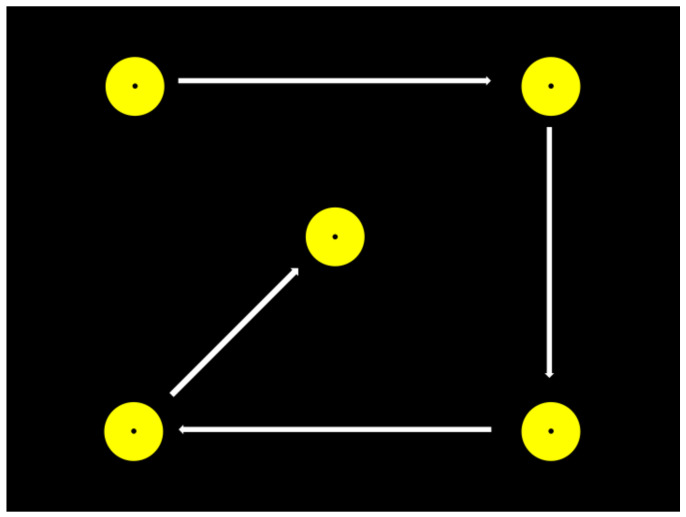 Figure 1
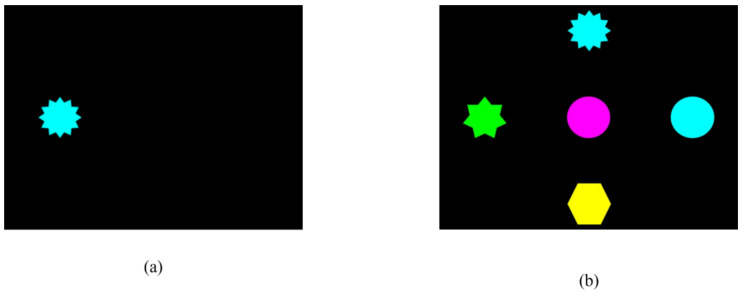 Figure 2
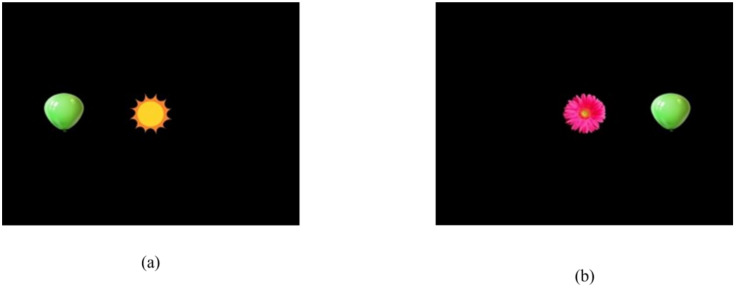 Figure 3
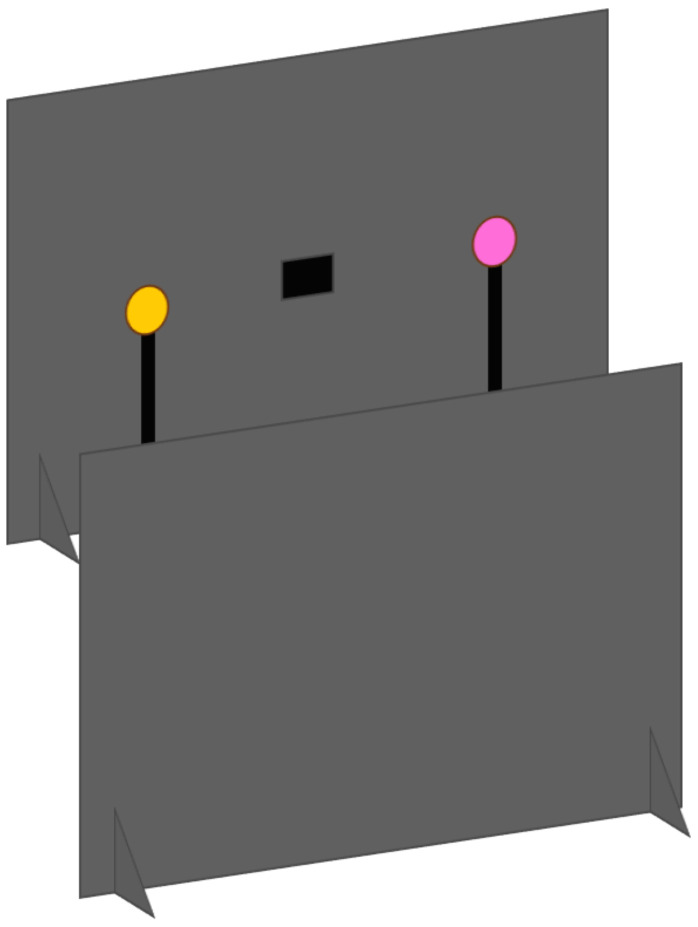 Figure 4
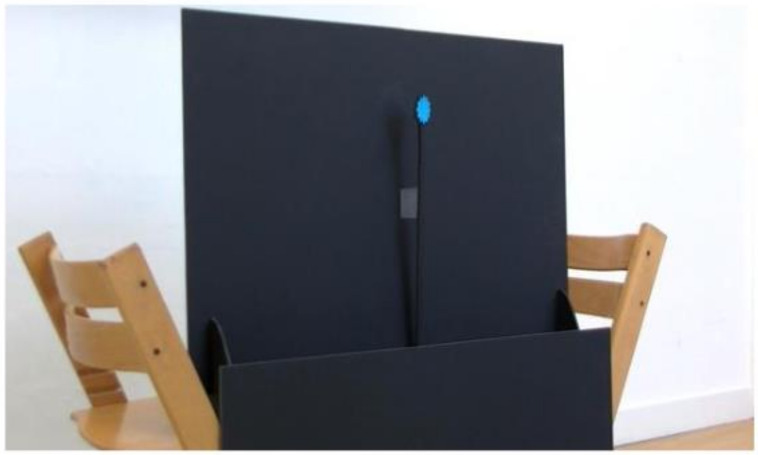 Figure 5
Peer Reviews
No public reviews on file for this paper yet. If you reviewed it on a platform where reviews are public (OpenReview, ICLR, NeurIPS, ICML), you can paste yours below so the community can read it here.
Videos
No videos yet. Explain this paper in a talk, walkthrough, or lecture? Add one.
Taxonomy
TopicsCerebral Palsy and Movement Disorders · Stroke Rehabilitation and Recovery · Neonatal and fetal brain pathology