Variable Ophthalmologic Phenotypes Associated with Biallelic Loss-of-Function Variants in POMGNT1
Lucia Ziccardi, Lucilla Barbano, Mattia D’Andrea, Alessandro Bruselles, Carmen Dell’Aquila, Marcello Niceta, Cecilia Mancini, Alessandro Leone, Mattia Carvetta, Maria Albanese, Emilia Stellacci, Marco Tartaglia, Viviana Cordeddu

TL;DR
This paper reports on a family with retinal disease caused by POMGNT1 gene mutations, showing that the condition can vary in severity and affect only the eyes.
Contribution
The study highlights the isolated and variable ocular phenotype caused by POMGNT1 mutations, expanding the known clinical spectrum of this genetic disorder.
Findings
Three siblings with biallelic POMGNT1 variants exhibited isolated retinal disease without muscular or neuronal involvement.
The retinal phenotype varied in onset, presentation, and severity among the affected siblings.
POMGNT1 defects disrupt retinal basal membrane organization, leading to rod-cone dystrophy.
Abstract
O-mannosylation is a post-translational modification required for the proper function of various proteins and critical for development and growth. POMGNT1 encodes the enzyme O-linked-mannose β-1,2-N-acetylglucosaminyltransferase 1, which catalyzes the second step in the synthesis of α-dystroglycan O-mannosyl glycans. Among POMGNT1-related α-dystroglycanopathies, muscle–eye–brain (MEB) disease presents with congenital muscular dystrophy, structural brain abnormalities, and retinal dystrophy. Defects in protein O-mannosylation due to biallelic loss-of-function POMGNT1 mutations produce disturbances in assembling and organizing the basal membrane in the neuroretinal system, involving both the central and peripheral nervous systems. In the retina, POMGNT1 is expressed in photoreceptors and is localized near the photoreceptor cilium basal body, a structure critical for protein transport.…
Genes, proteins, chemicals, diseases, species, mutations and cell lines named across the full text — each resolved to its canonical identifier and authoritative record.
Click any figure to enlarge with its caption.
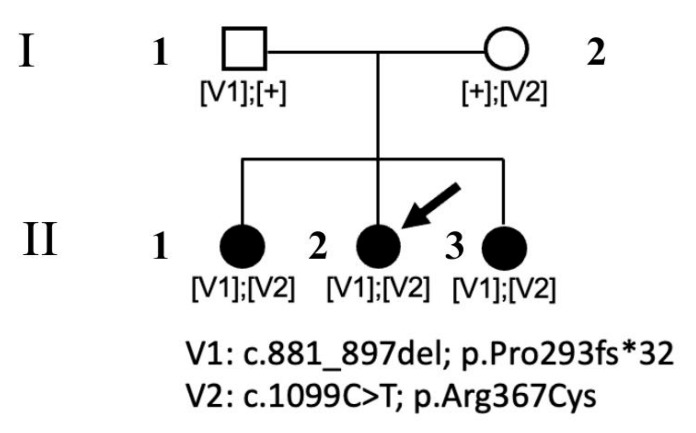 Figure 1
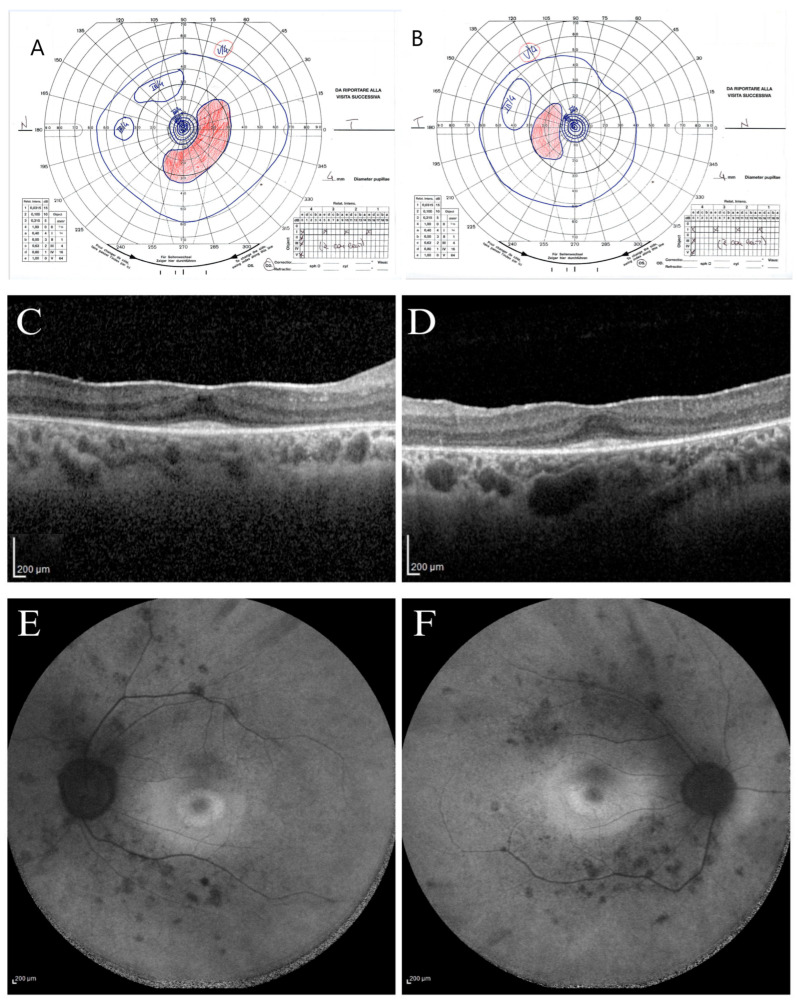 Figure 2
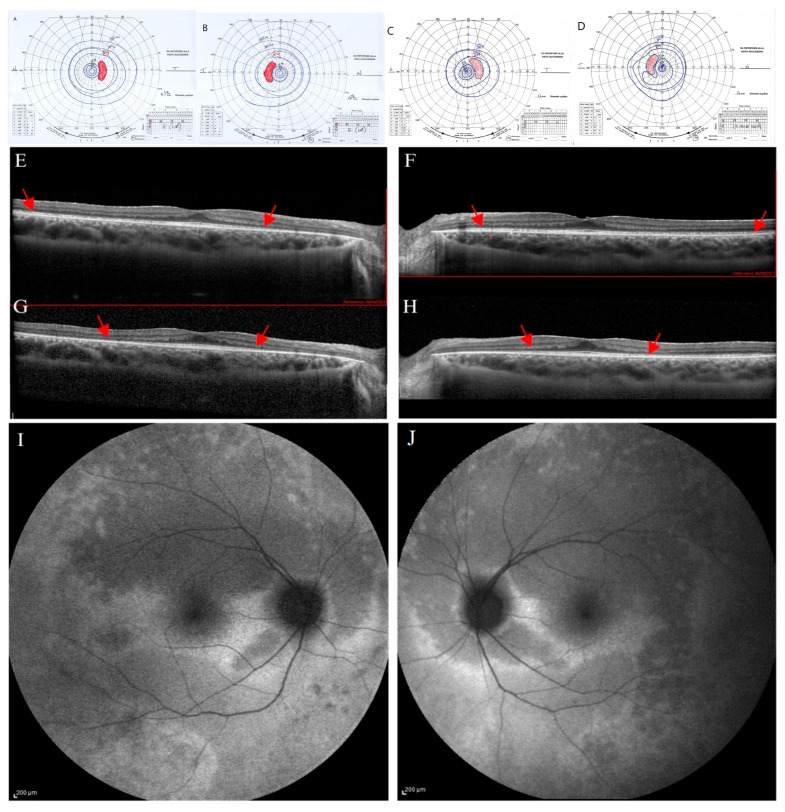 Figure 3
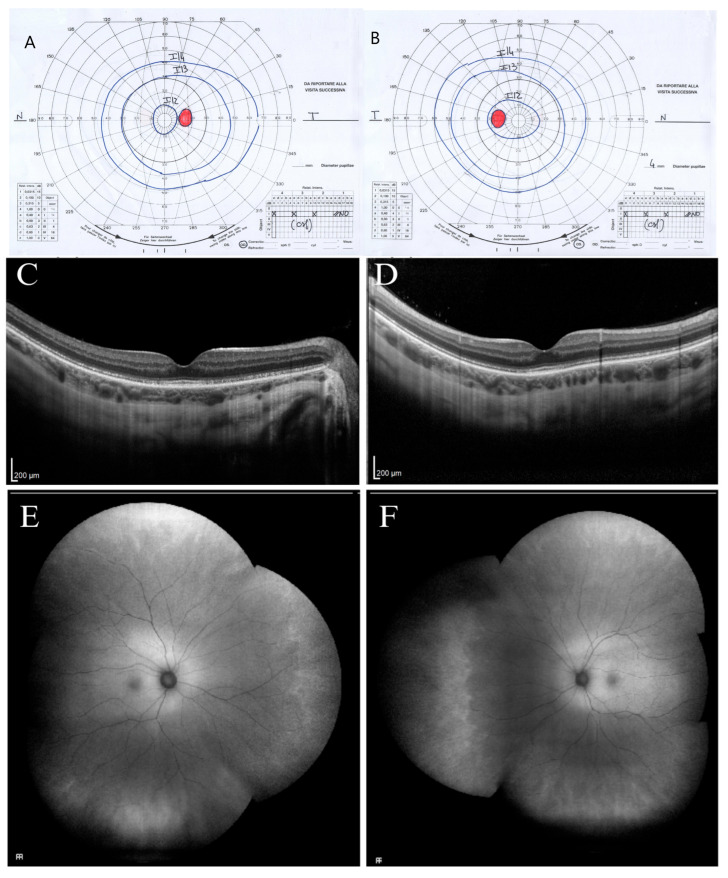 Figure 4
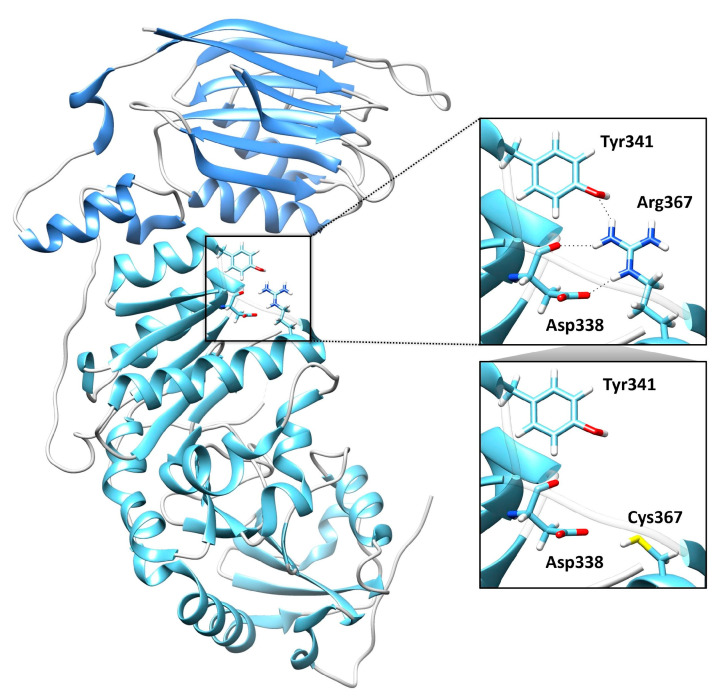 Figure 5
Peer Reviews
No public reviews on file for this paper yet. If you reviewed it on a platform where reviews are public (OpenReview, ICLR, NeurIPS, ICML), you can paste yours below so the community can read it here.
Videos
No videos yet. Explain this paper in a talk, walkthrough, or lecture? Add one.
Taxonomy
TopicsGenomics and Rare Diseases · Genetics and Neurodevelopmental Disorders · Genomic variations and chromosomal abnormalities