Modeling Spinal Cord Injury in a Dish with Hyperosmotic Stress: Population-Specific Effects and the Modulatory Role of Mesenchymal Stromal Cell Secretome
Jonas Campos, Ana T. Palha, Luís S. Fernandes, Jorge R. Cibrão, Tiffany S. Pinho, Sofia C. Serra, Nuno A. Silva, Adina T. Michael-Titus, António J. Salgado

TL;DR
This study introduces a new in vitro model for spinal cord injury using hyperosmotic stress and shows that the secretome of human stem cells can protect neurons and reduce injury markers.
Contribution
The first use of sorbitol as a hyperosmolar stressor to model SCI and the demonstration of hASC secretome's protective effects in this context.
Findings
Hyperosmotic stress via sorbitol caused a 65% reduction in cell viability, mimicking SCI pathophysiology.
hASC secretome preserved metabolic viability and reduced β-APP expression in neurons.
Transcriptomic analysis revealed enrichment in cell proliferation and cycle progression pathways after hASC treatment.
Abstract
Innovations in spinal cord injury (SCI) models are crucial for developing effective therapies. This study introduces a novel in vitro SCI model using cultures of primary mixed spinal cord cells from rat pups, featuring key spinal cord cell types. This model offers distinct advantages in terms of feasibility, reproducibility, and cost-effectiveness, requiring only basic cell culture equipment. Following hyperosmotic stress via sorbitol treatment, the model recapitulated SCI pathophysiological hallmarks, with a 65% reduction in cell viability and gradual cell death over 48 h, making it ideal for evaluating neuroprotective agents. Notably, the human adipose tissue stem cell (hASC) secretome provided significant protection: it preserved metabolic viability, reduced β amyloid precursor protein (β-APP) expression in surviving neurons, and modulated the shift in the astrocytic morphotype. A…
Genes, proteins, chemicals, diseases, species, mutations and cell lines named across the full text — each resolved to its canonical identifier and authoritative record.
Click any figure to enlarge with its caption.
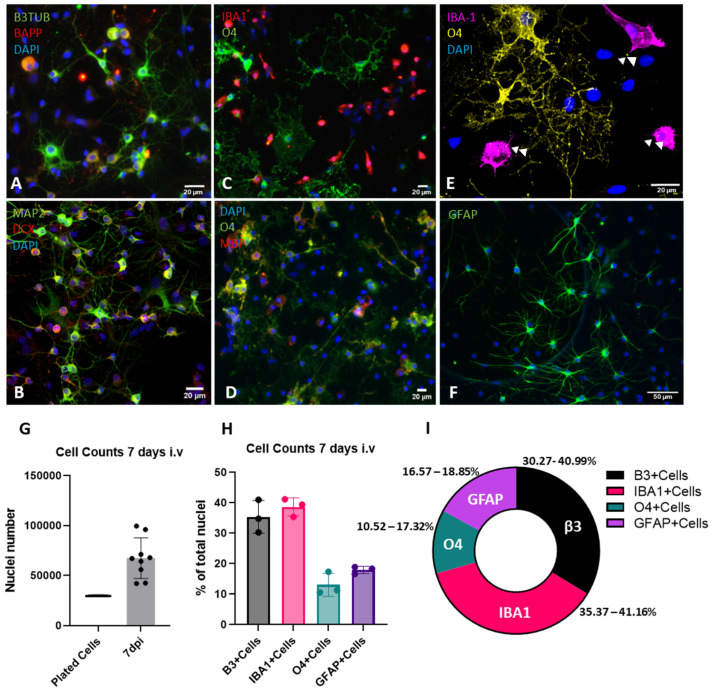 Figure 1
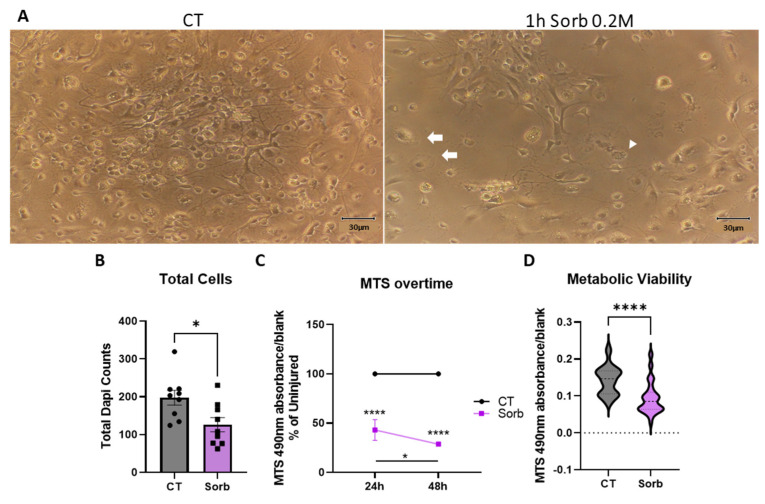 Figure 2
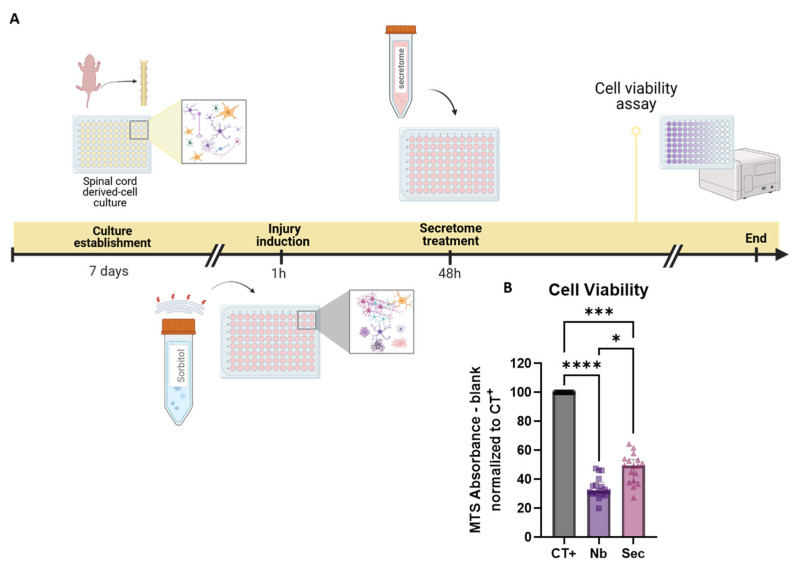 Figure 3
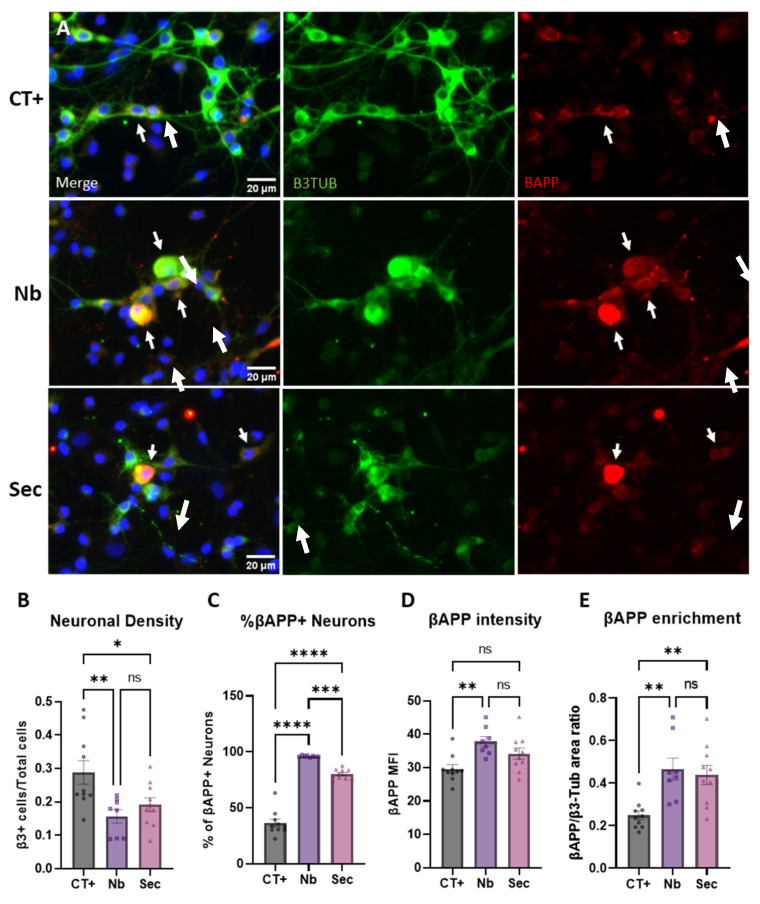 Figure 4
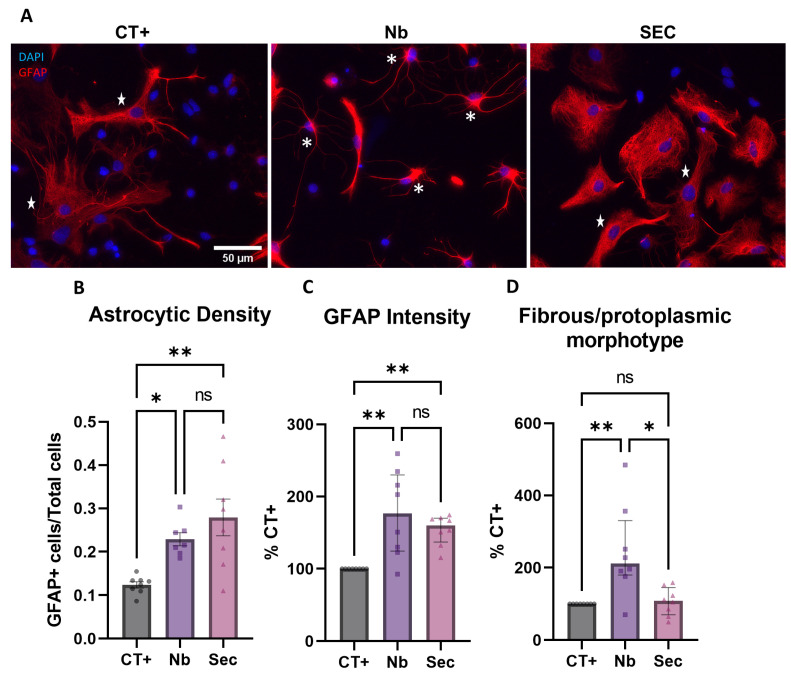 Figure 5
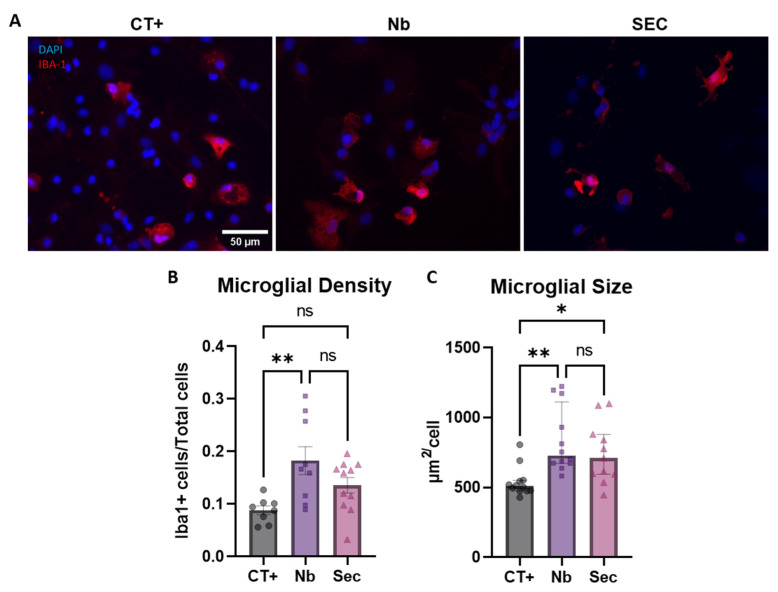 Figure 6
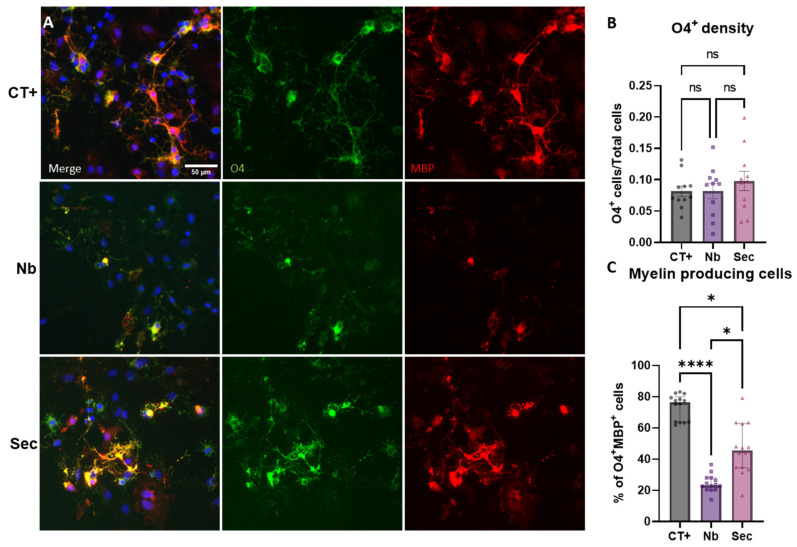 Figure 7
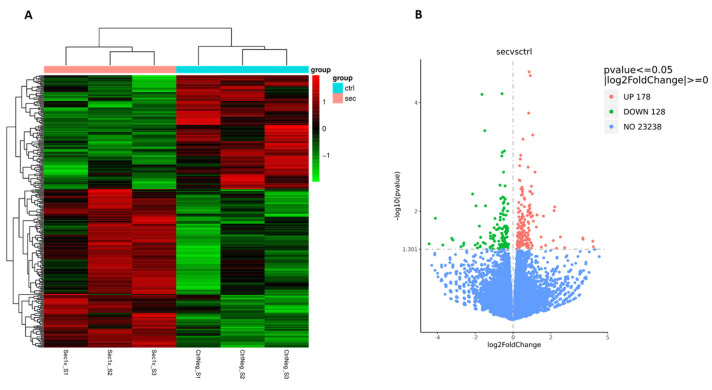 Figure 8
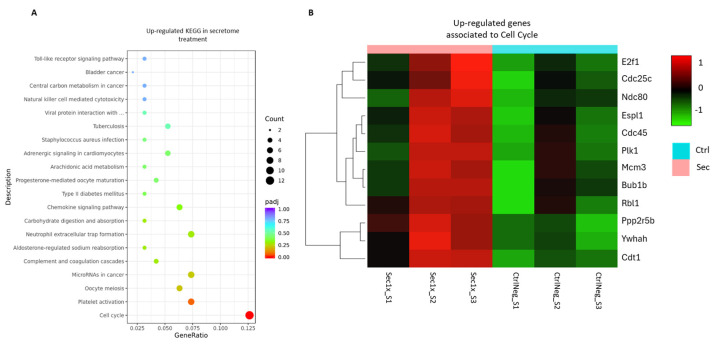 Figure 9
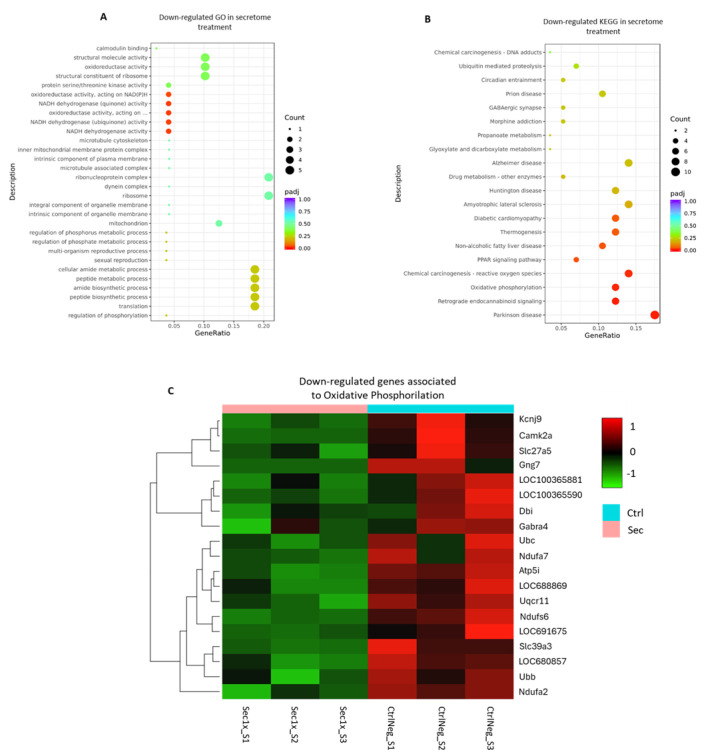 Figure 10
Peer Reviews
No public reviews on file for this paper yet. If you reviewed it on a platform where reviews are public (OpenReview, ICLR, NeurIPS, ICML), you can paste yours below so the community can read it here.
Videos
No videos yet. Explain this paper in a talk, walkthrough, or lecture? Add one.
Taxonomy
TopicsNerve injury and regeneration · Spinal Cord Injury Research · Neurogenesis and neuroplasticity mechanisms