Mating Increases CHST10 Activity in Rat Oviductal Mucosa to Induce the Synthesis of HNK-1 Glycoproteins: Possible Role in Sperm–Oviduct Interactions
Francisca Fábrega-Guerén, Juan C. Andrade, Marlene Zúñiga-Cóndor, Patricio Morales, Benito Gómez-Silva, Lidia M. Zúñiga

TL;DR
Mating increases CHST10 activity in rat oviducts, leading to HNK-1 glycoprotein synthesis, which may help select sperm in the reproductive tract.
Contribution
The study identifies CHST10's role in synthesizing HNK-1 glycoproteins and their potential function in sperm selection.
Findings
Mating increases CHST10 protein levels and activity in rat oviductal mucosa.
Mating induces synthesis of acidic variants of ALDH9A1 and FHL1 via HNK-1 glycosylation.
HNK-1 glycoproteins may participate in sperm selection at the utero-tubal junction.
Abstract
Previously, we reported that mating induces an early transcriptional response in the oviductal mucosa of rats. The functional category ‘cell-to-cell signaling and interaction’ was overrepresented in this gene list. Therefore, in the present study, we describe the role of one of these genes, carbohydrate sulfotransferase 10 (Chst10), in the oviductal mucosa. CHST10 participates in the synthesis of the carbohydrate moiety human natural killer-1 (HNK-1), which mediates cell-to-cell interactions. When using one-dimensional Western blot and sulfotransferase analyses, we found that mating increased the protein level and activity of CHST10 in the oviductal mucosa at 3 h after stimulation. A two-dimensional Western blot analysis and mass spectrometry were used to identify the novel HNK-1 glycoproteins aldehyde dehydrogenase 9 family, member A1 (ALDH9A1), fructose bisphosphate aldolase A…
Genes, proteins, chemicals, diseases, species, mutations and cell lines named across the full text — each resolved to its canonical identifier and authoritative record.
Click any figure to enlarge with its caption.
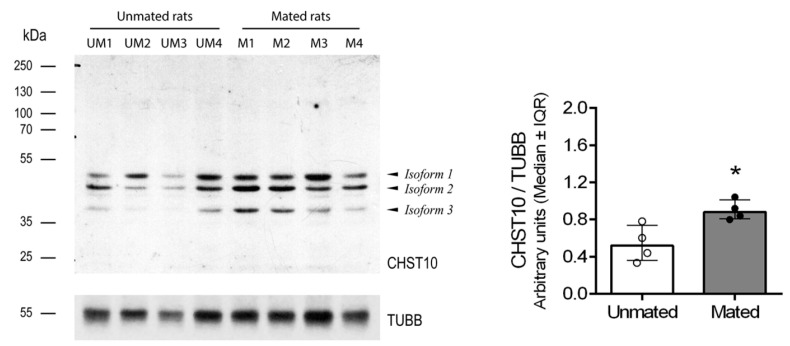 Figure 1
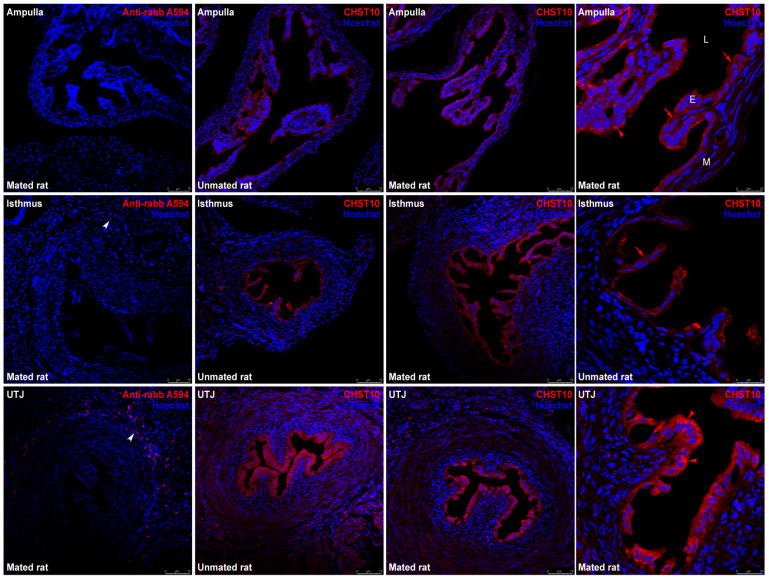 Figure 2
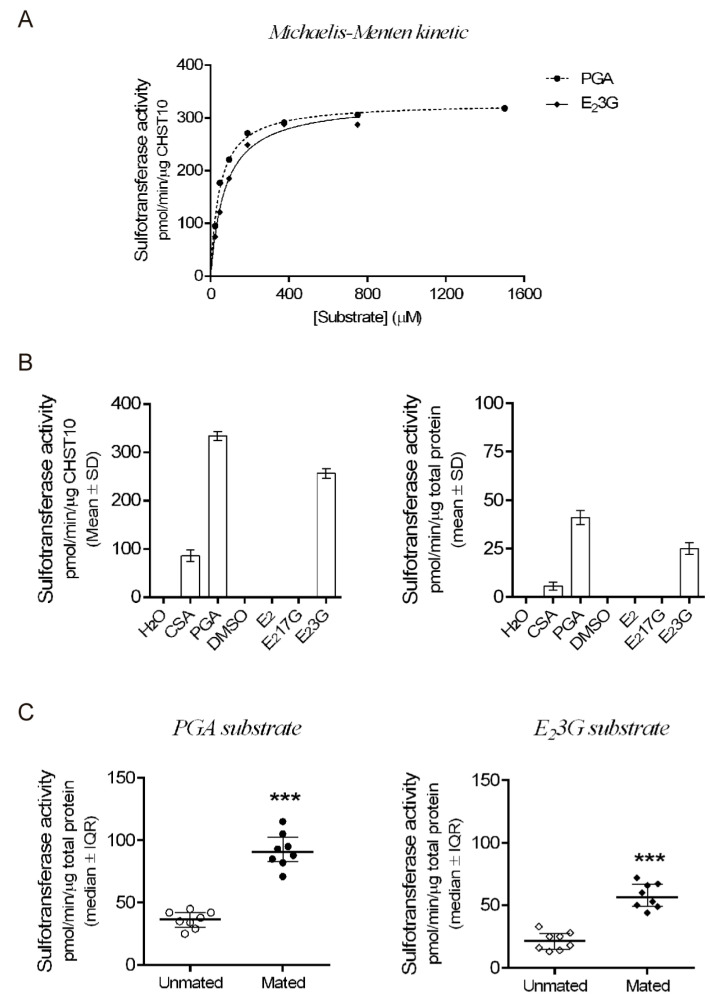 Figure 3
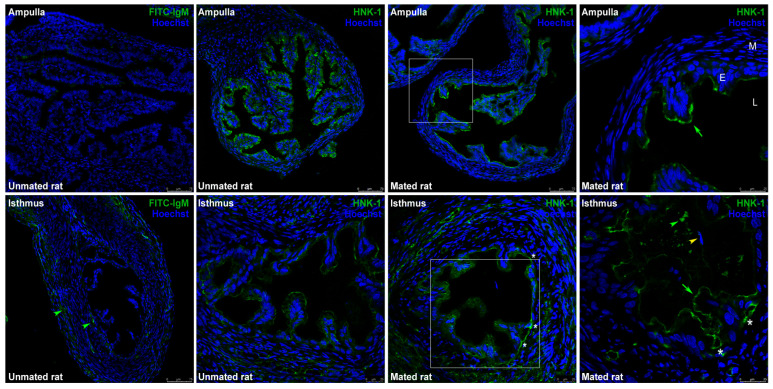 Figure 4
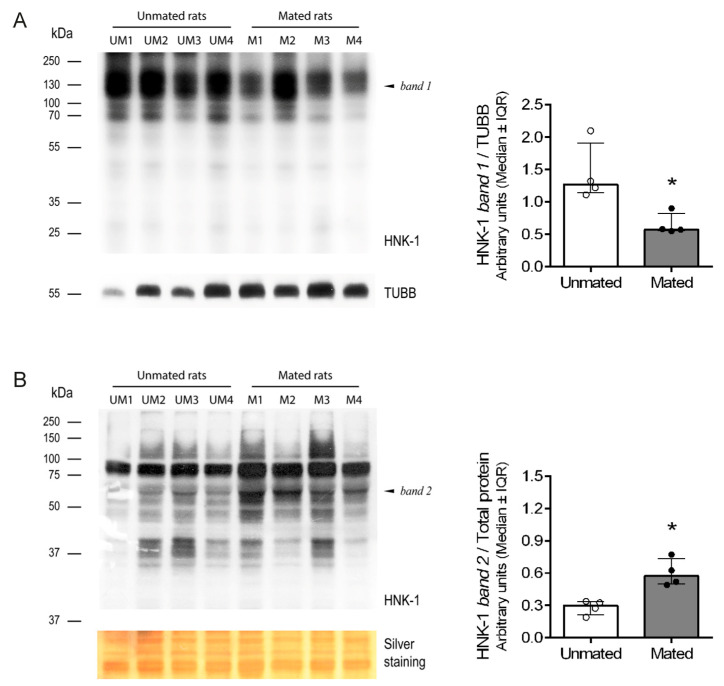 Figure 5
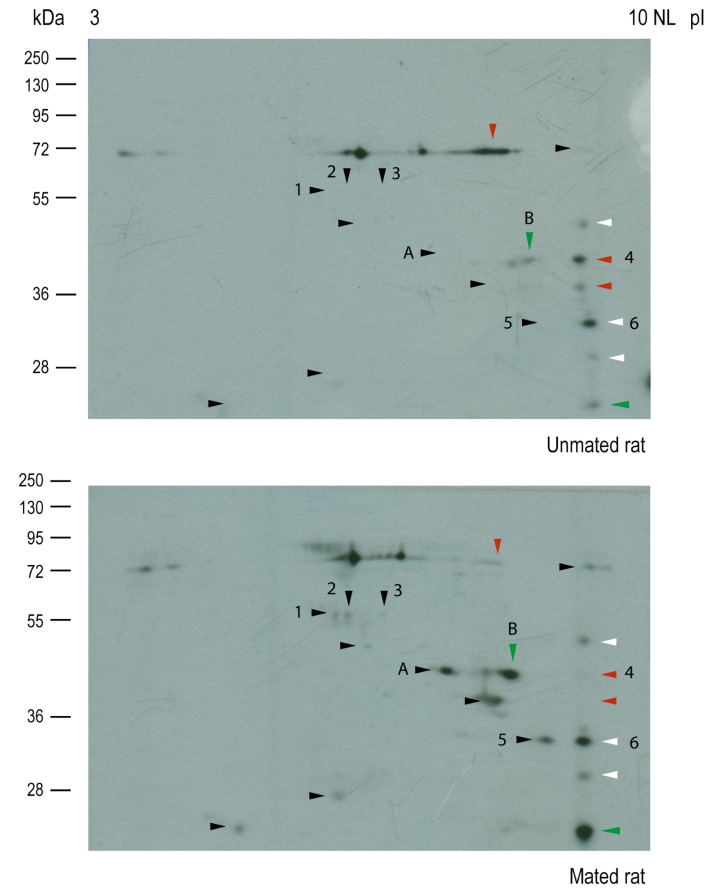 Figure 6
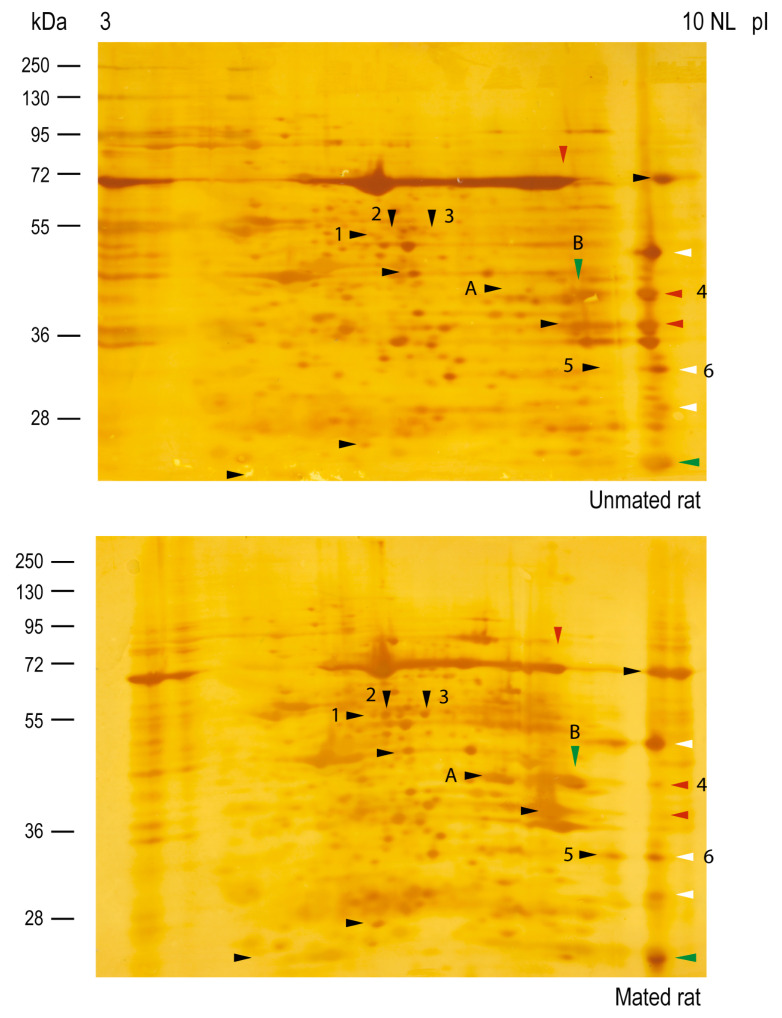 Figure 7
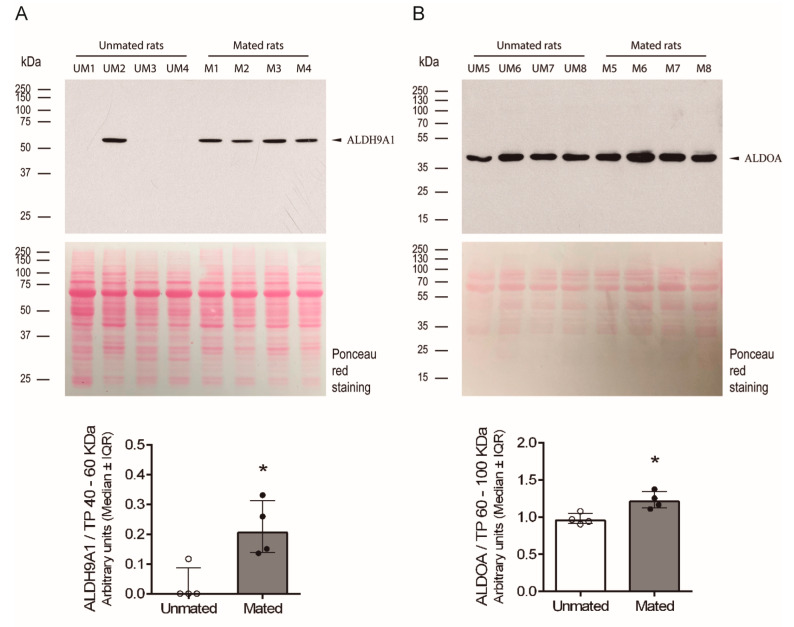 Figure 8
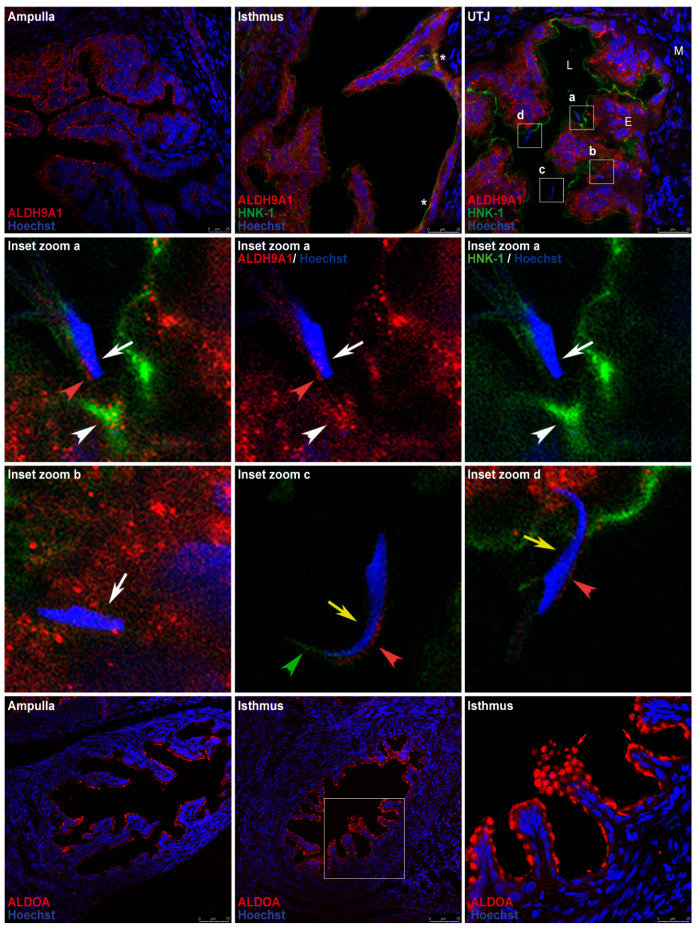 Figure 9
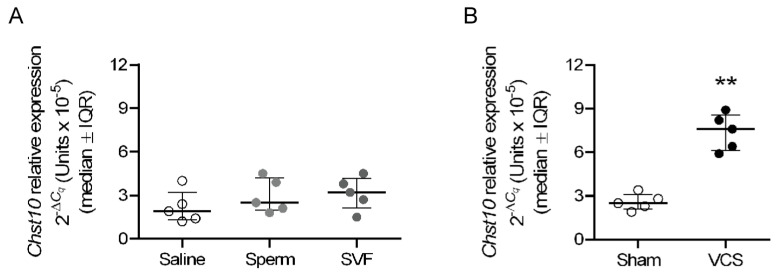 Figure 10
Peer Reviews
No public reviews on file for this paper yet. If you reviewed it on a platform where reviews are public (OpenReview, ICLR, NeurIPS, ICML), you can paste yours below so the community can read it here.
Videos
No videos yet. Explain this paper in a talk, walkthrough, or lecture? Add one.
Taxonomy
TopicsImmune Cell Function and Interaction · Glycosylation and Glycoproteins Research · Reproductive System and Pregnancy