Enhancing the Biosorption Capacity of Macrocystis pyrifera: Effects of Acid and Alkali Pretreatments on Recalcitrant Organic Pollutants Removal
Magdalena Varas, Jorge Castro-Rojas, Loretto Contreras-Porcia, María Soledad Ureta-Zañartu, Elodie Blanco, Néstor Escalona, Edmundo Muñoz, Elizabeth Garrido-Ramírez

TL;DR
This study shows how acid and alkali treatments can improve seaweed's ability to remove stubborn organic pollutants from water.
Contribution
The novel contribution is demonstrating how acid and alkali pretreatments alter the properties of Macrocystis pyrifera to enhance its biosorption of organic pollutants.
Findings
Alkali-pretreated seaweed had the highest adsorption capacity (526 mg g−1) for methylene blue.
Alkali treatment increased functional groups and surface roughness, enhancing pollutant removal.
Adsorption followed a two-step diffusion process, confirmed by intra-particle diffusion modeling.
Abstract
The effects of acid and alkali pretreatments on the physicochemical and textural properties of Macrocystis pyrifera were evaluated to assess its potential for removing recalcitrant organic pollutants from aquatic systems. Untreated (UB), acid-pretreated (ACPB), and alkali-pretreated (ALPB) seaweed biomass were characterized using SEM, FTIR-ATR, N2 adsorption–desorption, and potentiometric titrations. Adsorption isotherms and kinetic studies, using methylene blue (MB) as a model pollutant, were conducted to evaluate removal performance. All biosorbents exhibited Langmuir behavior, with maximum adsorption capacities of 333 mg g−1 (UB), 189 mg g−1 (ACPB), and 526 mg g−1 (ALPB). FTIR-ATR and SEM analyses revealed that alkali pretreatment increased the abundance of hydroxyl, carboxylate, and sulfonated functional groups on the seaweed cell walls, along with greater porosity and surface…
Genes, proteins, chemicals, diseases, species, mutations and cell lines named across the full text — each resolved to its canonical identifier and authoritative record.
Click any figure to enlarge with its caption.
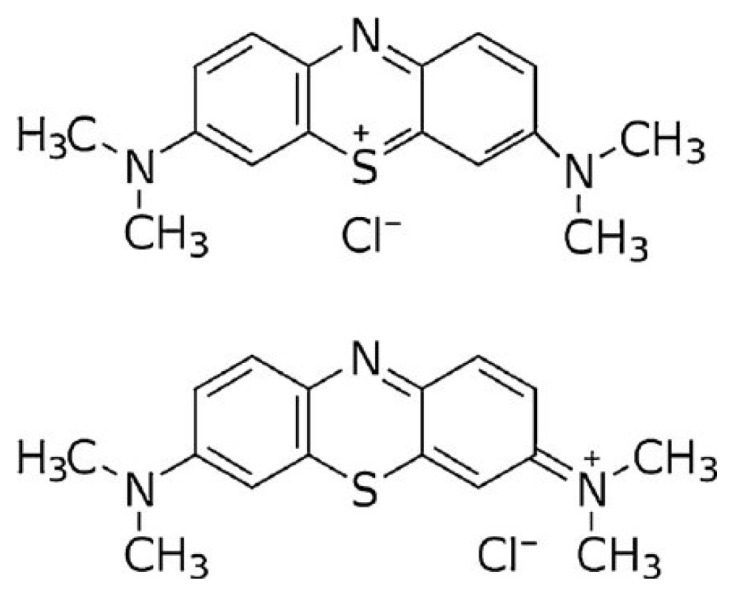 Figure 1
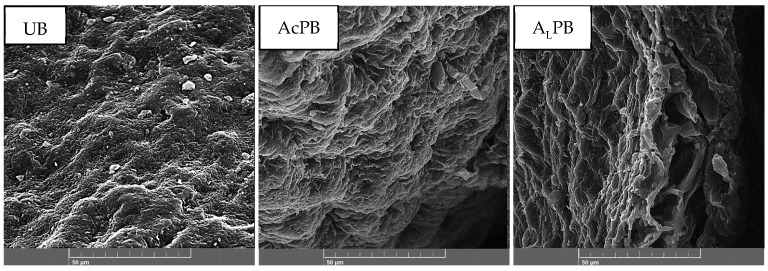 Figure 2
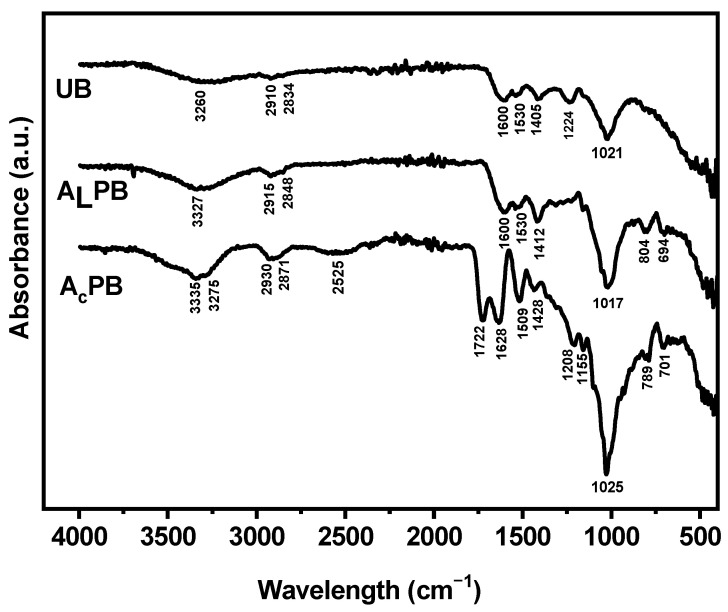 Figure 3
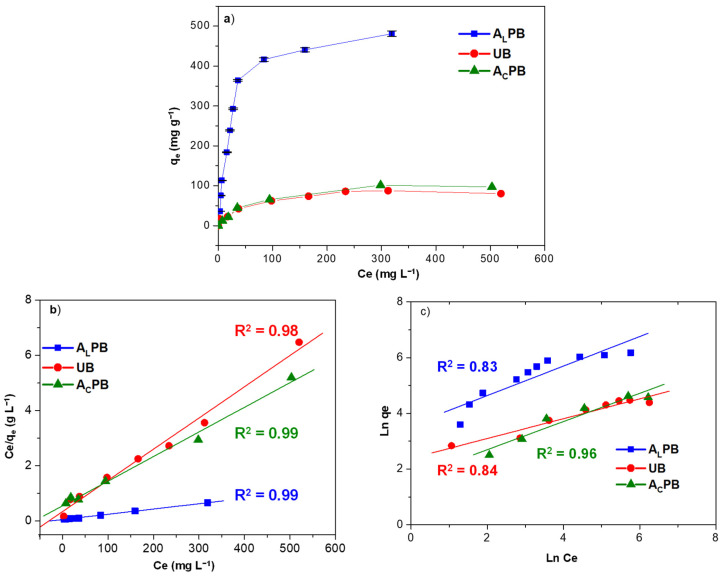 Figure 4
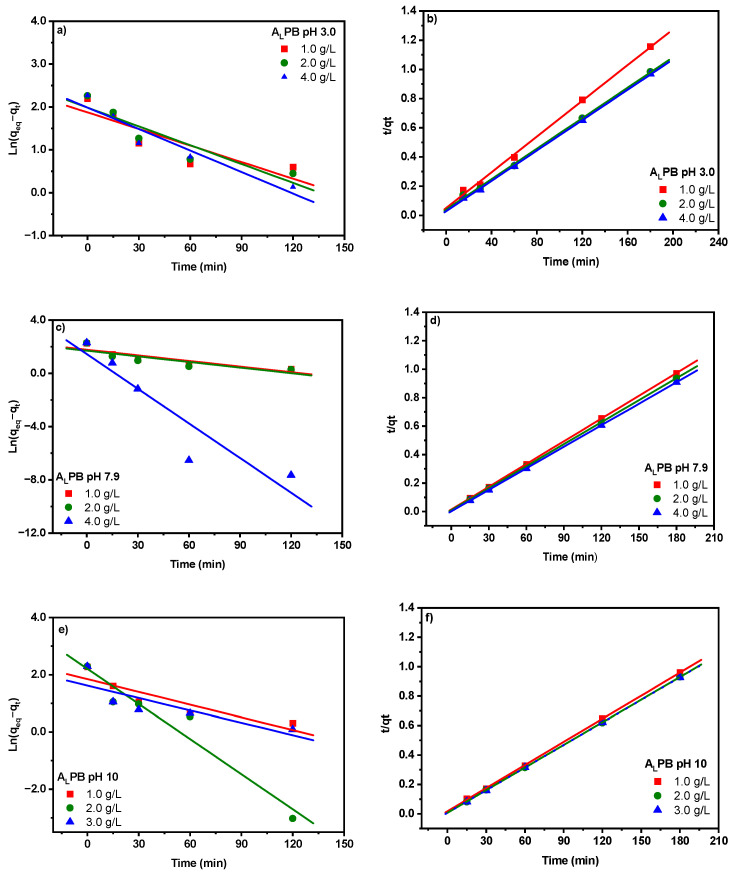 Figure 5
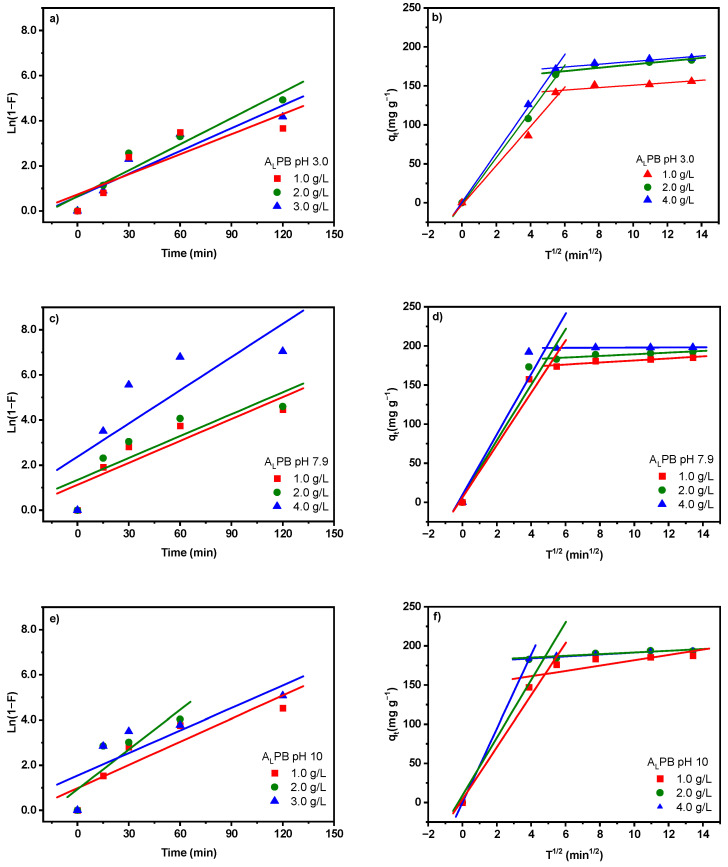 Figure 6
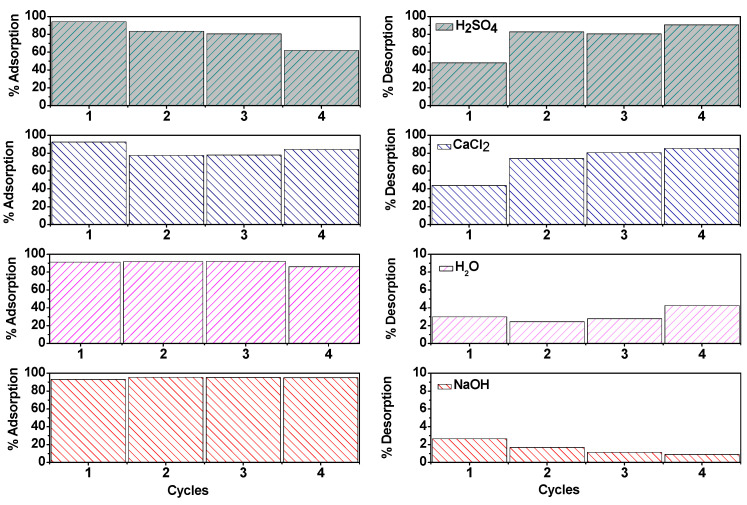 Figure 7
Peer Reviews
No public reviews on file for this paper yet. If you reviewed it on a platform where reviews are public (OpenReview, ICLR, NeurIPS, ICML), you can paste yours below so the community can read it here.
Videos
No videos yet. Explain this paper in a talk, walkthrough, or lecture? Add one.
Taxonomy
TopicsAdsorption and biosorption for pollutant removal · Phosphorus and nutrient management · Nanomaterials for catalytic reactions