SRSF9-Mediated Exon Recognition Promotes Exon 2 Inclusion in Mecp2 Pre-mRNA Alternative Splicing
Saya Oshizuki, So Masaki, Satoshi Tanaka, Naoyuki Kataoka

TL;DR
This study explores how a specific protein, SRSF9, helps include a key part of the Mecp2 gene during protein production, which is important for a neurological disorder called Rett syndrome.
Contribution
The study identifies SRSF9 as a key factor in the inclusion of exon 2 during Mecp2 pre-mRNA splicing.
Findings
Exon 2 in Mecp2 pre-mRNA is efficiently recognized through adjacent strong splice sites.
An exonic splicing enhancer in exon 2 is crucial for its inclusion, likely mediated by SRSF9.
Abstract
Alternative splicing is one of the processes that contributes to producing a vast protein diversity from the limited number of protein-coding genes in higher eukaryotes. The Methyl CpG Binding Protein 2 (Mecp2) gene, whose mutations cause Rett syndrome, generates two protein isoforms, MeCP2E1 and MeCP2E2, by alternative splicing. These isoforms likely possess non-redundant functions. However, the molecular mechanism for Mecp2 pre-mRNA alternative splicing remains to be understood. Here, we analyzed the alternative splicing mechanism of MeCP2 pre-mRNA and found that exon 2 is efficiently recognized through adjacent strong splice sites. In addition, exonic splicing enhancer (ESE) in exon 2 plays an important role in exon 2 inclusion, which is highly likely to be mediated by SRSF9.
Genes, proteins, chemicals, diseases, species, mutations and cell lines named across the full text — each resolved to its canonical identifier and authoritative record.
Click any figure to enlarge with its caption.
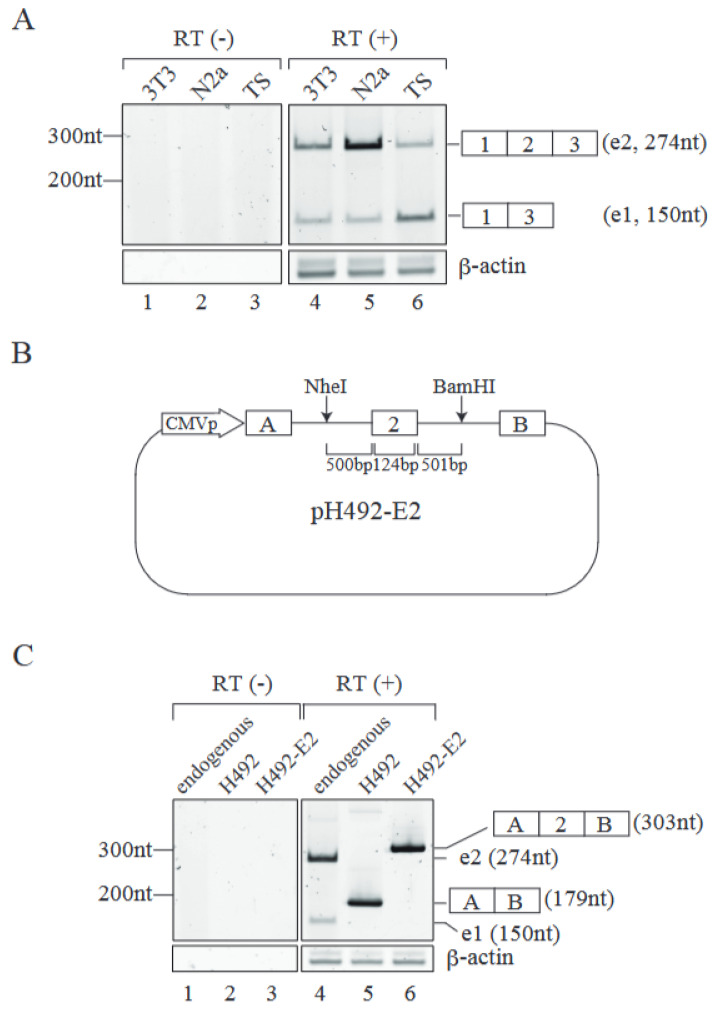 Figure 1
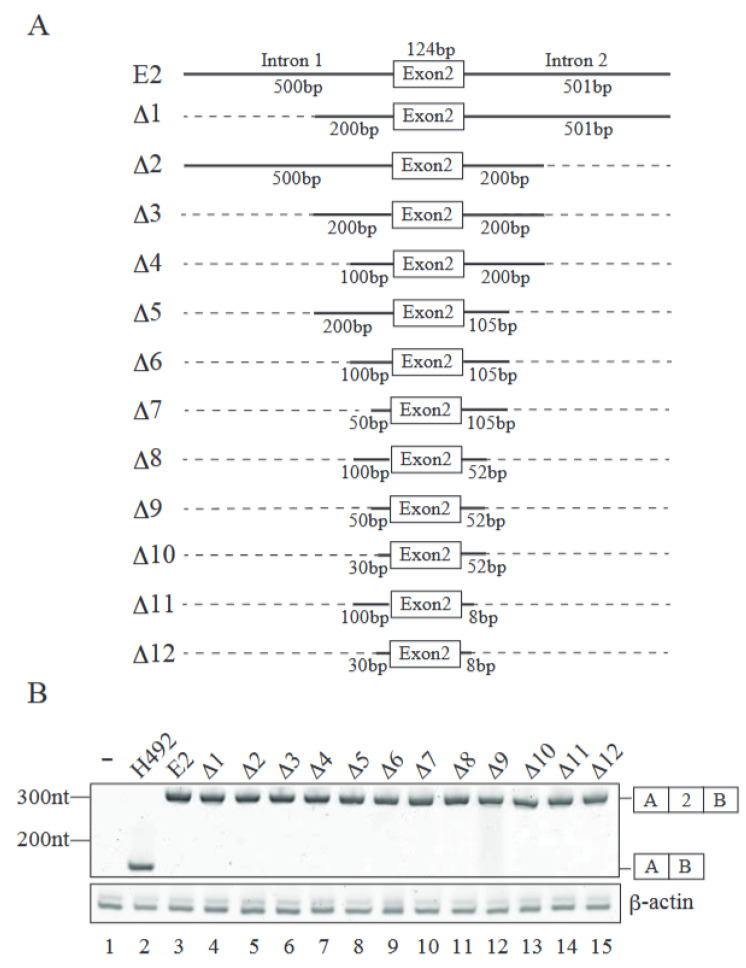 Figure 2
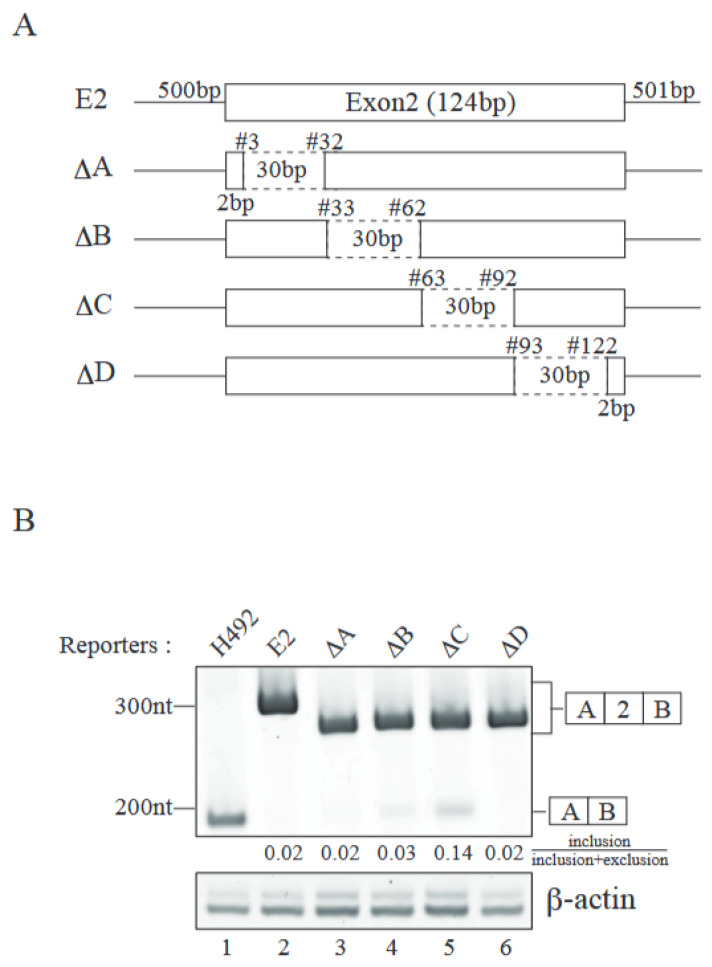 Figure 3
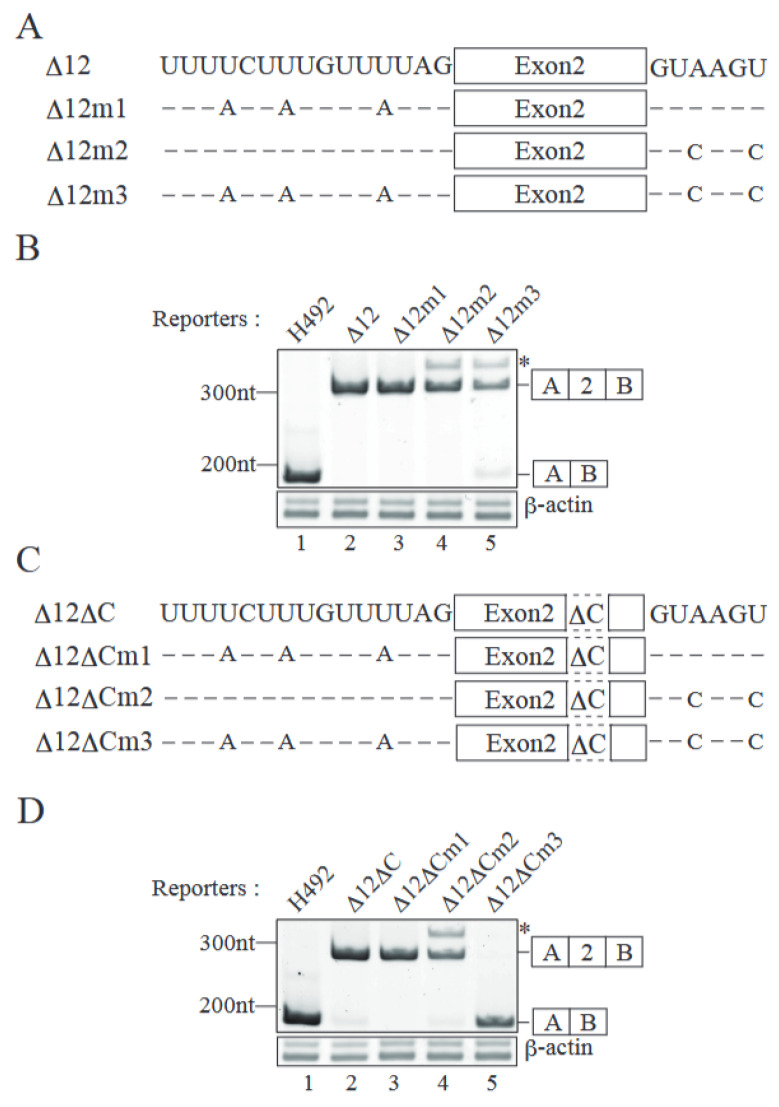 Figure 4
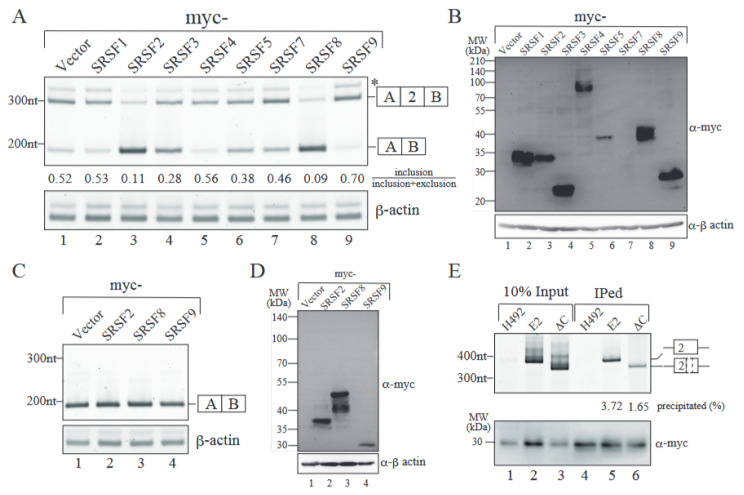 Figure 5
Peer Reviews
No public reviews on file for this paper yet. If you reviewed it on a platform where reviews are public (OpenReview, ICLR, NeurIPS, ICML), you can paste yours below so the community can read it here.
Videos
No videos yet. Explain this paper in a talk, walkthrough, or lecture? Add one.
Taxonomy
TopicsRNA modifications and cancer · Genetics and Neurodevelopmental Disorders · RNA Research and Splicing