Investigating the Impact of Acetabular Dysplasia on Sexual Dysfunction and Psychological Well-Being in Women
Özgür Ağlamış, Selver Kübra Akkaya, Burcu Erol, Seval Yılmaz Ergani

TL;DR
This study finds that acetabular dysplasia in women is linked to higher pain, anxiety, and sexual dysfunction, highlighting the need for targeted treatments.
Contribution
The study establishes a novel connection between acetabular dysplasia and sexual and psychological outcomes in women with pelvic pain.
Findings
AD-positive patients reported significantly higher pain and anxiety levels compared to AD-negative patients.
Sexual satisfaction and orgasmic function were notably impaired in the AD-positive group.
AD-positive patients showed limited hip rotation and higher rates of osteoarthritis and Legg–Calvé–Perthes disease.
Abstract
Background: This study aimed to explore the relationship between acetabular dysplasia (AD), a known risk factor for pelvic floor dysfunction (PFD), and its effects on sexual function and psychological well-being in women. Methods: A cross-sectional study was conducted with 125 female patients experiencing genitopelvic pain and penetrative disorders. Participants were categorized into AD-positive and AD-negative groups based on anteroposterior pelvic radiographs. Sexual function was evaluated using the Golombok–Rust Sexual Satisfaction Inventory (GRISS), while pain and psychological well-being were assessed using the Visual Analog Scale (VAS) and the Beck Depression Inventory (BDI), respectively. Results: Results showed that AD-positive patients had significantly higher pain (VAS: 8.15 ± 1.1, p < 0.001) and anxiety scores (BDI: 12.3 ± 11.0, p < 0.02). Sexual function was notably impaired…
Genes, proteins, chemicals, diseases, species, mutations and cell lines named across the full text — each resolved to its canonical identifier and authoritative record.
Click any figure to enlarge with its caption.
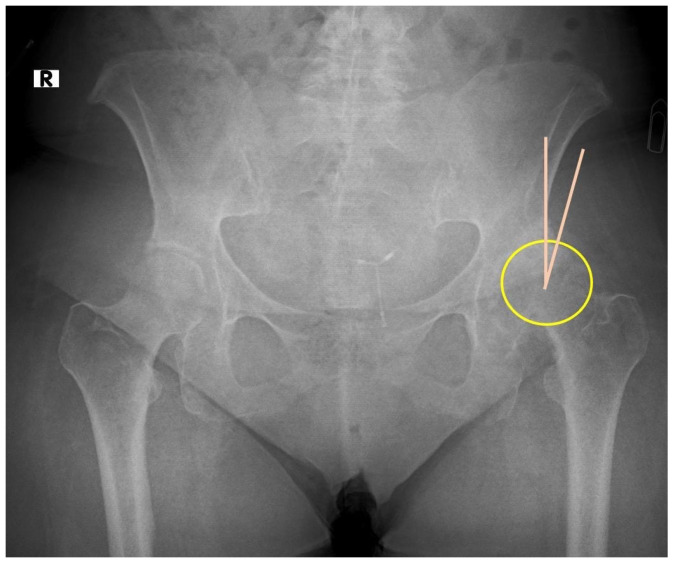 Figure 1
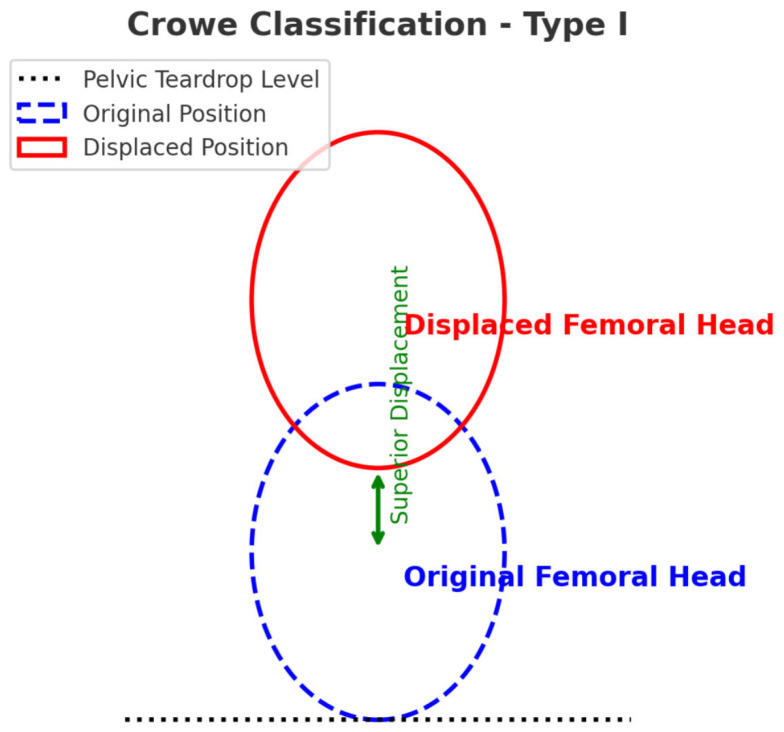 Figure 2
Peer Reviews
No public reviews on file for this paper yet. If you reviewed it on a platform where reviews are public (OpenReview, ICLR, NeurIPS, ICML), you can paste yours below so the community can read it here.
Videos
No videos yet. Explain this paper in a talk, walkthrough, or lecture? Add one.
Taxonomy
TopicsHip disorders and treatments · Hernia repair and management · Pelvic and Acetabular Injuries