Repeated Administrations of Polyphenolic Extracts Prevent Chronic Reflexive and Non-Reflexive Neuropathic Pain Responses by Modulating Gliosis and CCL2-CCR2/CX3CL1-CX3CR1 Signaling in Spinal Cord-Injured Female Mice
Anna Bagó-Mas, Andrea Korimová, Karolína Bretová, Meritxell Deulofeu, Enrique Verdú, Núria Fiol, Petr Dubový, Pere Boadas-Vaello

TL;DR
This study shows that polyphenolic extracts from grape stalks and coffee can prevent chronic neuropathic pain in mice with spinal cord injuries by reducing inflammation and signaling changes in the brain.
Contribution
The study demonstrates that repeated polyphenolic extract treatments prevent both reflexive and non-reflexive chronic pain in spinal cord-injured mice.
Findings
Repeated polyphenolic extract treatments reduced mechanical allodynia and thermal hyperalgesia in spinal cord-injured mice.
The extracts modulated supraspinal gliosis and CCL2/CCR2 and CX3CL1/CX3CR1 signaling in pain-related brain regions.
The results suggest polyphenolic extracts may offer a new strategy to prevent chronic neuropathic pain after spinal cord injury.
Abstract
Neuropathic pain after spinal cord injury lacks any effective treatments, often leading to chronic pain. This study tested whether the daily administration of fully characterized polyphenolic extracts from grape stalks and coffee could prevent both reflexive and non-reflexive chronic neuropathic pain in spinal cord-injured mice by modulating the neuroimmune axis. Female CD1 mice underwent mild spinal cord contusion and received intraperitoneal extracts in weeks one, three, and six post-surgery. Reflexive pain responses were assessed weekly for up to 10 weeks, and non-reflexive pain was evaluated at the study’s end. Neuroimmune crosstalk was investigated, focusing on glial activation and the expression of CCL2/CCR2 and CX3CL1/CX3CR1 in supraspinal pain-related areas, including the periaqueductal gray, rostral ventromedial medulla, anterior cingulate cortex, and amygdala. Repeated…
Genes, proteins, chemicals, diseases, species, mutations and cell lines named across the full text — each resolved to its canonical identifier and authoritative record.
Click any figure to enlarge with its caption.
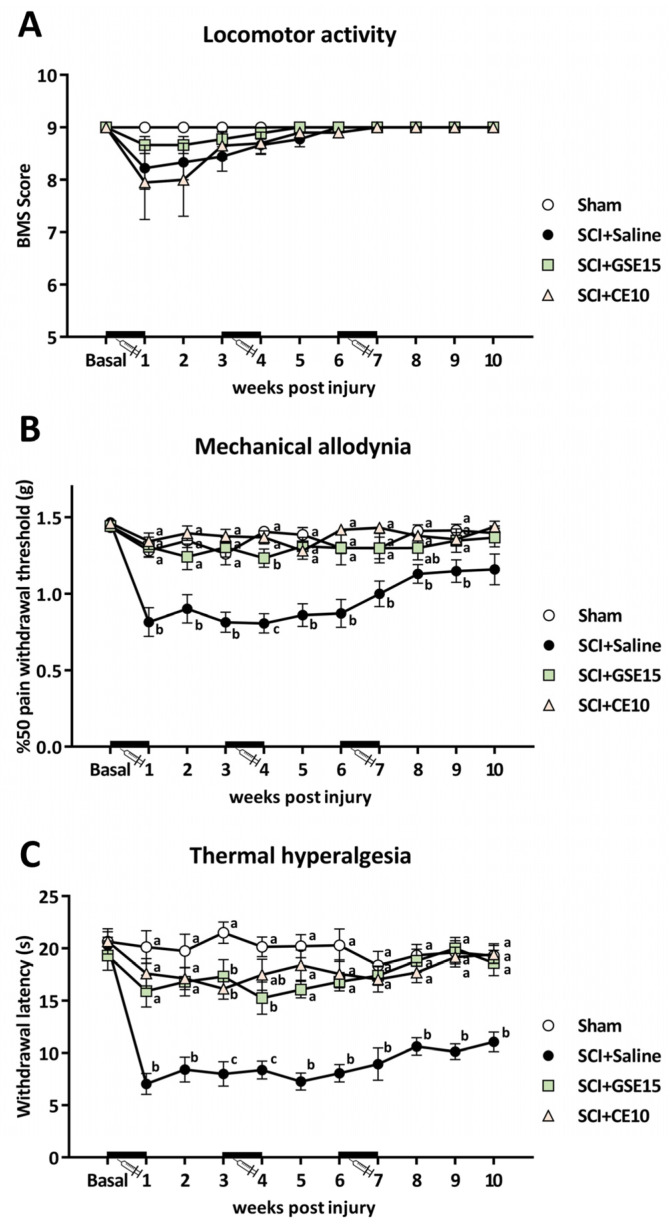 Figure 1
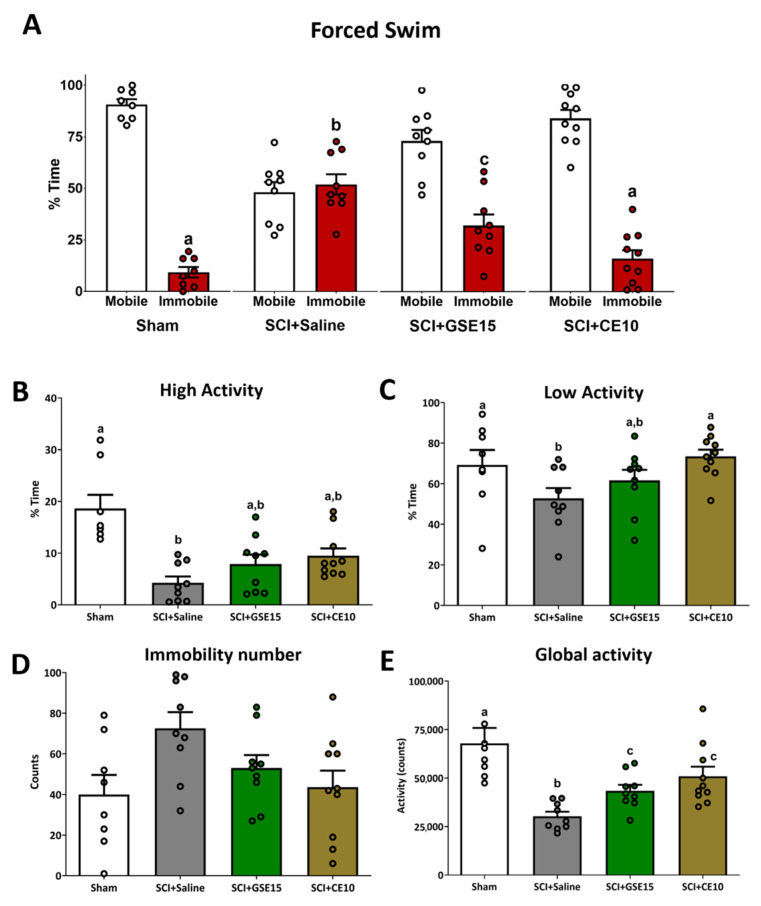 Figure 2
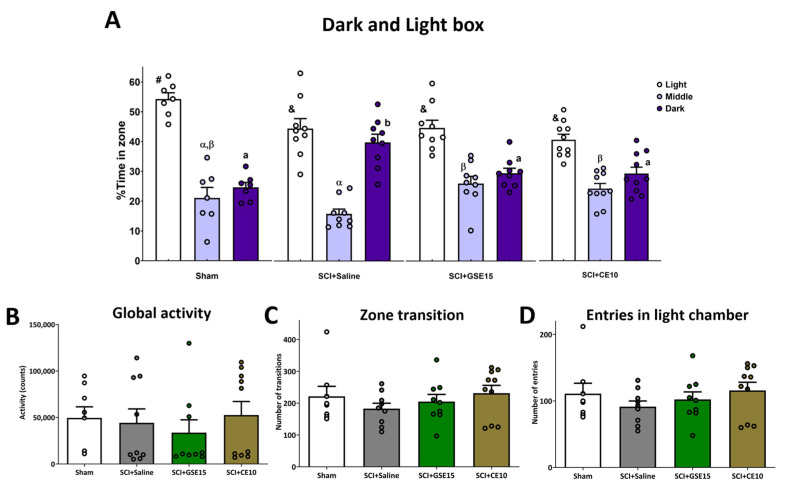 Figure 3
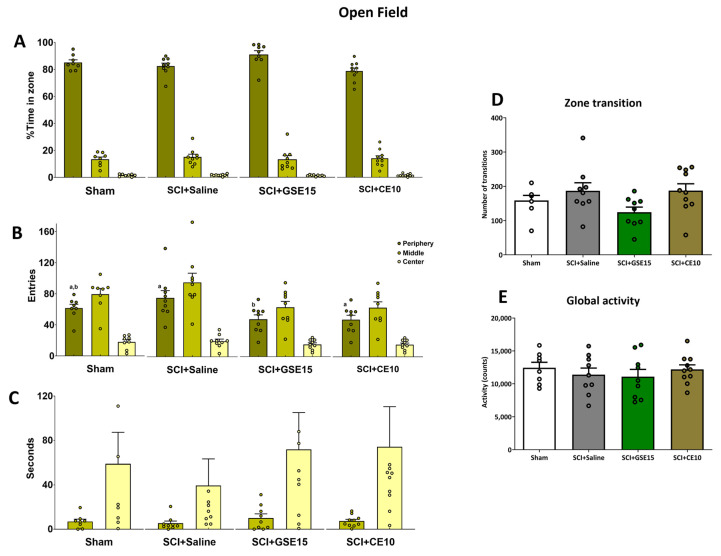 Figure 4
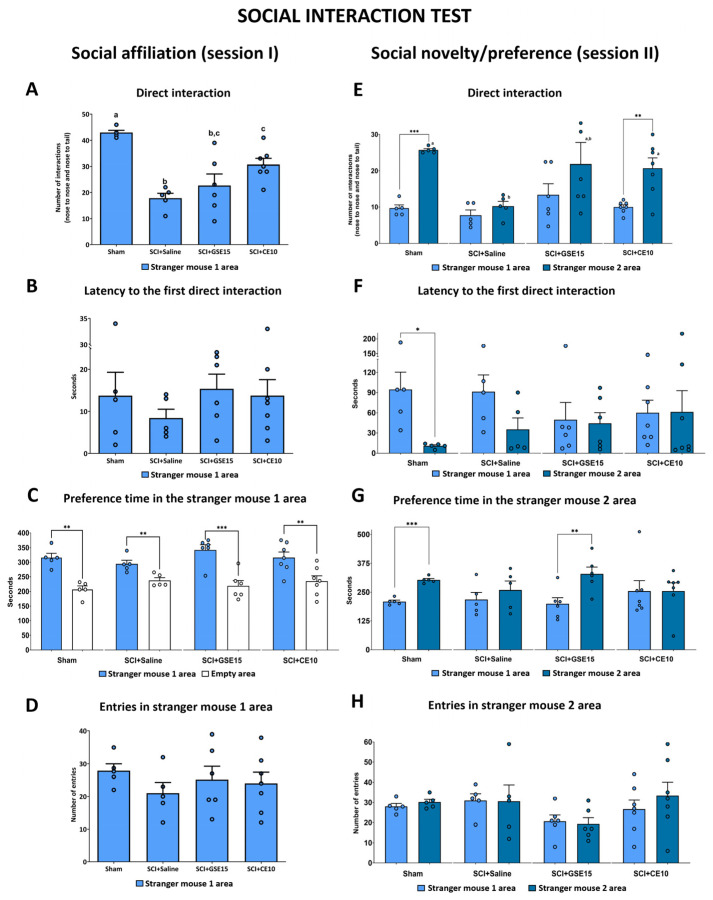 Figure 5
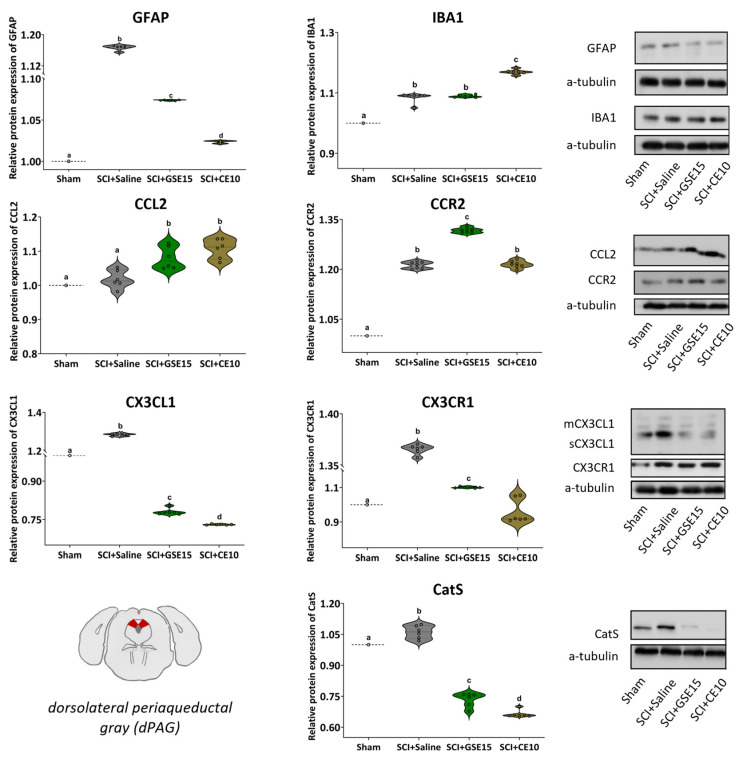 Figure 6
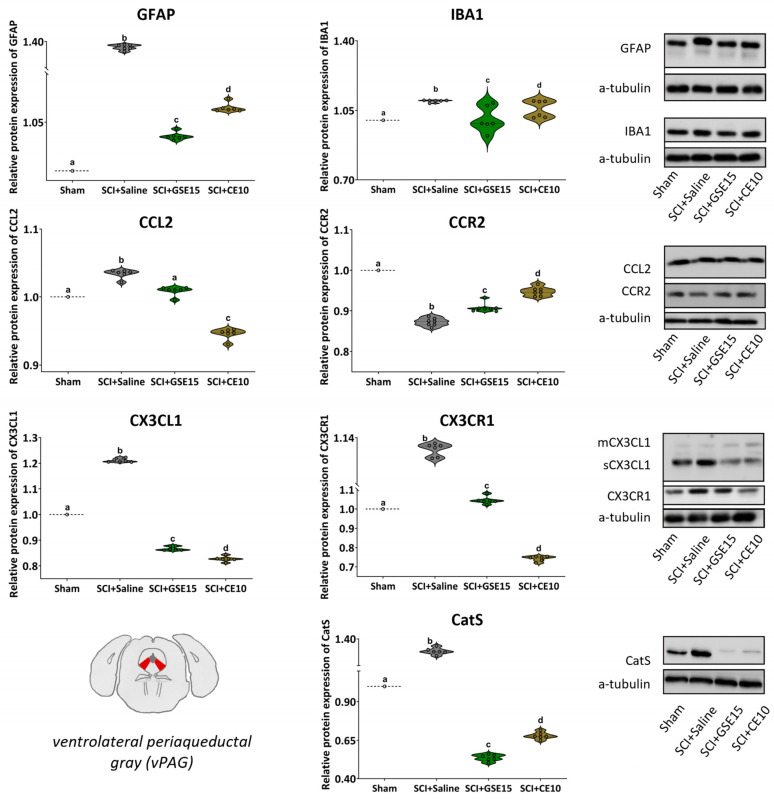 Figure 7
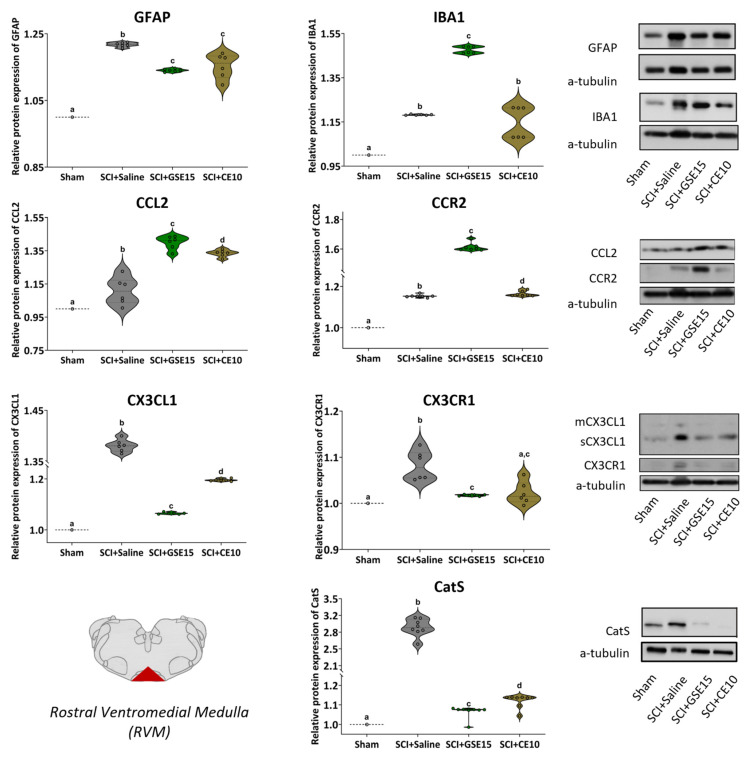 Figure 8
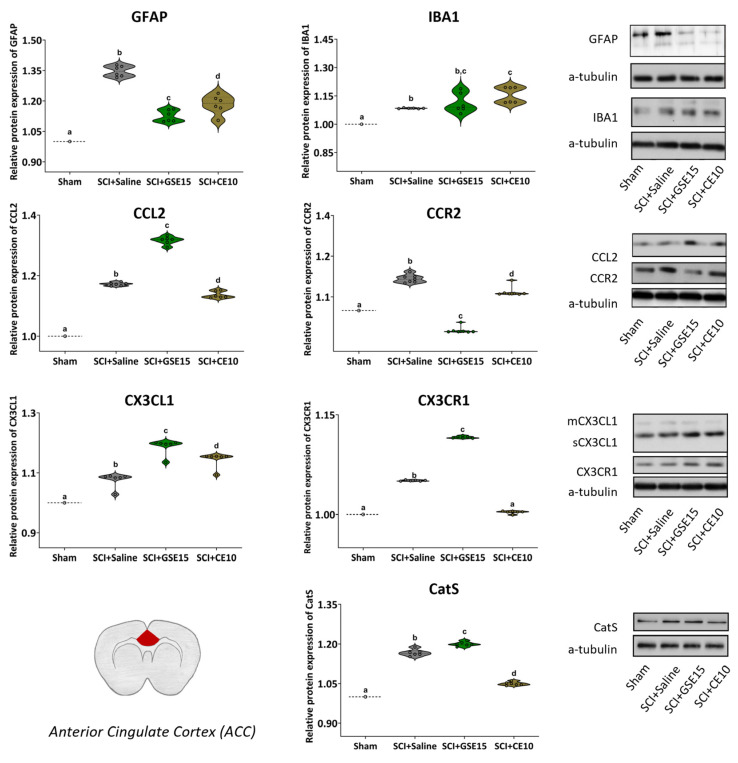 Figure 9
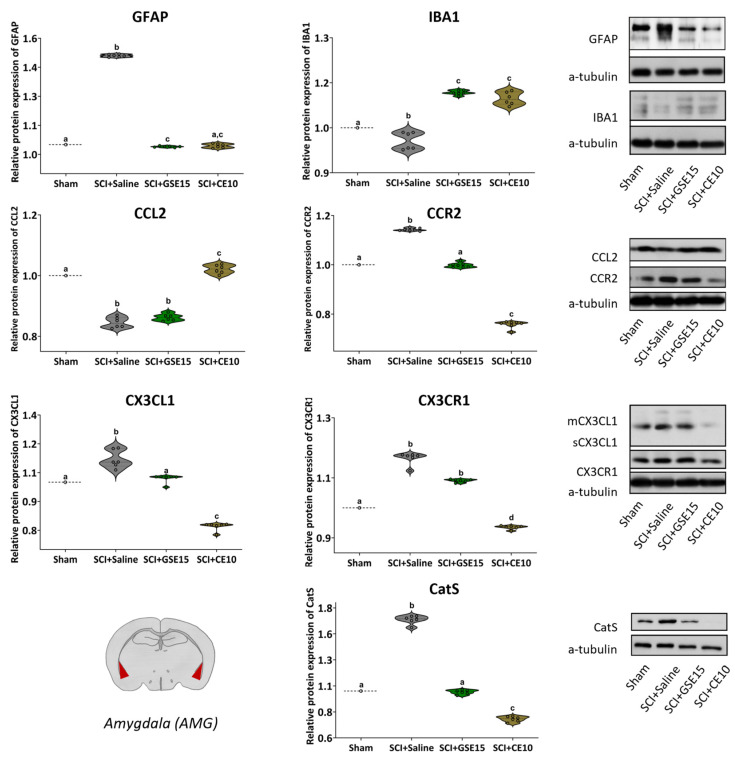 Figure 10
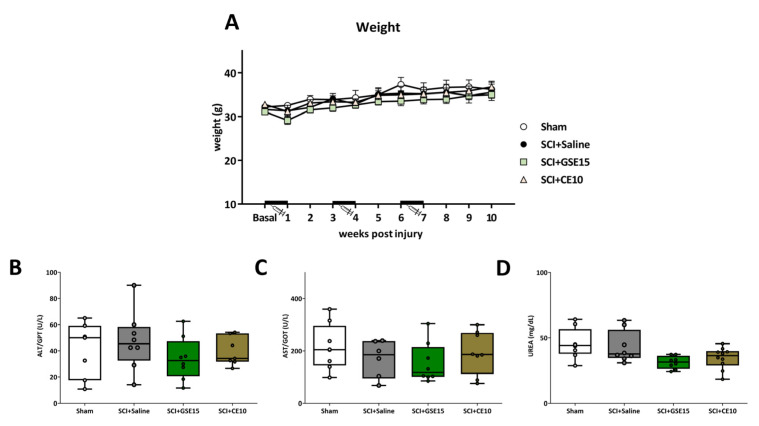 Figure 11
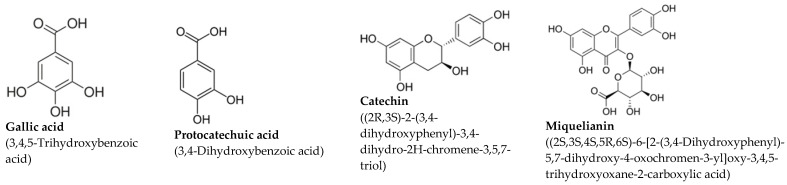 Figure 12
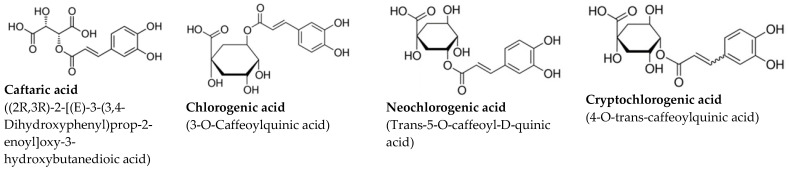 Figure 13
Peer Reviews
No public reviews on file for this paper yet. If you reviewed it on a platform where reviews are public (OpenReview, ICLR, NeurIPS, ICML), you can paste yours below so the community can read it here.
Videos
No videos yet. Explain this paper in a talk, walkthrough, or lecture? Add one.
Taxonomy
TopicsPain Mechanisms and Treatments · Spinal Cord Injury Research · Nerve injury and regeneration