Effect of Sphingomyelin and Vitamin D3 Intake on the Rabbit Brain
Federico Fiorani, Alda Quattrone, Samuela Cataldi, Roberto Maria Pellegrino, Carla Emiliani, Cataldo Arcuri, Alessandra Mirarchi, Giulio Curone, Laura Menchetti, Tommaso Beccari, Claudia Floridi, Martina Mandarano, Gabriele Brecchia, Elisabetta Albi

TL;DR
This study explores how a diet rich in sphingomyelin and vitamin D3 affects rabbit brain structure and function, suggesting potential benefits for brain health and neurodegenerative diseases.
Contribution
The novel contribution is the investigation of combined sphingomyelin and vitamin D3 intake effects on brain lipid remodeling and myelin-related molecules in rabbits.
Findings
A diet enriched with sphingomyelin and vitamin D3 increased immunopositive GFAP staining in rabbit brain white matter.
The diet caused a shift in the balance between glycero-phospholipids and ether-phospholipids in the brain.
Ceramides and hexose ceramides, important for myelin structure and stability, were increased in the brain.
Abstract
Sphingomyelin is a crucial molecule in the sphingolipid metabolic pathway, and its action is closely related to that of vitamin D3. Both molecules are recognized for their involvement in brain pathophysiology. In this study, the effect of a sphingomyelin + vitamin D3-enriched diet was investigated in rabbits. The results showed a strong immunopositive GFAP staining in the brain’s white matter. Furthermore, a remodeling of the balance between glycero-phospholipids and ether-phospholipids was observed in the brain, along with an increase in ceramides and hexose ceramides, molecules relevant for the structure, function, and stability of myelin. Taken together, these findings provide clues as to how the combination sphingomyelin + vitamin D3 may play a vital role in normal brain physiology and could potentially be leveraged in the context of neurodegenerative diseases.
Genes, proteins, chemicals, diseases, species, mutations and cell lines named across the full text — each resolved to its canonical identifier and authoritative record.
Click any figure to enlarge with its caption.
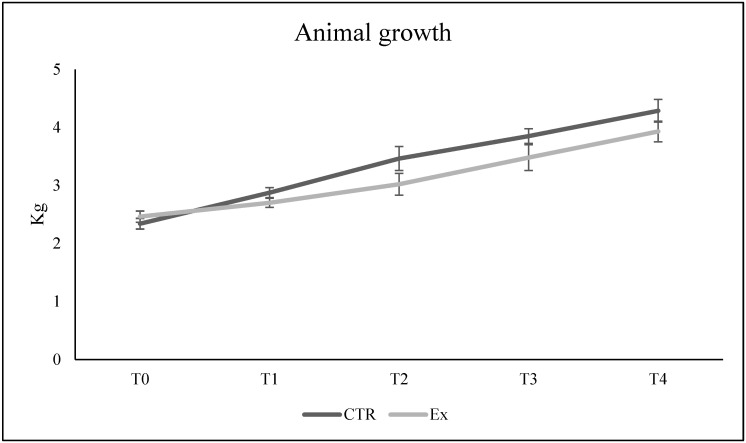 Figure 1
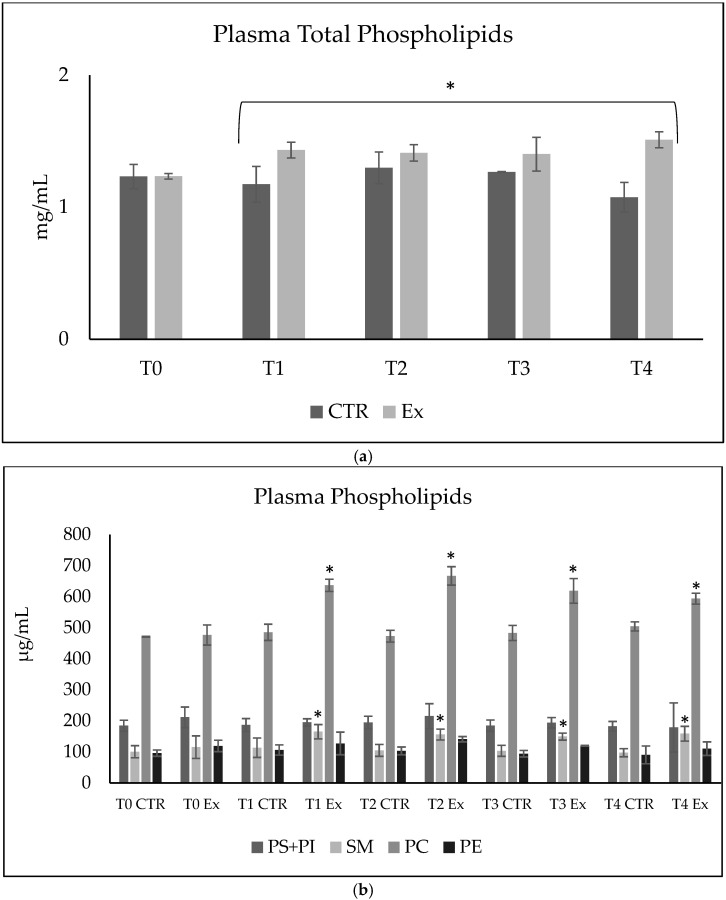 Figure 2
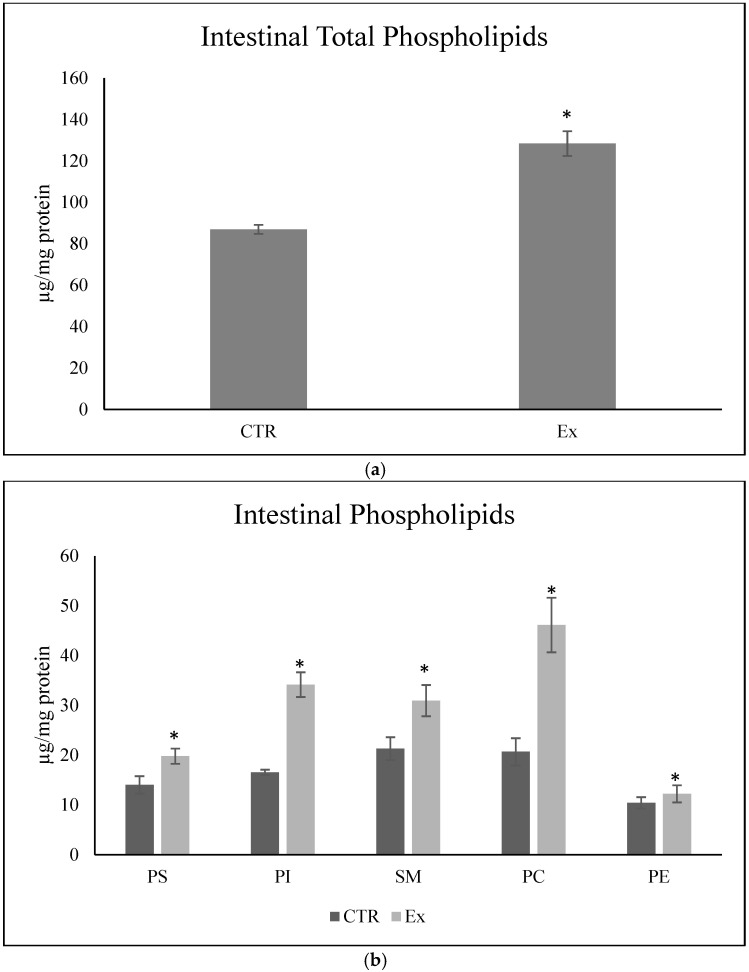 Figure 3
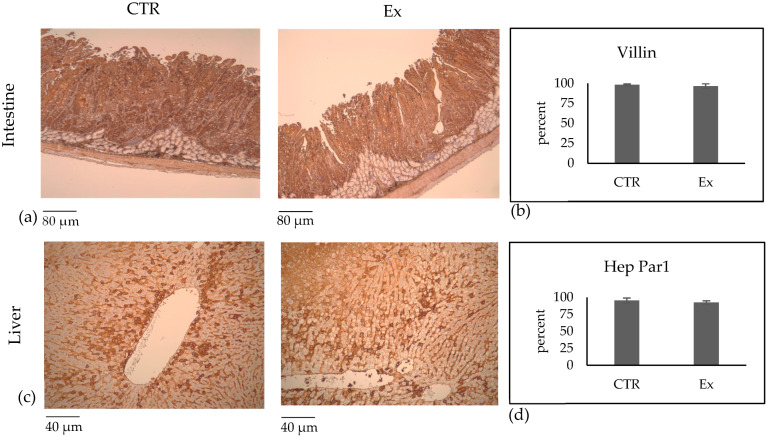 Figure 4
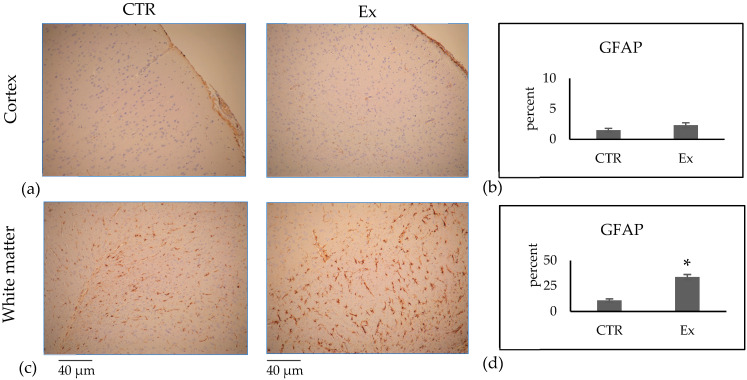 Figure 5
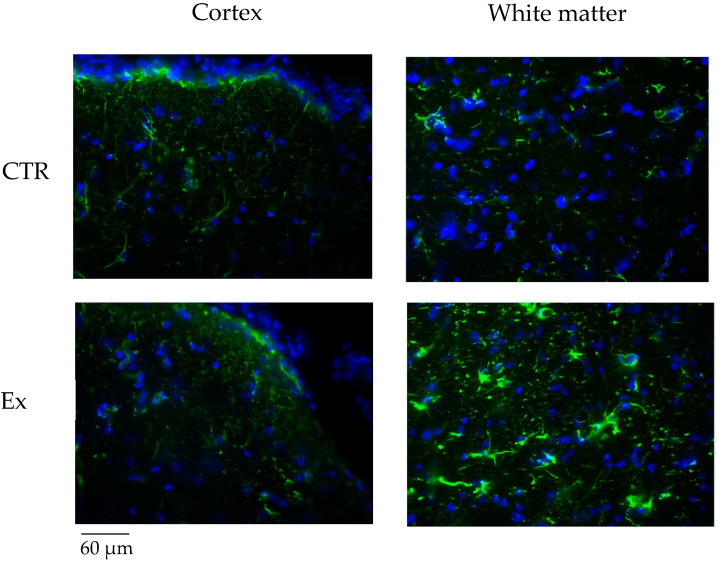 Figure 6
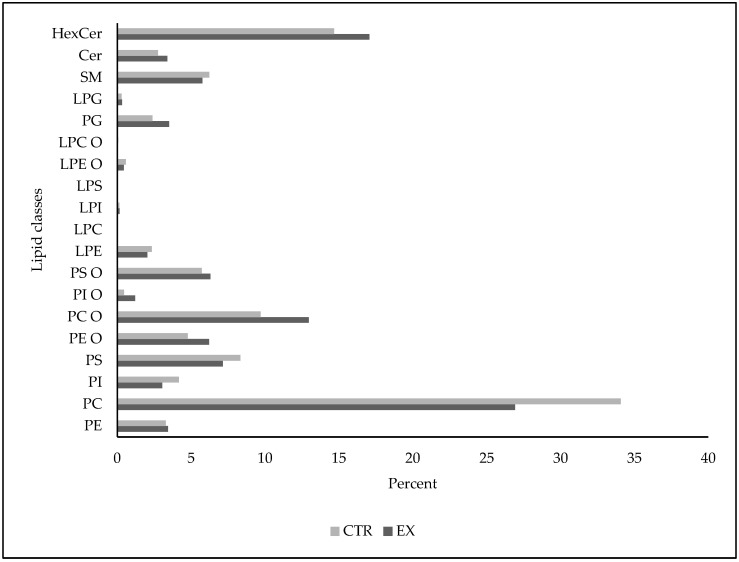 Figure 7
Peer Reviews
No public reviews on file for this paper yet. If you reviewed it on a platform where reviews are public (OpenReview, ICLR, NeurIPS, ICML), you can paste yours below so the community can read it here.
Videos
No videos yet. Explain this paper in a talk, walkthrough, or lecture? Add one.
Taxonomy
TopicsStress Responses and Cortisol · Regulation of Appetite and Obesity · Neuroinflammation and Neurodegeneration Mechanisms