A Genetic Risk Score for Recurrent Miscarriages Based on Polymorphisms in Platelet Glycoproteins and Adhesion Molecules Genes
Nikolaos Vlachadis, Chryssi Christodoulaki, Vassilios Tsamadias, Panagiotis Peitsidis, Nikolaos Machairiotis, Dimos Sioutis, Nikolaos F. Vlahos, Emmanuel Economou, Periklis Panagopoulos

TL;DR
This study shows that a genetic risk score based on four SNPs can predict unexplained recurrent miscarriages, especially in younger women and those with late miscarriages.
Contribution
A novel genetic risk score combining four platelet-related SNPs is proposed for predicting recurrent miscarriages.
Findings
Each additional polymorphic gene increased miscarriage risk with an odds ratio of 2.2.
The genetic risk score showed improved performance in younger patients with an AUC of 0.839.
Late miscarriage cases had a GRS AUC of 0.742 and an odds ratio of 3.6 per SNP.
Abstract
Background/Objectives: The objective of the study was to explore the combined effect of polymorphisms in the platelet glycoproteins Ia (GpIa) and IIIa (GpIIIa), along with the platelet-endothelial cell adhesion molecule-1 (PECAM-1) and P-Selectin genes, on the risk of recurrent pregnancy loss. Methods: This study involved 162 women with primary unexplained recurrent miscarriages and 60 fertile controls who had at least one uncomplicated full-term pregnancy without experiencing fetal loss. All participants were of Greek origin and were genotyped for four single nucleotide polymorphisms (SNPs), GpIa-C807T, GpIIIa-PlA1/PlA2, PECAM-1-C373G, and P-Selectin-A37674C, using pyrosequencing. A genetic risk score (GRS) was calculated in two forms: one based on the number of SNPs (dominant model) and the other based on the number of polymorphic alleles (additive model), utilizing logistic…
Genes, proteins, chemicals, diseases, species, mutations and cell lines named across the full text — each resolved to its canonical identifier and authoritative record.
Click any figure to enlarge with its caption.
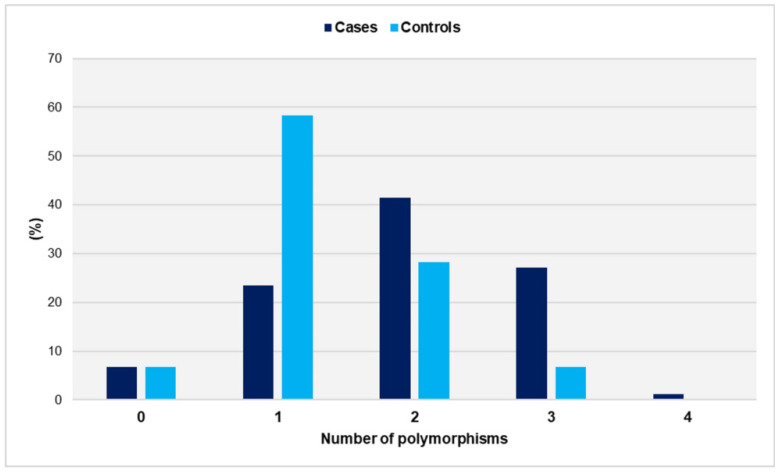 Figure 1
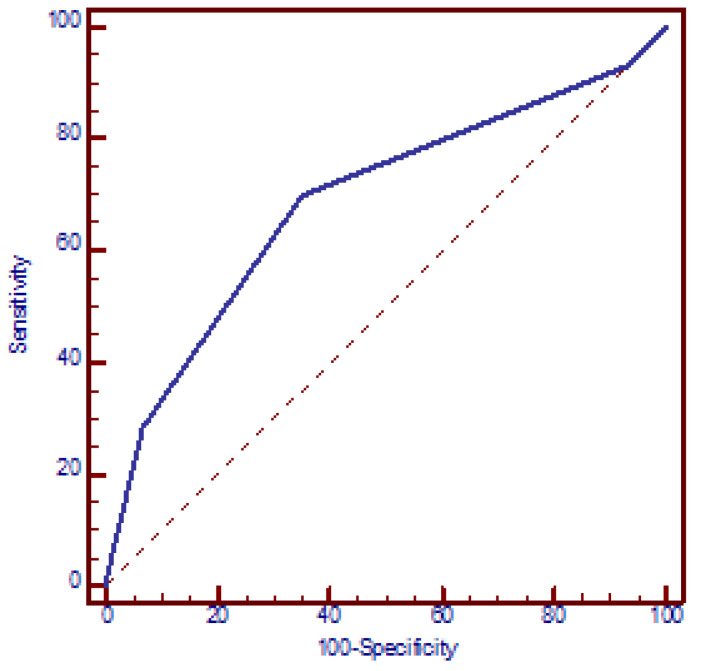 Figure 2
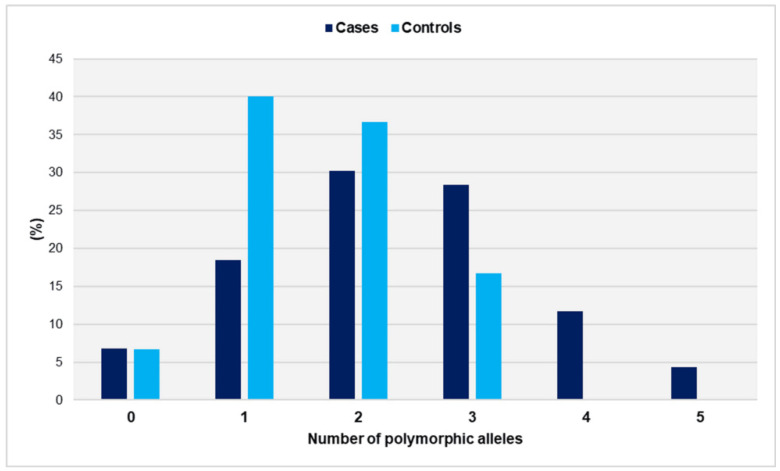 Figure 3
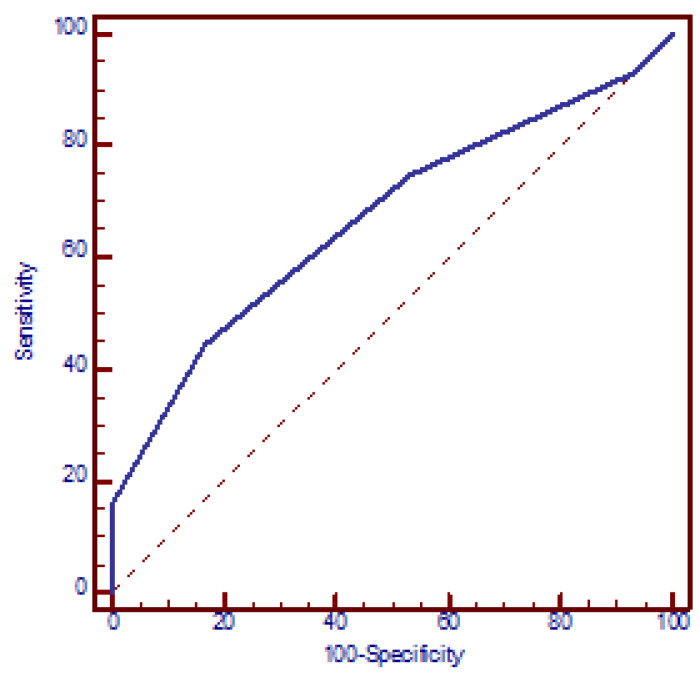 Figure 4
Peer Reviews
No public reviews on file for this paper yet. If you reviewed it on a platform where reviews are public (OpenReview, ICLR, NeurIPS, ICML), you can paste yours below so the community can read it here.
Videos
No videos yet. Explain this paper in a talk, walkthrough, or lecture? Add one.
Taxonomy
TopicsReproductive System and Pregnancy · Pregnancy and preeclampsia studies · Ovarian function and disorders