Ex Vivo Plasma Application on Human Brain Microvascular Endothelial-like Cells for Blood–Brain Barrier Modeling
Sophie-Charlotte Nelz, Elisabeth Lück, Anne Schölzel, Martin Sauer, Jacqueline Heskamp, Sandra Doss

TL;DR
This study shows that heparin-anticoagulated plasma supports the function of brain endothelial-like cells, improving in vitro blood-brain barrier models for research.
Contribution
The study demonstrates that heparin-anticoagulated plasma enhances the barrier function of hiPSC-derived endothelial-like cells without affecting viability.
Findings
Heparin-anticoagulated plasma did not significantly alter cell viability parameters compared to medium.
Heparin plasmas improved barrier function and induced a von Willebrand factor signal in endothelial-like cells.
Continuous TEER measurements confirmed the positive impact of sodium-heparin plasma on barrier function in a triple-culture model.
Abstract
hiPSC-derived blood–brain barrier (BBB) models are valuable for pharmacological and physiological studies, yet their translational potential is limited due to insufficient cell phenotypes and the neglection of the complex environment of the BBB. This study evaluates the plasma compatibility with hiPSC-derived microvascular endothelial-like cells to enhance the translational potential of in vitro BBB models. Therefore, plasma samples (sodium/lithium heparin, citrate, EDTA) and serum from healthy donors were tested on hiPSC-derived microvascular endothelial-like cells at concentrations of 100%, 75%, and 50%. After 24 h, cell viability parameters were assessed. The impact of heparin-anticoagulated plasmas was further evaluated regarding barrier function and endothelial phenotype of differentiated endothelial-like cells. Finally, sodium-heparin plasma was tested in an isogenic…
Genes, proteins, chemicals, diseases, species, mutations and cell lines named across the full text — each resolved to its canonical identifier and authoritative record.
Click any figure to enlarge with its caption.
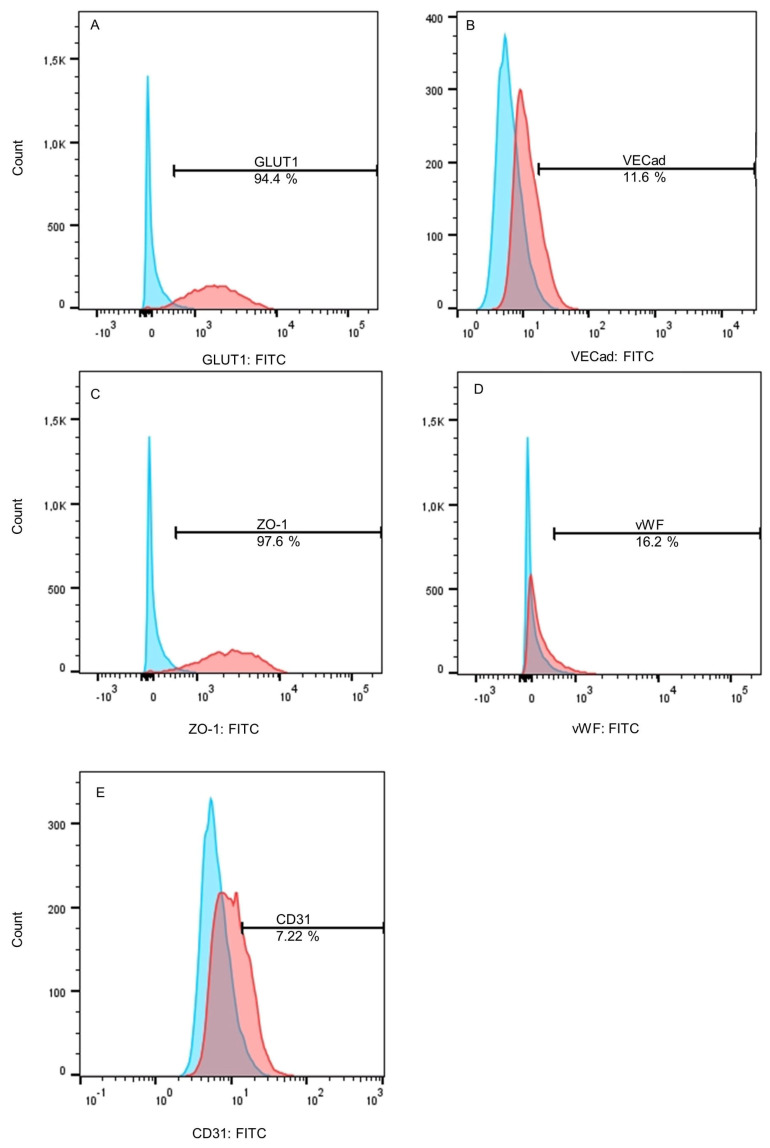 Figure 1
 Figure 2
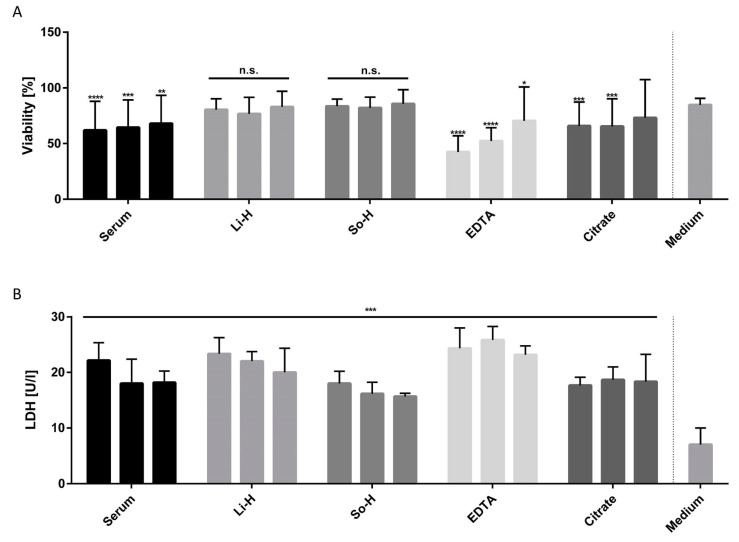 Figure 3
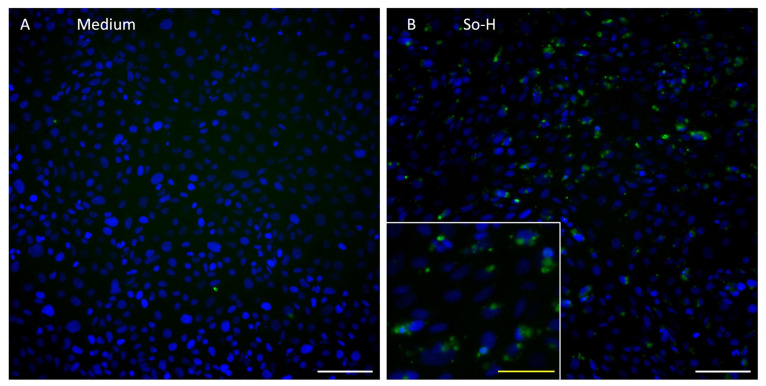 Figure 4
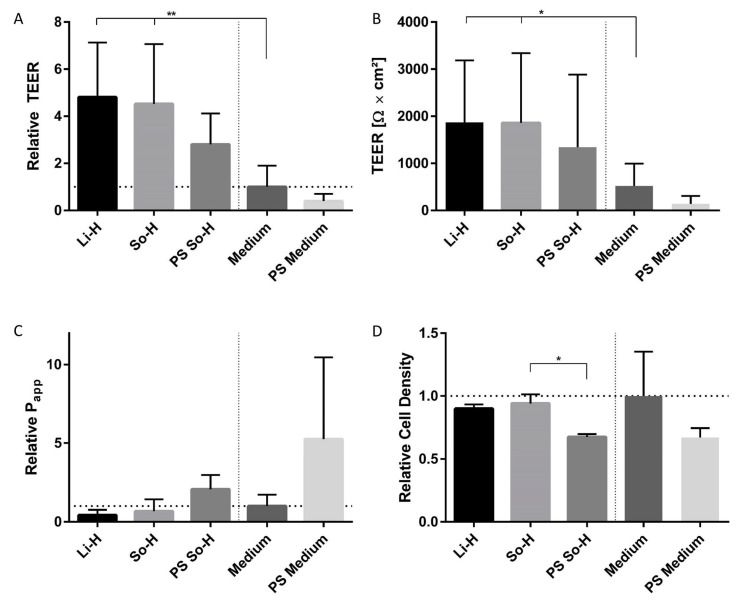 Figure 5
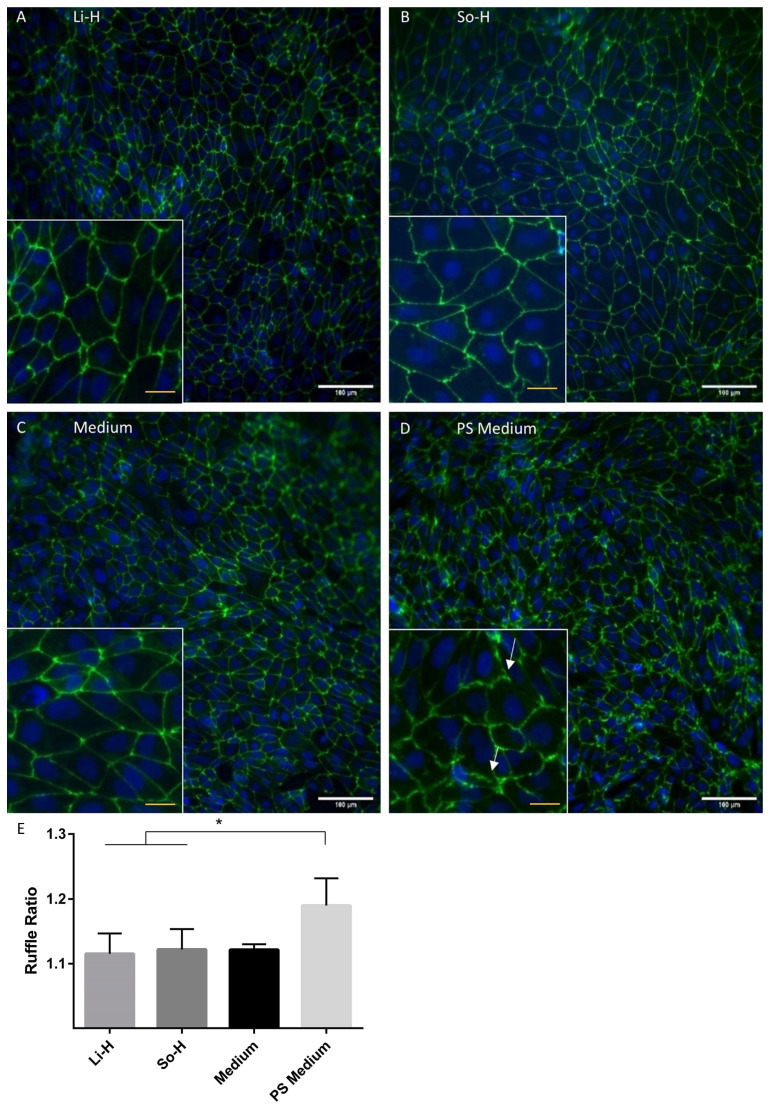 Figure 6
 Figure 7
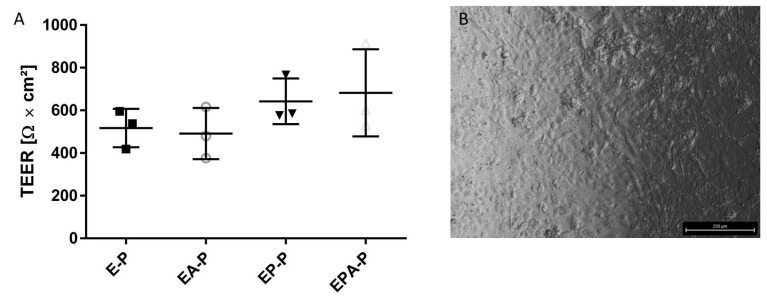 Figure 8
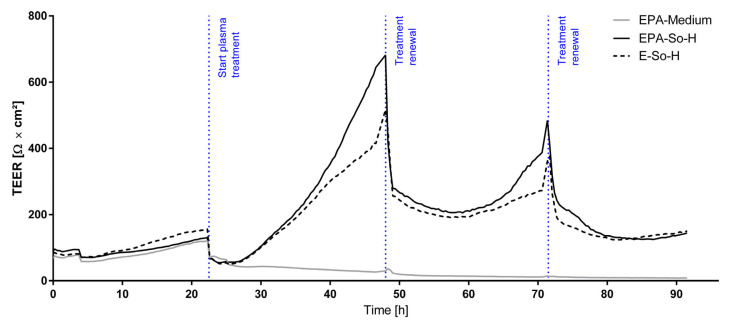 Figure 9
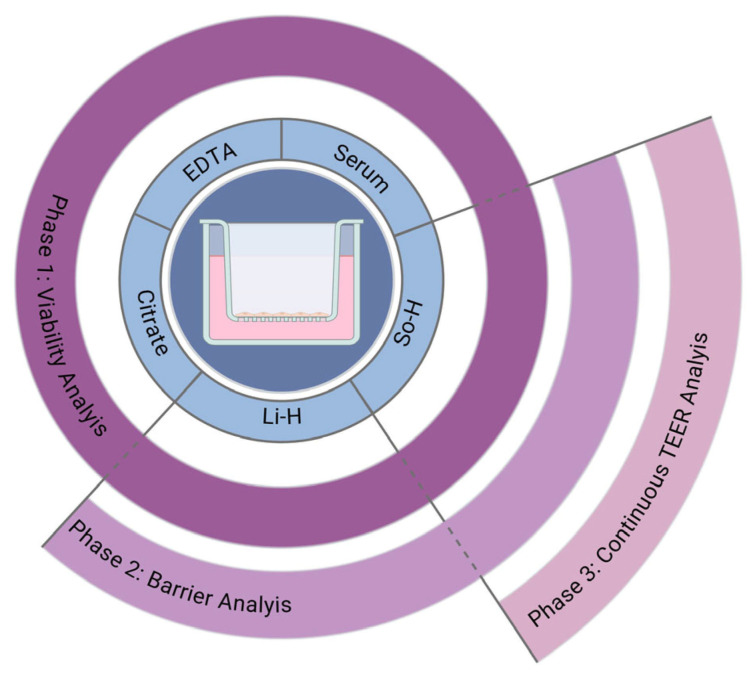 Figure 10
Peer Reviews
No public reviews on file for this paper yet. If you reviewed it on a platform where reviews are public (OpenReview, ICLR, NeurIPS, ICML), you can paste yours below so the community can read it here.
Videos
No videos yet. Explain this paper in a talk, walkthrough, or lecture? Add one.
Taxonomy
TopicsBarrier Structure and Function Studies · Connexins and lens biology · Neurological Disease Mechanisms and Treatments