Effects of Exogenous Phenolic Acids on Haustorium Induction of Cistanche deserticola Seeds Based on Host Metabolome Data
Shixin Tan, Xiuli He, Ru Feng, Liang Shen, Qingyun Pang, Rong Xu, Sai Liu, Changqing Xu

TL;DR
This study identifies specific phenolic acids from host plant roots that trigger seed germination and haustorium formation in the parasitic plant Cistanche deserticola.
Contribution
The study identifies specific phenolic acids that enhance Cistanche deserticola productivity and establishes a framework for host–parasite interaction research.
Findings
Syringic acid, vanillic acid, and vanillin most effectively promote haustorium induction in Cistanche deserticola seeds.
Vanillic acid at 10 μmol/L achieved the highest haustorium induction rate of 50.2%.
Phenolic acids in host roots stimulate haustorium formation with varying optimal concentrations.
Abstract
Cistanche deserticola, a holoparasitic plant widely used in traditional Chinese medicine, relies on chemical signals from its host plant, Haloxylon ammodendron, to initiate seed germination and haustorium induction. This study employed UPLC-MS/MS to analyze the root metabolites of H. ammodendron. The results showed that 11 substances such as phenolic acids, flavonoids, and alkaloids were mainly contained in the roots of H. ammodendron, among which phenolic acids accounted for the largest proportion, accounting for 18.00% in winter samples and 16.11% in autumn samples. Based on the reported exogenous substances that promote haustorium induction in C. deserticola and the differential metabolites in H. ammodendron roots, we selected seven exogenous signaling substances: 2,6-dimethoxy-1,4-benzoquinone, resorcinol, ferulic acid, syringic acid, vanillic acid, vanillin, and pelargonidin.…
Genes, proteins, chemicals, diseases, species, mutations and cell lines named across the full text — each resolved to its canonical identifier and authoritative record.
Click any figure to enlarge with its caption.
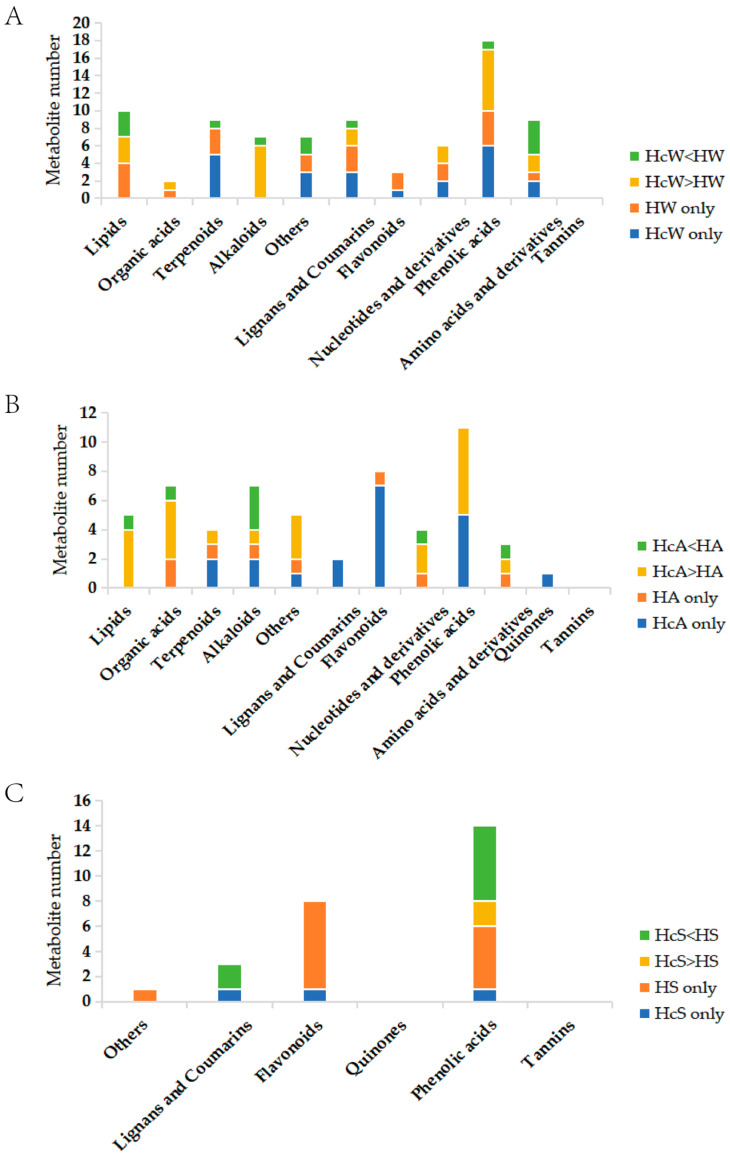 Figure 1
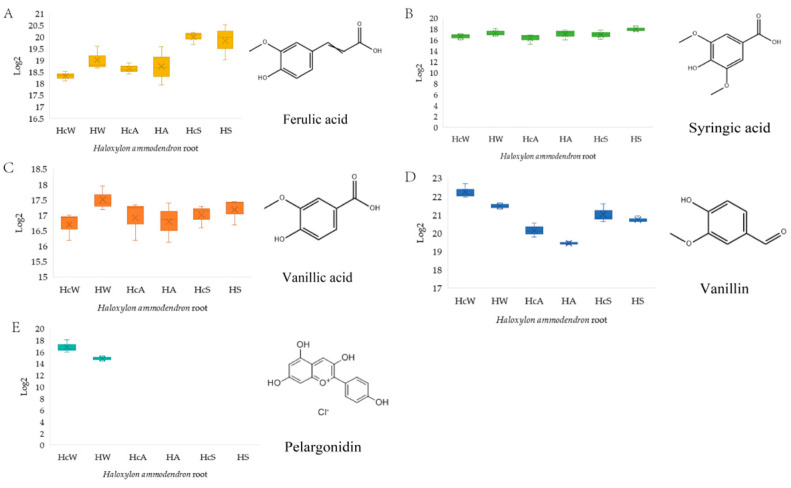 Figure 2
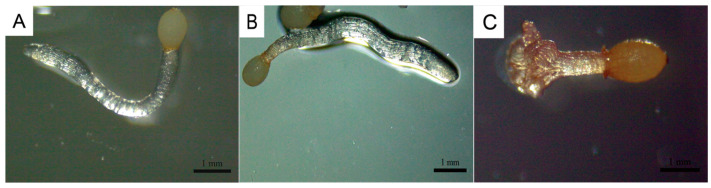 Figure 3
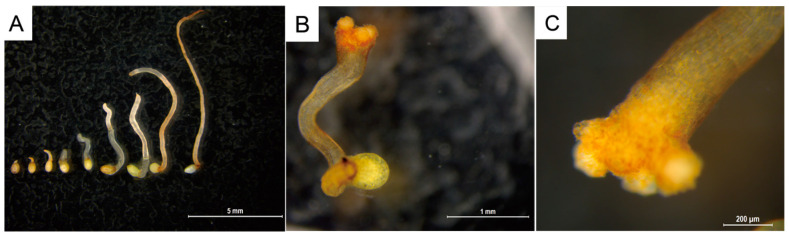 Figure 4
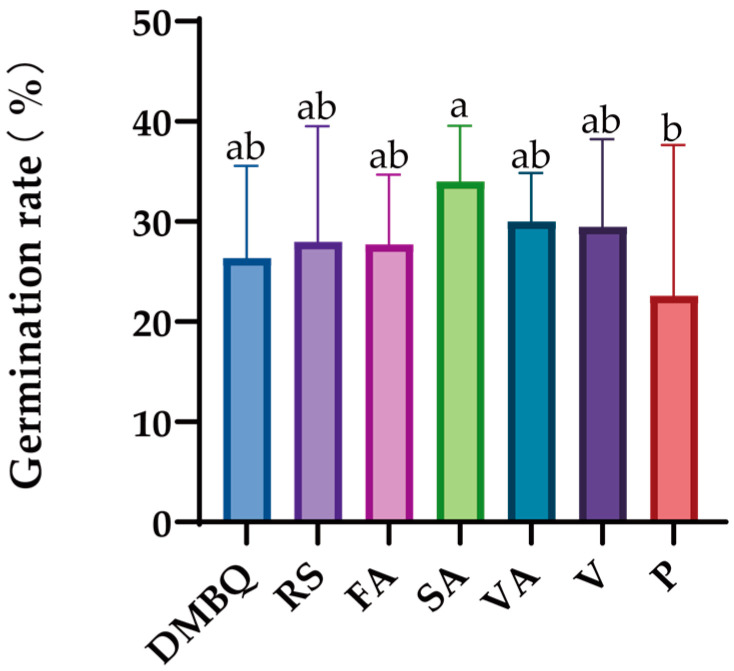 Figure 5
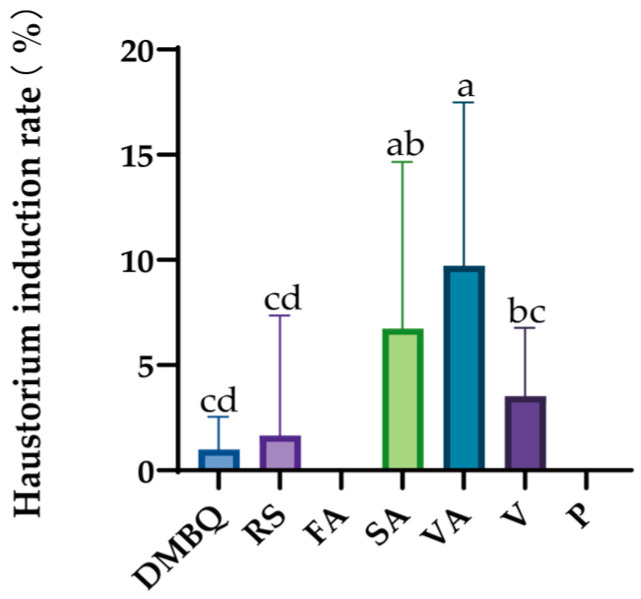 Figure 6
 Figure 7
 Figure 8
 Figure 9
 Figure 10
Peer Reviews
No public reviews on file for this paper yet. If you reviewed it on a platform where reviews are public (OpenReview, ICLR, NeurIPS, ICML), you can paste yours below so the community can read it here.
Videos
No videos yet. Explain this paper in a talk, walkthrough, or lecture? Add one.
Taxonomy
TopicsPlant Parasitism and Resistance · Plant Molecular Biology Research · Plant and animal studies