Friction and Wear of Tungsten Carbide Dies in the Dry Drawing of Steel Wire
Maciej Suliga, Piotr Szota, Joanna Kulasa, Anna Brudny, Marek Burdek

TL;DR
This paper studies how tungsten carbide dies wear during steel wire drawing, showing that high friction and stress lead to surface damage and cracking.
Contribution
The study reveals the relationship between friction coefficient and die wear, and how stress distribution causes mechanical damage.
Findings
High roughness, scratches, and blurs are observed on the working surface of drawing dies.
Premature wear occurs due to high pressures, mechanical damage, and steel sticking during the drawing process.
Longitudinal tensile stresses increase the risk of circumferential cracking in drawing dies.
Abstract
This paper presents an analysis of the wear of the surface layer of drawing dies after the steel wire drawing process. It was shown that the working surface of the drawing die is characterized by high roughness combined with the occurrence of numerous scratches and blurs. As a result of high pressures in the deformation zone, premature wear of drawing dies combined with mechanical damage and the sticking of steel on the drawing surfaces can occur during the industrial drawing process. The finite element method analysis showed a significant relationship between the friction coefficient and the rate of drawing die wear. The varying distribution of stresses in the drawing die during the drawing process can contribute to mechanical damage. Longitudinal tensile stresses at the wire’s entrance to the drawing die increase the risk of circumferential cracking of drawing dies.
Genes, proteins, chemicals, diseases, species, mutations and cell lines named across the full text — each resolved to its canonical identifier and authoritative record.
Click any figure to enlarge with its caption.
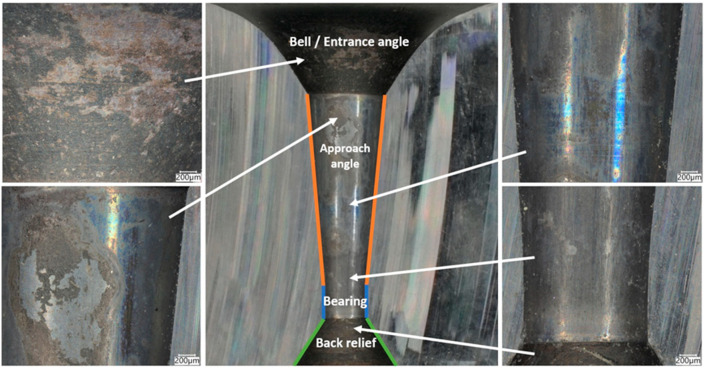 Figure 1
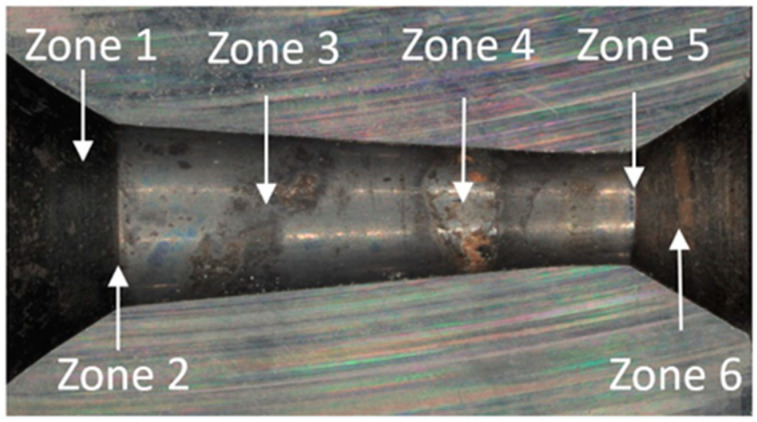 Figure 2
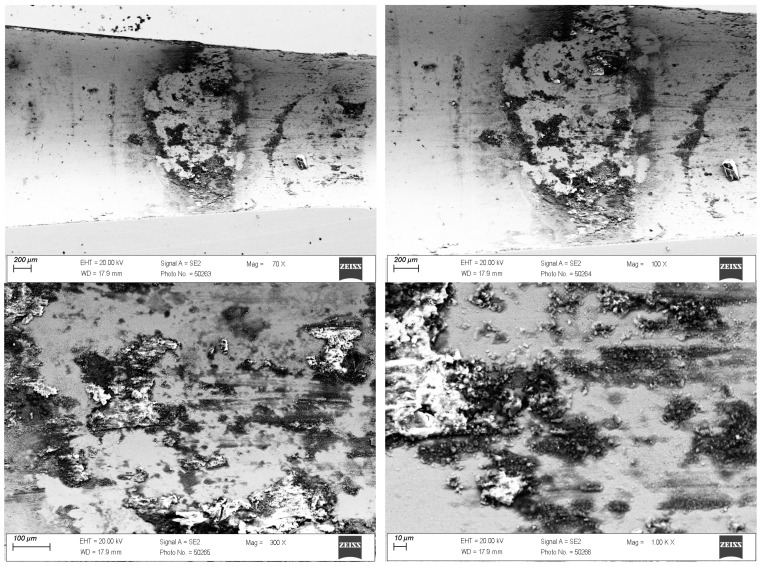 Figure 3
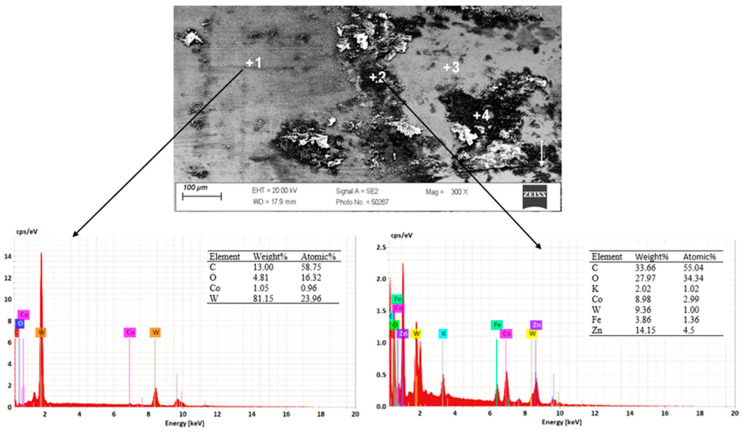 Figure 4
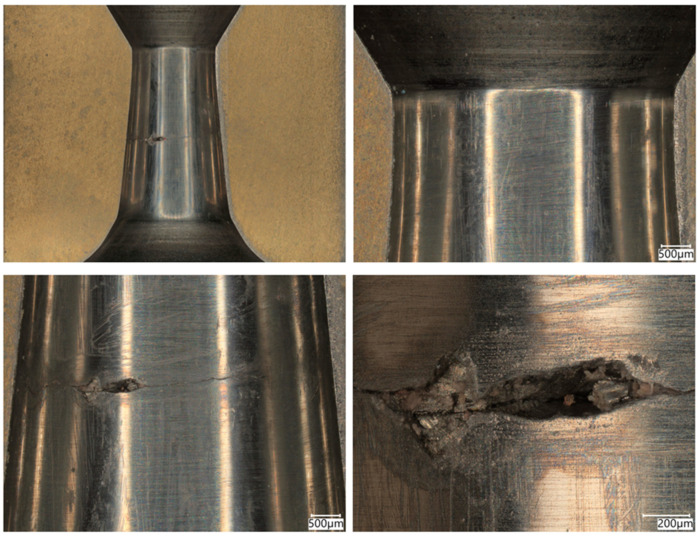 Figure 5
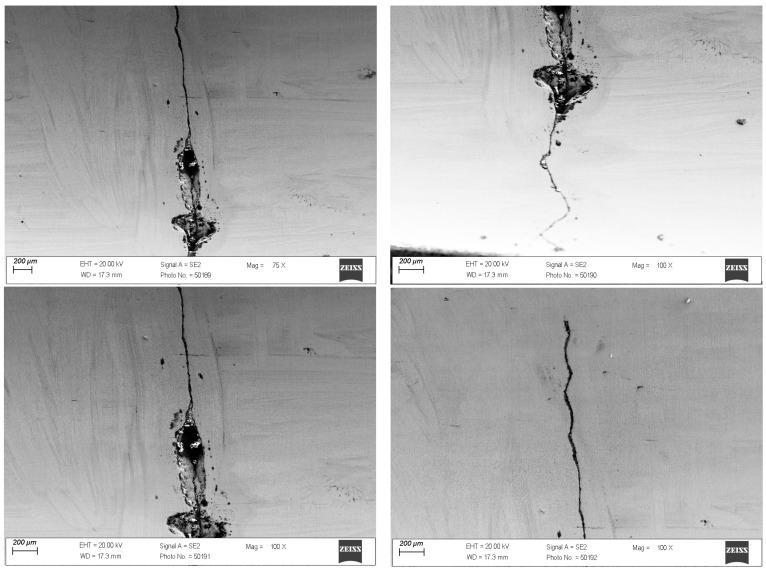 Figure 6
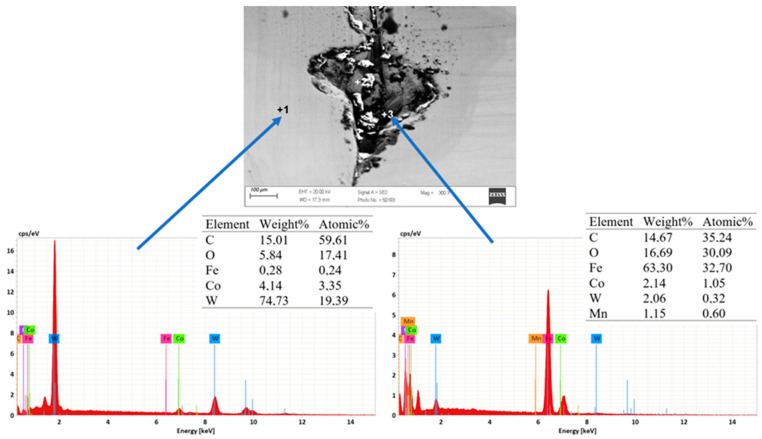 Figure 7
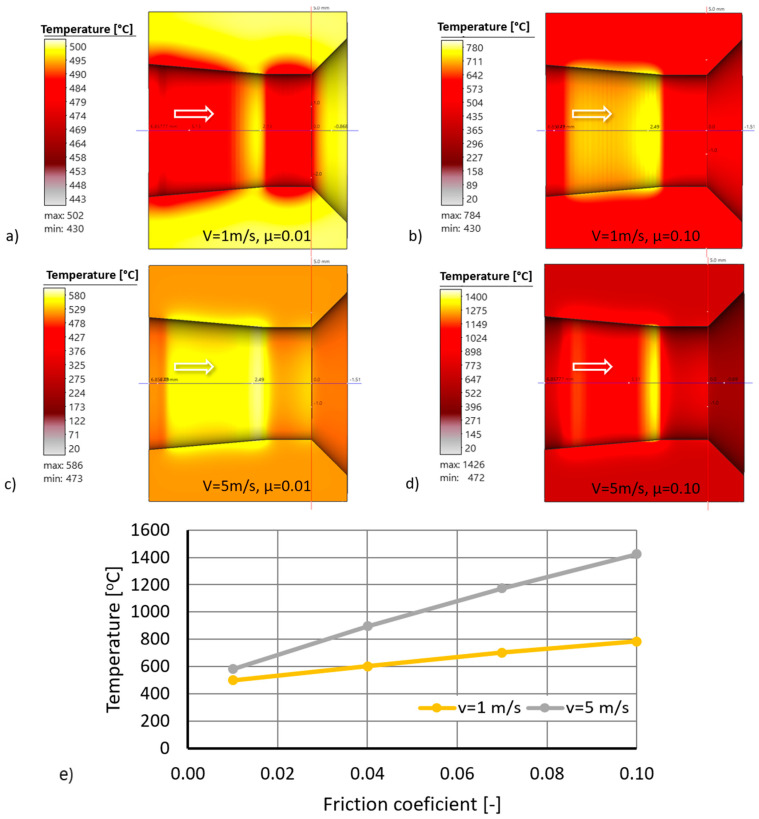 Figure 8
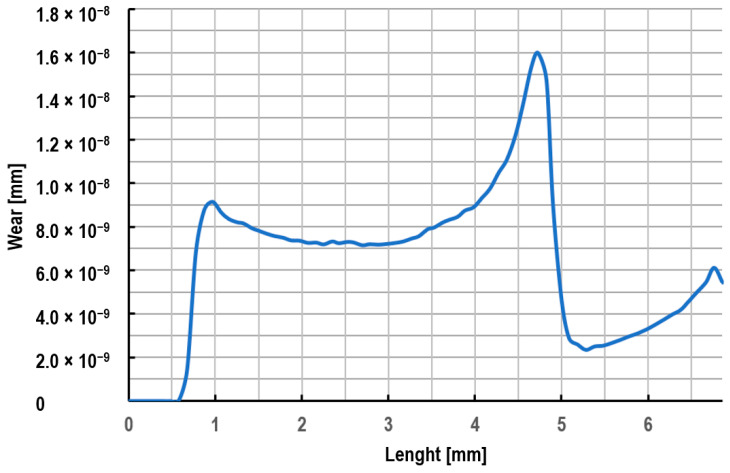 Figure 9
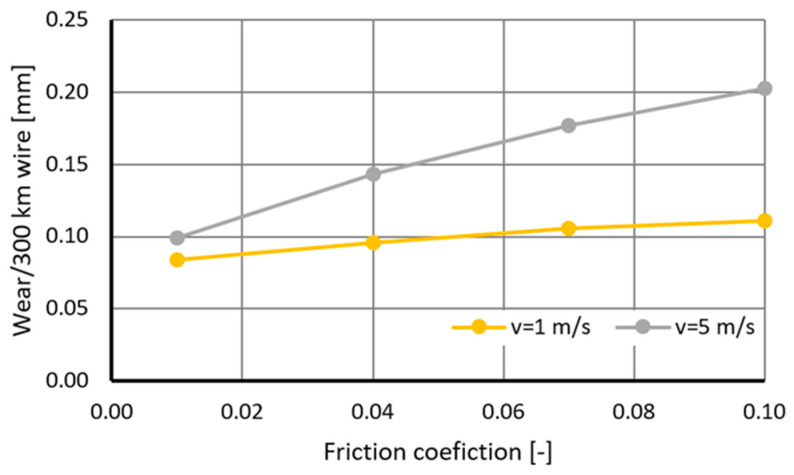 Figure 10
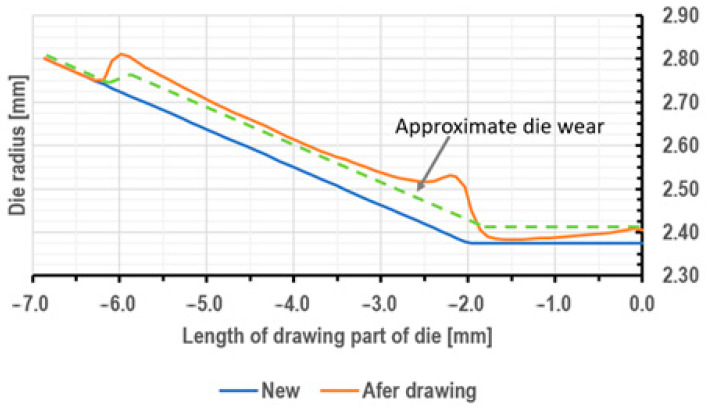 Figure 11
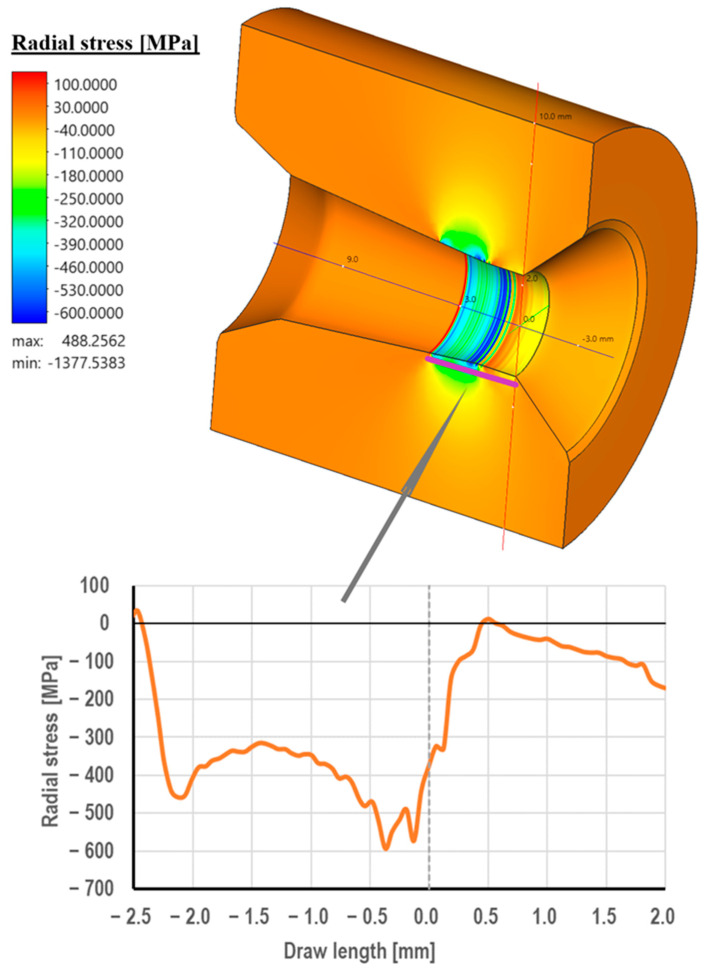 Figure 12
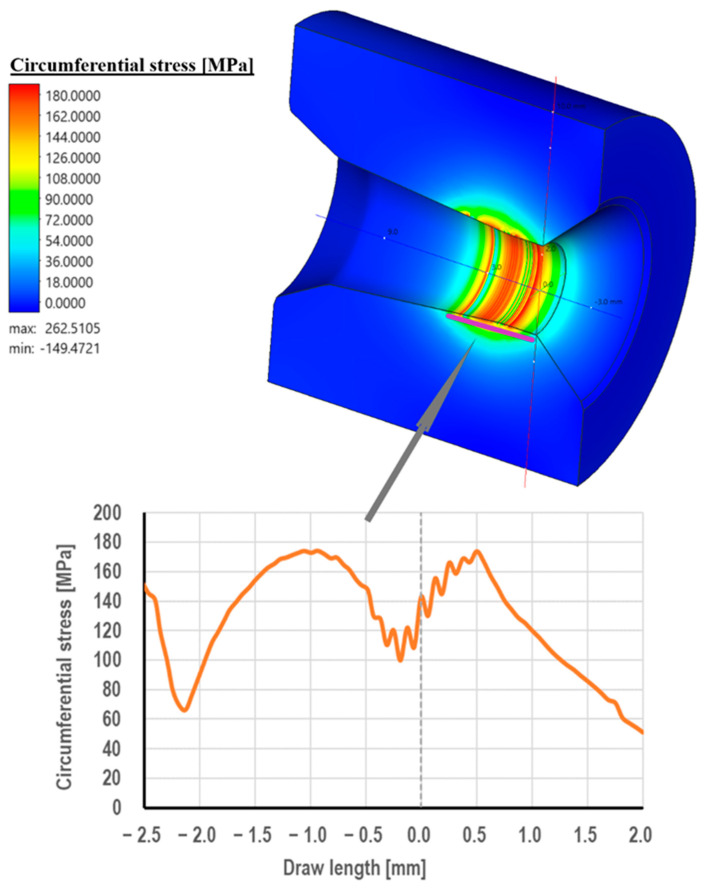 Figure 13
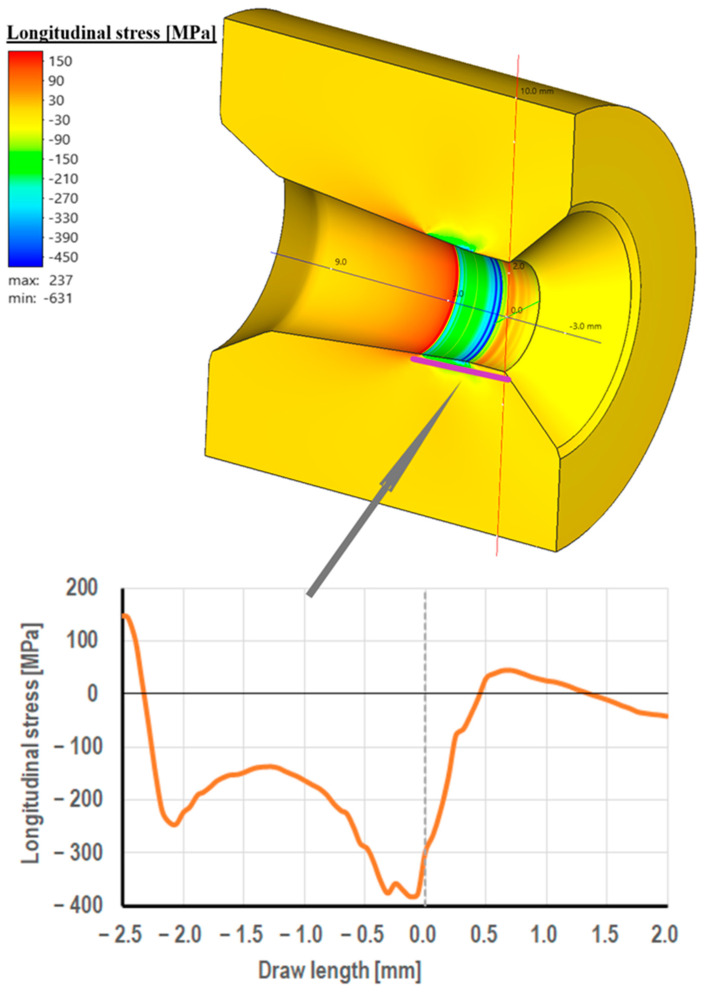 Figure 14
Peer Reviews
No public reviews on file for this paper yet. If you reviewed it on a platform where reviews are public (OpenReview, ICLR, NeurIPS, ICML), you can paste yours below so the community can read it here.
Videos
No videos yet. Explain this paper in a talk, walkthrough, or lecture? Add one.
Taxonomy
TopicsMetal Alloys Wear and Properties · Advanced materials and composites · Metallurgy and Material Forming