Technical Report of Radiofrequency Ablation of AVNRT with Persistent Left Superior Vena Cava: Success Relies on Basics
Mohamed A. Elhadad, Ramin Ebrahimi, Gozal Mirzayeva, Anna Neumann, Daniel Schneppe, Sarah Janschel, Márcio Galindo Kiuchi, Piotr Futyma, Helmut Pürerfellner, Shaojie Chen

TL;DR
This report discusses how a rare anatomical condition complicates heart rhythm ablation and highlights the importance of basic techniques for success.
Contribution
The paper presents a novel technical approach to overcome challenges in ablation due to persistent left superior vena cava.
Findings
PLSVC can destabilize the ablation catheter, leading to suboptimal energy delivery.
Using a non-steerable long sheath improved catheter contact and enabled successful ablation in one application.
Typical junctional beats alone may not guarantee successful slow-pathway ablation in PLSVC cases.
Abstract
Background/Objectives: Persistent Left Superior Vena Cava (PLSVC) is a condition that may complicate the ablation of Atrioventricular nodal reentry tachycardia (AVNRT). We aimed to report technical experience in ablation under scuh clinical setting. Methods: 3D guided electrophysiological procedure was conducted and PLSVC was confirmed. Slow-pathway ablation for the AVNRT was performed and typical junctional rhythm during the ablation was observed. Results: Exactly the same AVNRT remained inducible after 10 radiofrequency applications, which was very likely because of suboptimal temperature increase due to lacking sustained stability/contact of the catheter given the PLSVC anatomy and the patient’s deep respiration based on our observation during the RF applications. A non-steerable long sheath was introduced to achieve more firm contact of the ablation catheter, the slow-pathway was…
Genes, proteins, chemicals, diseases, species, mutations and cell lines named across the full text — each resolved to its canonical identifier and authoritative record.
Click any figure to enlarge with its caption.
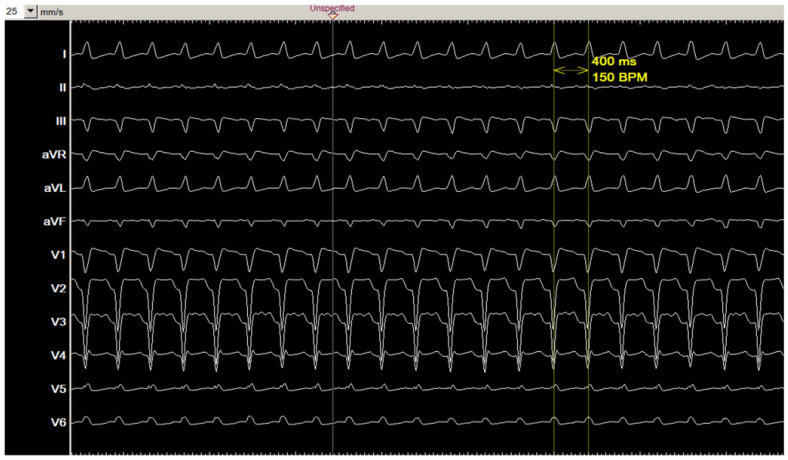 Figure 1
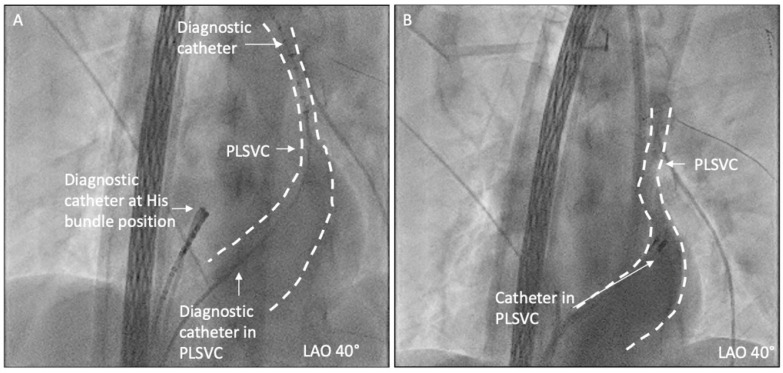 Figure 2
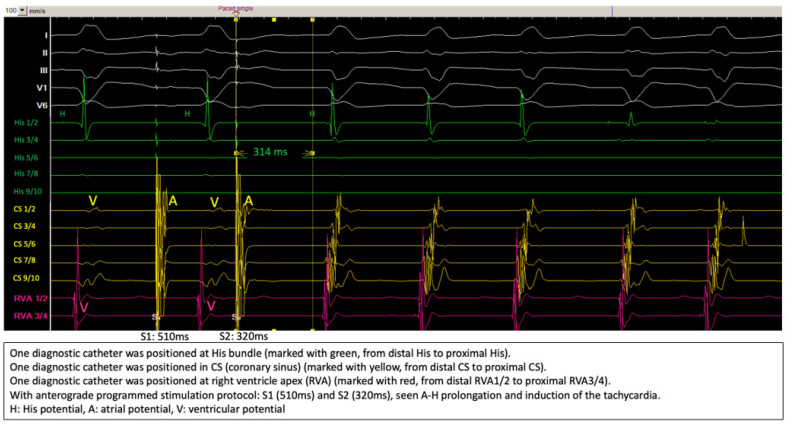 Figure 3
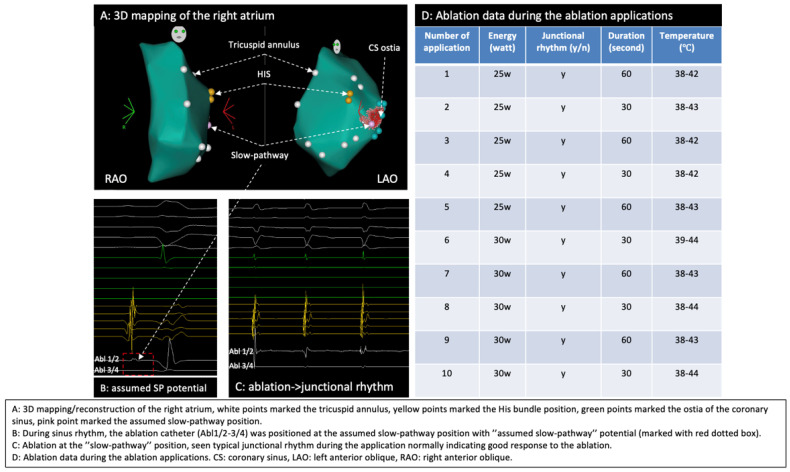 Figure 4
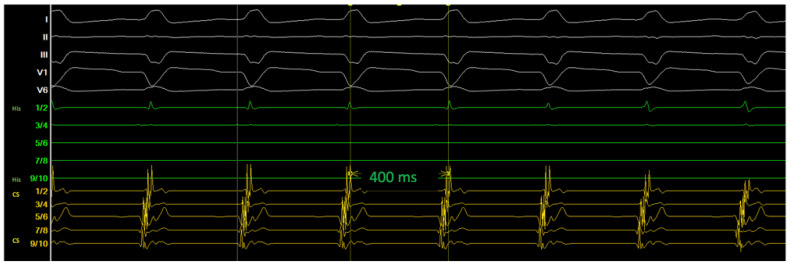 Figure 5
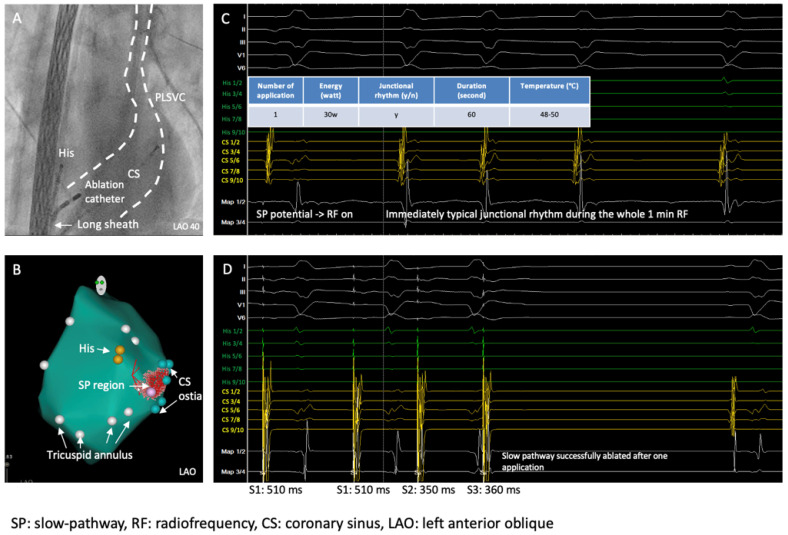 Figure 6
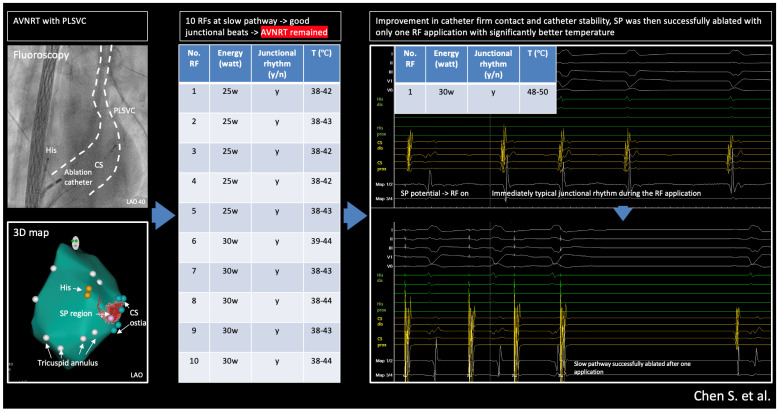 Figure 7
Peer Reviews
No public reviews on file for this paper yet. If you reviewed it on a platform where reviews are public (OpenReview, ICLR, NeurIPS, ICML), you can paste yours below so the community can read it here.
Videos
No videos yet. Explain this paper in a talk, walkthrough, or lecture? Add one.
Taxonomy
TopicsCardiac Arrhythmias and Treatments · Vascular anomalies and interventions · Atrial Fibrillation Management and Outcomes