Razuprotafib Does Not Improve Microcirculatory Perfusion Disturbances nor Renal Edema in Rats on Extracorporeal Circulation
Dionne P. C. Dubelaar, Carolien Volleman, Philippa G. Phelp, Roselique Ibelings, Iris Voorn, Anita M. Tuip-de Boer, Chantal A. Polet, Joris J. Roelofs, Alexander P. J. Vlaar, Matijs van Meurs, Charissa E. van den Brom

TL;DR
This study found that Razuprotafib does not improve microcirculation or kidney swelling in rats during extracorporeal circulation, despite some anti-inflammatory effects.
Contribution
The novel contribution is the evaluation of Razuprotafib's efficacy in mitigating microvascular dysfunction and edema during extracorporeal circulation in a rat model.
Findings
Razuprotafib had no effect on capillary perfusion or kidney edema in rats undergoing extracorporeal circulation.
Razuprotafib suppressed TNFα increase but did not affect other inflammatory markers or endothelial gene expression.
Razuprotafib improved oxygenation and reduced lung inflammation, but not microcirculatory or renal outcomes.
Abstract
Extracorporeal membrane oxygenation (ECMO) can be a life-saving intervention, but it is associated with high complication rates. ECMO induces systemic inflammation and endothelial hyperpermeability, thereby causing tissue edema, microcirculatory perfusion disturbances, and organ failure. This study investigated whether the inhibition of vascular endothelial protein tyrosine phosphatase (VE-PTP), a regulator of endothelial permeability, reduces extracorporeal circulation (ECC)-induced microvascular dysfunction. Rats were subjected to ECC after treatment with Razuprotafib (n = 11) or a placebo (n = 11), or they underwent a sham procedure (n = 8). Razuprotafib had no effect on the ECC-induced impairment of capillary perfusion, as assessed with intravital microscopy, nor did it influence the increased wet-to-dry weight ratio in kidneys, a marker of edema associated with ECC. Interestingly,…
Genes, proteins, chemicals, diseases, species, mutations and cell lines named across the full text — each resolved to its canonical identifier and authoritative record.
Click any figure to enlarge with its caption.
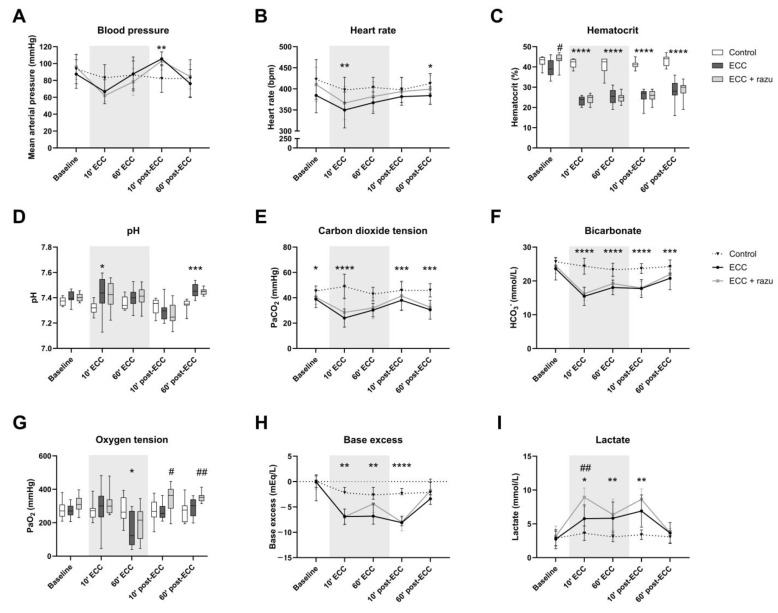 Figure 1
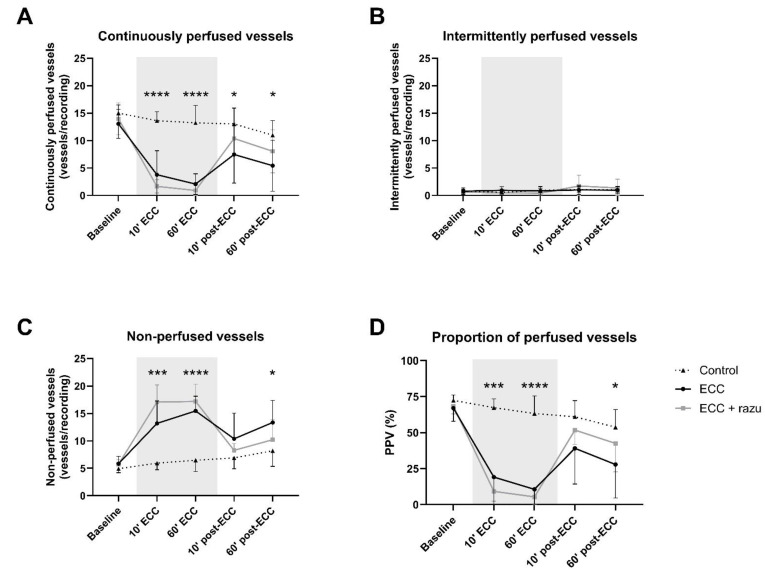 Figure 2
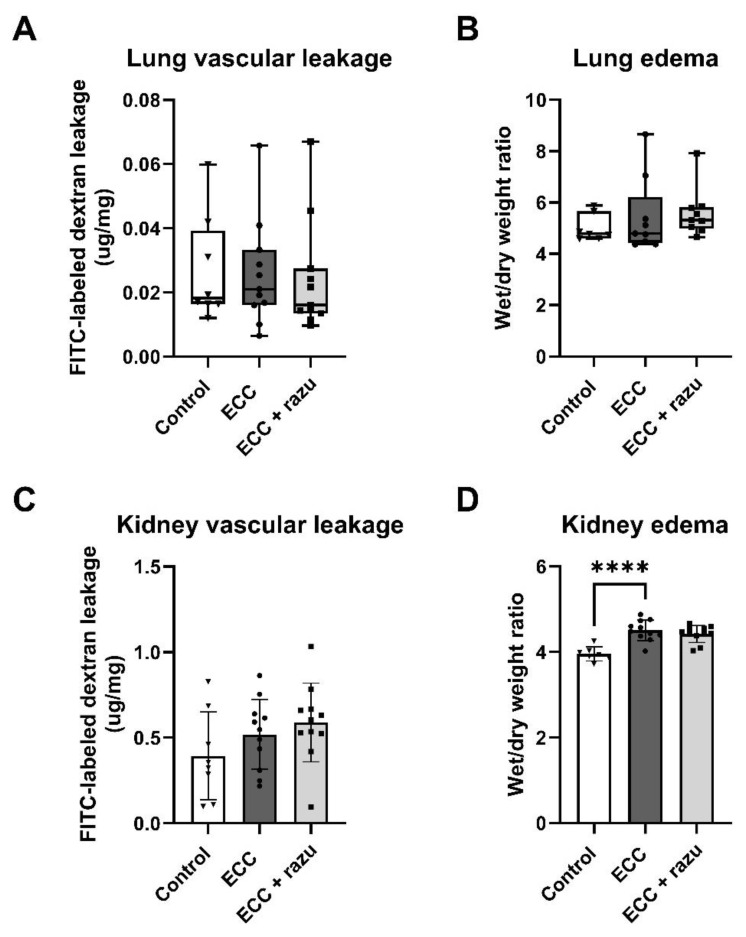 Figure 3
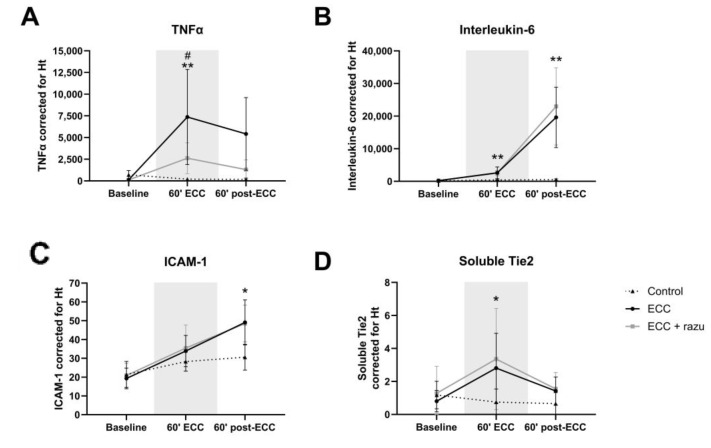 Figure 4
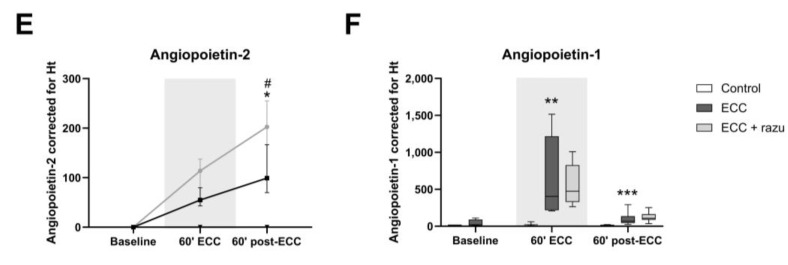 Figure 5
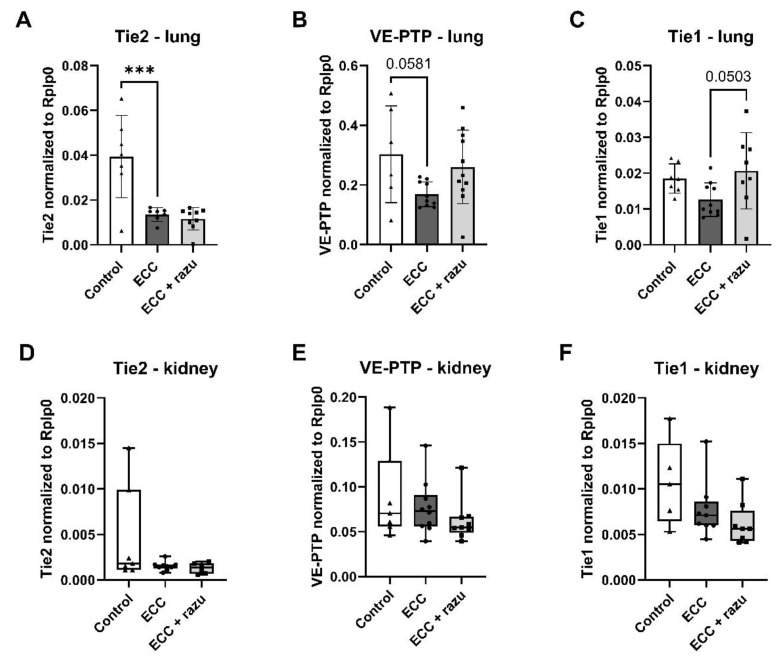 Figure 6
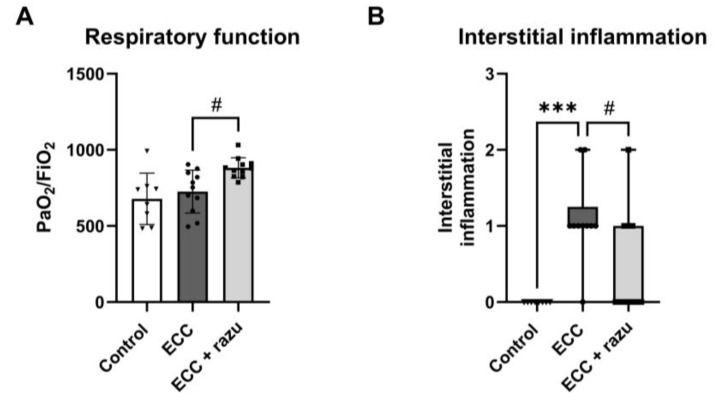 Figure 7
 Figure 8
Peer Reviews
No public reviews on file for this paper yet. If you reviewed it on a platform where reviews are public (OpenReview, ICLR, NeurIPS, ICML), you can paste yours below so the community can read it here.
Videos
No videos yet. Explain this paper in a talk, walkthrough, or lecture? Add one.
Taxonomy
TopicsMechanical Circulatory Support Devices · Acute Kidney Injury Research · Antiplatelet Therapy and Cardiovascular Diseases