Assessment of Immunoscore, MRI Tumor Regression Grade, and Neoadjuvant Rectal Score in Predicting Pathologic Response in Locally Advanced Rectal Cancer in the Averectal Study
Mustafa Natout, Ahmad Machmouchi, Hero Hussain, Laudy Chehade, Noura Abbas, Rim Turfa, Joseph Kattan, Sally Temraz, Ayman Tawil, Mousa Elkhaldi, Omar Jaber, Rula Amarin, Tala Alawabdeh, Maya Charafeddine, Monita Al Darazi, Ali Shamseddine

TL;DR
This study evaluates how combining immune scores, MRI tumor regression grades, and neoadjuvant rectal scores can better predict treatment response in advanced rectal cancer patients.
Contribution
The study introduces a combined predictive model using immunoscore, MRI tumor regression grade, and NAR scores for predicting pathologic complete response in rectal cancer.
Findings
Patients with both high immunoscore and mrTRG = 1 had a 66.7% pathologic complete response rate.
Pathologic NAR scores were significantly correlated with pathologic complete response (p < 0.0001).
Both pathologic and radiologic NAR scores were linked to overall and disease-free survival.
Abstract
Background/Objectives: Predictive tools are needed to assess the response to treatment and guide treatment decisions for locally advanced rectal cancer (LARC). This study explores the value of combining the immunoscore (IS) and magnetic resonance imaging tumor regression grade (mrTRG) with pathologic and radiologic neoadjuvant rectal (NAR) scores in predicting pathologic complete response (pCRs). Methods: The scores were assessed for patients with LARC enrolled in the Averectal study (NCT03503630), who received five fractions of short-course radiotherapy, followed by six cycles of mFOLFOX-6 plus avelumab, and total mesorectal excision. The IS was calculated using the mean density percentiles of CD3- and CD8-positive T-cells on baseline biopsy samples. Baseline and post-treatment MRIs were reviewed to measure the mrTRG. NAR scores were calculated using the pre-treatment T stage and…
Genes, proteins, chemicals, diseases, species, mutations and cell lines named across the full text — each resolved to its canonical identifier and authoritative record.
Click any figure to enlarge with its caption.
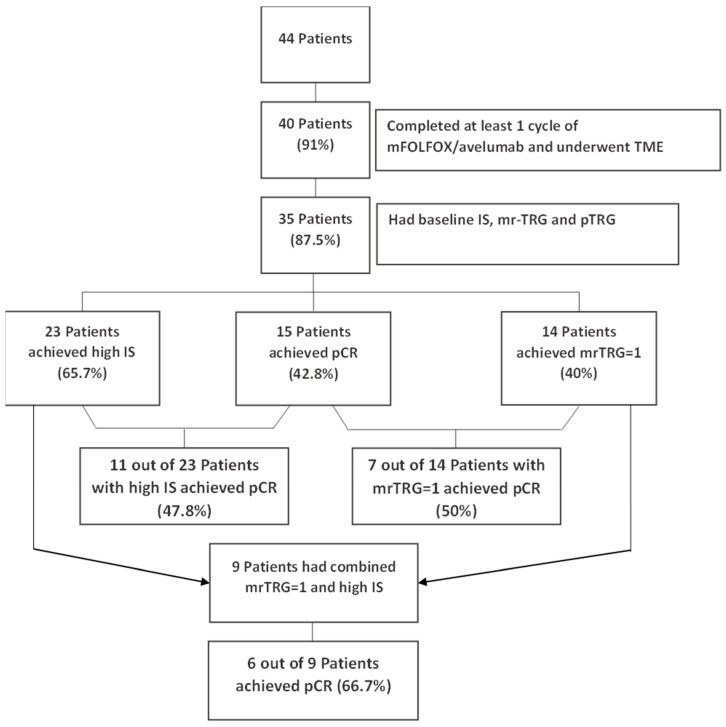 Figure 1
 Figure 2
 Figure 3
 Figure 4
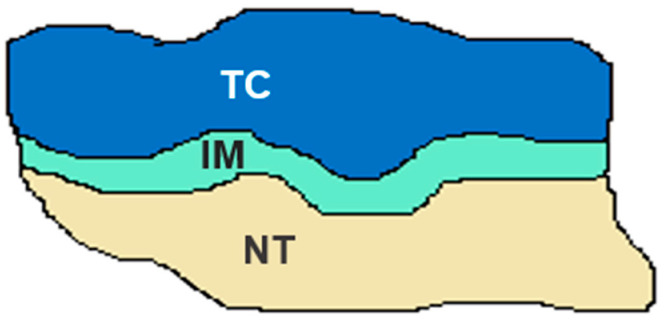 Figure 5
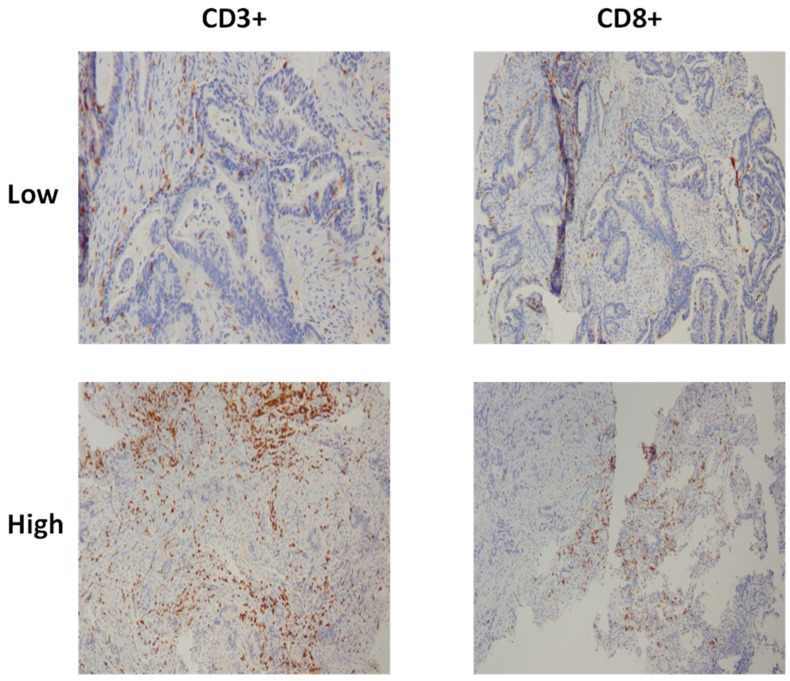 Figure 6
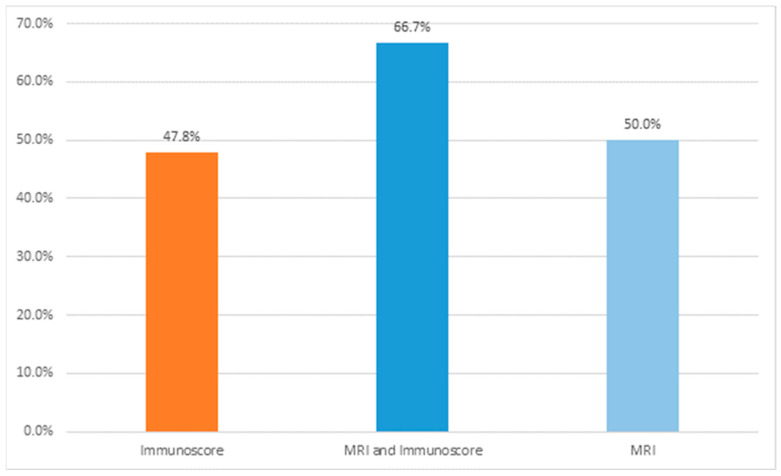 Figure 7
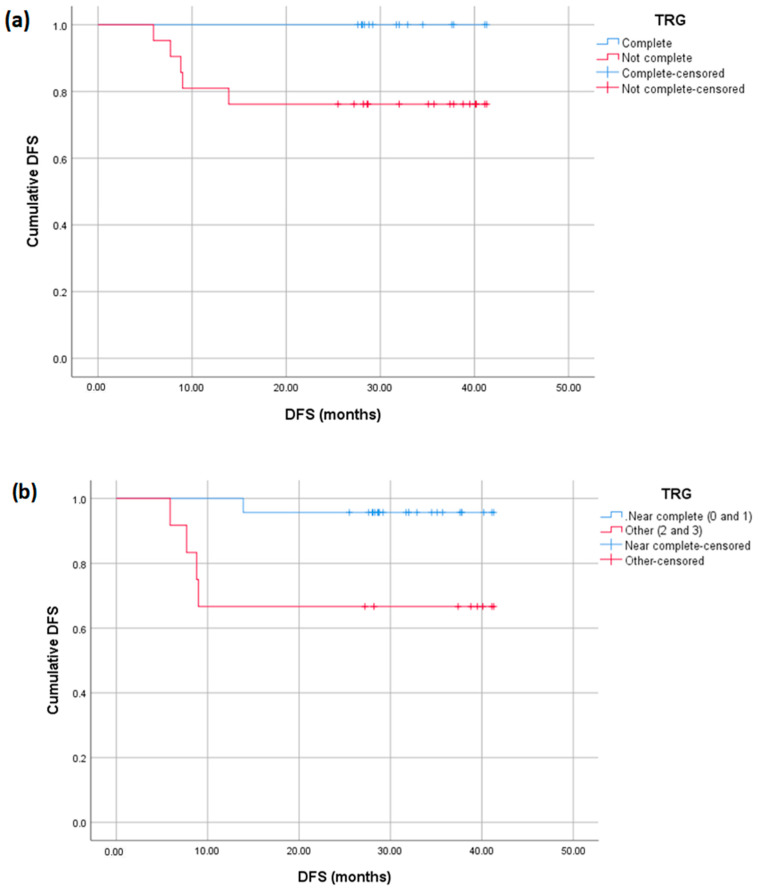 Figure 8
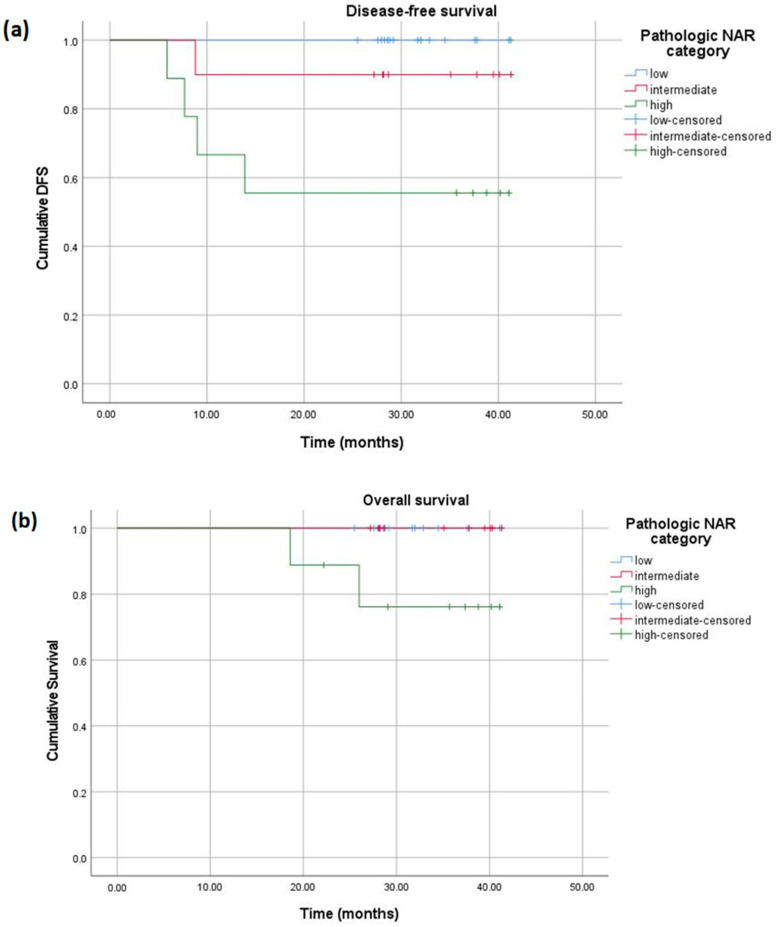 Figure 9
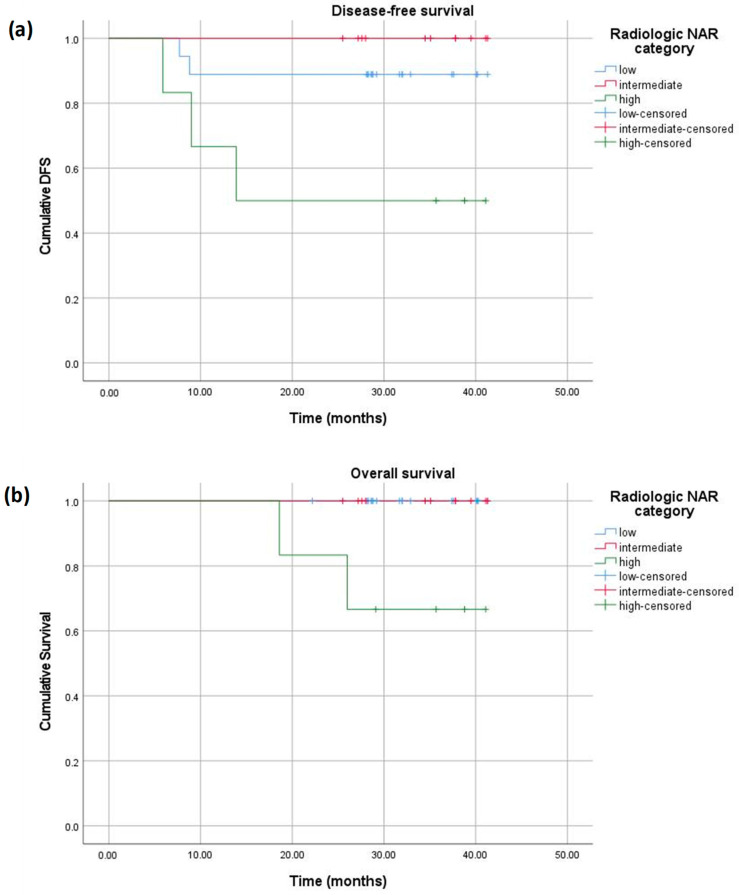 Figure 10
Peer Reviews
No public reviews on file for this paper yet. If you reviewed it on a platform where reviews are public (OpenReview, ICLR, NeurIPS, ICML), you can paste yours below so the community can read it here.
Videos
No videos yet. Explain this paper in a talk, walkthrough, or lecture? Add one.
Taxonomy
TopicsColorectal Cancer Surgical Treatments · Radiomics and Machine Learning in Medical Imaging · Colorectal and Anal Carcinomas