Trabectedin Induces Synthetic Lethality via the p53-Dependent Apoptotic Pathway in Ovarian Cancer Cells Without BRCA Mutations When Used in Combination with Niraparib
Bongkyun Kang, Sun-Jae Lee, Ki Ho Seol, Yoon Young Jeong, Jung-Hye Choi, Bo-Hyun Choi, Jung Min Ryu, Youn Seok Choi

TL;DR
Combining niraparib and trabectedin causes DNA repair failure and cell death in BRCA-proficient ovarian cancer cells through p53-dependent apoptosis.
Contribution
The study reveals a novel synthetic lethality mechanism in BRCA-proficient ovarian cancer using a p53-dependent pathway.
Findings
Combination therapy with niraparib and trabectedin impairs DNA repair in BRCA-proficient ovarian cancer cells.
The treatment upregulates p53 and apoptosis-related genes, leading to cell cycle arrest and apoptosis.
p53 silencing abolishes the synergistic effects of the combination therapy.
Abstract
This study investigated whether combining niraparib and trabectedin in BRCA-proficient epithelial ovarian cancer induces deficiencies in ssDNA break repair and dsDNA homologous recombination, leading to synthetic lethality. A2780 and SKOV3 ovarian cancer cell lines were treated with niraparib and trabectedin. Cell viability was assessed using CCK-8 assays, while RT-qPCR and Western blot analyzed the expression of DNA repair and apoptosis-related genes. Apoptosis was evaluated via Annexin V/PI assays. The combination therapy exhibited a synergistic effect on A2780 cells but not on SKOV3 cells. Treatment reduced BRCA1, BRCA2, RAD51, PARP1, and PARP2 expression, indicating impaired DNA repair. γ-H2AX levels increased, suggesting DNA damage. The therapy also upregulated p53, PUMA, NOXA, BAX, BAK, and p21, promoting p53-mediated apoptosis and cell cycle arrest. Apoptosis induction was…
Genes, proteins, chemicals, diseases, species, mutations and cell lines named across the full text — each resolved to its canonical identifier and authoritative record.
Click any figure to enlarge with its caption.
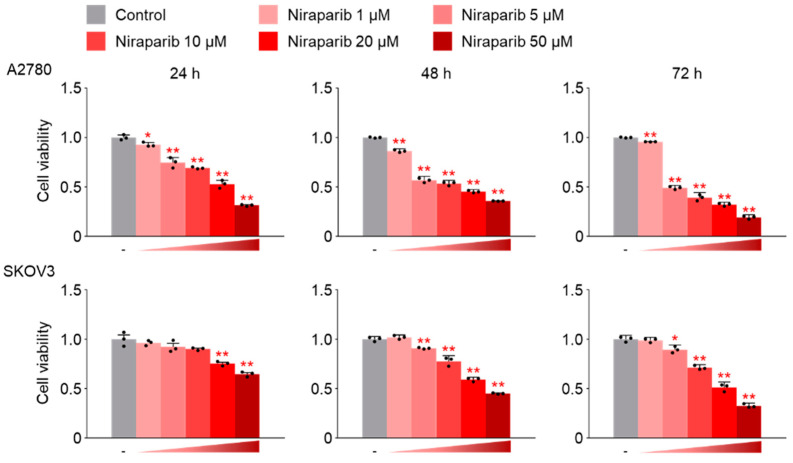 Figure 1
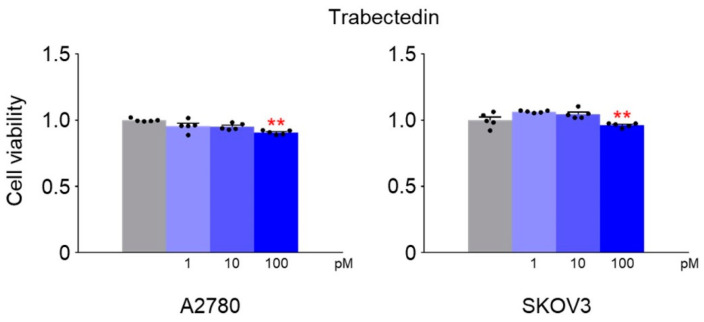 Figure 2
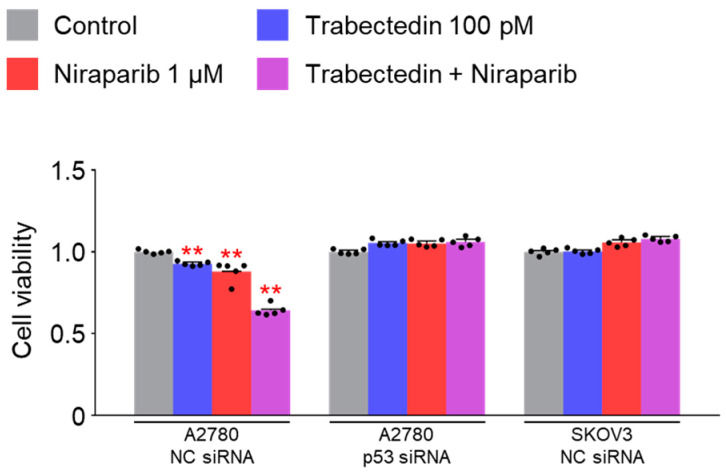 Figure 3
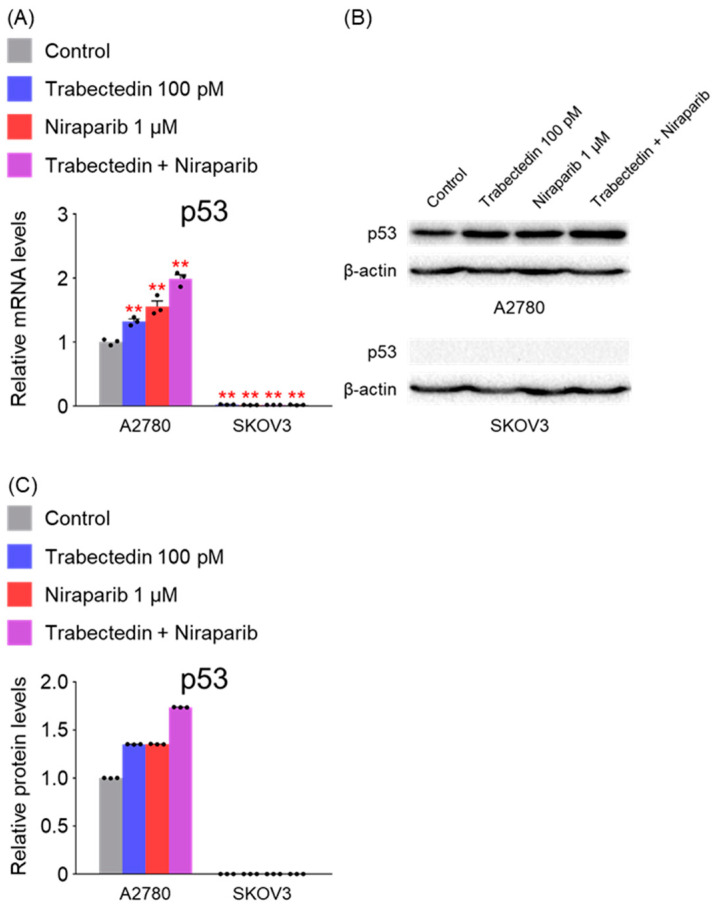 Figure 4
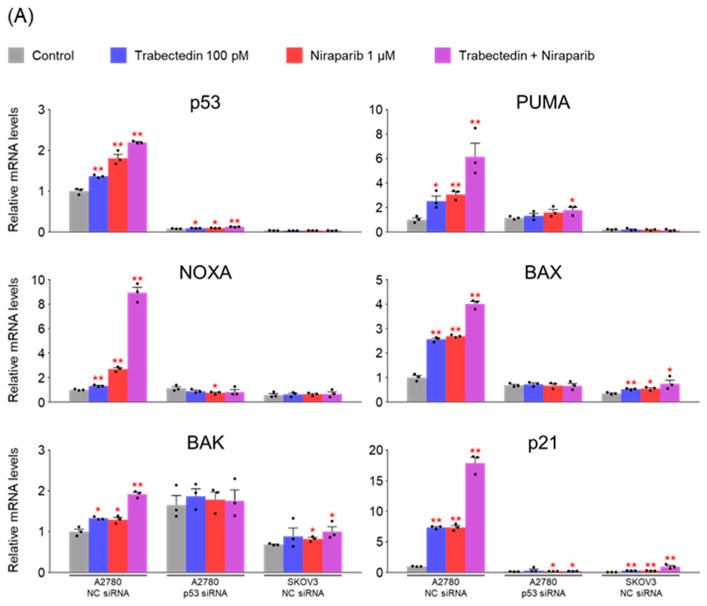 Figure 5
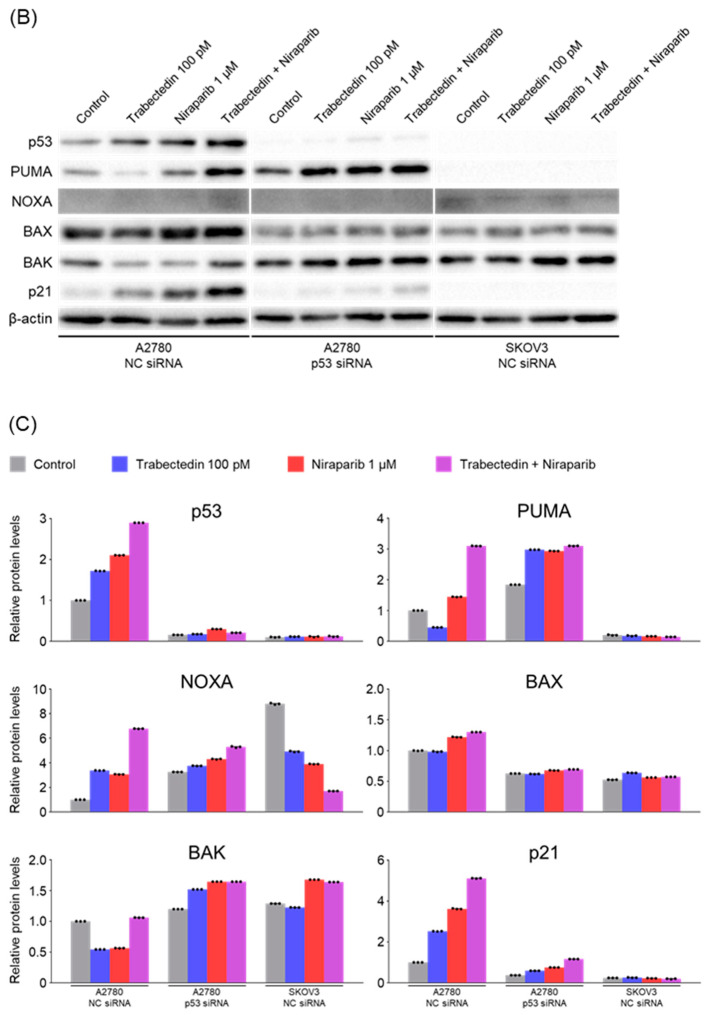 Figure 6
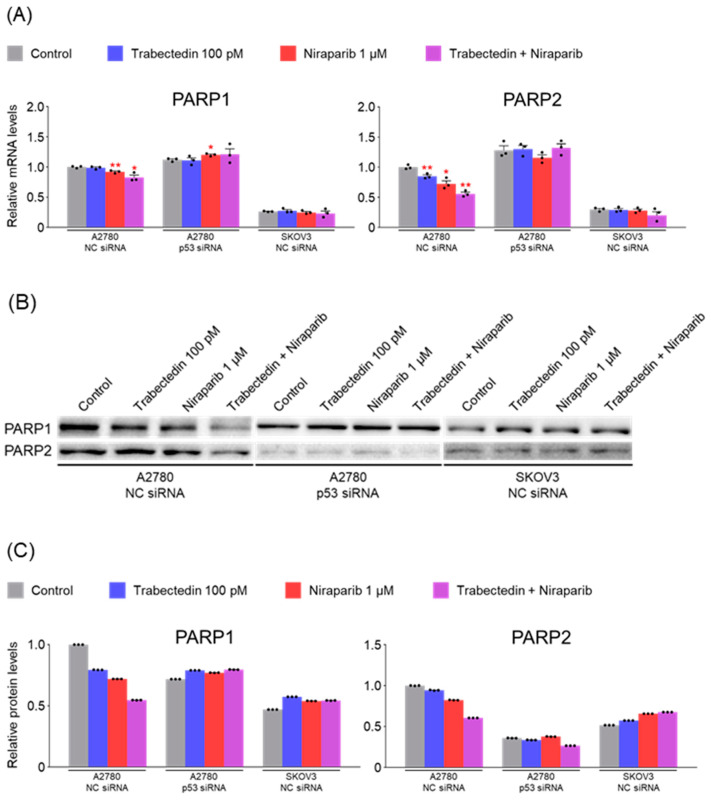 Figure 7
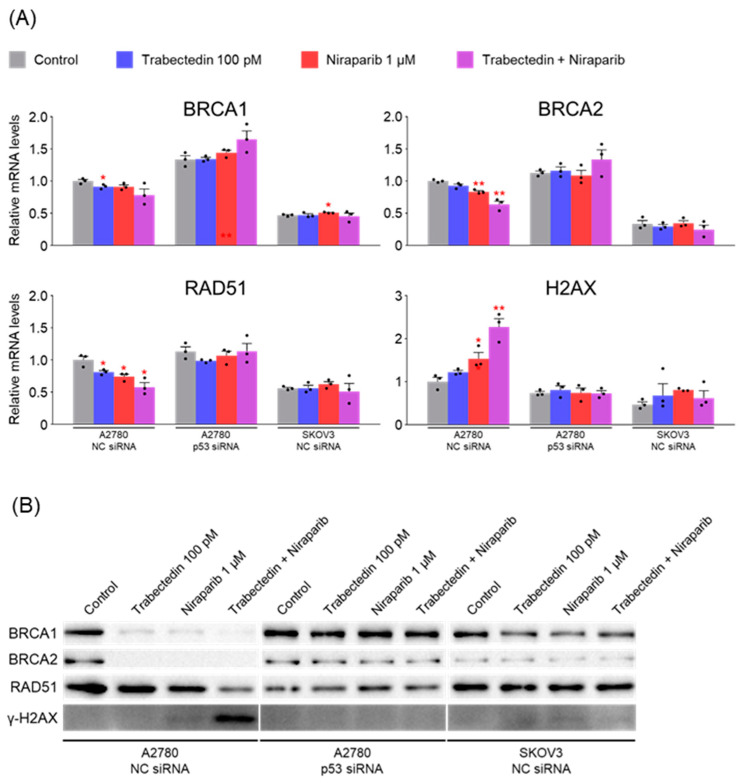 Figure 8
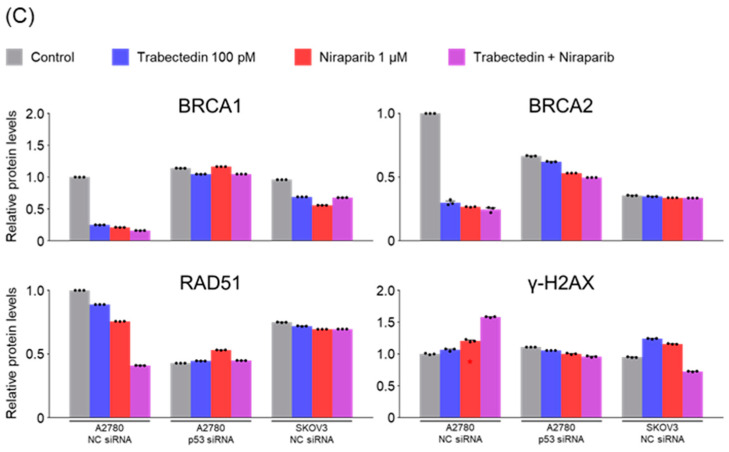 Figure 9
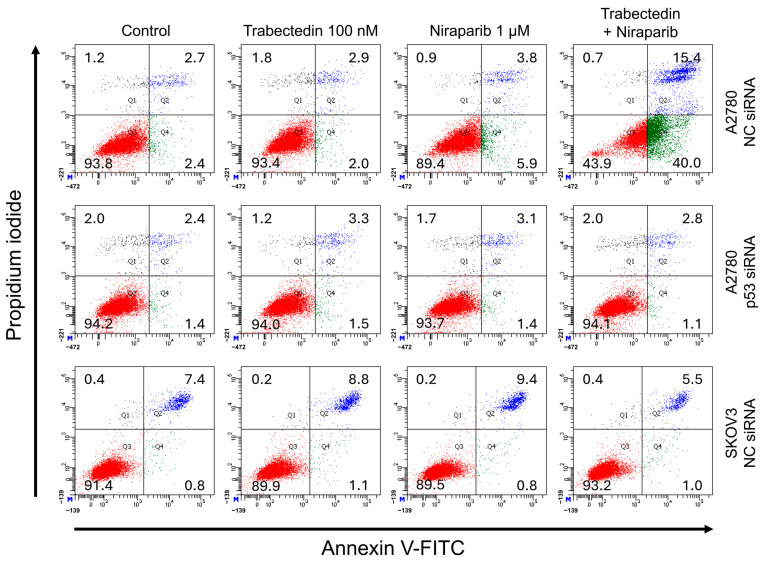 Figure 10
Peer Reviews
No public reviews on file for this paper yet. If you reviewed it on a platform where reviews are public (OpenReview, ICLR, NeurIPS, ICML), you can paste yours below so the community can read it here.
Videos
No videos yet. Explain this paper in a talk, walkthrough, or lecture? Add one.
Taxonomy
TopicsPARP inhibition in cancer therapy · Cell death mechanisms and regulation · Integrated Circuits and Semiconductor Failure Analysis