Correction: Fluorinated hydroxyapatite conditions a favorable osteo-immune microenvironment via triggering metabolic shift from glycolysis to oxidative phosphorylation
Kaidi Chen, Seongmin Ha, Leyao Xu, Chengwu Liu, Yuanxiang Liu, Xiayi Wu, Zhipeng Li, Shiyu Wu, Bo Yang, Zhuofan Chen

Abstract
Genes, proteins, chemicals, diseases, species, mutations and cell lines named across the full text — each resolved to its canonical identifier and authoritative record.
Click any figure to enlarge with its caption.
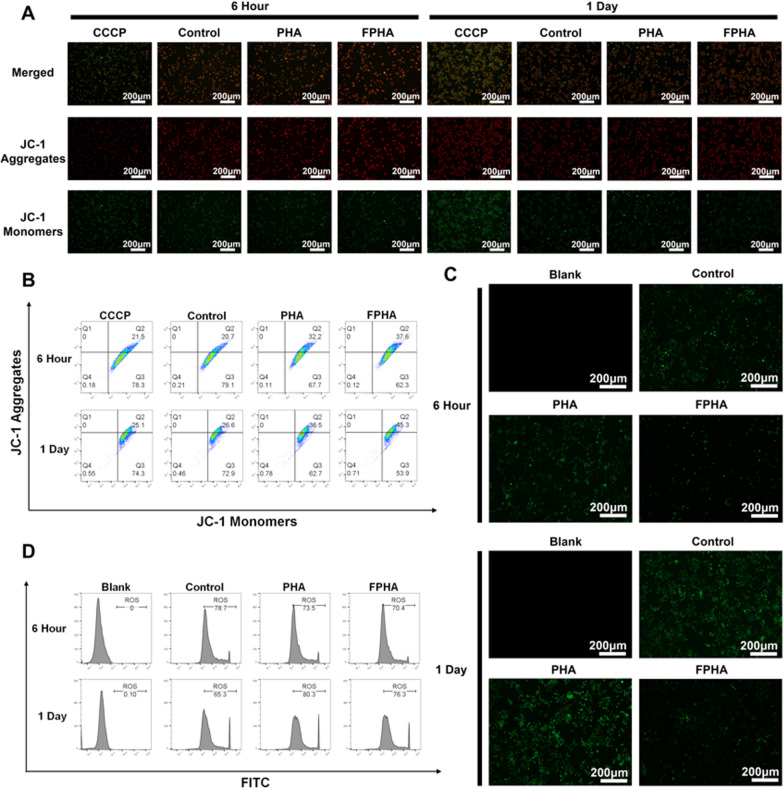 Figure 5
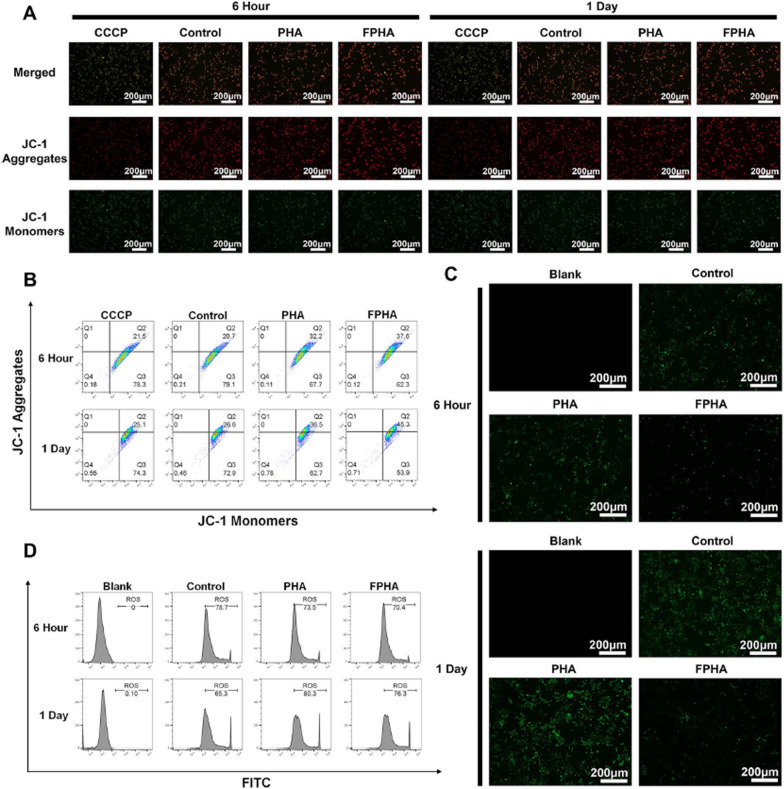 Figure 2
Peer Reviews
No public reviews on file for this paper yet. If you reviewed it on a platform where reviews are public (OpenReview, ICLR, NeurIPS, ICML), you can paste yours below so the community can read it here.
Videos
No videos yet. Explain this paper in a talk, walkthrough, or lecture? Add one.
Taxonomy
TopicsBone and Dental Protein Studies
**Correction: Journal of Translational Medicine (2024) 22:437 ** 10.1186/s12967-024-05261-0
Following publication of the original article [1], we have been notified that Fig. 5 was published incorrectly.
It is now as follows:Fig. 5. Enhanced mitochondrial function in cells cultured with FPHA extract. A Evaluation of mitochondrial membrane potential using JC-1 probe revealed increased formation of JC-1 aggregates in cells treated with FPHA extract, leading to higher intensity of red fluorescence and lower intensity of green fluorescence (JC-1 monomers). B Flow cytometry analysis further supported the enhancement effect of FPHA on mitochondrial energy synthesis. C The FPHA-treated group exhibited a significant decrease in the percentage of DCF-labeled cells (green fluorescence) compared to both the control and PHA groups. D Flow cytometry analysis further confirmed the inhibitory effect of FPHA on ROS production
Figure 5 should be as follows:
The original article was updated.