Identification of mitochondrial permeability transition-related lncRNAs as quantitative biomarkers for the prognosis and therapy of breast cancer
Zhongshu Lin, Xinlu Wang, Guanxiang Hua, Fangmin Zhong, Wangxinjun Cheng, Yuxiang Qiu, Zhe Chi, Huan Zeng, Xiaozhong Wang

TL;DR
This study identifies mitochondrial permeability transition-related lncRNAs as potential biomarkers for predicting breast cancer prognosis and treatment response.
Contribution
The novel MPTRscore is developed as a prognostic and therapeutic biomarker based on MPT-related lncRNAs in breast cancer.
Findings
MPTRscore groups BC patients with distinct biomolecular processes and clinical outcomes.
Low MPTRscore correlates with better prognosis and treatment response in BC patients.
RP11-573D15.8-018 mediates the relevance between MPTRscore and clustering results.
Abstract
Breast cancer (BC) continues to pose a global health threat and presents challenges for treatment due to its high heterogeneity. Recent advancements in the understanding of mitochondrial permeability transition (MPT) and the regulatory roles of long non-coding RNAs (lncRNAs) offer potential insights for the stratification and personalized treatment of BC. Although the association between MPT and lncRNAs has not been widely studied, a few research studies have indicated a regulatory impact of lncRNAs on MPT, further deepening the understanding of the tumor. To identify reliable biomarkers associated with MPT for managing BC, bulk RNA-seq data of MPT-related lncRNAs acquired from The Cancer Genome Atlas (TCGA) and the Genotype-Tissue Expression (GTEx) project were utilized to assess BC patients. A scoring system, termed the MPT-related score (MPTRscore), was developed using LASSO-Cox…
Genes, proteins, chemicals, diseases, species, mutations and cell lines named across the full text — each resolved to its canonical identifier and authoritative record.
Click any figure to enlarge with its caption.
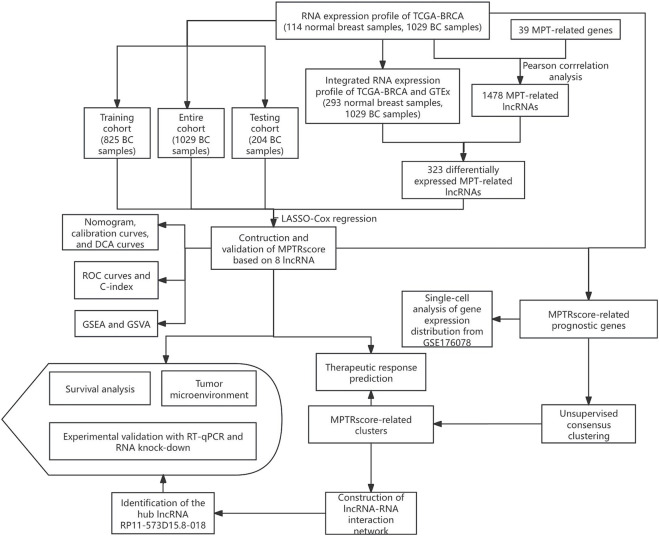 Figure 1
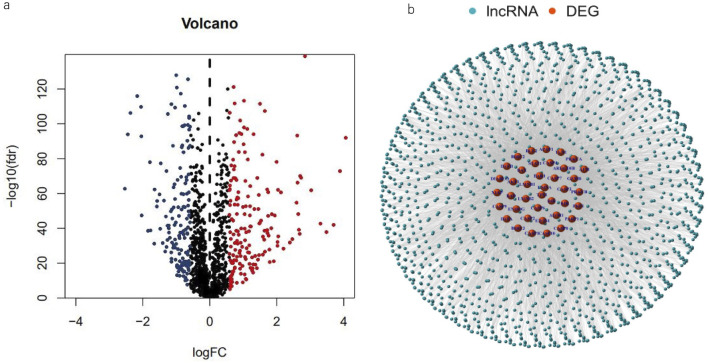 Figure 2
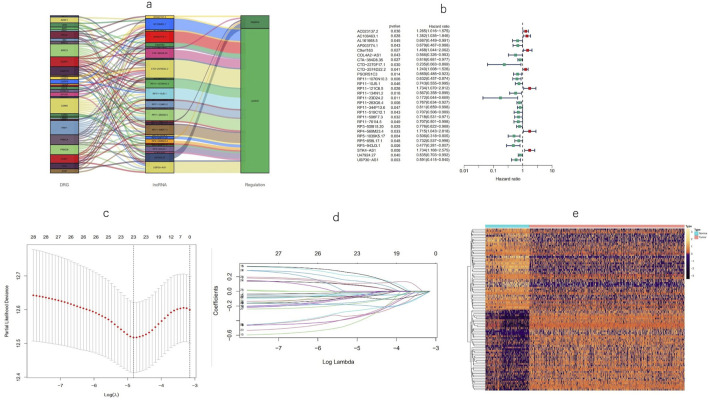 Figure 3
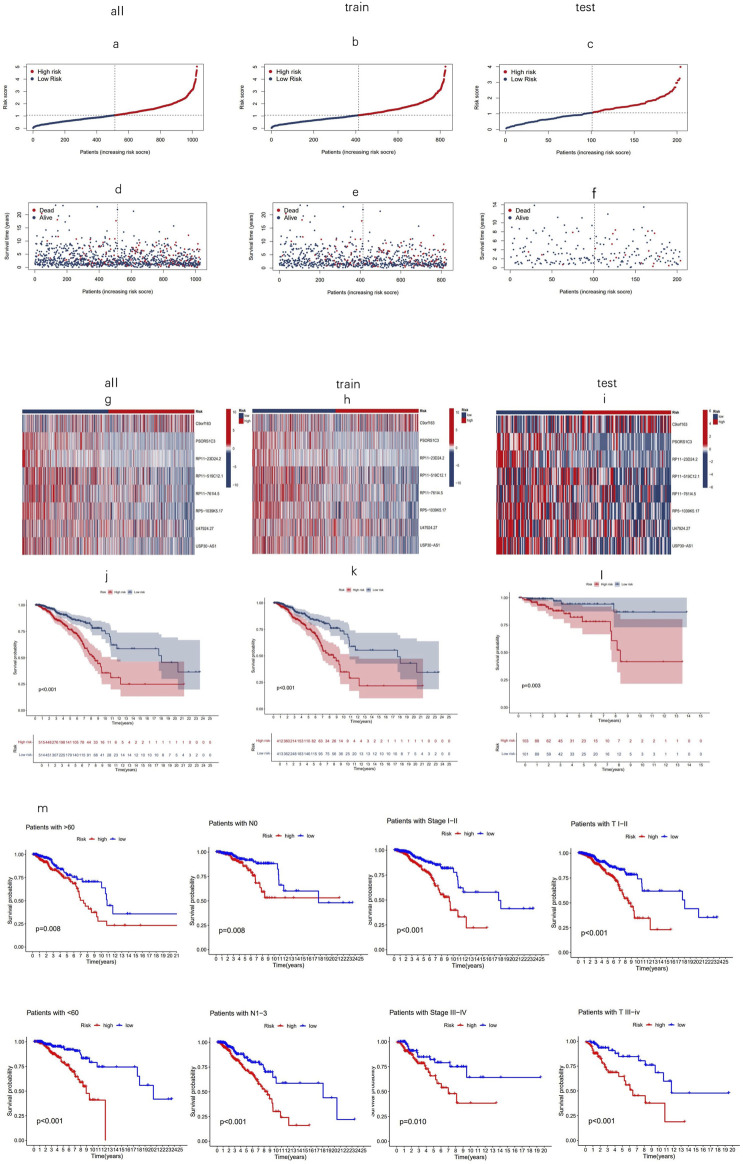 Figure 4
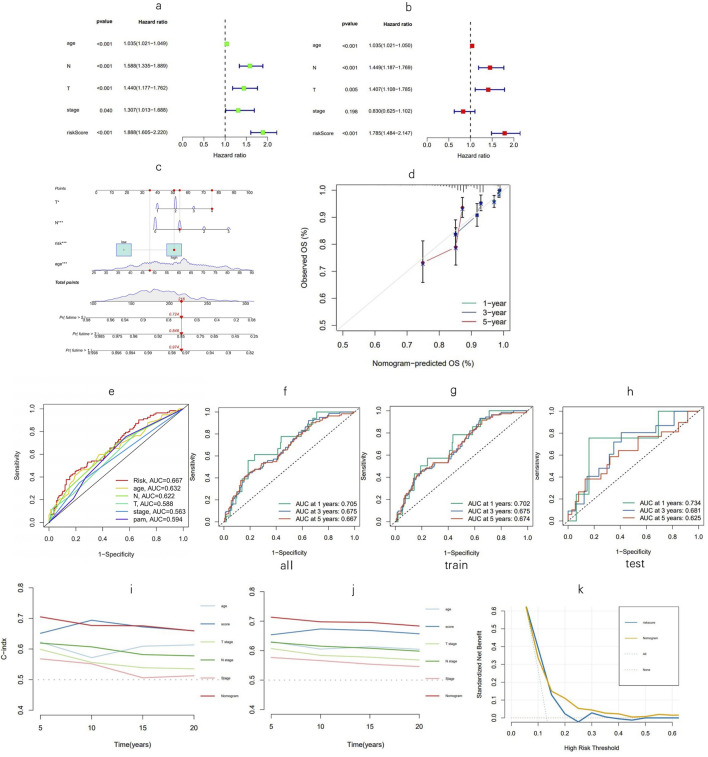 Figure 5
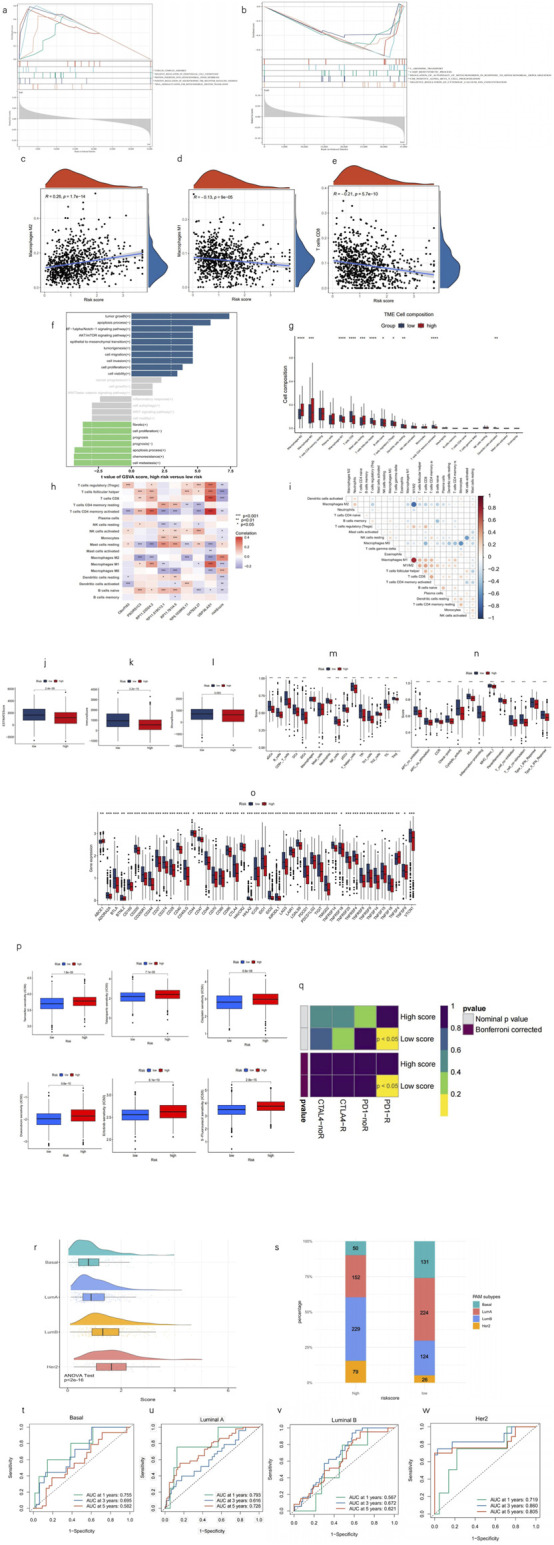 Figure 6
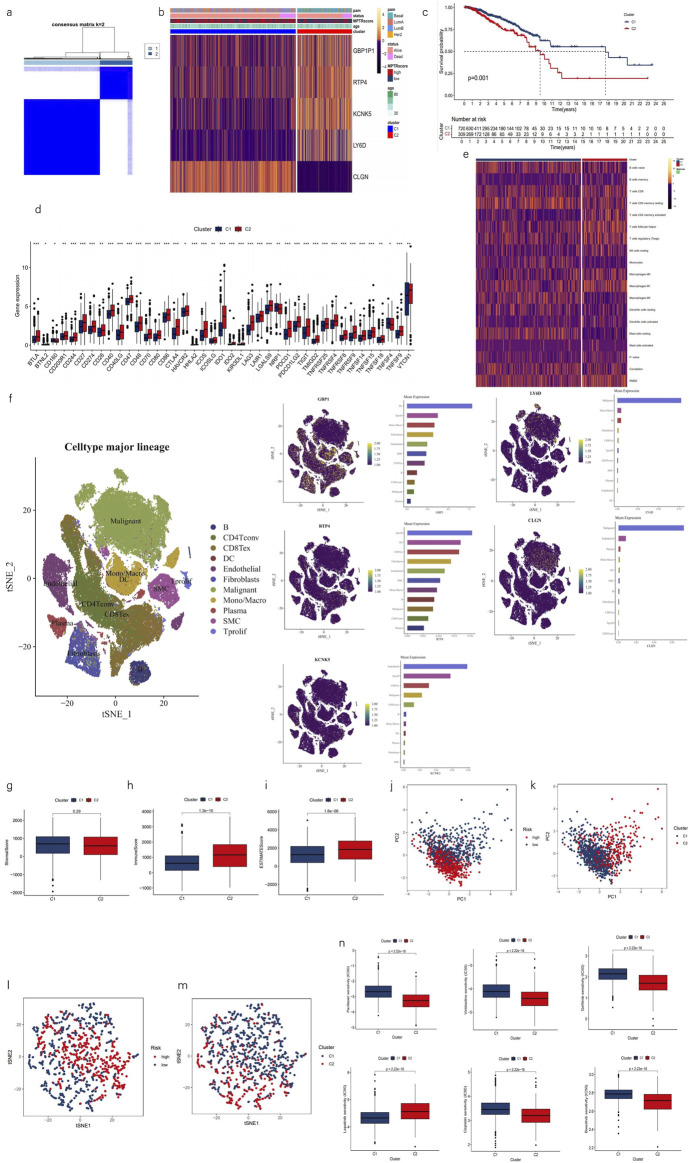 Figure 7
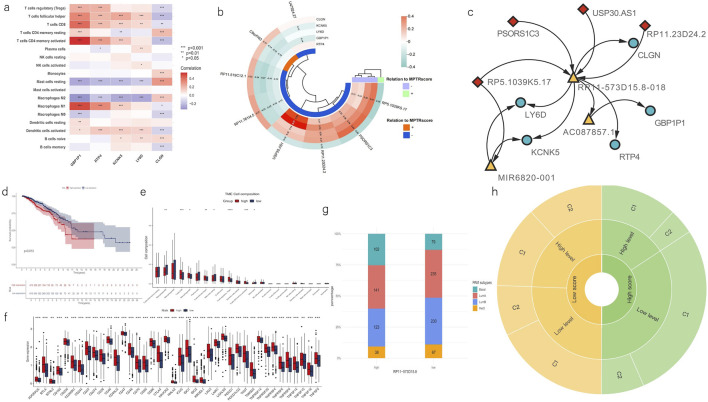 Figure 8
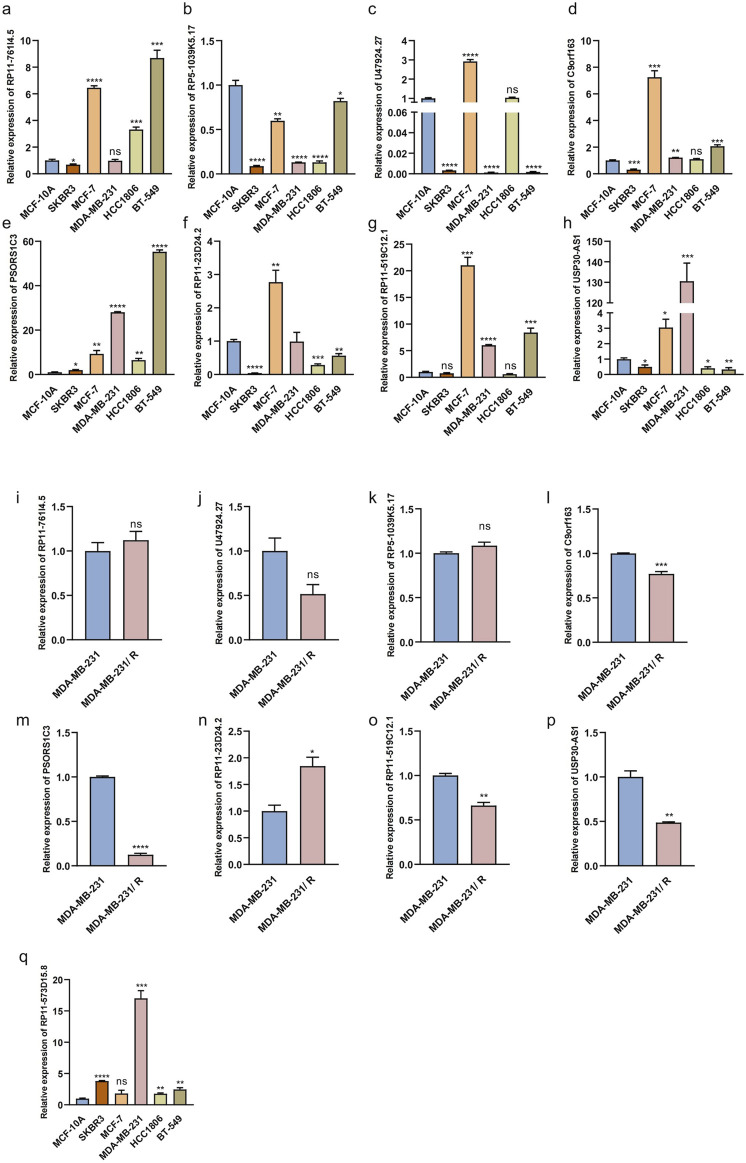 Figure 9
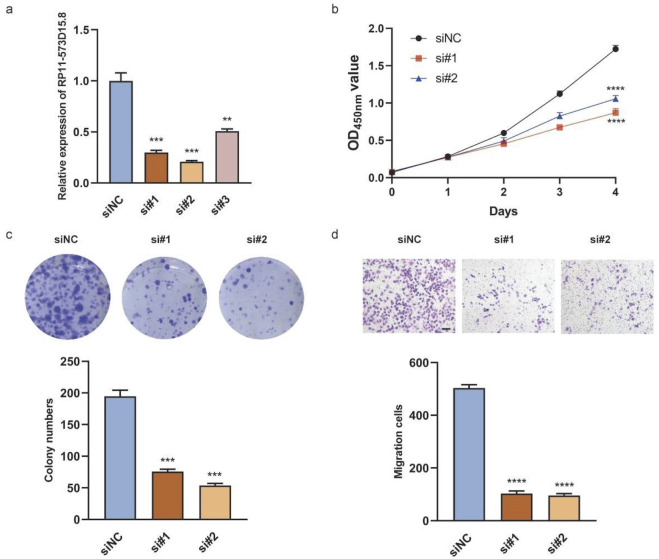 Figure 10
Peer Reviews
No public reviews on file for this paper yet. If you reviewed it on a platform where reviews are public (OpenReview, ICLR, NeurIPS, ICML), you can paste yours below so the community can read it here.
Videos
No videos yet. Explain this paper in a talk, walkthrough, or lecture? Add one.
Taxonomy
TopicsCancer-related molecular mechanisms research · RNA modifications and cancer · RNA Research and Splicing