Evaluation of a fluidised catalytic cracking co‐processing method for the production of renewable fuels using Category 3 animal fat and used cooking oils
Ana Allende, Valeria Bortolaia, Sara Bover‐Cid, Wietske Dohmen, Laurent Guillier, Lieve Herman, Liesbeth Jacxsens, Maarten Nauta, Lapo Mughini‐Gras, Jakob Ottoson, Luisa Peixe, Fernando Perez‐Rodriguez, Panagiotis Skandamis, Elisabetta Suffredini, Alessandra De Cesare

TL;DR
This paper evaluates a new method for producing renewable fuels from animal fats and used cooking oils using a fluidised catalytic cracking process.
Contribution
The study introduces a novel co-processing method for renewable fuels that meets safety and regulatory standards.
Findings
The method achieves a 12 log10 reduction of C. botulinum spores and 5 log10 reduction of other pathogenic bacteria spores.
The alternative method is considered equivalent to currently approved processing methods under EU regulations.
The study identifies some inadequacies in the Hazard Analysis and Critical Control Point plan.
Abstract
An alternative processing method for the production of renewable fuels from rendered animal fats, pretreated using standard processing methods 1–5 or method 7 and used cooking oils, derived from Category 3 animal by‐products, was assessed. The alternative method is based on a fluidised catalytic cracking co‐processing treatment with a preheat stage by at least 145°C and a pressure of at least 1.4 barg for at least 13 s, followed by a reactor stage by at least 500°C for 2 s. The applicant selected the use of spores of pathogenic bacteria as primary indicators without carrying out a full hazard identification, which is acceptable as per previous EFSA evaluations. The EFSA BIOHAZ Panel considers that the application and supporting literature contain sufficient evidence to support that the alternative method can achieve a reduction of at least 12 log10 of C. botulinum spores and 5 log10 of…
Genes, proteins, chemicals, diseases, species, mutations and cell lines named across the full text — each resolved to its canonical identifier and authoritative record.
Click any figure to enlarge with its caption.
 Figure 1
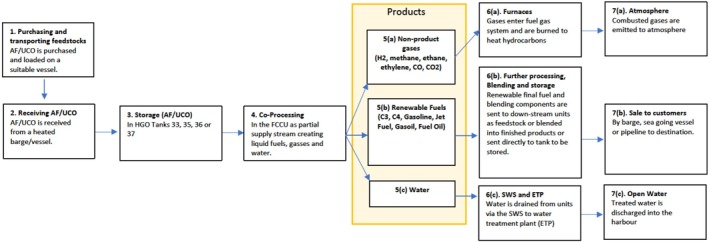 Figure 2
Peer Reviews
No public reviews on file for this paper yet. If you reviewed it on a platform where reviews are public (OpenReview, ICLR, NeurIPS, ICML), you can paste yours below so the community can read it here.
Videos
No videos yet. Explain this paper in a talk, walkthrough, or lecture? Add one.
Taxonomy
TopicsAgricultural safety and regulations · Bacillus and Francisella bacterial research · Listeria monocytogenes in Food Safety