Adaptive Coordination Behavior of Bisphosphanylphosphanido‐Ligands Toward Group 2, 11 and 12 Metal Ions
Dennis Langgut, Clemens Bruhn, Rudolf Pietschnig

TL;DR
This paper explores how a specific ligand adapts its coordination behavior with different metal ions and uses NMR to track these changes.
Contribution
The study reveals adaptive coordination modes of a bisphosphanylphosphanido ligand with Group 2, 11, and 12 metals and introduces NMR as a reliable diagnostic tool.
Findings
The ligand exhibits mono-, bi-, and tridentate coordination modes with no μ2-bridging.
1JPP coupling constants effectively track coordination motifs confirmed by X-ray crystallography.
Versatile coordination behavior is observed across Group 2, 11, and 12 metal ions.
Abstract
A series of alkaline earth metal complexes (Mg−Ba) with the anionic ferrocenylene‐bridged bisphosphanylphosphanide ligand [Fe(C5H4PC4H9)2P]− has been prepared by metalation of the corresponding bisphosphanylhydrophosphane (Fe(C5H4PC4H9)2PH). The resulting complexes have been characterized by multinuclear NMR spectroscopy and SC‐XRD. Furthermore, the closely related zinc phosphanide, and rare, mononuclear coinage metal phosphanides were synthesized and investigated for comparison. The range of coordination modes observed for the phosphanide ligand included mono‐, bi‐, and tridentate modi and their respective combinations, whereas no μ 2‐bridging of the phosphanide center has been observed. The value of the 1 J PP coupling constant was found to be a good probe to track the coordination motif consistent with the situation in solid state. Combination of 2, 11 and 12 metal ions with a…
Genes, proteins, chemicals, diseases, species, mutations and cell lines named across the full text — each resolved to its canonical identifier and authoritative record.
Click any figure to enlarge with its caption.
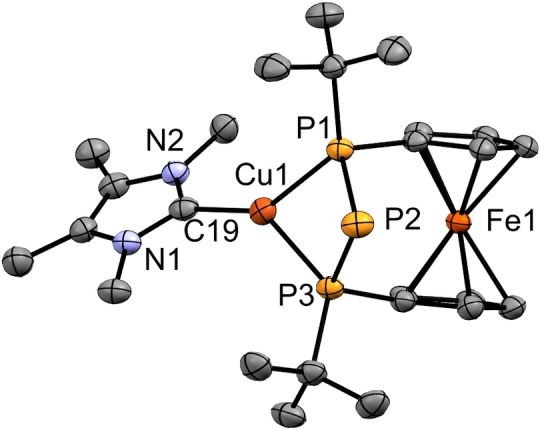 Figure 1
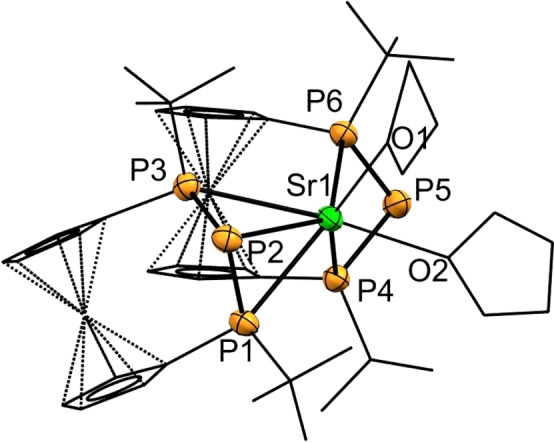 Figure 2
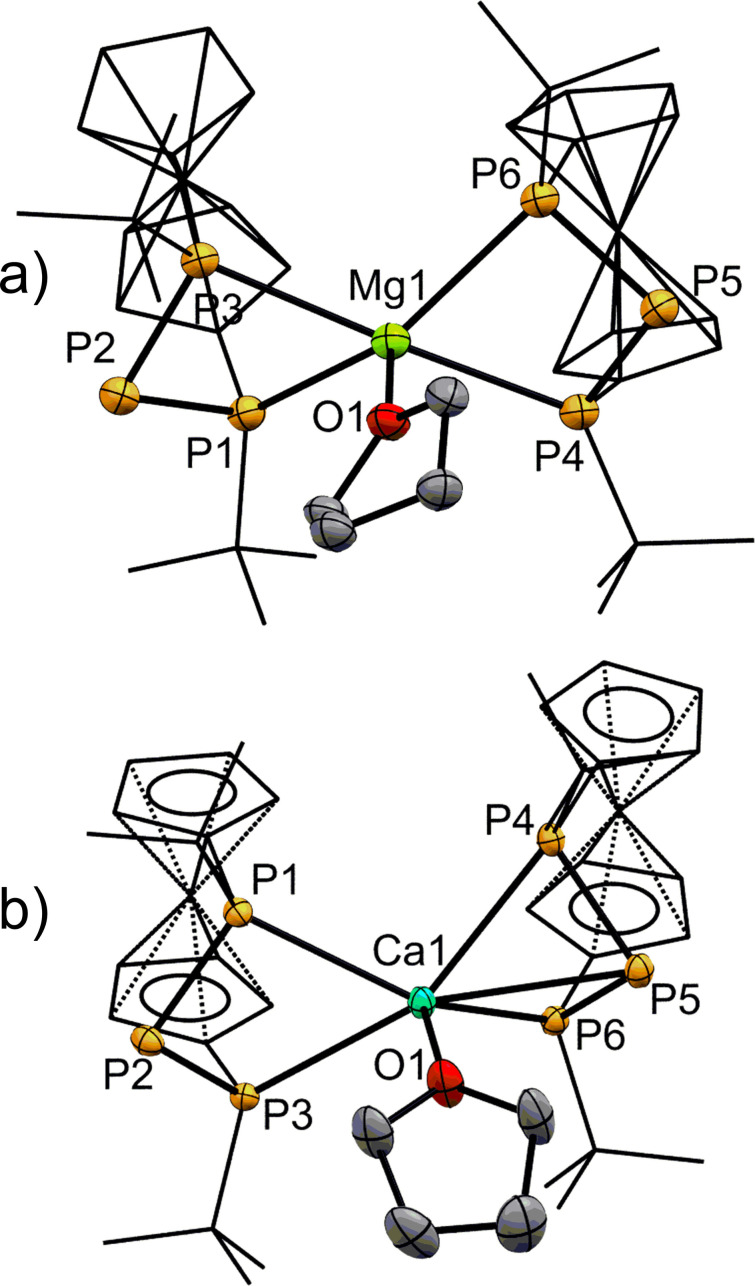 Figure 3
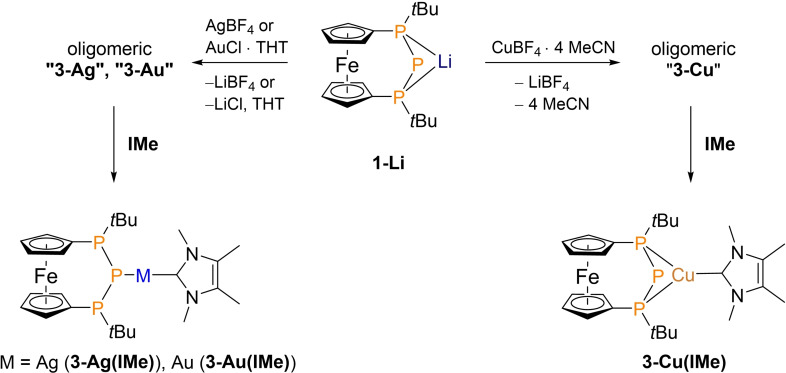 Figure 4
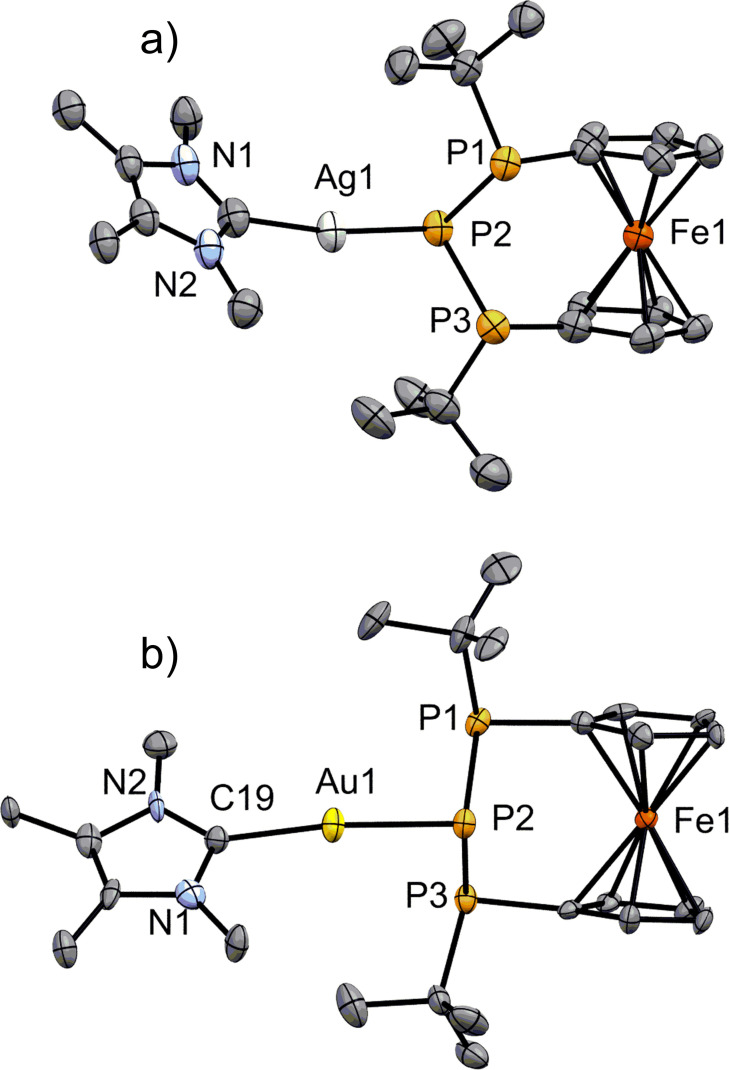 Figure 5
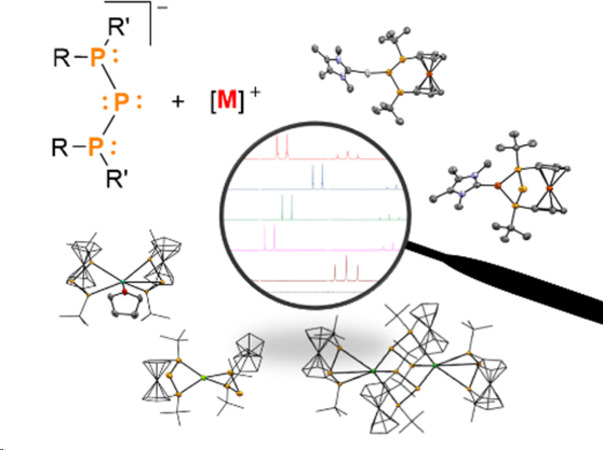 Figure 6
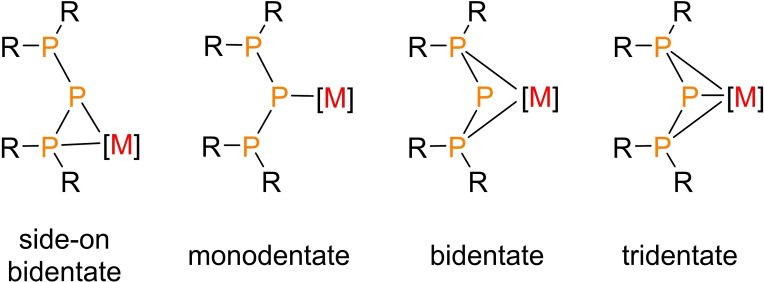 Figure 7
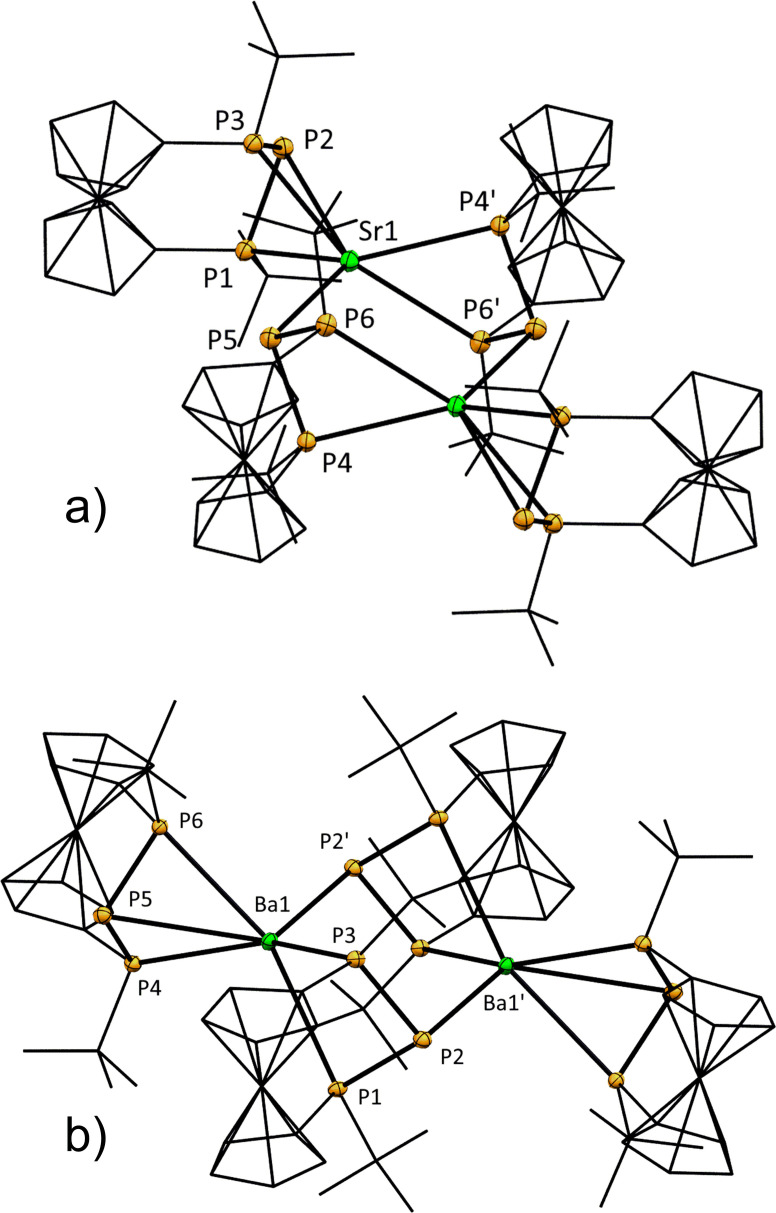 Figure 8
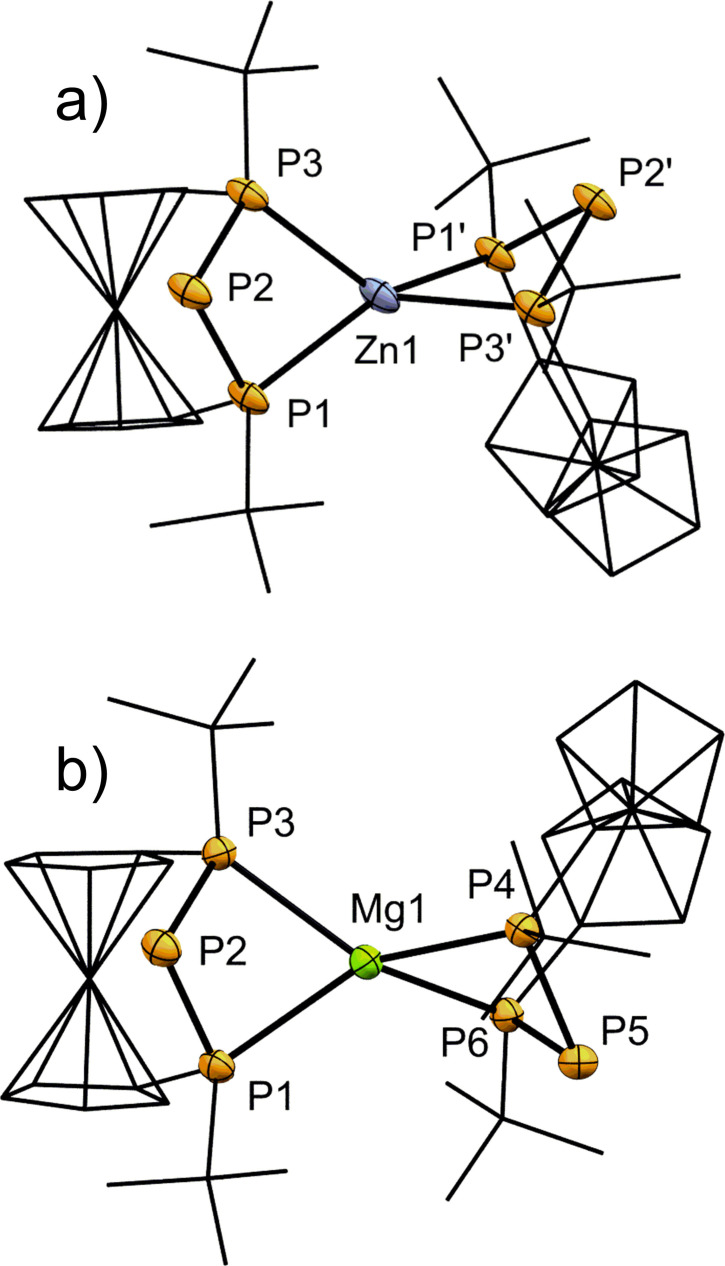 Figure 9
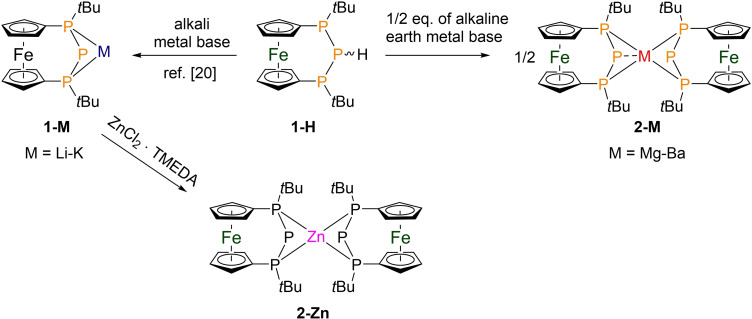 Figure 10
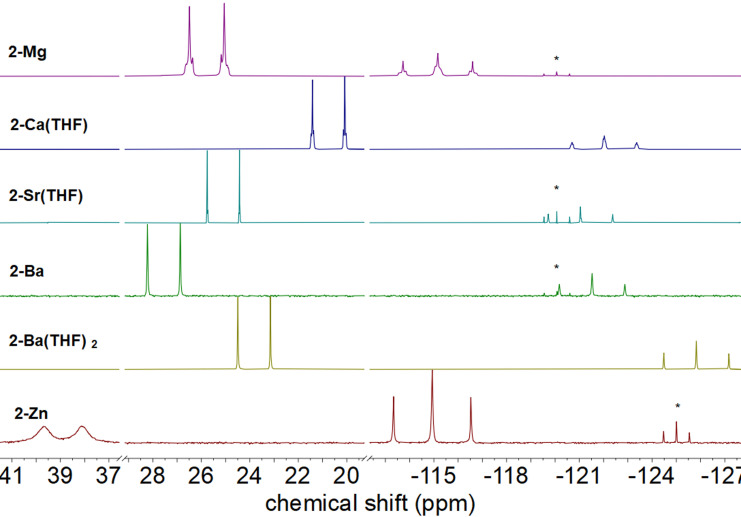 Figure 11
Peer Reviews
No public reviews on file for this paper yet. If you reviewed it on a platform where reviews are public (OpenReview, ICLR, NeurIPS, ICML), you can paste yours below so the community can read it here.
Videos
No videos yet. Explain this paper in a talk, walkthrough, or lecture? Add one.
Taxonomy
TopicsSynthesis and characterization of novel inorganic/organometallic compounds · Organometallic Complex Synthesis and Catalysis · Chemical Synthesis and Characterization