Sanshen San Formula Hinders Cognitive Function and Pathology in Alzheimer's Disease Through Potentiating the Function of Synapse
Shiquan Chang, Nana Ding, Yalin Li, Ying Li, Ziling Tang, Junping Pan, Li Yan, Jiaxu Chen

TL;DR
A traditional Chinese herbal formula improves cognitive function and reduces Alzheimer's disease pathology in mice by enhancing synapse and mitochondrial function.
Contribution
Sanshen San is shown to be a multi-target therapeutic strategy for Alzheimer's disease through synaptic and metabolic mechanisms.
Findings
Sanshen San improves cognitive performance in Aβ1-42-injected and 5xFAD mouse models.
The formula reduces Aβ plaque burden and enhances microglial phagocytosis.
SSS restores synaptic integrity and neurotransmitter balance, particularly in the dopaminergic system.
Abstract
Alzheimer's disease (AD) constitutes a devastating neurodegenerative disorder, manifested by amyloid‐β aggregation, phosphorylated tau accumulation, and progressive cognitive deterioration. Current therapeutic interventions remain predominantly symptomatic, underscoring the urgency for more efficacious treatment strategies. This study elucidated the therapeutic potential of Sanshen San (SSS), a traditional Chinese herbal formula encompassing Polygala Radix, Pini Radix in Poria, and Acori Tatarinowii Rhizoma, on cognitive function and AD pathology. We implemented both acute Aβ1‐42‐injected mice and 5xFAD transgenic mouse models. The therapeutic efficacy of SSS was assessed through behavioral paradigms including Y‐maze, Novel Object Recognition, and Morris Water Maze. Molecular mechanisms were delineated utilizing RNA sequencing, metabolomics analysis, immunofluorescence staining,…
Genes, proteins, chemicals, diseases, species, mutations and cell lines named across the full text — each resolved to its canonical identifier and authoritative record.
Click any figure to enlarge with its caption.
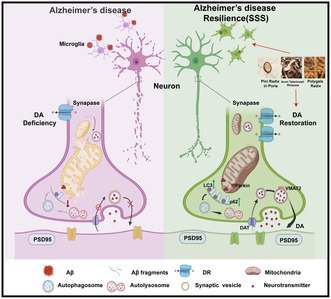 Figure 1
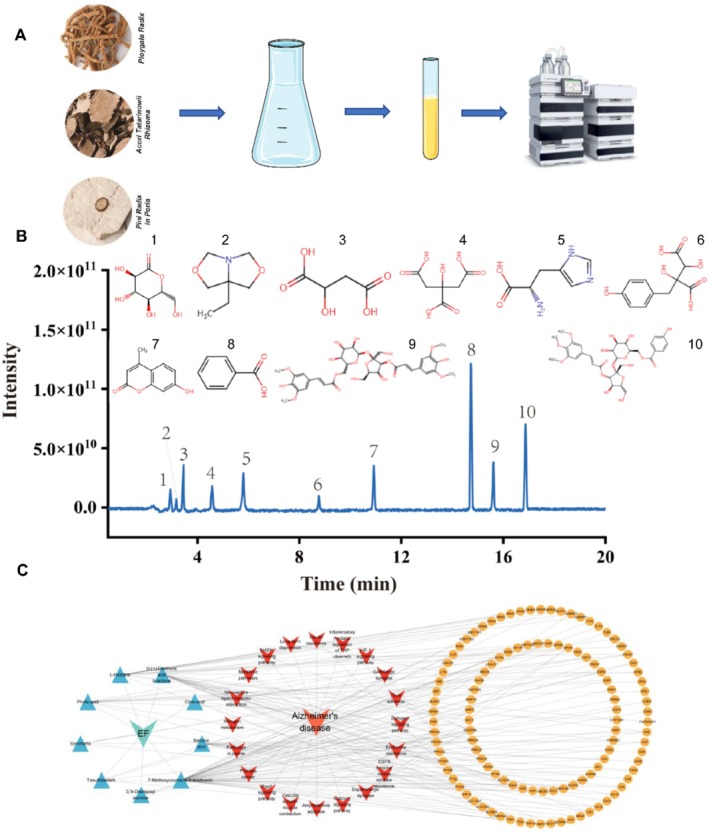 Figure 2
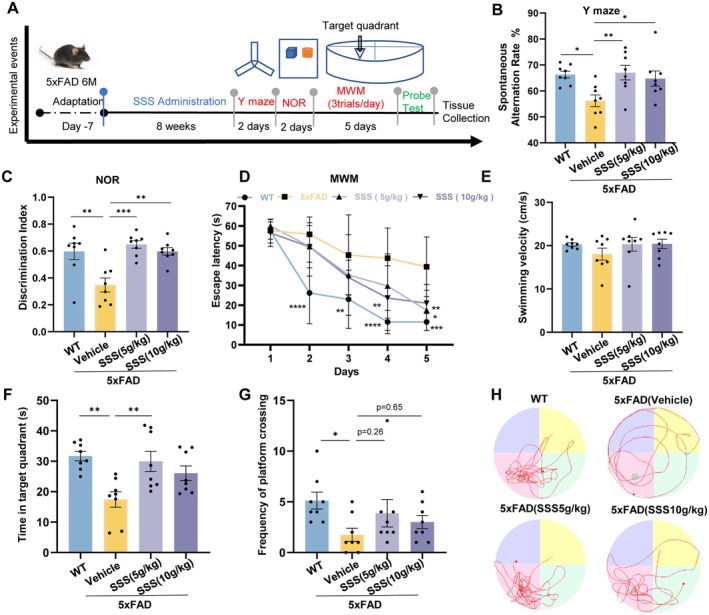 Figure 3
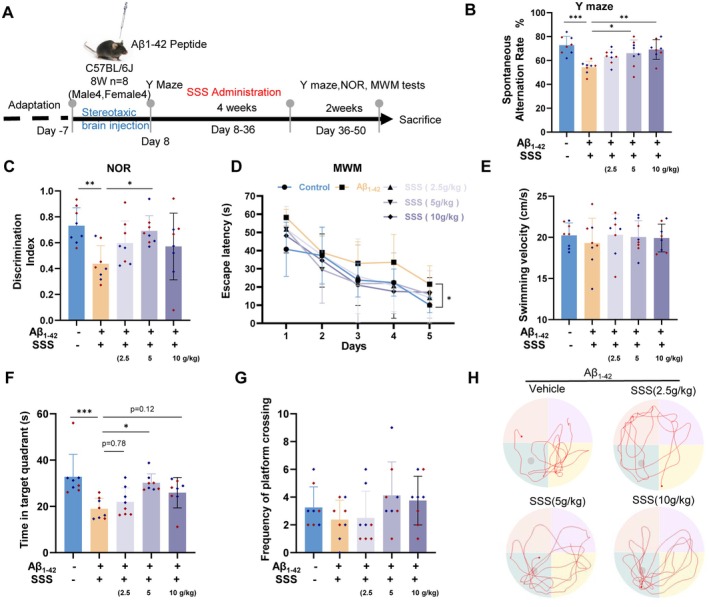 Figure 4
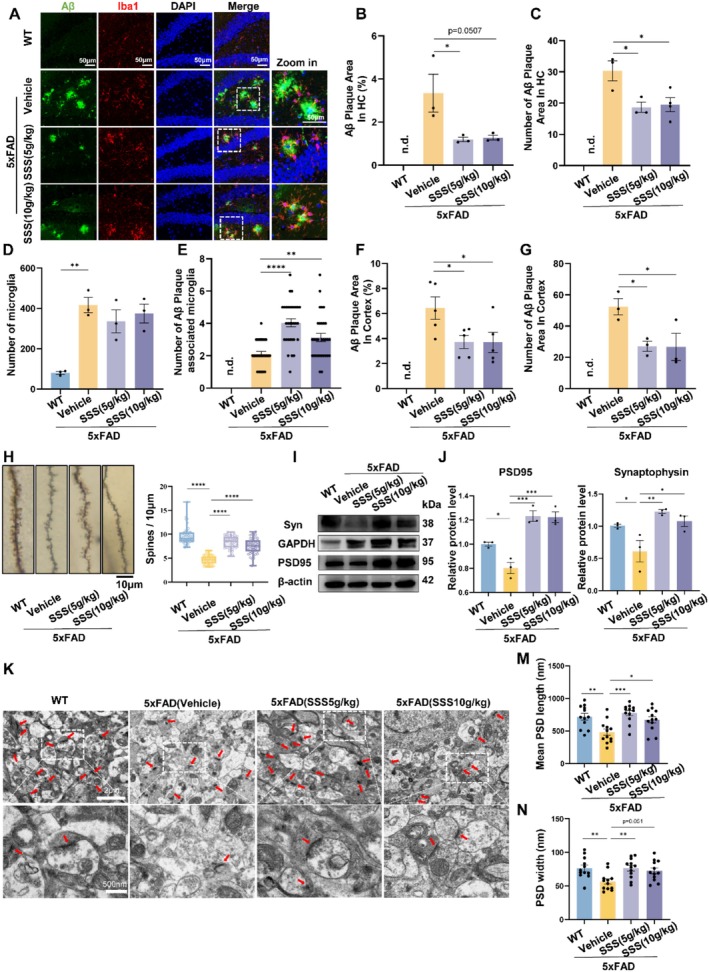 Figure 5
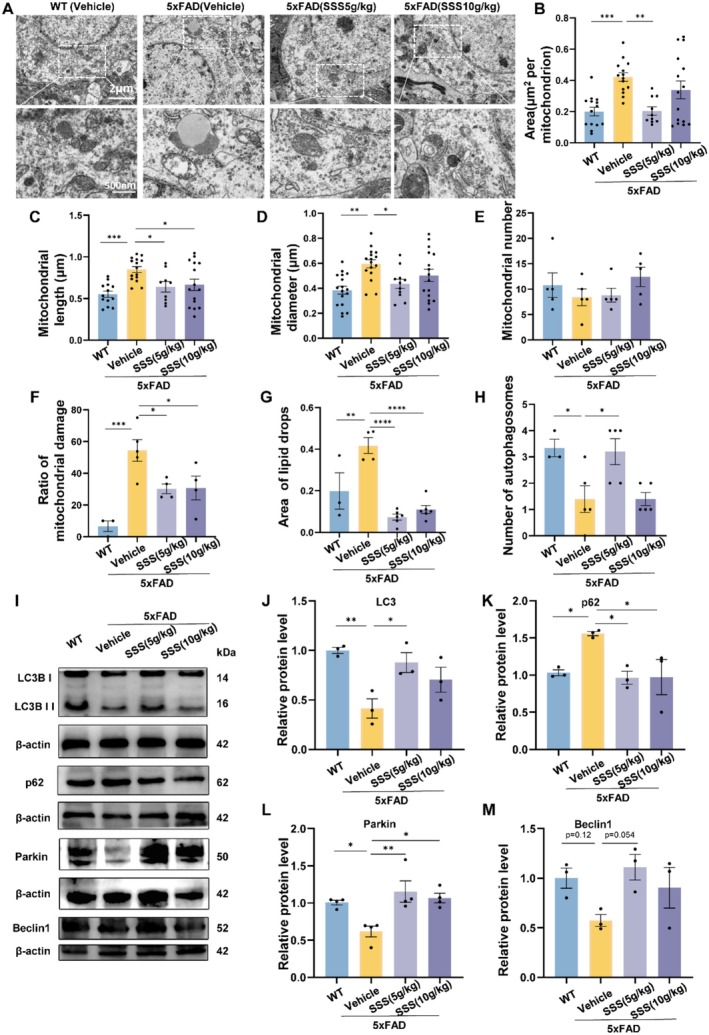 Figure 6
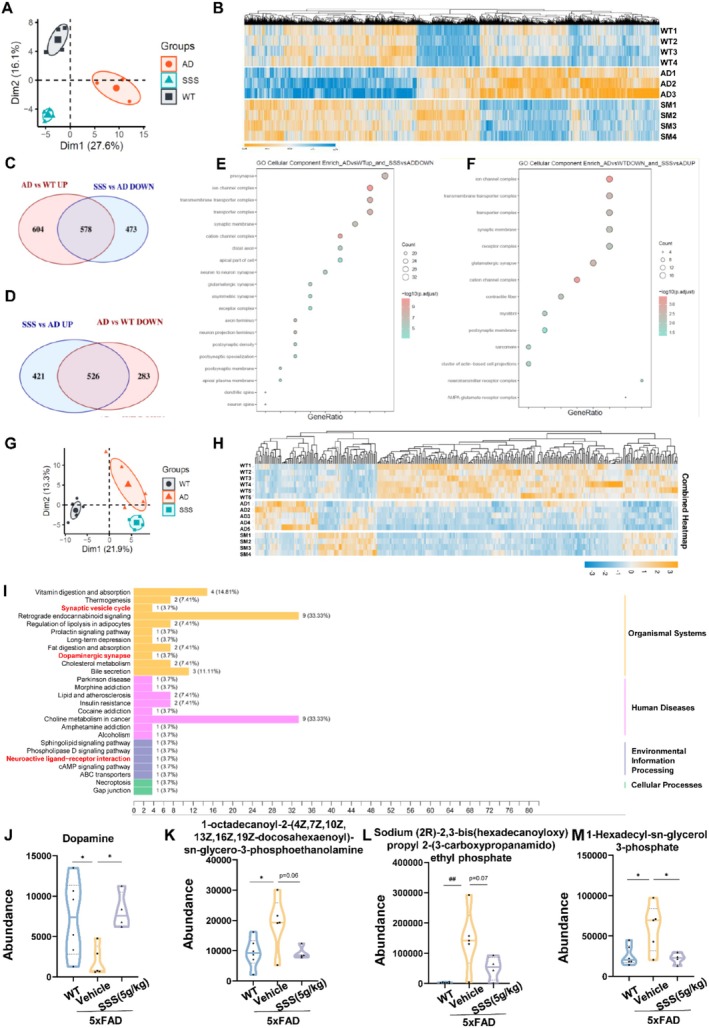 Figure 7
Peer Reviews
No public reviews on file for this paper yet. If you reviewed it on a platform where reviews are public (OpenReview, ICLR, NeurIPS, ICML), you can paste yours below so the community can read it here.
Videos
No videos yet. Explain this paper in a talk, walkthrough, or lecture? Add one.
Taxonomy
TopicsAlzheimer's disease research and treatments · Medicinal Plants and Neuroprotection · Neurological Disease Mechanisms and Treatments