Dose Adjustment of Intravenous Immunoglobulin Therapy With Serum IgG Monitoring to Prevent Hyperviscosity in a 13-Year-Old Boy With Kawasaki Disease
Shin Takeo, Shoichiro Kanda, Keiichi Takizawa, Yuko Kajiho, Akiko Kinumaki

TL;DR
A 13-year-old boy with Kawasaki disease safely received adjusted IVIG doses by monitoring serum IgG to avoid hyperviscosity, showing the need for personalized dosing in older patients.
Contribution
Demonstrates the use of serum IgG monitoring to adjust IVIG doses in older Kawasaki disease patients, preventing hyperviscosity without compromising treatment efficacy.
Findings
Adjusted IVIG doses based on serum IgG monitoring prevented hyperviscosity in a 13-year-old KD patient.
The patient completed treatment without major adverse effects or coronary artery aneurysms.
Serum IgG levels increased more in this older patient compared to younger children receiving the same IVIG dose.
Abstract
Kawasaki disease (KD) primarily affects infants and young children, with cases in patients over 10 years of age being relatively rare. The standard treatment involves intravenous administration of high-dose intravenous immunoglobulin (IVIG) at 2 g/kg. In pediatric medicine, drug dosages are typically adjusted according to body size; however, in older children, body size-based dosing often results in excessively high doses, and adult dosages are frequently used as upper limits. Notably, no such upper limit exists for IVIG. Given that IVIG administration can cause severe cardiac and neurological complications due to hyperviscosity syndrome, careful dose management is essential. Here, we report the case of a 13-year-old KD patient weighing 53 kg who underwent repeated high-dose IVIG therapy. Serum IgG levels, total protein concentration, and hematocrit were monitored over time as an…
Genes, proteins, chemicals, diseases, species, mutations and cell lines named across the full text — each resolved to its canonical identifier and authoritative record.
Click any figure to enlarge with its caption.
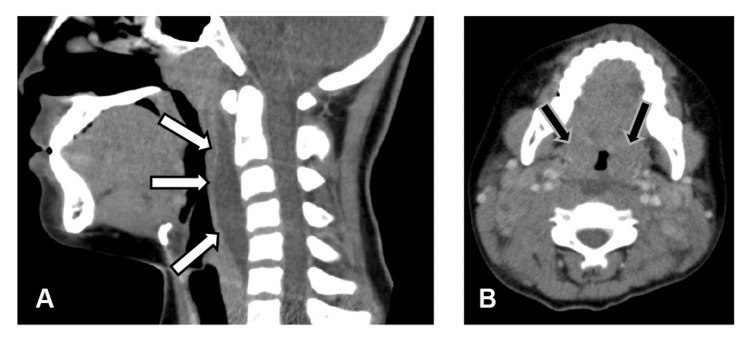 Figure 1
Peer Reviews
No public reviews on file for this paper yet. If you reviewed it on a platform where reviews are public (OpenReview, ICLR, NeurIPS, ICML), you can paste yours below so the community can read it here.
Videos
No videos yet. Explain this paper in a talk, walkthrough, or lecture? Add one.
Taxonomy
TopicsKawasaki Disease and Coronary Complications · Streptococcal Infections and Treatments · Mechanical Circulatory Support Devices