Adenosine-generating CD39+ plasmablasts predispose to successful infliximab therapy in pediatric IBD
Alexander Schnell, Benedikt Schwarz, Hannah Schmidt, Ida Allabauer, Wolfgang Schuh, Adrian P Regensburger, Manfred Rauh, Joachim Woelfle, André Hoerning

TL;DR
This study shows that CD39+ plasmablasts and their ability to produce adenosine may predict successful infliximab treatment in children with inflammatory bowel disease.
Contribution
Identifies CD39+ plasmablasts and adenosine production as novel predictors of infliximab response in pediatric IBD.
Findings
IFX responders had higher CD39 expression on plasmablasts and increased adenosine production before treatment.
Responders showed elevated IL10-producing and α4β7hi plasmablasts compared to nonresponders.
CD39+ plasmablasts were reduced in inflamed tissues, especially in nonresponders.
Abstract
IFX responders showed increased CD39 expression on plasmablasts and higher levels of CD39/CD73 co-expression on naïve and memory B cells, along with enhanced ATP degradation and adenosine production before treatment. Response was associated with increased IL10-producing plasmablasts and α4β7hi plasmablasts. B cells display several immunoregulatory mechanisms including the production of interleukin-10. Ectonucleotidases like CD39 and CD73 influence immune homeostasis by metabolizing eATP and generating immunosuppressive adenosine. The major objective was to examine the expression of those immunoregulatory molecules on B-cell subsets, and, more specifically, to determine their association with an infliximab (IFX) treatment in a pediatric inflammatory bowel disease (IBD) cohort. 42 IBD patients were assessed for IFX response after 12 mo of therapy and compared against 14 healthy controls…
Genes, proteins, chemicals, diseases, species, mutations and cell lines named across the full text — each resolved to its canonical identifier and authoritative record.
Click any figure to enlarge with its caption.
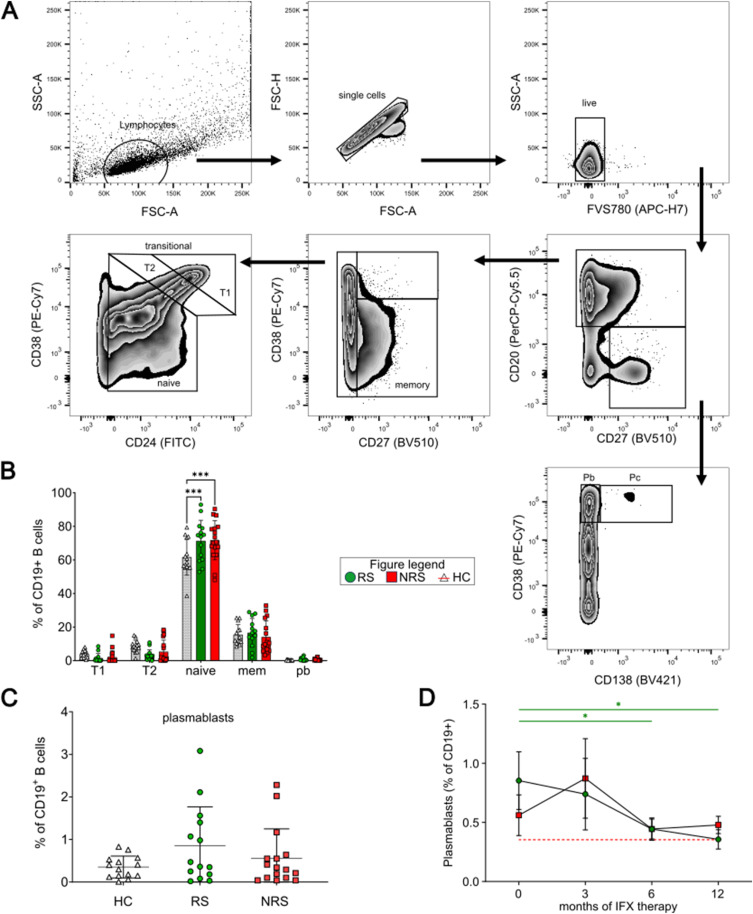 Figure 1
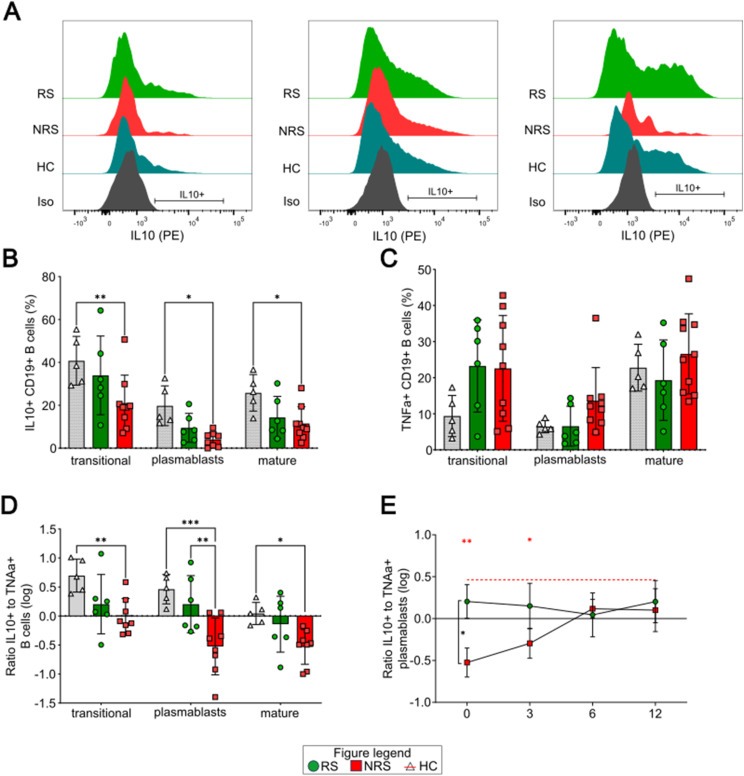 Figure 2
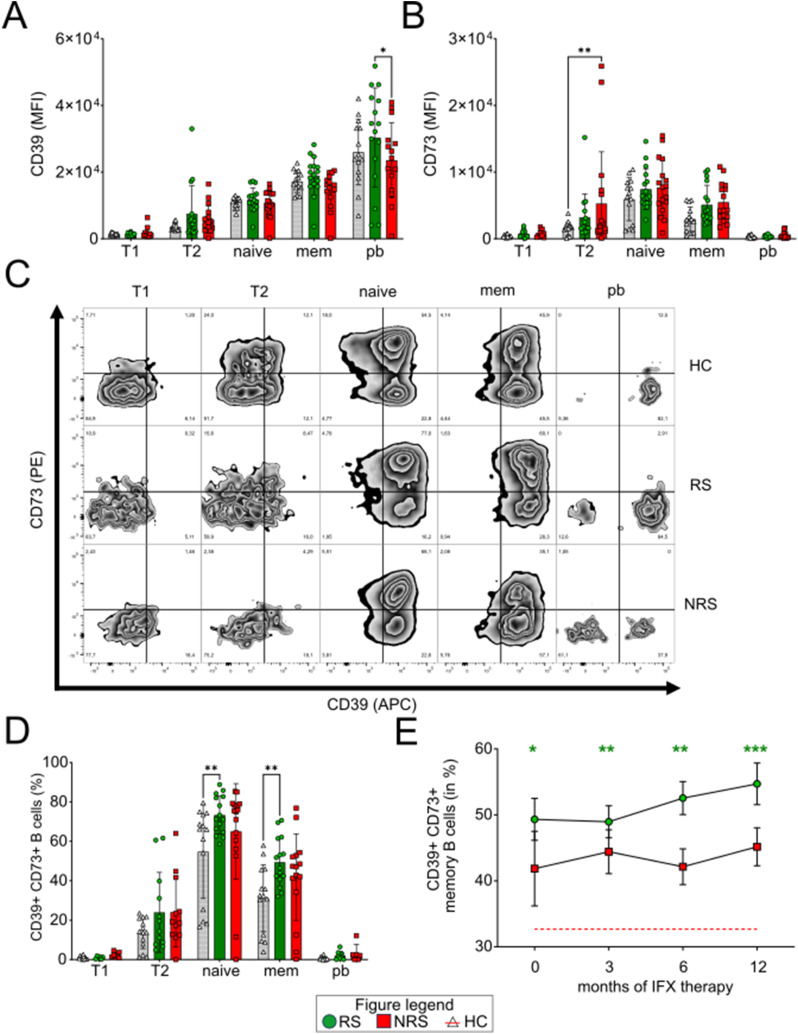 Figure 3
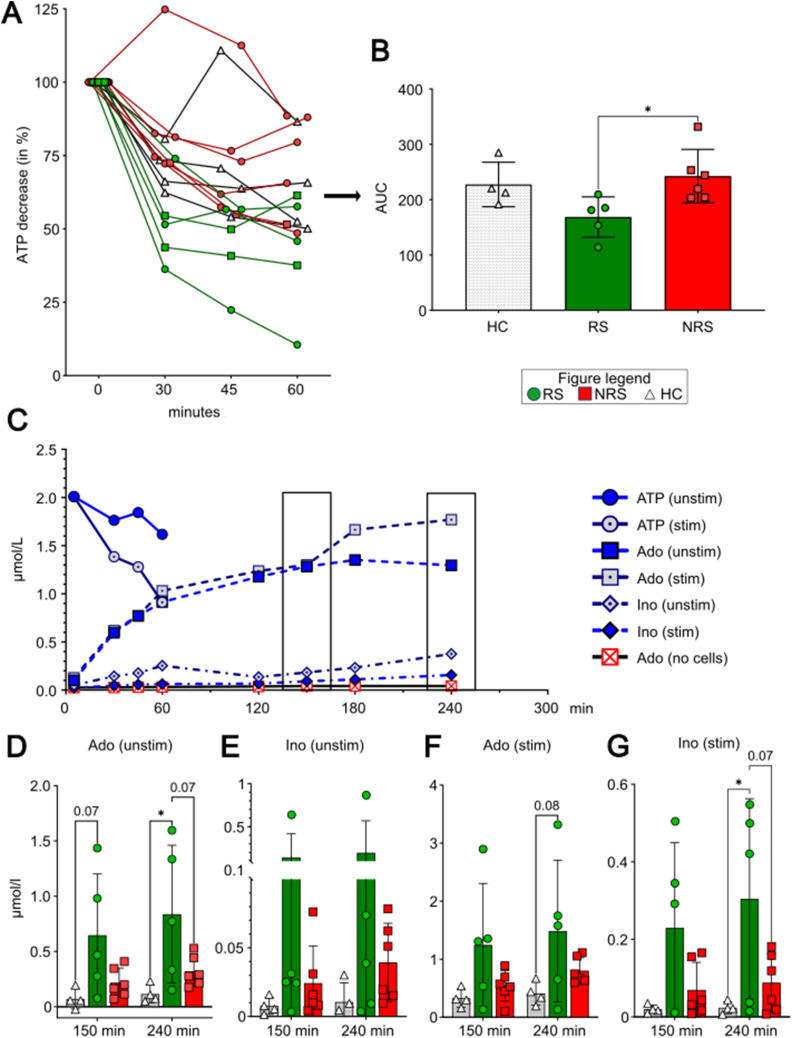 Figure 4
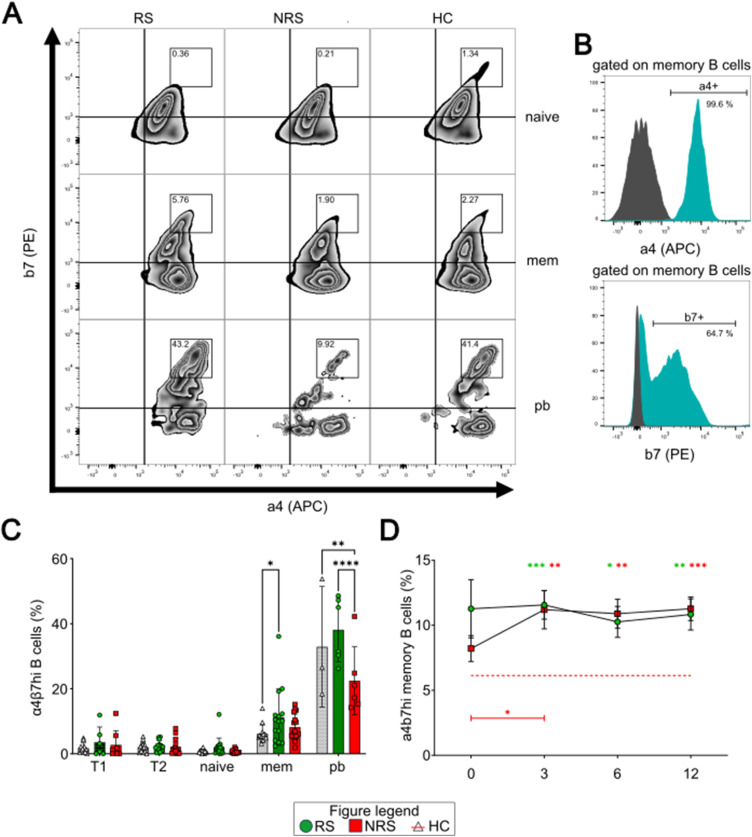 Figure 5
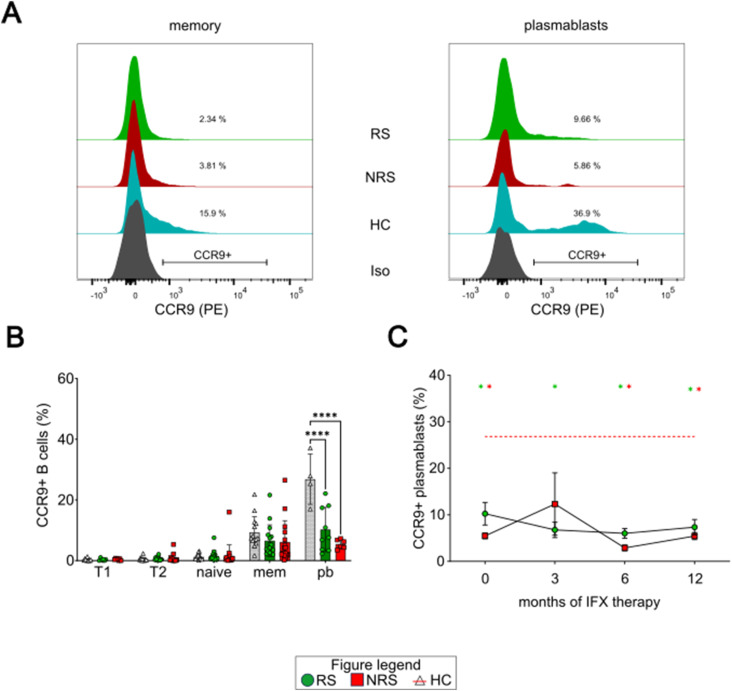 Figure 6
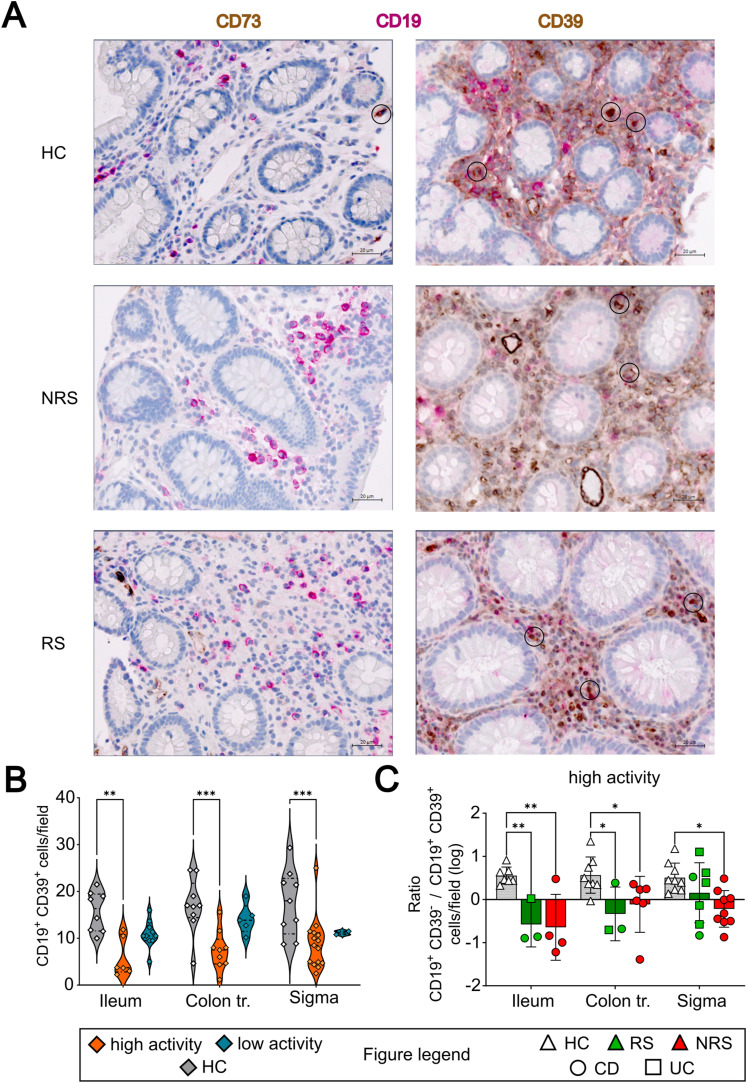 Figure 7
 Figure 8
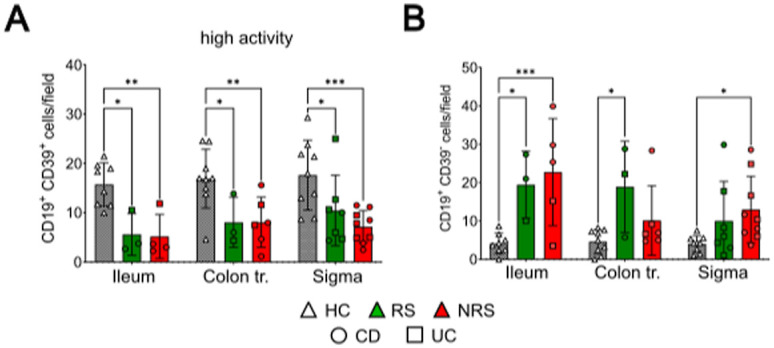 Figure 9
Peer Reviews
No public reviews on file for this paper yet. If you reviewed it on a platform where reviews are public (OpenReview, ICLR, NeurIPS, ICML), you can paste yours below so the community can read it here.
Videos
No videos yet. Explain this paper in a talk, walkthrough, or lecture? Add one.
Taxonomy
TopicsAdenosine and Purinergic Signaling · Cytomegalovirus and herpesvirus research · Immune Cell Function and Interaction