A seated virtual exercise program to improve cardiovascular function in adults with chronic neurological impairments: a randomized controlled trial
Devina S. Kumar, Amy Bialek, Ayushi A. Divecha, Rachel M. Garn, Lydia E. J. Currie, Kathleen M. Friel

TL;DR
A virtual seated exercise program was tested for people with chronic neurological impairments, finding that live sessions increased motivation but no cardiovascular improvements were observed.
Contribution
The study evaluates the feasibility and motivational impact of synchronous versus asynchronous tele-exercise for individuals with chronic neurological impairments.
Findings
No significant cardiovascular improvements were observed in either group over 12 weeks.
The synchronous group reported significantly higher exercise motivation compared to the asynchronous group.
High satisfaction was reported with the virtual format, including Zoom and Polar heart rate monitors.
Abstract
Individuals with chronic neurological impairments often face significant barriers to regular exercise such as limited access to facilities, transportation challenges, and safety concerns. Tele-exercise has emerged as a potential solution to these challenges, particularly in the context of the COVID-19 pandemic. This study aimed to investigate the effects of a seated home-based tele-exercise regimen on cardiovascular function in adults with chronic neurological impairments. In this virtual randomized controlled trial, 63 participants with Chronic Neurological Impairments were randomized into either a synchronous group that attended live online exercise sessions via Zoom, or an asynchronous group that accessed pre-recorded exercise sessions. Both groups completed three 45 min sessions per week focused on moderate to high-intensity seated exercises over 12 weeks. Primary outcomes…
Genes, proteins, chemicals, diseases, species, mutations and cell lines named across the full text — each resolved to its canonical identifier and authoritative record.
Click any figure to enlarge with its caption.
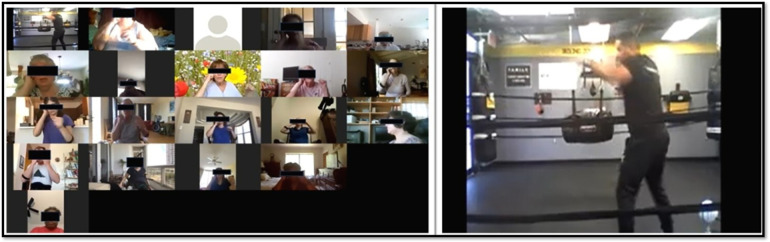 Figure 1
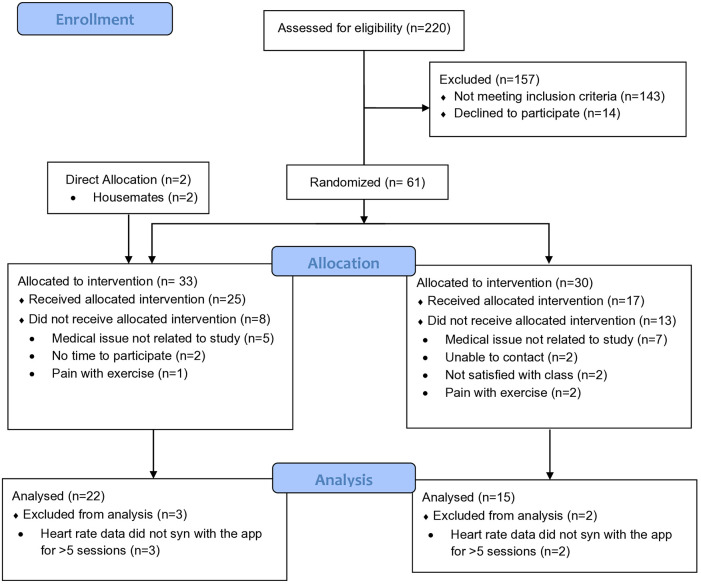 Figure 2
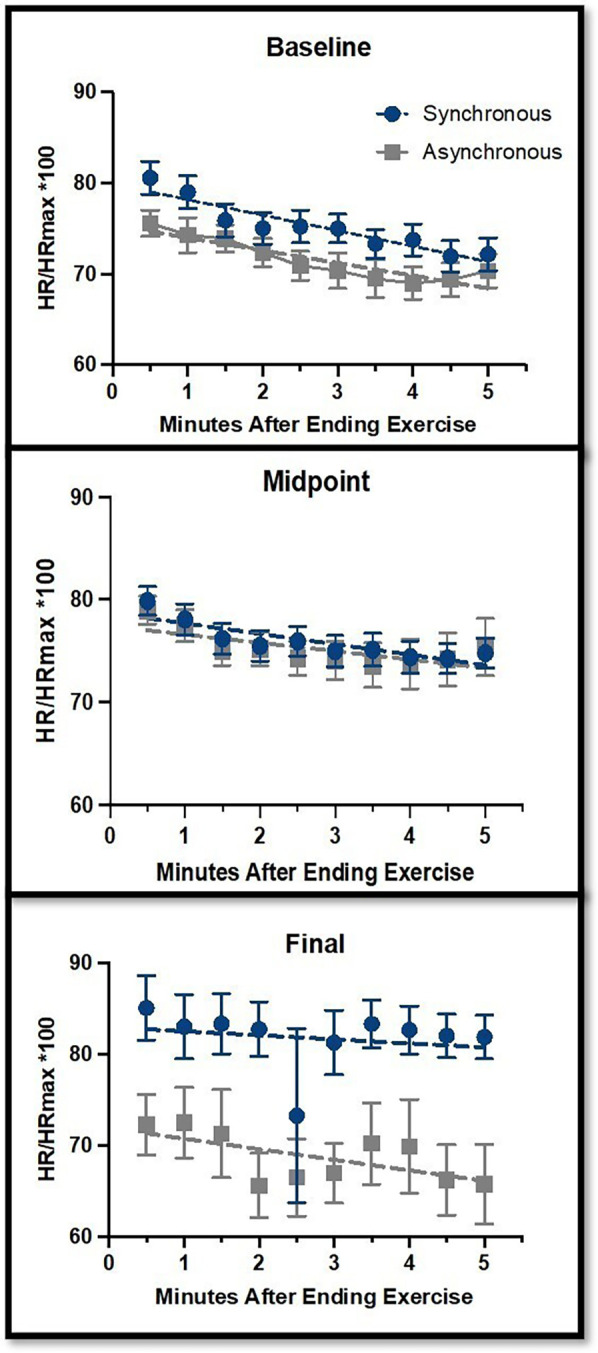 Figure 3
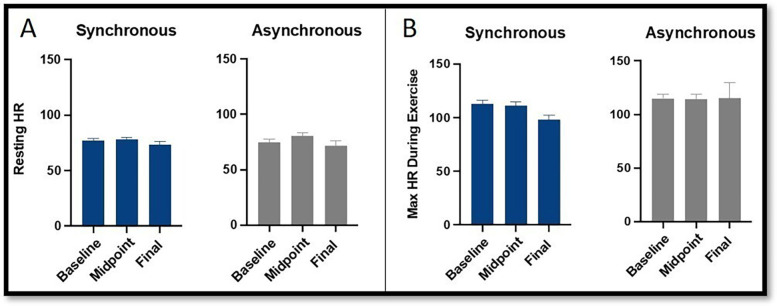 Figure 4
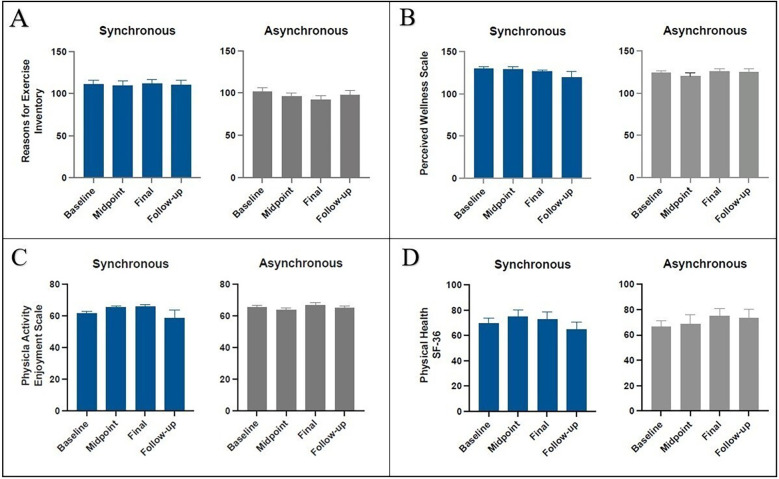 Figure 5
Peer Reviews
No public reviews on file for this paper yet. If you reviewed it on a platform where reviews are public (OpenReview, ICLR, NeurIPS, ICML), you can paste yours below so the community can read it here.
Videos
No videos yet. Explain this paper in a talk, walkthrough, or lecture? Add one.
Taxonomy
TopicsCardiac Health and Mental Health · Stroke Rehabilitation and Recovery · Long-Term Effects of COVID-19