A dynamic nonlinear flow algorithm to model patient flow
Arsineh Boodaghian Asl, Jayanth Raghothama, Adam S. Darwich, Sebastiaan Meijer

TL;DR
This paper introduces a new algorithm to model patient flow in hospitals, identifying bottlenecks and analyzing hospital performance dynamically.
Contribution
A modified dynamic flow algorithm is proposed to capture patient flow variability in hospitals, incorporating ward capacities, staff, and service time.
Findings
The algorithm creates a dynamic residual graph to measure bottleneck persistency and severity.
It identifies root causes of bottlenecks and wards’ nonlinear behavior over time.
The method provides a quick holistic view of hospital performance.
Abstract
Hospitals are complex systems, and the flow of patients is dynamic and nonlinear in such systems. Network representation allows flow algorithms to observe bottlenecks as candidates for optimisation. To model the dynamic behaviour of the patient flow, we need to consider the variability in arrival rates and service times (length of stay). Previously proposed dynamic flow algorithms mainly focused on arrival and departure rates, inflow and outflow, edges’ and vertices’ capacity, and routing, with applications mainly in transportation and telecommunication. In hospitals, bottlenecks that emerge from the patients’ flow are a result of the vertices (wards) behaviour defined by capacity (beds), number of servers (staff), service time variability, and edges (care pathways) distribution probability. We offer a modified flow algorithm that takes a hospital network, iterates over the patients’…
Genes, proteins, chemicals, diseases, species, mutations and cell lines named across the full text — each resolved to its canonical identifier and authoritative record.
Click any figure to enlarge with its caption.
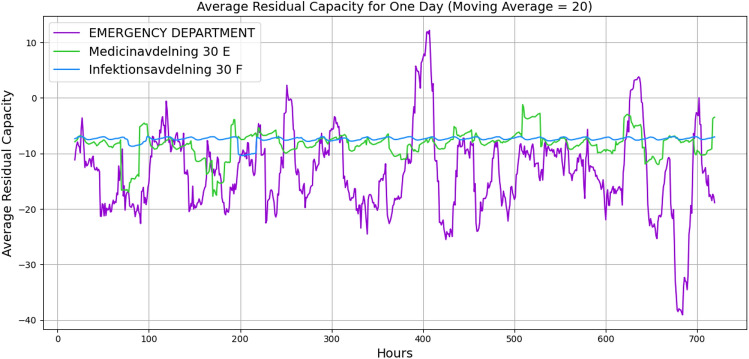 Figure 10
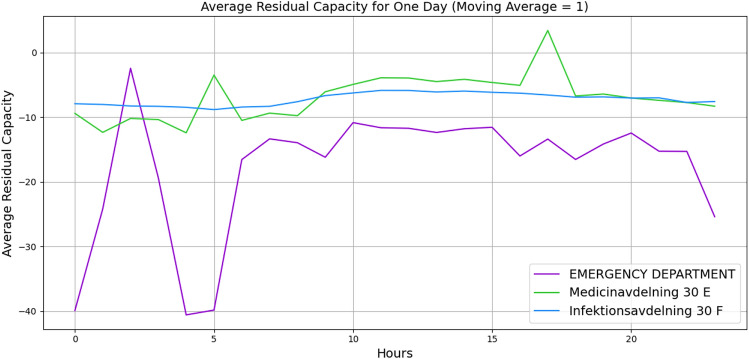 Figure 11
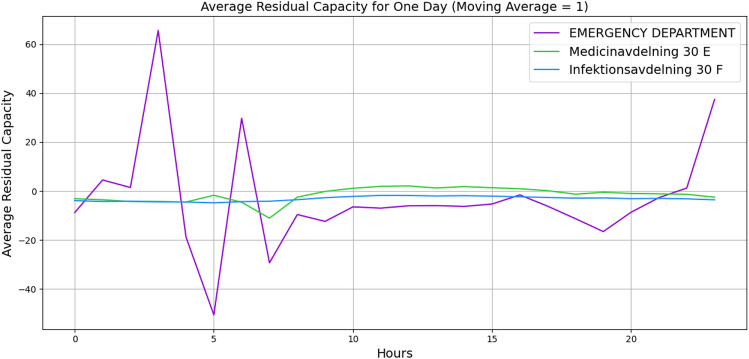 Figure 12
 Figure 1
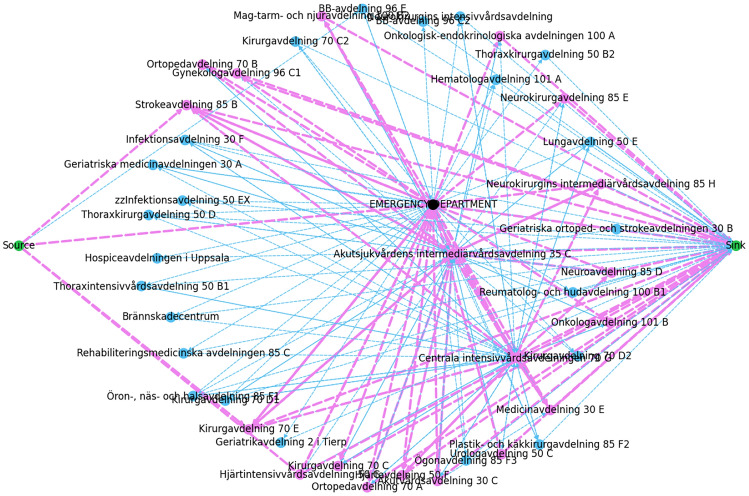 Figure 2
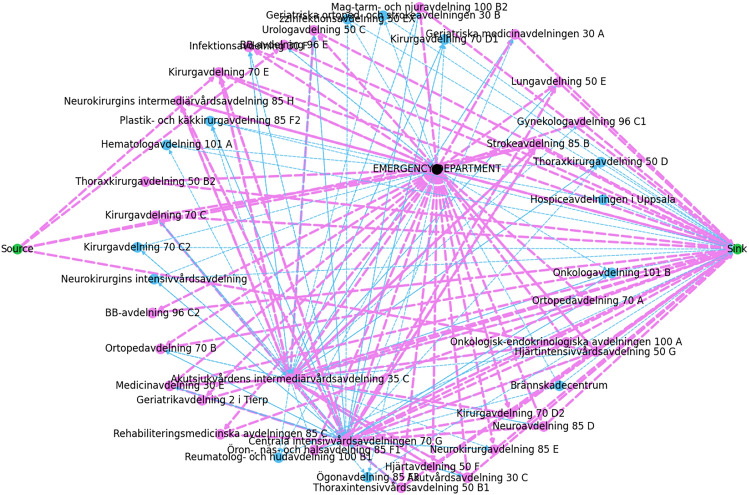 Figure 3
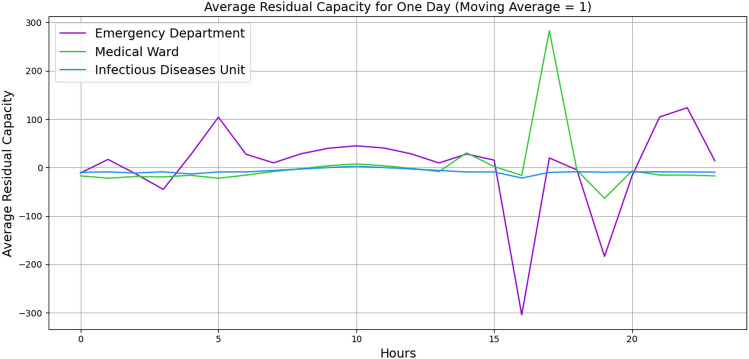 Figure 4
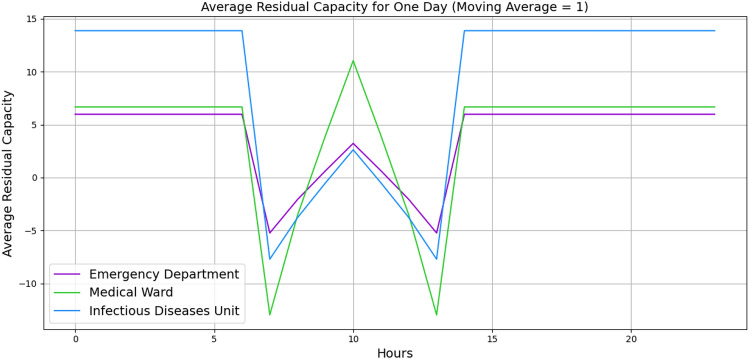 Figure 5
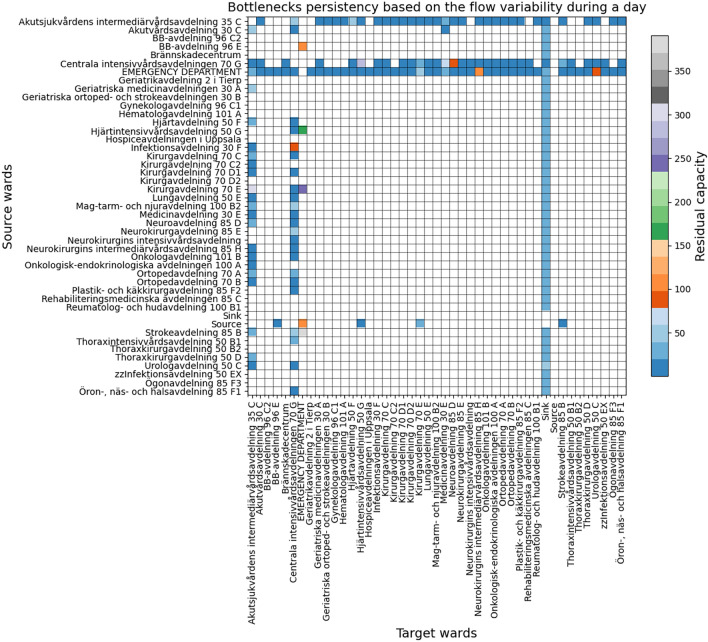 Figure 6
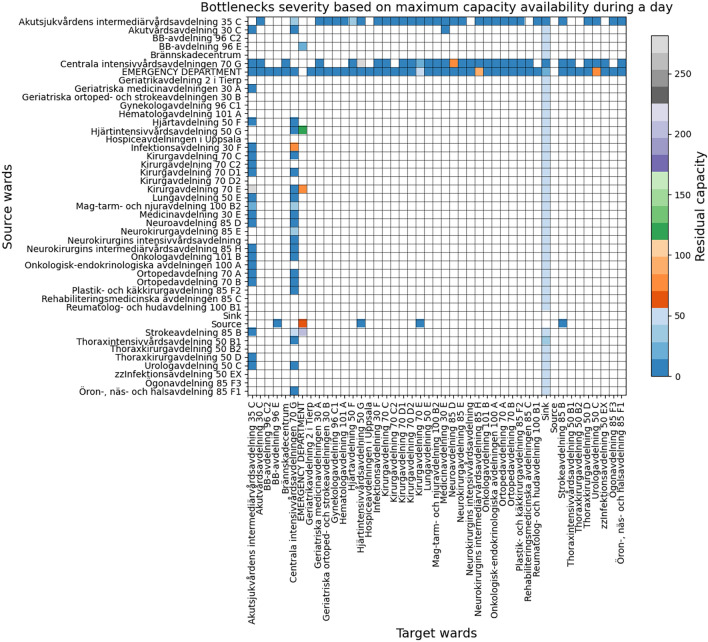 Figure 7
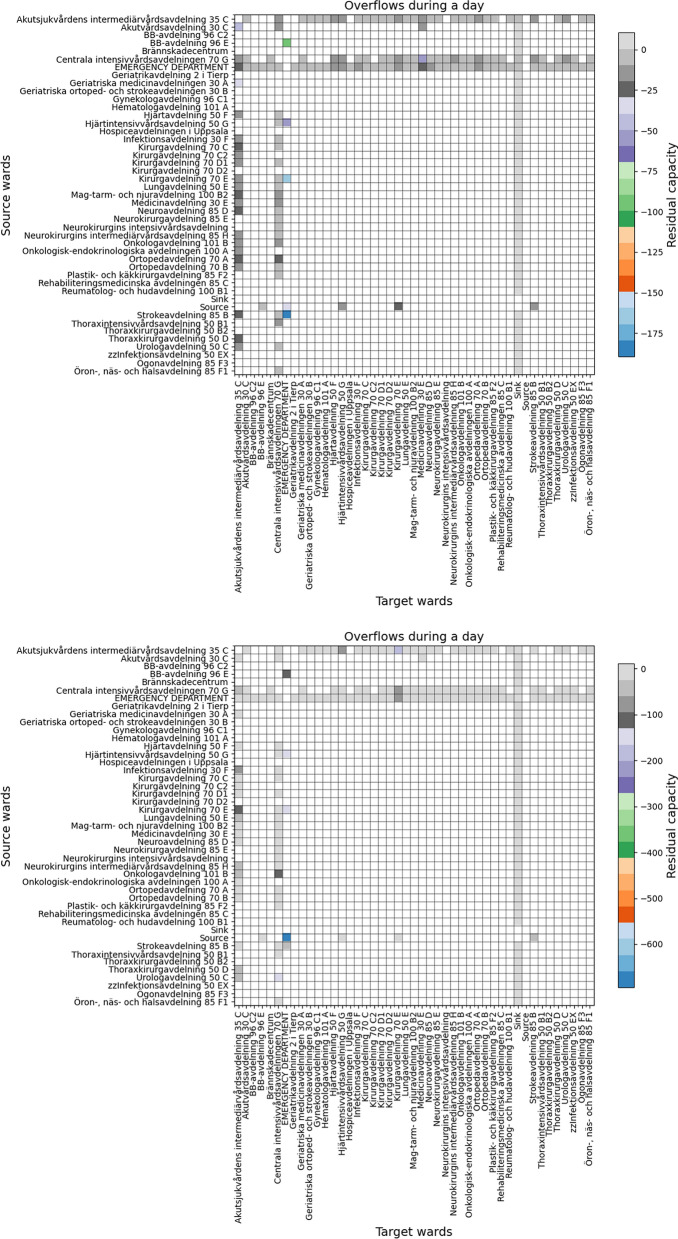 Figure 8
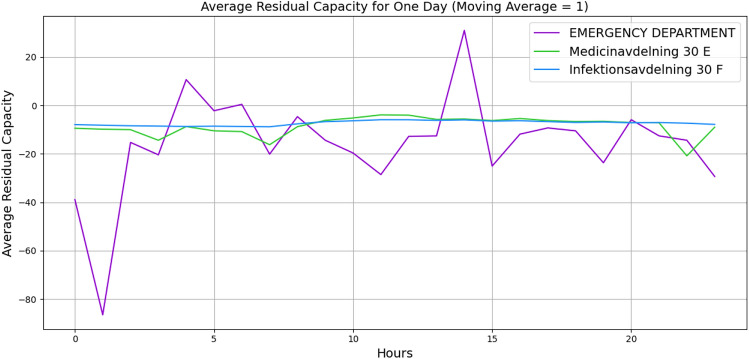 Figure 9
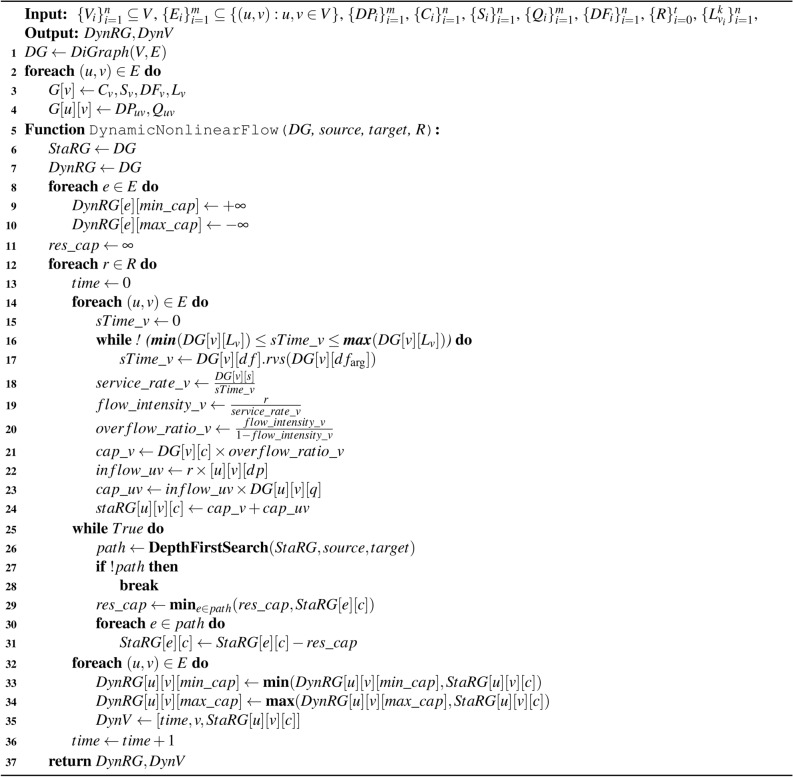 Figure 13
Peer Reviews
No public reviews on file for this paper yet. If you reviewed it on a platform where reviews are public (OpenReview, ICLR, NeurIPS, ICML), you can paste yours below so the community can read it here.
Videos
No videos yet. Explain this paper in a talk, walkthrough, or lecture? Add one.
Taxonomy
TopicsHealthcare Operations and Scheduling Optimization · Advanced Queuing Theory Analysis · Healthcare Policy and Management