Morphophysiological and transcriptomic analyses during the development of microspores and megaspores in Orobanche coerulescens
Kelin Cui, Jingyi Liu, Yuanyuan Xie, Yaqin Xiao, Yuxin Tian, Lijuan Jiang, Yandong Niu

TL;DR
This study explores the development of microspores and megaspores in the parasitic plant Orobanche coerulescens, revealing key morphological and genetic factors involved in its reproduction.
Contribution
The study provides a detailed morphophysiological and transcriptomic analysis of spore development in O. coerulescens, identifying key regulatory genes and phytohormone dynamics.
Findings
The flower development of O. coerulescens is divided into six stages, with megaspores maturing 15 days later than microspores.
Key regulatory genes for phytohormone synthesis include ALDHs, while TIR1, IAA3, and ARF5 are involved in signaling.
Soluble sugar and starch levels fluctuate during development, with phytohormones like strigolactone, auxin, and gibberellins increasing.
Abstract
Orobanche coerulescens is a parasitic plant considered as a malignant weed due to its harmful effects on crops. However, its richness in high-value secondary metabolites makes it a significant medicinal resource. The development of microspores and megaspores is essential for sexual reproduction in plants but research on this aspect of O. coerulescens is lacking. This study aimed to systematically observe the developmental processes of microspores and megaspores in O. coerulescens using microscopic techniques. We measured the levels of soluble sugar, starch, and phytohormones during different developmental stages. We also investigated the key regulatory genes in the metabolic pathways of phytohormones that are closely related to the development of microspores and megaspores using transcriptome sequencing technology. The findings revealed that the flower development process of O.…
Genes, proteins, chemicals, diseases, species, mutations and cell lines named across the full text — each resolved to its canonical identifier and authoritative record.
Click any figure to enlarge with its caption.
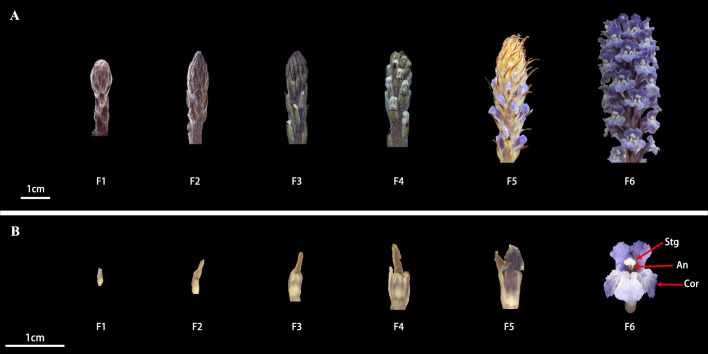 Figure 1
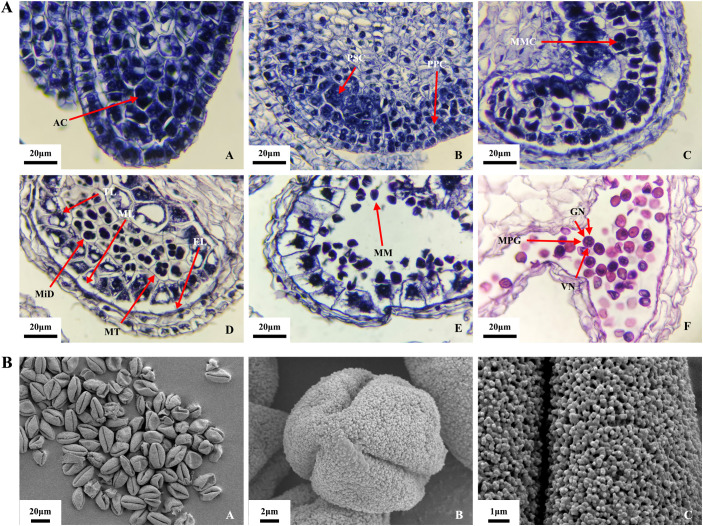 Figure 2
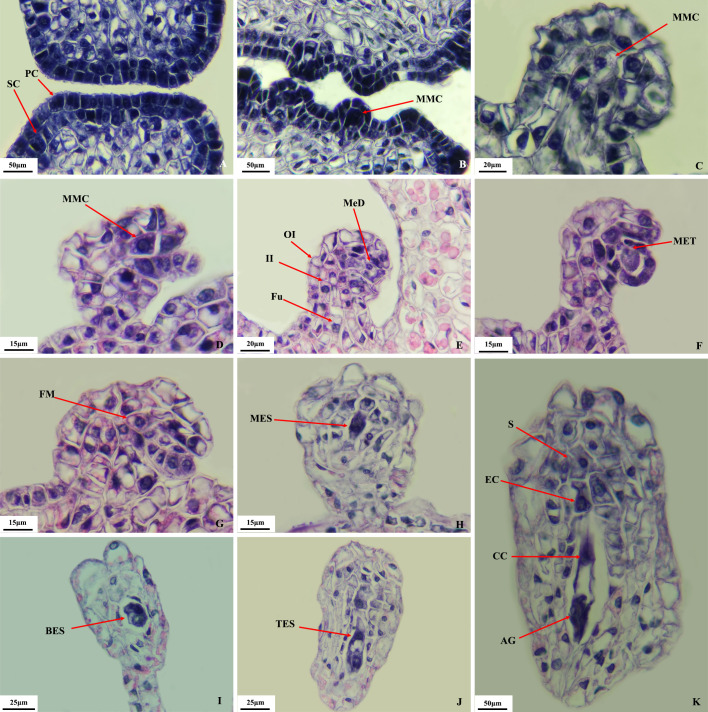 Figure 3
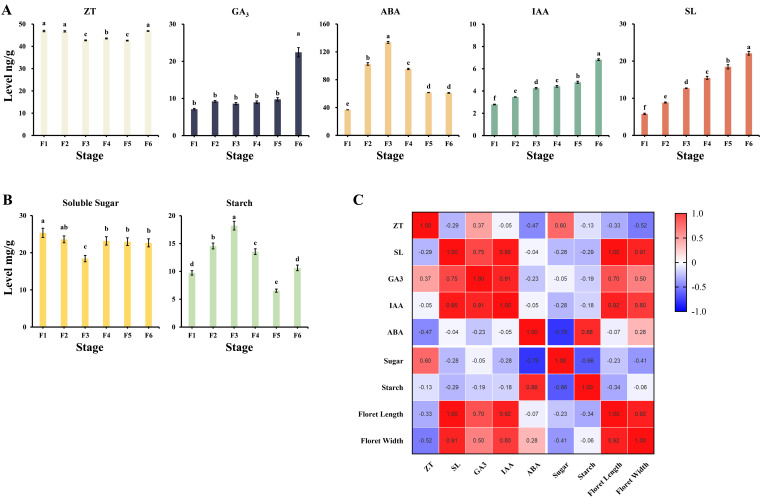 Figure 4
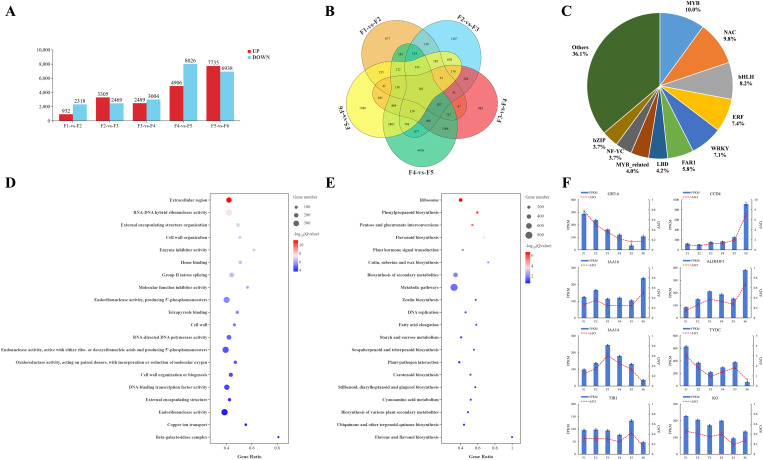 Figure 5
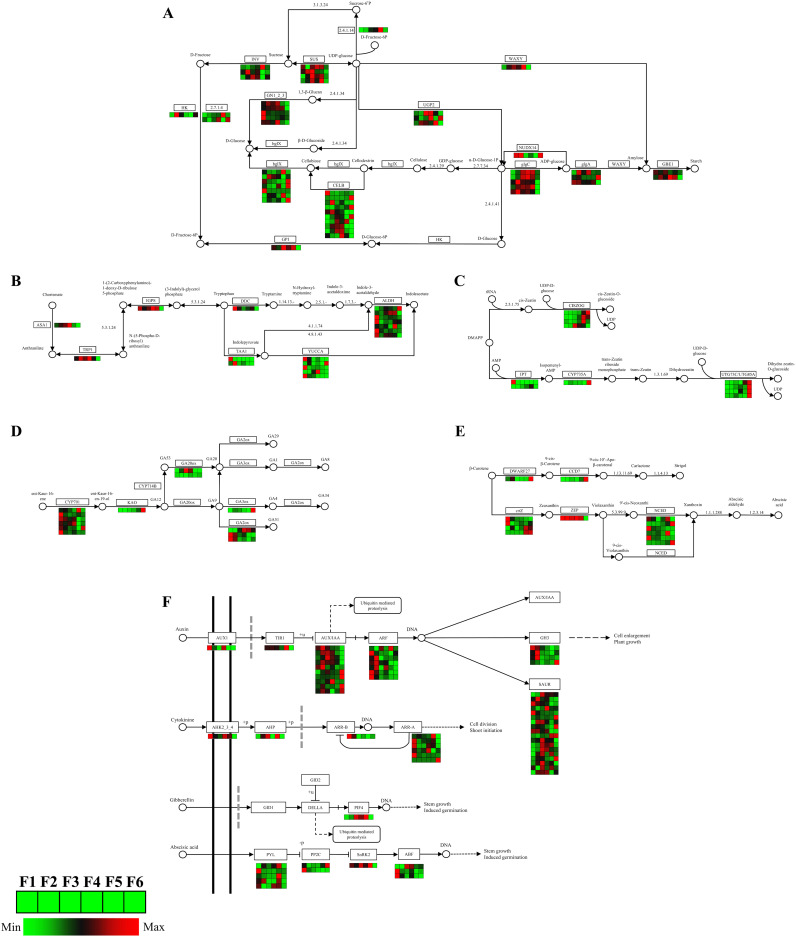 Figure 6
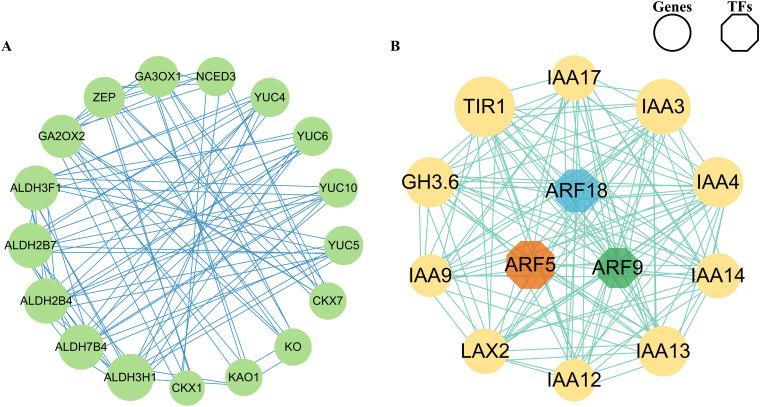 Figure 7
Peer Reviews
No public reviews on file for this paper yet. If you reviewed it on a platform where reviews are public (OpenReview, ICLR, NeurIPS, ICML), you can paste yours below so the community can read it here.
Videos
No videos yet. Explain this paper in a talk, walkthrough, or lecture? Add one.
Taxonomy
TopicsPlant Parasitism and Resistance · Plant Molecular Biology Research · Plant and animal studies