Analysis of fungal diversity in processed jujube products and the production of mycotoxins by typical toxigenic Aspergillus spp
Tianzhi Li, Hua Ji, Jingtao Sun, Yinghao Li, Yue Xu, Wenyi Ma, Han Sun

TL;DR
This study examines fungi and mycotoxins in processed jujube products, finding harmful Aspergillus species that produce toxins, posing health risks.
Contribution
The study identifies specific Aspergillus species in processed jujubes and quantifies their mycotoxin production for the first time.
Findings
Aspergillus, Cladosporium, Alternaria, and Penicillium were the dominant fungi in processed jujube products.
A. flavus produced significant levels of aflatoxins, while A. niger and others produced ochratoxin A.
Mycotoxin-producing Aspergillus species in jujubes pose a potential threat to consumer health.
Abstract
Processed jujube products are susceptible to contamination by fungi such as Aspergillus spp., which produces mycotoxins that could lead to health problems in consumers. In this study, 58 samples of processed jujube products (including 5 types such as dried jujubes) were collected from different markets in Shihezi (Xinjiang, China). The fungal diversity and the fungi isolated from processed jujube products were systematically analyzed through high-throughput sequencing and molecular biological identification (based on the ITS and/or BenA and CaM regions). In total, the 105 strains of fungi were isolated and identified as belonging to the dominant genera were Aspergillus, Cladosporium, Alternaria, and Penicillium. High-throughput sequencing indicated that Alternaria, Didymella, Cladosporium, and Aspergillus were the dominant fungi in processed jujube products. ELISA showed that A. flavus…
Genes, proteins, chemicals, diseases, species, mutations and cell lines named across the full text — each resolved to its canonical identifier and authoritative record.
Click any figure to enlarge with its caption.
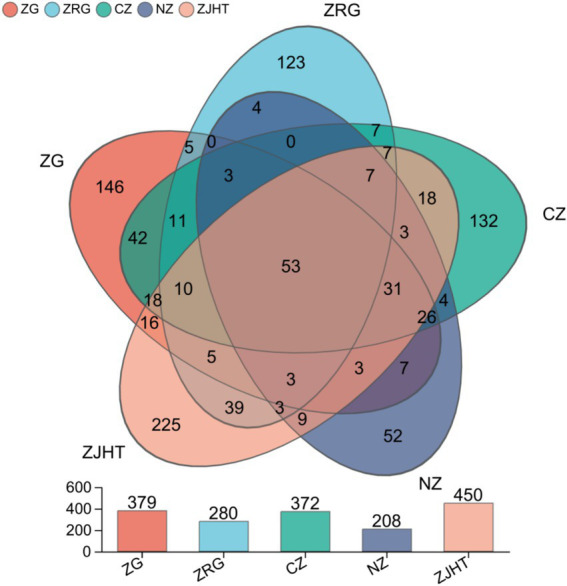 Figure 1
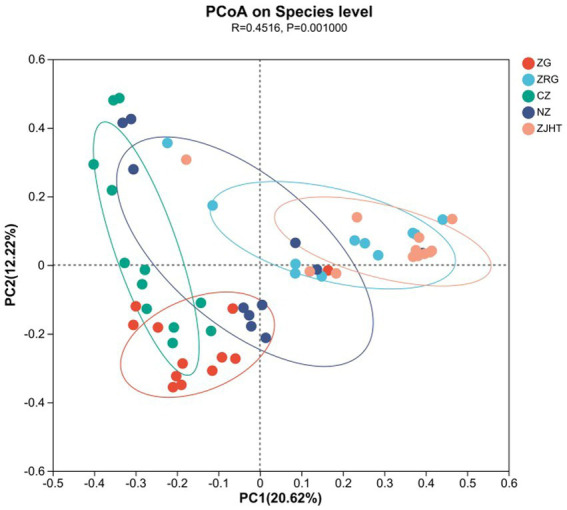 Figure 2
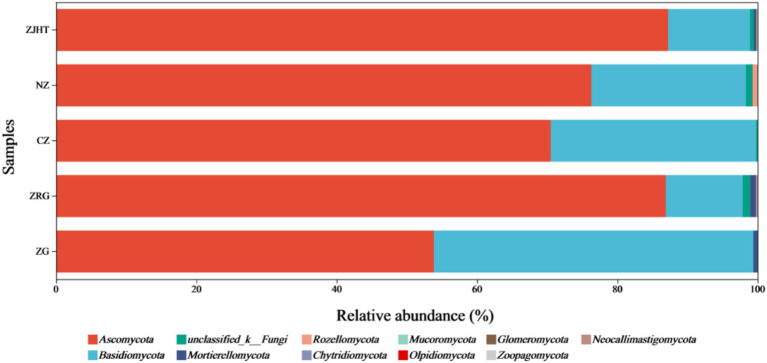 Figure 3
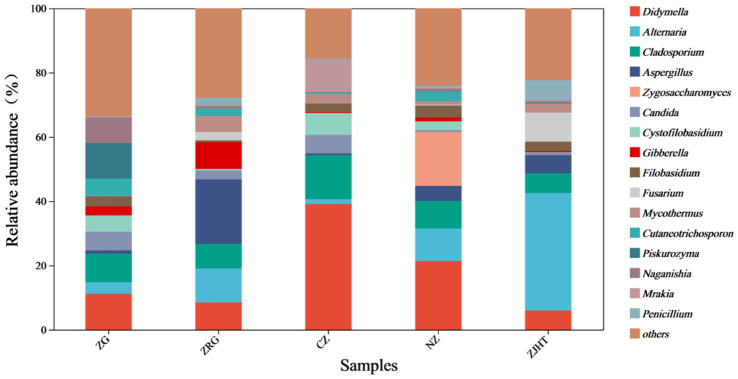 Figure 4
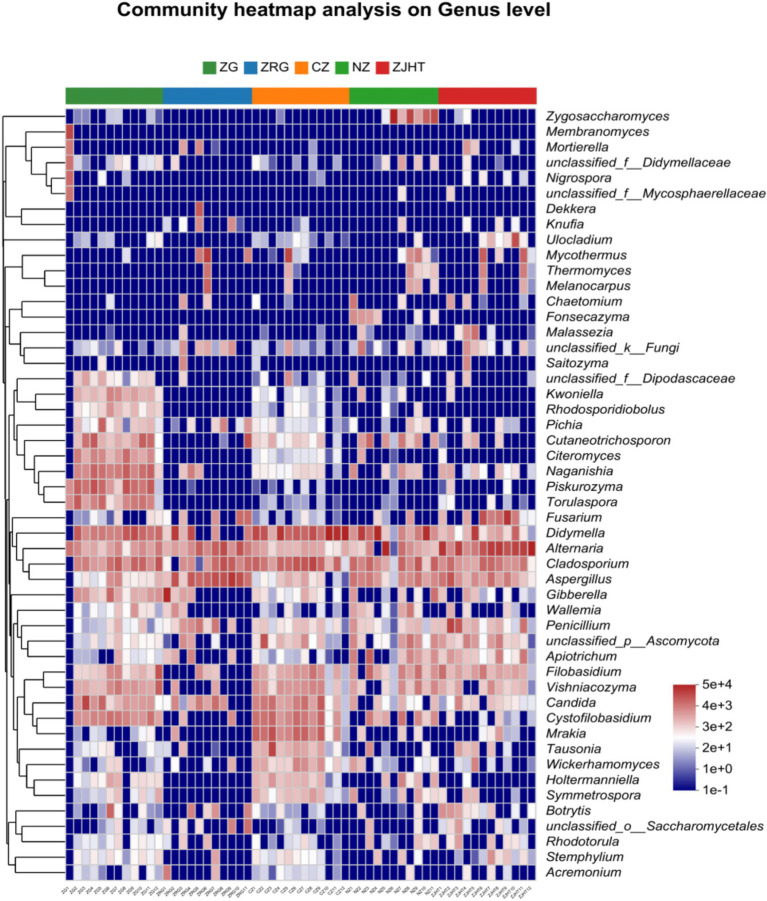 Figure 5
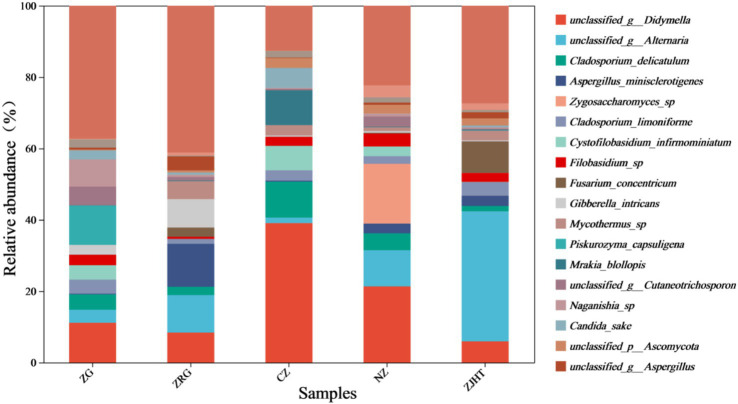 Figure 6
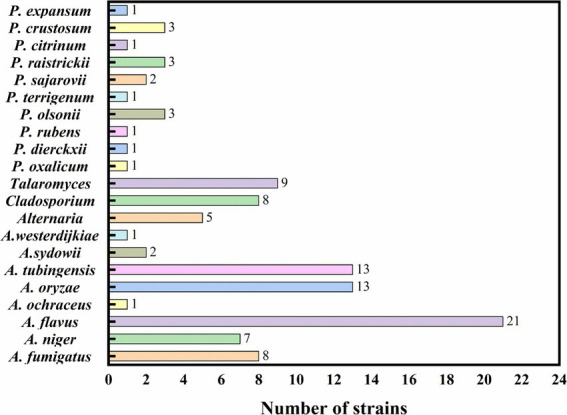 Figure 7
Peer Reviews
No public reviews on file for this paper yet. If you reviewed it on a platform where reviews are public (OpenReview, ICLR, NeurIPS, ICML), you can paste yours below so the community can read it here.
Videos
No videos yet. Explain this paper in a talk, walkthrough, or lecture? Add one.
Taxonomy
TopicsMycotoxins in Agriculture and Food · Tea Polyphenols and Effects · Plant Pathogens and Fungal Diseases