Trifluridine/Tipiracil and Oxaliplatin as Induction Chemotherapy in Resectable Esophageal and Gastroesophageal Junction Adenocarcinoma: A Phase II Study
Sarbajit Mukherjee, Yu Fujiwara, Christos Fountzilas, Harsha Pattnaik, Sarah Chatley, Deepak Vadehra, Moshim Kukar, Kristopher Attwood, Anthony George, Shailesh Advani, Han Yu, Kayla Catalfamo, Alyson Brown, Erik Spickard, Arkarachai Fungtammasan, Sagila George, Chih‐Yi Liao

TL;DR
A new chemotherapy combination before standard treatment for esophageal cancer did not improve outcomes, but ctDNA clearance was linked to better survival.
Contribution
Evaluated a novel induction chemotherapy regimen with trifluridine/tipiracil and oxaliplatin in resectable EGAC.
Findings
Only 2 out of 22 patients achieved a pathologic complete response.
ctDNA clearance correlated with significantly higher overall and progression-free survival.
The regimen was associated with common adverse events like nausea and fatigue.
Abstract
Preoperative chemoradiation (CRT) followed by surgery for localized esophageal and gastroesophageal junction adenocarcinoma (EGAC) is a standard of care with a pathologic complete response (pCR) rate of 20%. We evaluated a novel combination of trifluridine/tipiracil with oxaliplatin as induction chemotherapy (IC) followed by CRT. We enrolled patients with potentially resectable localized EGAC (T3, T4aN0, or node‐positive disease) in this open‐label, single‐arm, multicenter, Phase II trial between January 2020 and October 2022. Patients received three cycles of IC with trifluridine/tipiracil and oxaliplatin and then underwent concurrent CRT with weekly carboplatin and paclitaxel followed by surgery. The primary objective was to evaluate the pCR rate. The secondary objectives were to evaluate 2‐year progression‐free survival (PFS), 2‐year overall survival (OS), and toxicities.…
Genes, proteins, chemicals, diseases, species, mutations and cell lines named across the full text — each resolved to its canonical identifier and authoritative record.
Click any figure to enlarge with its caption.
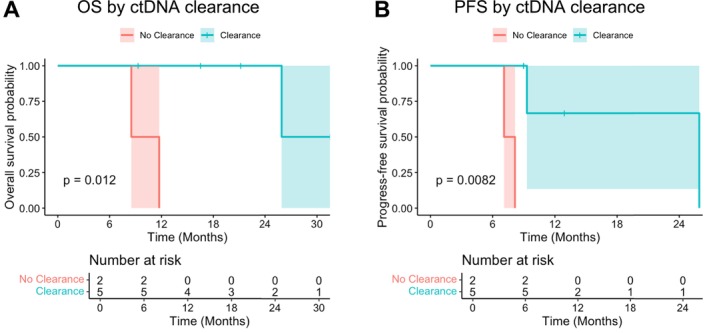 Figure 1
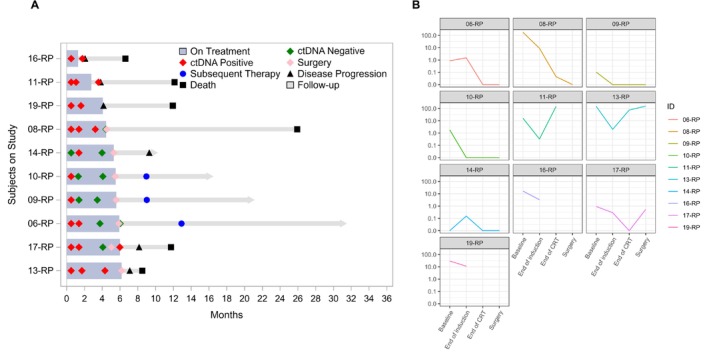 Figure 2
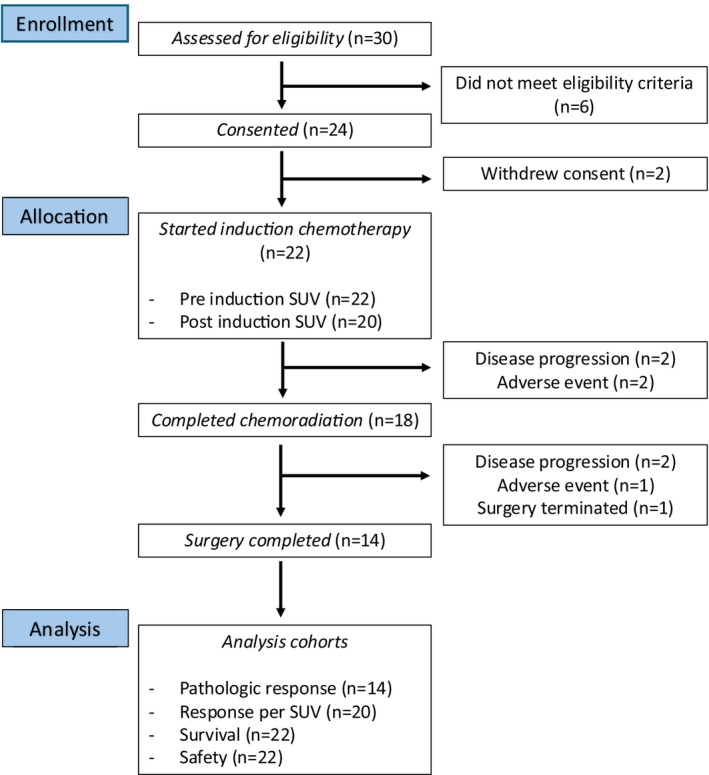 Figure 3
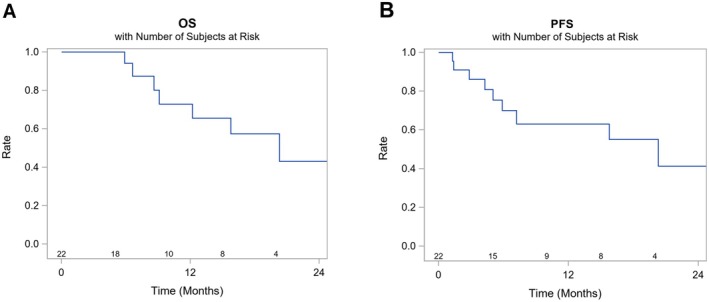 Figure 4
Peer Reviews
No public reviews on file for this paper yet. If you reviewed it on a platform where reviews are public (OpenReview, ICLR, NeurIPS, ICML), you can paste yours below so the community can read it here.
Videos
No videos yet. Explain this paper in a talk, walkthrough, or lecture? Add one.
Taxonomy
TopicsEsophageal Cancer Research and Treatment · Gastric Cancer Management and Outcomes · Esophageal and GI Pathology