From Canonical to Emancipatory Action Research: Using PrOH Modelling to Enhance Reflexivity
Krishna Chaitanya Balthu, Ben Clegg

TL;DR
This paper introduces a new action research framework that helps researchers become more reflective and engaged through a process-oriented approach.
Contribution
The novel Situated Emancipatory Action Research (SEAR) framework using PrOH Modelling enhances researcher reflexivity and engagement.
Findings
The SEAR framework enables deeper understanding through successive action research cycles.
Researchers can emancipate themselves from biases and precepts using the SEAR framework.
Longitudinal case studies show the effectiveness of the SEAR framework in real-time reflection and learning.
Abstract
Action research is well recognised as an approach to transform, empower, and emancipate individuals and communities through collaborative enquiry and intervention. A central tenet of action research is to generate learning and new knowledge through the cyclical process of action and reflection. Yet, traditional action research methodologies pose limitations for thoroughly extracting learning from action due to lack of well-developed frameworks for understanding the researcher’s role and their evolving identity throughout the research process. This limitation undermines the depth of engagement with the problem context and the potential for a researcher to reflect and generate learning in real-time. Based on multiple in-depth longitudinal case studies conducted over a decade, this paper argues for the emancipation of action researchers through a new Situated Emancipatory Action Research…
Genes, proteins, chemicals, diseases, species, mutations and cell lines named across the full text — each resolved to its canonical identifier and authoritative record.
Click any figure to enlarge with its caption.
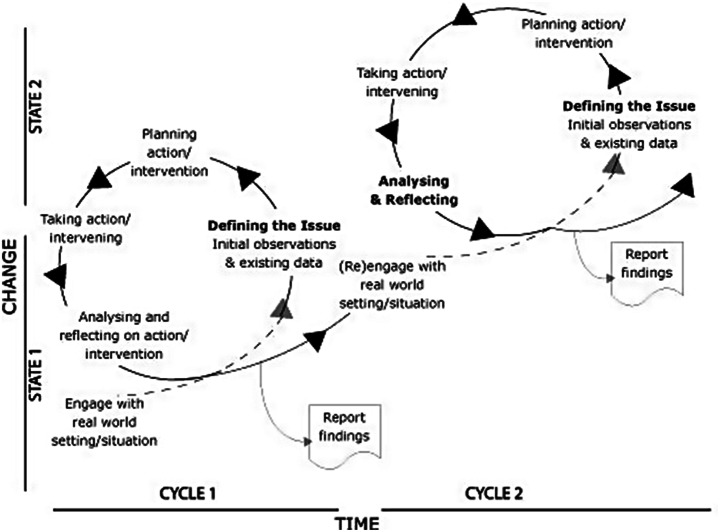 Figure 1
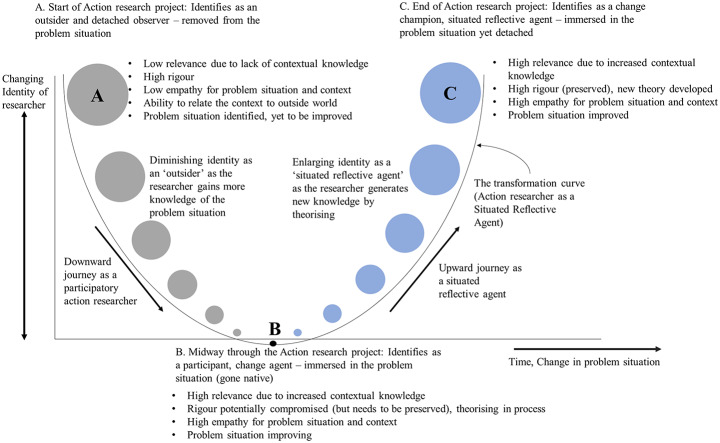 Figure 2
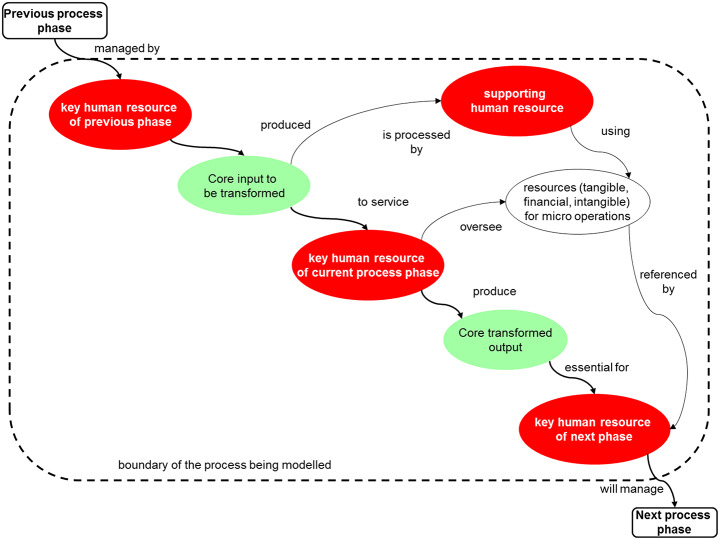 Figure 3
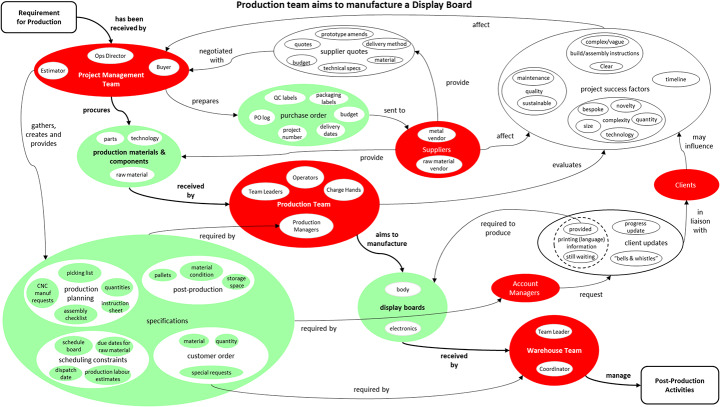 Figure 4
 Figure 5
 Figure 6
Peer Reviews
No public reviews on file for this paper yet. If you reviewed it on a platform where reviews are public (OpenReview, ICLR, NeurIPS, ICML), you can paste yours below so the community can read it here.
Videos
No videos yet. Explain this paper in a talk, walkthrough, or lecture? Add one.
Taxonomy
TopicsComplex Systems and Decision Making · Innovative Approaches in Technology and Social Development · Cognitive Science and Mapping