Splicing Analysis of Exonic TSC1 and TSC2 Gene Variants Causing Tuberous Sclerosis Complex
Qingqing You, Jingwei Liu, Ran Zhang, Zhi Wang, Bingying Zhang, Wencong Guo, Ning Xu, Irene Bottillo, Leping Shao

TL;DR
This study explores how mutations in TSC1 and TSC2 genes affect splicing, leading to conditions like Tuberous Sclerosis Complex.
Contribution
The study identifies 10 splicing-affected mutations in TSC1 and TSC2 using bioinformatics and minigene analysis.
Findings
Mutations in TSC1 and TSC2 disrupt splicing, causing exon skipping or intron retention.
Bioinformatics and minigene analysis confirmed 10 candidate mutations impacting pre-mRNA splicing.
The findings highlight the importance of splicing analysis in evaluating pathogenic TSC variants.
Abstract
Tuberous sclerosis complex (TSC) is characterized by abnormalities in cell proliferation and migration, leading to the development of hamartomas, benign tumors, or malignant cancers, affecting both the skin and brain, as well as potentially impacting the heart, kidneys, lungs, and eyes, with varying patterns of involvement over a lifetime. It is primarily caused by mutations in the TSC1 and TSC2 genes. Aberrant splicing is a crucial factor in hereditary diseases. Alternative splicing is a key mechanism for expanding the diversity of the human proteome. Mutations disrupting canonical splice sites or splicing regulatory elements impede the utilization of splice sites, leading to exon skipping and intron retention. We comprehensively analyzed missense and nonsense mutations of TSC1 and TSC2 genes using bioinformatics tools and identified 10 candidate mutations affecting pre-mRNA splicing…
Genes, proteins, chemicals, diseases, species, mutations and cell lines named across the full text — each resolved to its canonical identifier and authoritative record.
Click any figure to enlarge with its caption.
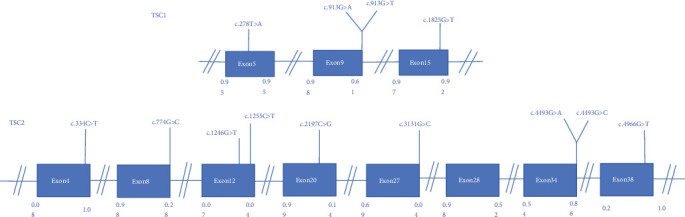 Figure 1
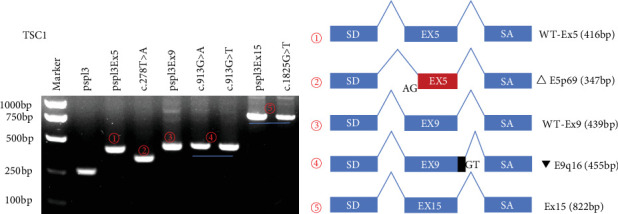 Figure 2
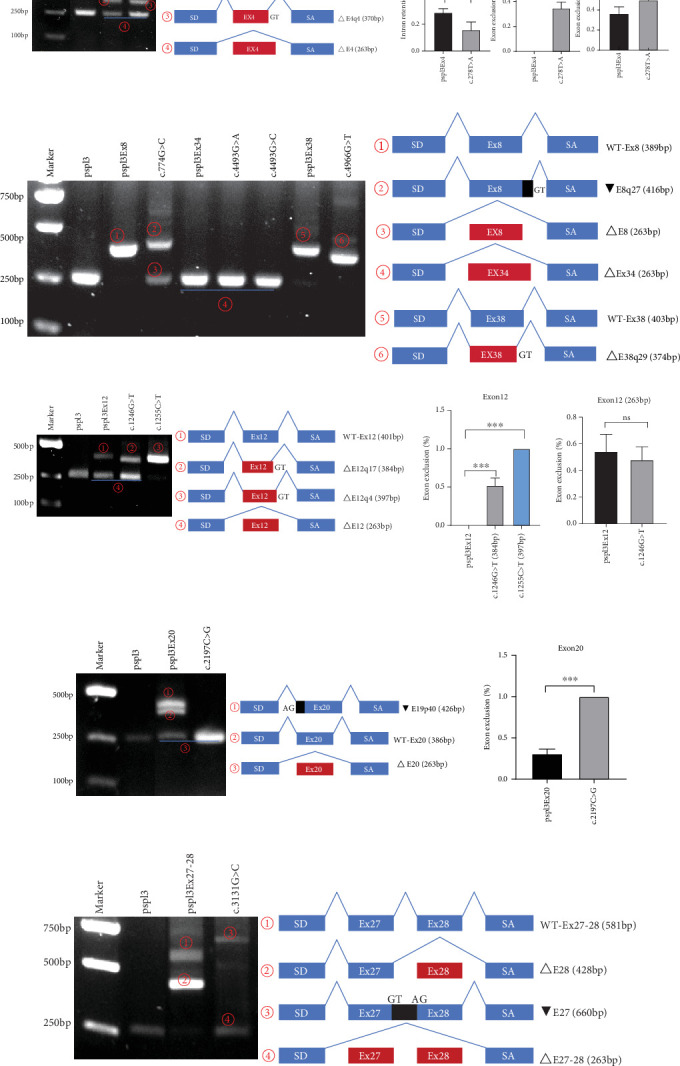 Figure 3
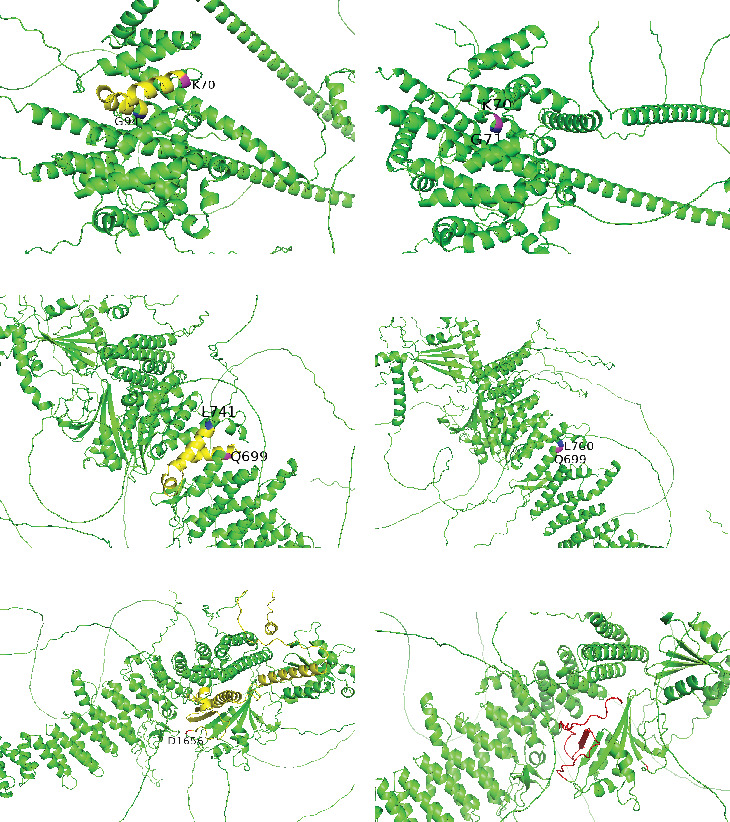 Figure 4
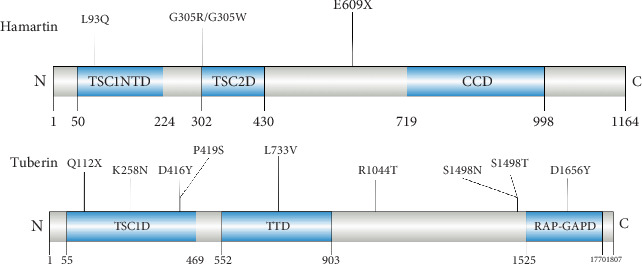 Figure 5
Peer Reviews
No public reviews on file for this paper yet. If you reviewed it on a platform where reviews are public (OpenReview, ICLR, NeurIPS, ICML), you can paste yours below so the community can read it here.
Videos
No videos yet. Explain this paper in a talk, walkthrough, or lecture? Add one.
Taxonomy
TopicsTuberous Sclerosis Complex Research · Polyomavirus and related diseases