Gender differences in the effects of skin hydration on electrodermal activity measurements
Ardawan A. Youssif, Dindar S. Bari

TL;DR
This study examines how skin hydration affects electrodermal activity measurements differently in males and females.
Contribution
The study is the first to investigate gender-related differences in electrodermal activity under skin hydration conditions.
Findings
Skin hydration does not influence the tonic component of EDA measurements differently in males and females.
Significant gender differences were observed in certain phasic EDA parameters in response to specific stimuli.
The results suggest that skin hydration does not contribute to gender-related differences in EDA recordings.
Abstract
Electrodermal activity (EDA) is defined as a general term for all electrical behaviors in the skin, encompassing all active and passive electrical properties that can be traced back to the skin and its appendages. EDA measurements can be impacted by various factors and conditions. A factor of effect on EDA recordings, which has not been investigated before is the gender-related differences in the effects of skin hydration on EDA signals. Hence, this study aimed to study gender-related differences in the EDA parameters under conditions of skin hydration. 30 males and 30 females participated in this study under two different conditional (normal and hydration) experiments. Three EDA parameters (tonic and phasic components) were recorded from both groups. In the hydration experiment, 0.2 gram of 0.5% KCI in a 2% agar jelly was applied to the skin of all participants to moisturize their…
Genes, proteins, chemicals, diseases, species, mutations and cell lines named across the full text — each resolved to its canonical identifier and authoritative record.
Click any figure to enlarge with its caption.
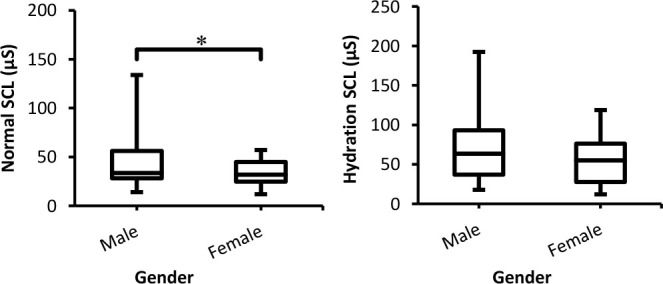 Figure 1
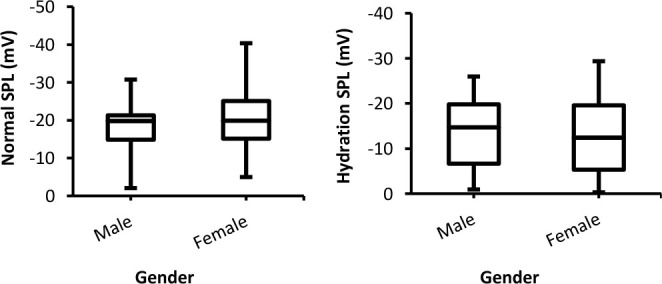 Figure 2
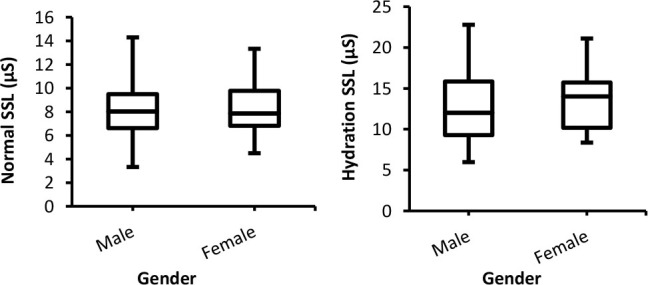 Figure 3
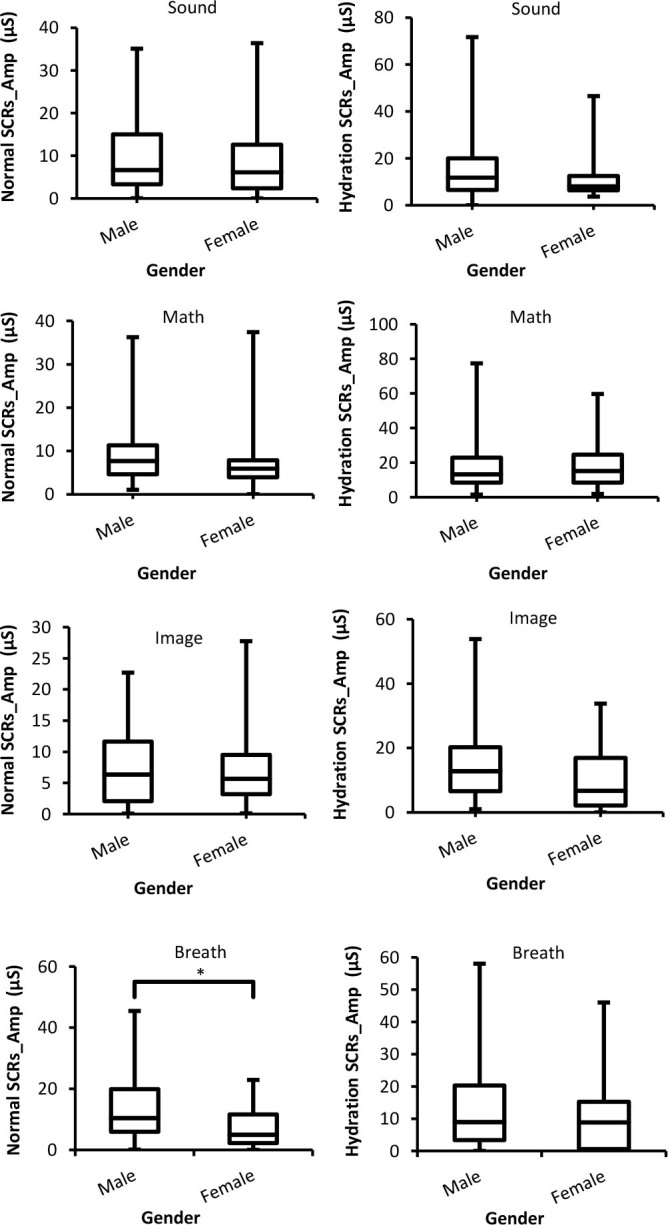 Figure 4
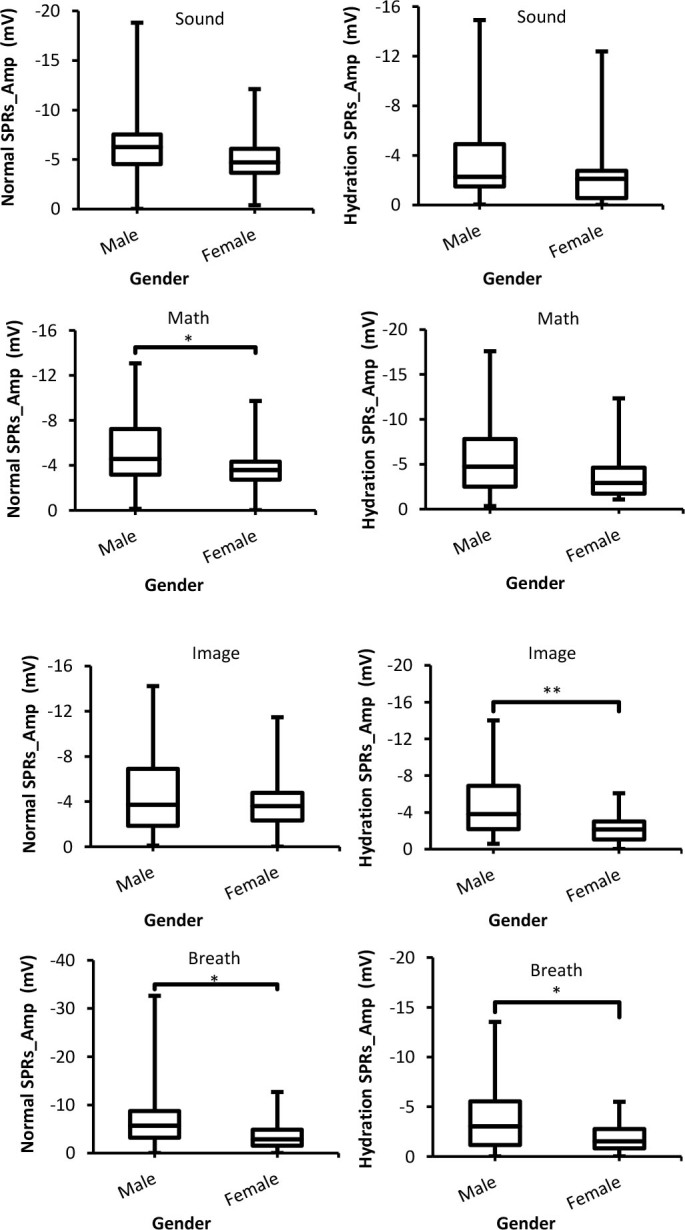 Figure 5
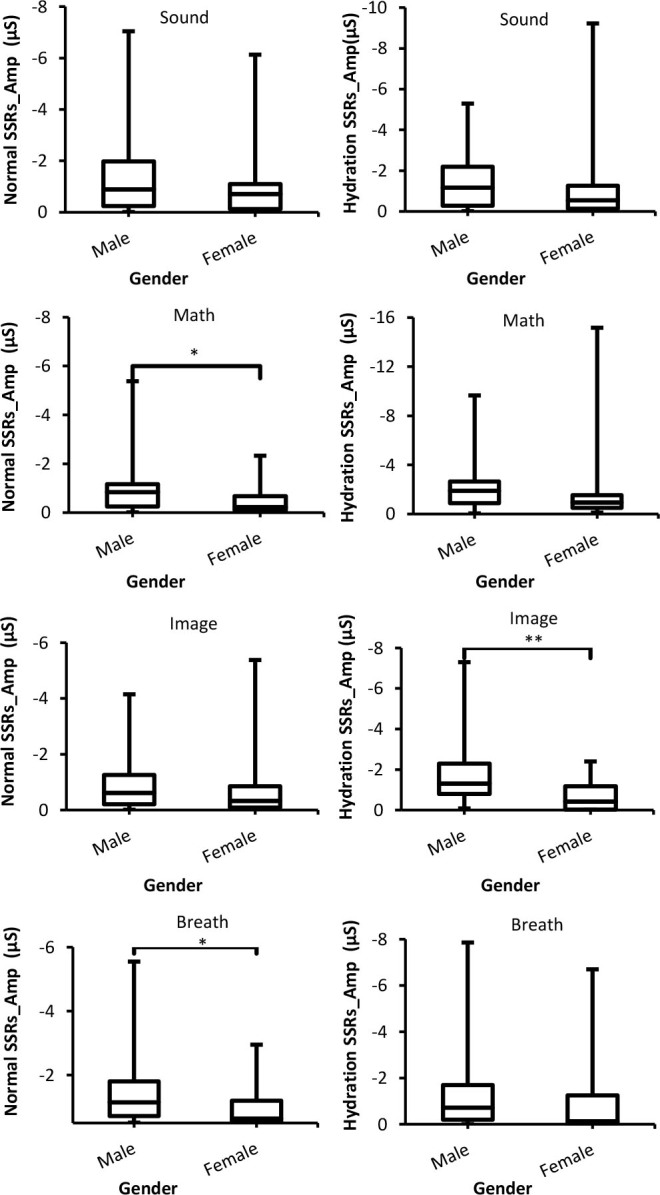 Figure 6
Peer Reviews
No public reviews on file for this paper yet. If you reviewed it on a platform where reviews are public (OpenReview, ICLR, NeurIPS, ICML), you can paste yours below so the community can read it here.
Videos
No videos yet. Explain this paper in a talk, walkthrough, or lecture? Add one.
Taxonomy
TopicsTactile and Sensory Interactions · EEG and Brain-Computer Interfaces · Advanced Sensor and Energy Harvesting Materials