Clustering individuals using INMTD: a novel versatile multi-view embedding framework integrating omics and imaging data
Zuqi Li, Sam F L Windels, Noël Malod-Dognin, Seth M Weinberg, Mary L Marazita, Susan Walsh, Mark D Shriver, David W Fardo, Peter Claes, Nataša Pržulj, Kristel Van Steen

TL;DR
This paper introduces INMTD, a new method that combines omics and 3D imaging data to create meaningful and unconfounded clusters of individuals.
Contribution
The novel INMTD framework integrates NMTF and NTD for multi-view clustering, effectively handling confounders in omics and imaging data.
Findings
INMTD outperformed other methods on synthetic data using the adjusted Rand index.
INMTD produced biologically relevant embeddings in real facial-genomic data.
Unconfounded clustering improved internal and external quality with distinct subgroup characteristics.
Abstract
Combining omics and images can lead to a more comprehensive clustering of individuals than classic single-view approaches. Among the various approaches for multi-view clustering, nonnegative matrix tri-factorization (NMTF) and nonnegative Tucker decomposition (NTD) are advantageous in learning low-rank embeddings with promising interpretability. Besides, there is a need to handle unwanted drivers of clusterings (i.e. confounders). In this work, we introduce a novel multi-view clustering method based on NMTF and NTD, named INMTD, which integrates omics and 3D imaging data to derive unconfounded subgroups of individuals. According to the adjusted Rand index, INMTD outperformed other clustering methods on a synthetic dataset with known clusters. In the application to real-life facial-genomic data, INMTD generated biologically relevant embeddings for individuals, genetics, and facial…
Genes, proteins, chemicals, diseases, species, mutations and cell lines named across the full text — each resolved to its canonical identifier and authoritative record.
Click any figure to enlarge with its caption.
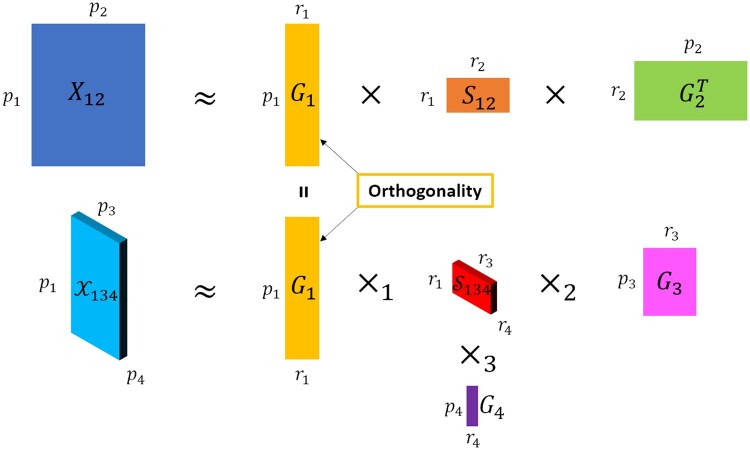 Figure 1
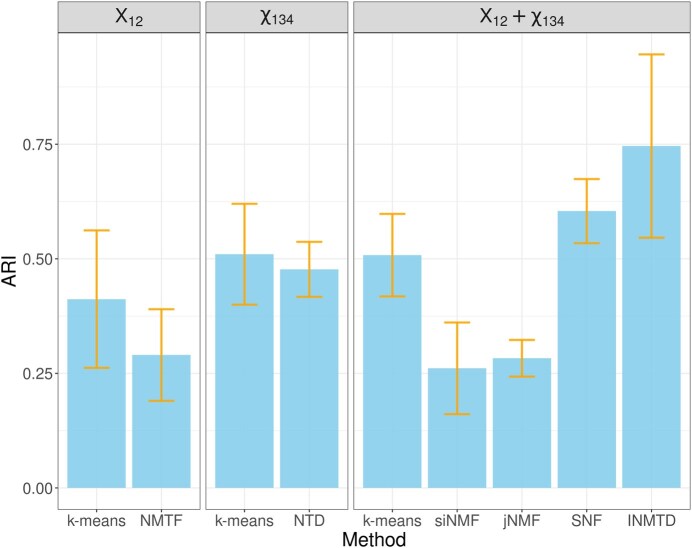 Figure 2
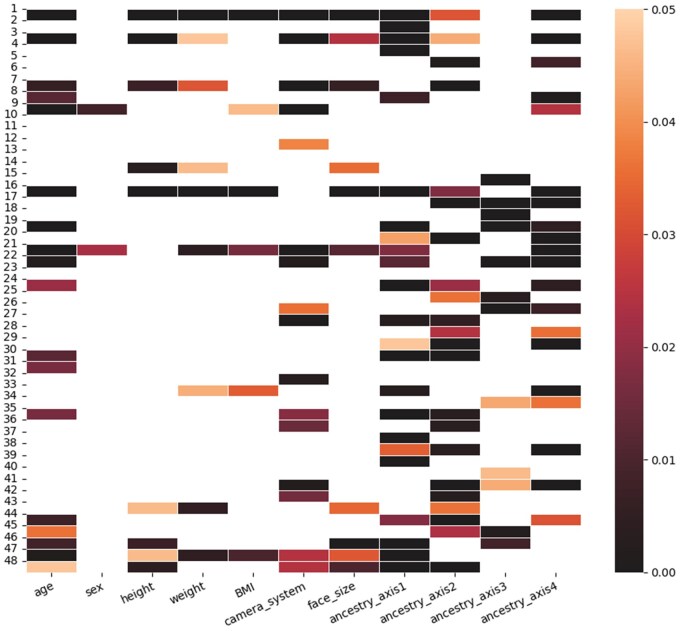 Figure 3
 Figure 4
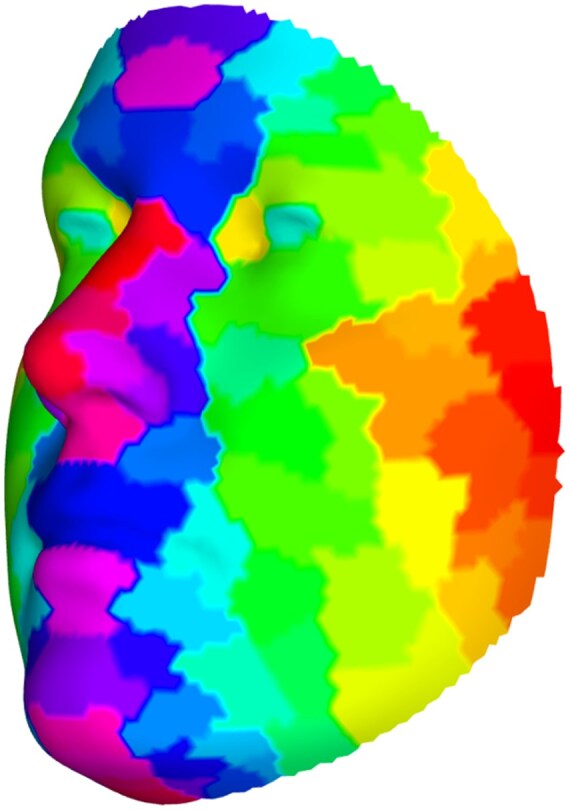 Figure 5
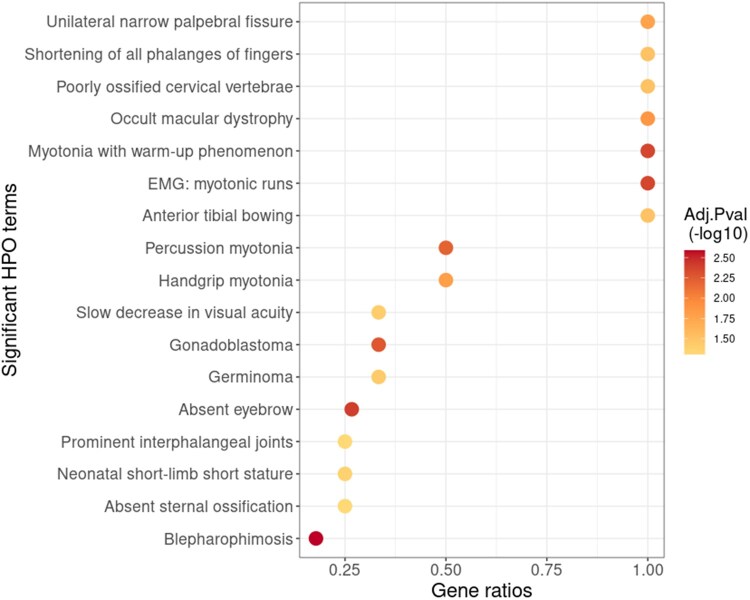 Figure 6
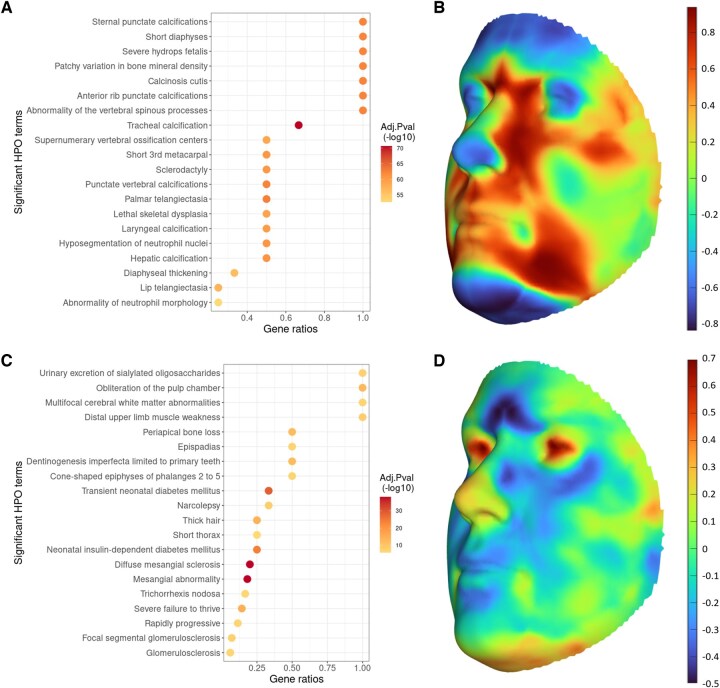 Figure 7
Peer Reviews
No public reviews on file for this paper yet. If you reviewed it on a platform where reviews are public (OpenReview, ICLR, NeurIPS, ICML), you can paste yours below so the community can read it here.
Videos
No videos yet. Explain this paper in a talk, walkthrough, or lecture? Add one.
Taxonomy
TopicsGene expression and cancer classification · Bioinformatics and Genomic Networks