The oligosaccharyltransferase complex is an essential component of multiple myeloma plasma cells
Hong Phuong Nguyen, Enze Liu, Anh Quynh Le, Mahesh Lamsal, Jagannath Misra, Sankalp Srivastava, Harikrishnan Hemavathy, Reuben Kapur, Mohammad Abu Zaid, Rafat Abonour, Ji Zhang, Ronald C. Wek, Brian A. Walker, Ngoc Tung Tran

TL;DR
The study identifies the oligosaccharyltransferase (OST) complex as a new target for treating multiple myeloma, especially when combined with existing drugs like bortezomib.
Contribution
The OST complex is revealed as a novel therapeutic target in multiple myeloma, with evidence of synergistic effects when inhibited alongside bortezomib.
Findings
Disrupting the OST complex suppresses MM cell growth and induces apoptosis.
OST complex inhibition enhances bortezomib's effectiveness in both in vitro and in vivo models.
OST disruption downregulates key MM pathways like mTORC1 and MYC translation.
Abstract
Multiple myeloma (MM) is an incurable malignancy characterized by mutated plasma cell clonal expansion in the bone marrow, leading to severe clinical symptoms. Thus, identifying new therapeutic targets for MM is crucial. We identified the oligosaccharyltransferase (OST) complex as a novel vulnerability in MM cells. Elevated expression of this complex is associated with relapsed, high-risk MM, and poor prognosis. Disrupting the OST complex suppressed MM cell growth, induced cell-cycle arrest, and apoptosis. Combined inhibition with bortezomib synergistically eliminated MM cells in vitro and in vivo, via suppressing genes related to bortezomib-resistant phenotypes. Mechanistically, OST complex disruption downregulated MM pathological pathways (mTORC1 pathway, glycolysis, MYC targets, and cell cycle) and induced TRAIL-mediated apoptosis. Notably, MYC translation was robustly suppressed…
Genes, proteins, chemicals, diseases, species, mutations and cell lines named across the full text — each resolved to its canonical identifier and authoritative record.
Click any figure to enlarge with its caption.
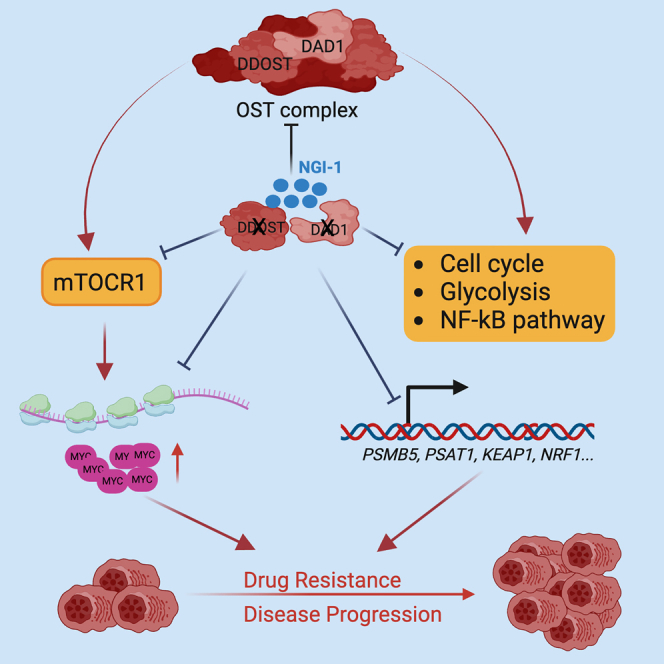 Figure 1
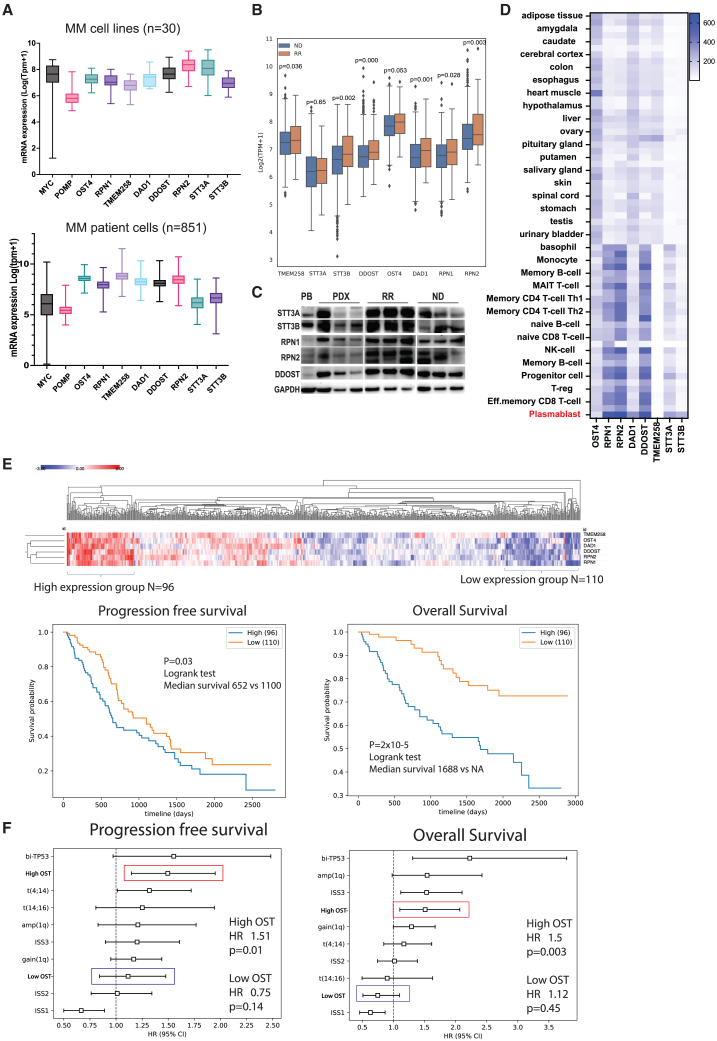 Figure 2
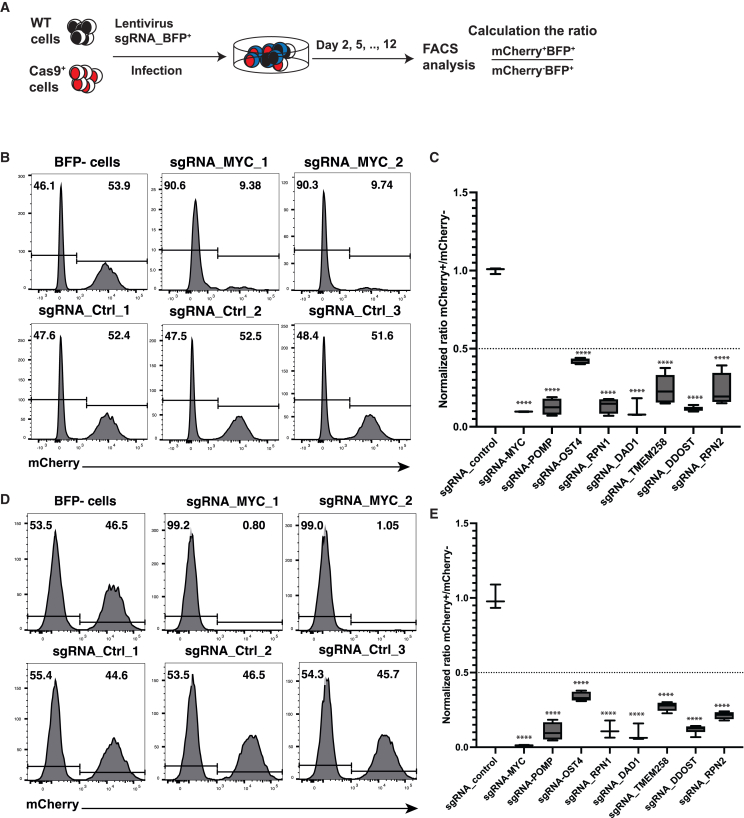 Figure 3
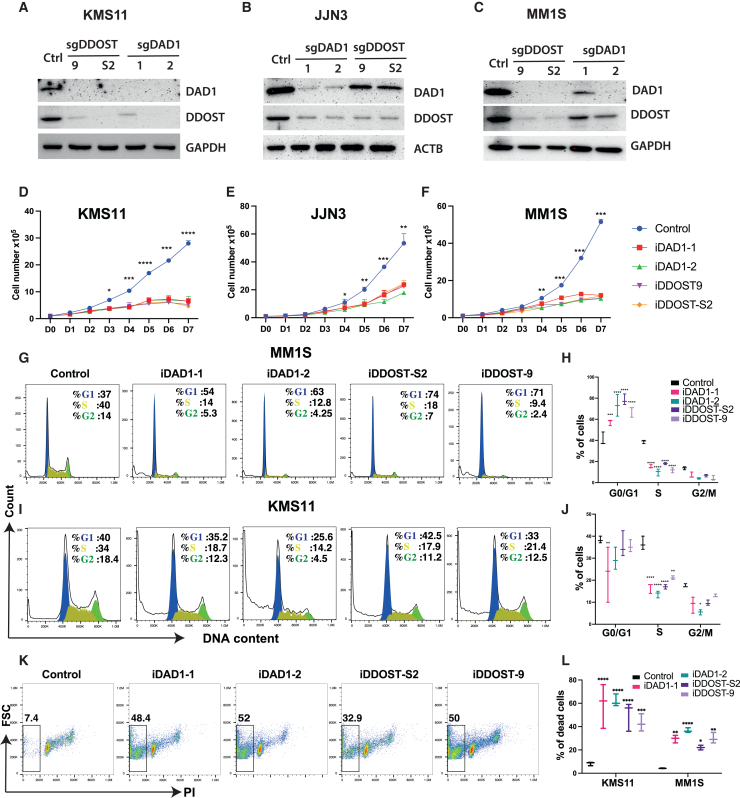 Figure 4
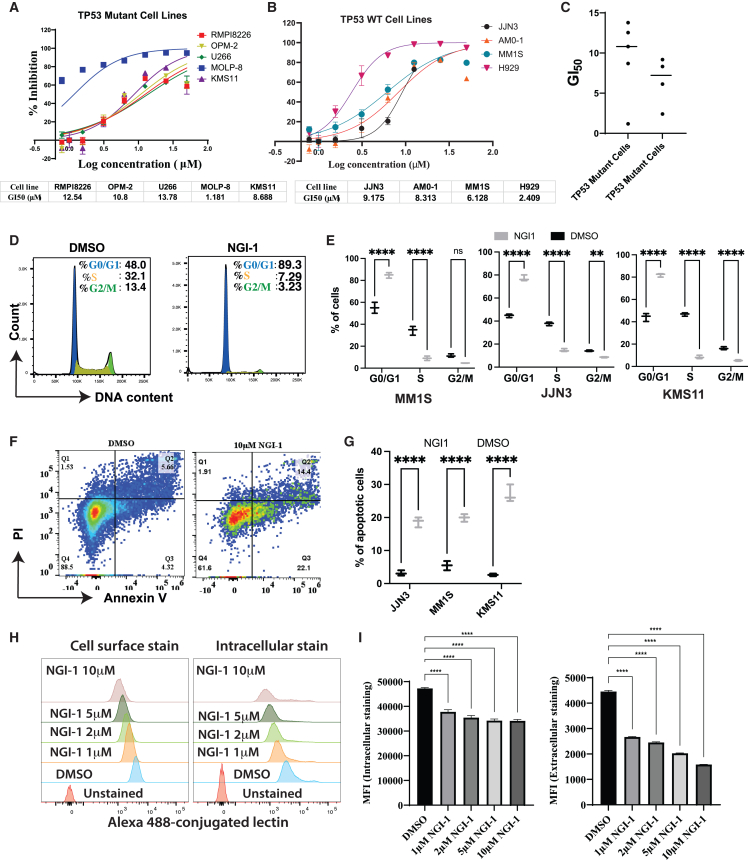 Figure 5
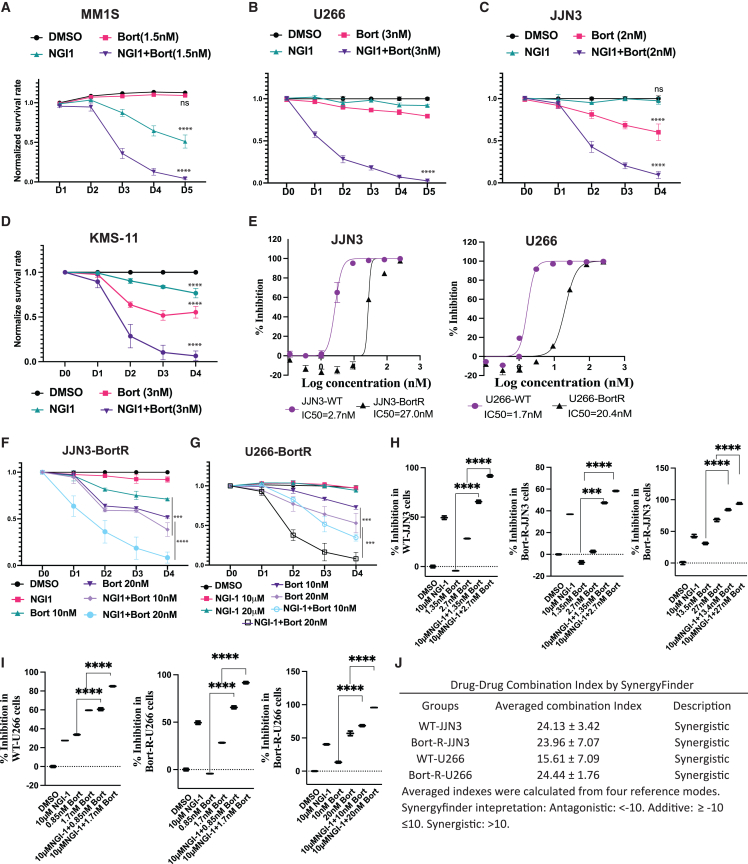 Figure 6
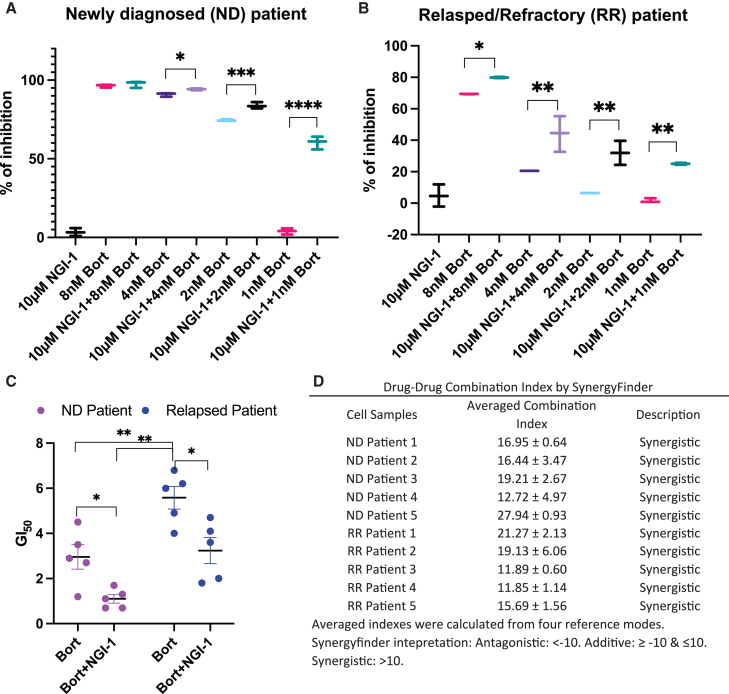 Figure 7
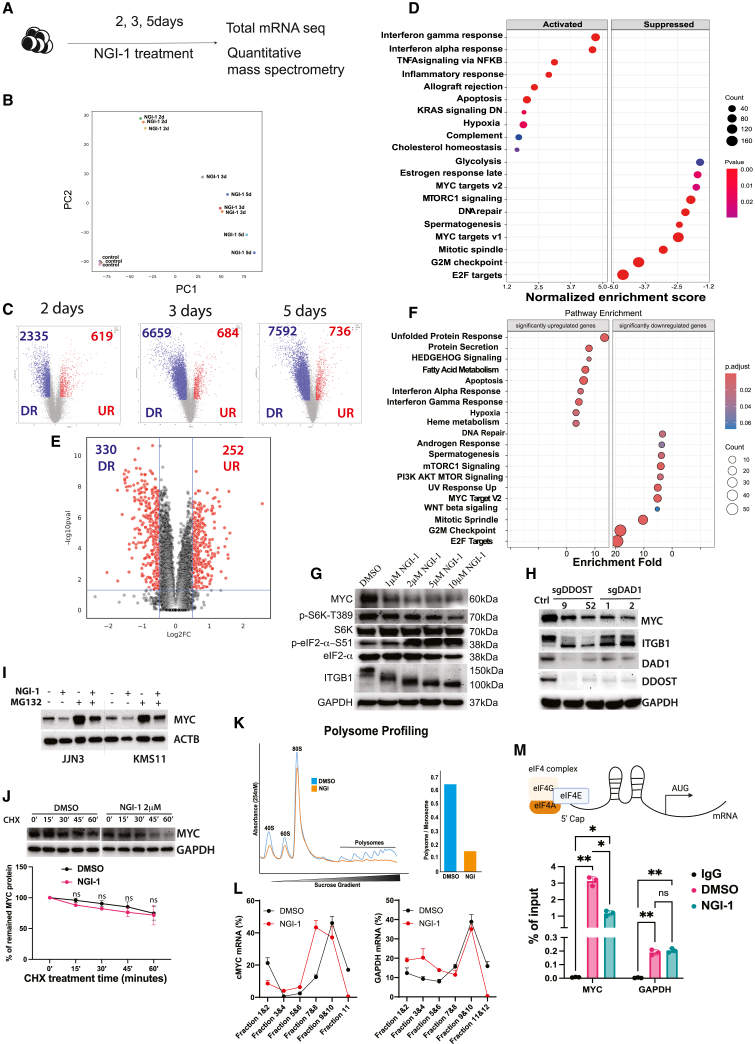 Figure 8
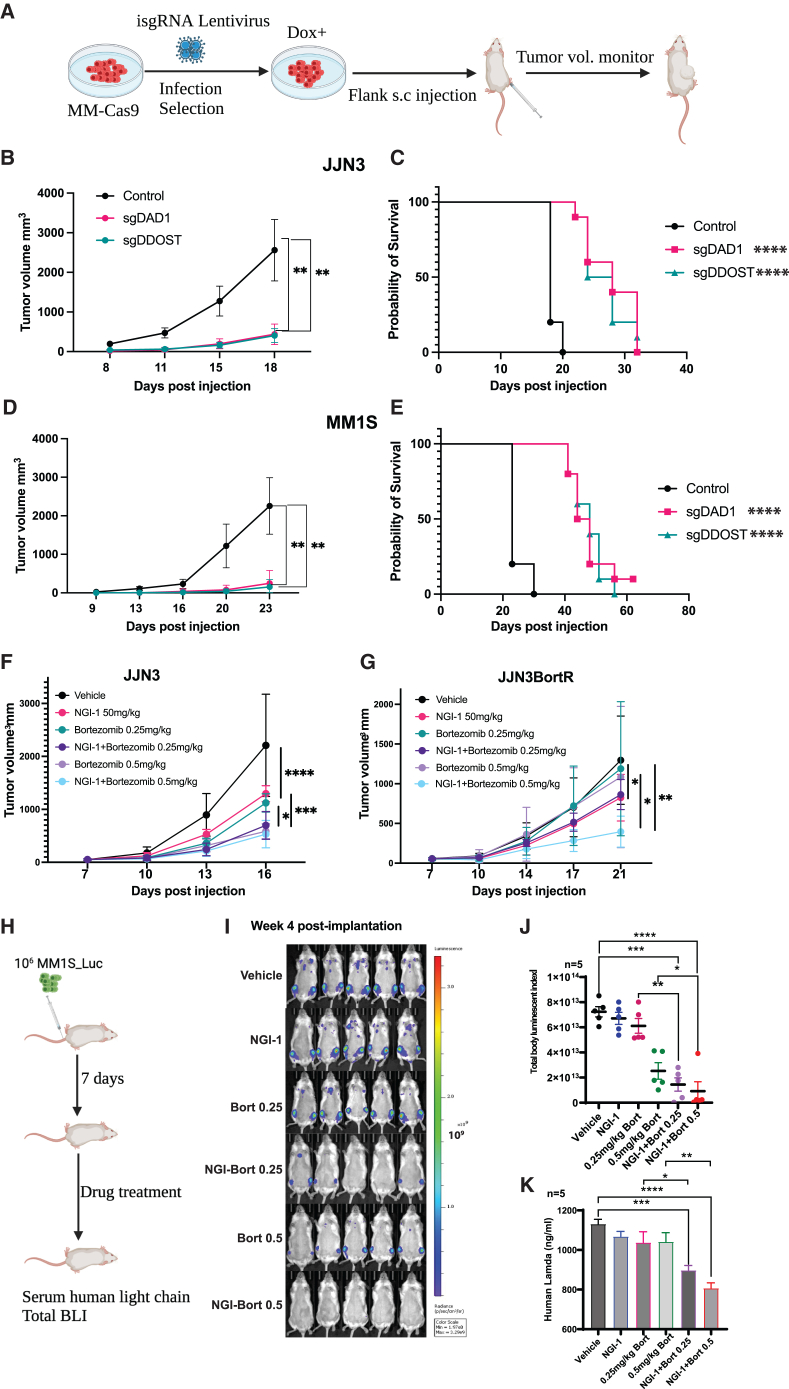 Figure 9
Peer Reviews
No public reviews on file for this paper yet. If you reviewed it on a platform where reviews are public (OpenReview, ICLR, NeurIPS, ICML), you can paste yours below so the community can read it here.
Videos
No videos yet. Explain this paper in a talk, walkthrough, or lecture? Add one.
Taxonomy
TopicsMultiple Myeloma Research and Treatments · Glycosylation and Glycoproteins Research · Ubiquitin and proteasome pathways