A Neglected Case of Subacute Complete Uterine Inversion Managed by Haultain's Technique: A Rare Case
Poonam Lal, Swaroop R Nanda, Meena Samant

TL;DR
A rare case of complete uterine inversion was successfully managed using Haultain's technique followed by surgery.
Contribution
The paper presents a rare clinical case of subacute complete uterine inversion managed with Haultain’s method.
Findings
Subacute complete uterine inversion can be managed with Haultain’s technique followed by subtotal hysterectomy.
Delayed diagnosis and treatment can lead to severe complications like shock and hemorrhage.
Clinical diagnosis remains crucial for timely management of uterine inversion.
Abstract
Puerperal uterine inversion is a rare obstetric emergency and a potentially life-threatening condition of mismanaged third stage of labor. If not diagnosed immediately, the massive blood loss can lead to hypovolemic shock as well as neurogenic shock due to stretching of uterine nerve fibers and even maternal death. Diagnosis is mainly clinical. The diagnostic triad is hemorrhage, shock, and pain. Management includes manual uterine repositioning and correction of shock. However, in resistant or subacute cases that are rare, when a constriction ring is formed, incarceration occurs, and surgical intervention is needed to repose the uterus. We present a neglected case of rare subacute complete uterine inversion, which was managed by Haultain’s method followed by subtotal hysterectomy.
Genes, proteins, chemicals, diseases, species, mutations and cell lines named across the full text — each resolved to its canonical identifier and authoritative record.
Click any figure to enlarge with its caption.
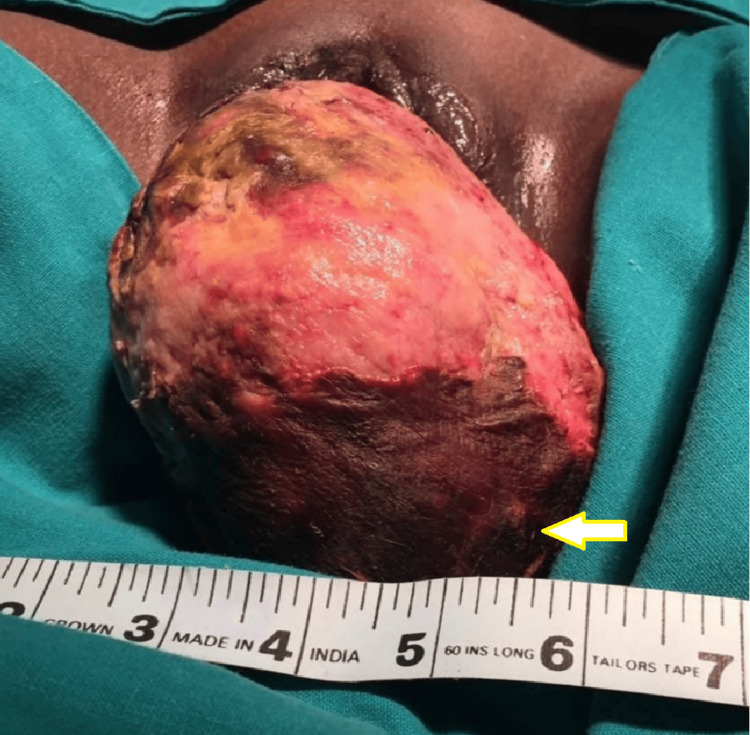 Figure 1
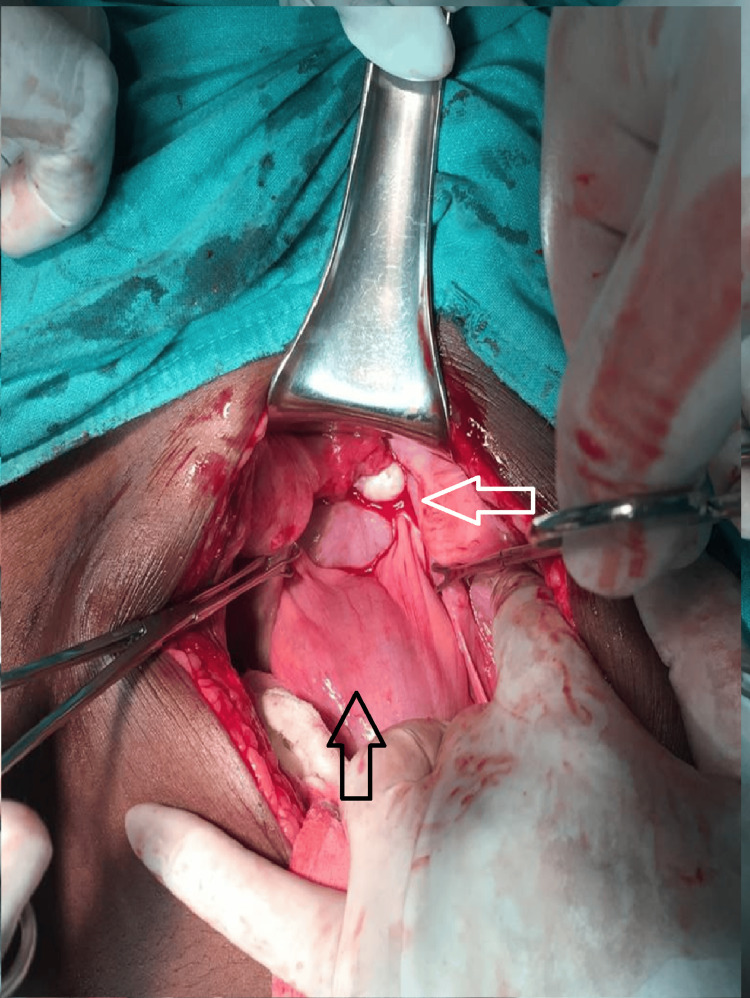 Figure 2
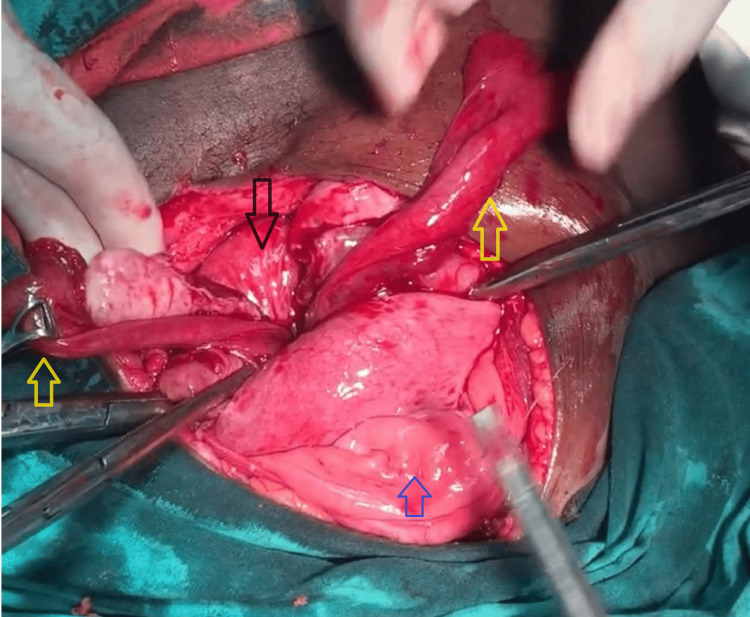 Figure 3
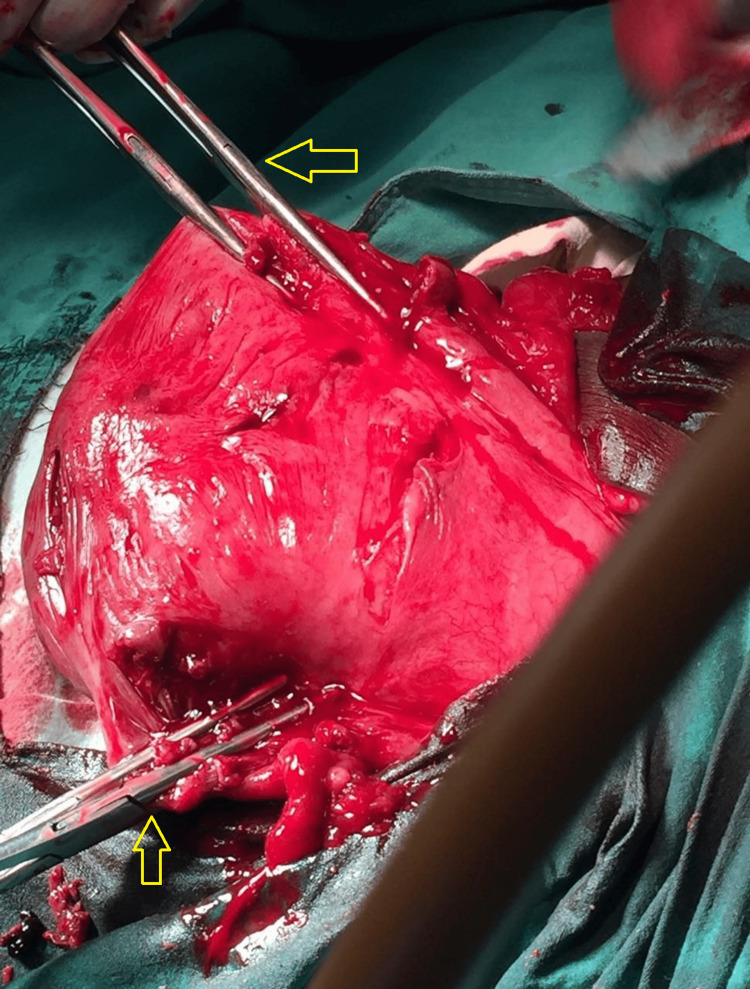 Figure 4
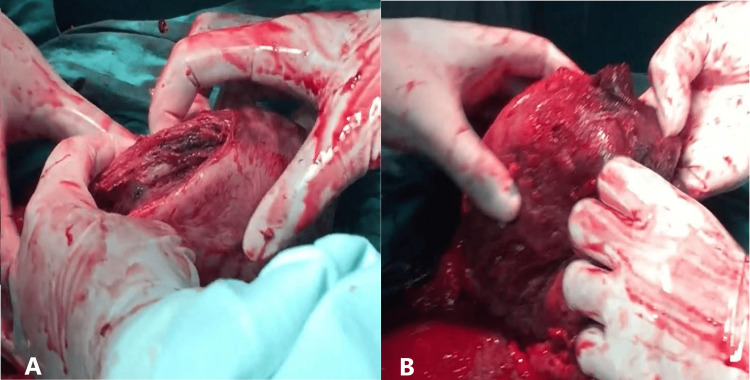 Figure 5
Peer Reviews
No public reviews on file for this paper yet. If you reviewed it on a platform where reviews are public (OpenReview, ICLR, NeurIPS, ICML), you can paste yours below so the community can read it here.
Videos
No videos yet. Explain this paper in a talk, walkthrough, or lecture? Add one.
Taxonomy
TopicsMaternal and fetal healthcare