Ptgds downregulation protect vestibular hair cells from aminoglycoside-induced vestibulotoxicity
Chen Chen, Zhimin Zhao, Jinghong Han, Yue Zhang, Guohui Nie, Sujeong Jang, Sujeong Jang, Sujeong Jang, Miriam Ann Hickey, Miriam Ann Hickey, Miriam Ann Hickey, Miriam Ann Hickey

TL;DR
This study shows that reducing Ptgds levels protects vestibular hair cells from damage caused by aminoglycoside antibiotics.
Contribution
The novel finding is that Ptgds downregulation protects against aminoglycoside-induced vestibular toxicity.
Findings
Ptgds expression increases in response to neomycin injury in utricle explants.
Knocking down Ptgds protects cells by boosting viability and reducing inflammation and apoptosis.
Ptgds is proposed as a potential therapeutic target for aminoglycoside-induced vestibular dysfunction.
Abstract
The clinical use of aminoglycosides often results in injury to vestibular hair cells and subsequent vestibular dysfunction. Thus, clarifying the targets and mechanisms underlying aminoglycoside-mediated damage is of urgent importance. Prostaglandin D2 synthase (Ptgds) is a glycoprotein that plays dual roles in lipid transport regulation and prostaglandin metabolism. However, the role of Ptgds in aminoglycoside-induced vestibular dysfunction remains unclear. This study aimed to explore the function of Ptgds in the utricle and HEI-OC1 cells. Neomycin injury induced high levels of Ptgds expression in utricle explants. Moreover, Ptgds knockdown protected against neomycin injury by enhancing cellular proliferation and viability while suppressing reactive oxygen species production, inflammation, and apoptosis. These findings suggest that Ptgds may serve as a novel therapeutic target for…
Genes, proteins, chemicals, diseases, species, mutations and cell lines named across the full text — each resolved to its canonical identifier and authoritative record.
Click any figure to enlarge with its caption.
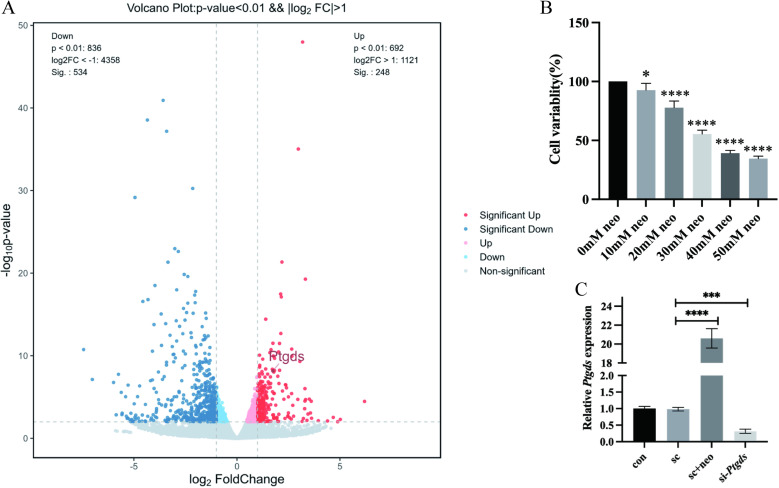 Figure 1
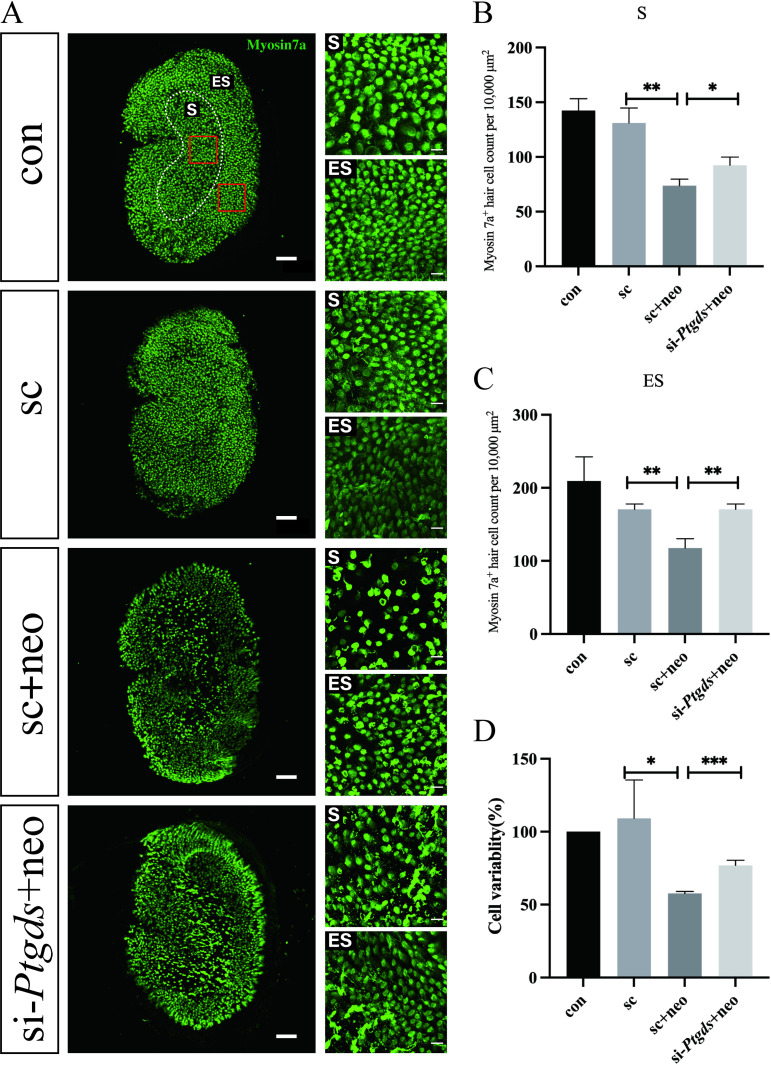 Figure 2
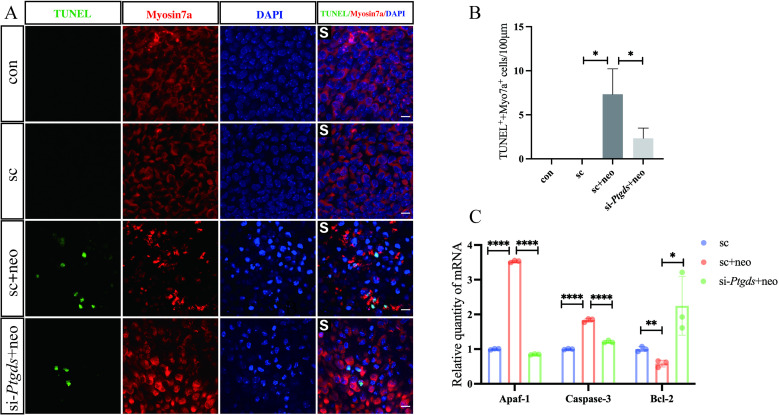 Figure 3
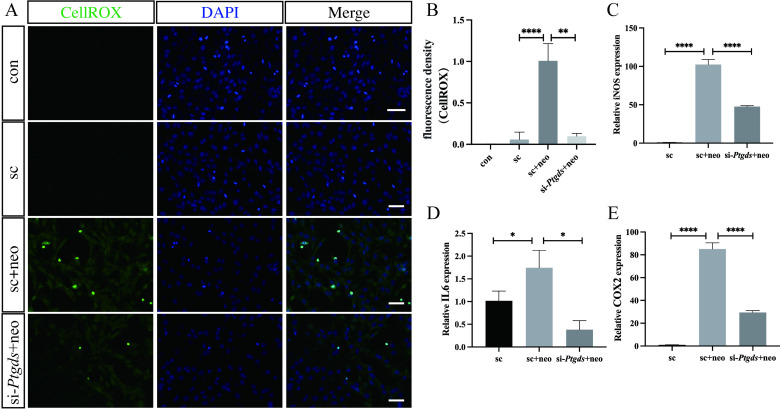 Figure 4
 Figure 5
Peer Reviews
No public reviews on file for this paper yet. If you reviewed it on a platform where reviews are public (OpenReview, ICLR, NeurIPS, ICML), you can paste yours below so the community can read it here.
Videos
No videos yet. Explain this paper in a talk, walkthrough, or lecture? Add one.
Taxonomy
TopicsHearing, Cochlea, Tinnitus, Genetics · Vestibular and auditory disorders · Connexins and lens biology