Intestinal Lactobacillus johnsonii protects against neuroangiostrongyliasis in BALB/c mice through modulation of immune response
Long Yin Lam, Ting-Ruei Liang, Wen-Jui Wu, Ho Yin Pekkle Lam

TL;DR
This study shows that Lactobacillus johnsonii in the gut can reduce brain inflammation and improve survival in mice infected with a parasitic worm, possibly by balancing immune responses.
Contribution
This is one of the first studies to investigate the gut microbiome in mice infected with Angiostrongylus cantonensis and suggests Lactobacillus as a potential probiotic treatment.
Findings
Lactobacillus johnsonii reduced neuroinflammation and improved survival in infected mice.
L. johnsonii increased IL-10 and decreased pro-inflammatory cytokines in the brain.
Microbiome-related metabolites were not linked to the observed immune changes.
Abstract
Neuroangiostrongyliasis is characterized by eosinophilic meningoencephalitis with a robust onset of severe neurological symptoms, by which immunological factors and peripheral metabolites have been postulated to affect the course of the disease. The gut-brain axis provides a bidirectional communication between the gut and the central nervous system, and therefore, understanding the gut microbiome may provide us with a deeper insight into the pathogenesis of angiostrongyliasis. Using 16S rRNA sequencing, we identified an increase in the abundance of different Lactobacillus species in Angiostrongylus cantonensis-infected mice, which was correlated to the disease severity. However, attempts to inoculate L. johnsonii into A. cantonensis-infected mice surprisingly revealed an improvement in neuroinflammation and prolonged survival. RNA sequencing suggested an immune-modulatory effect of L.…
Genes, proteins, chemicals, diseases, species, mutations and cell lines named across the full text — each resolved to its canonical identifier and authoritative record.
Click any figure to enlarge with its caption.
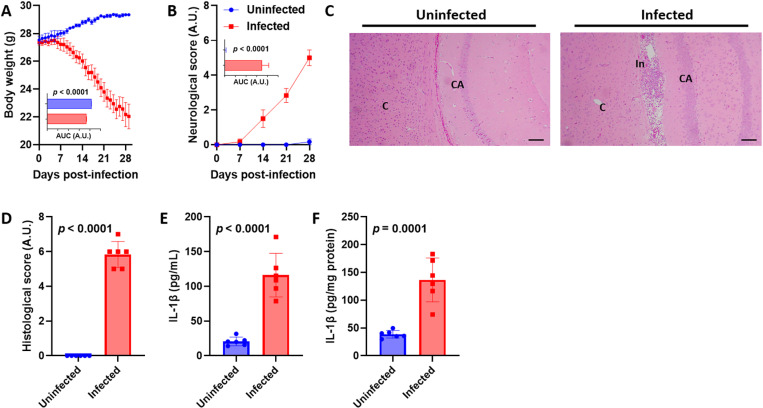 Figure 1
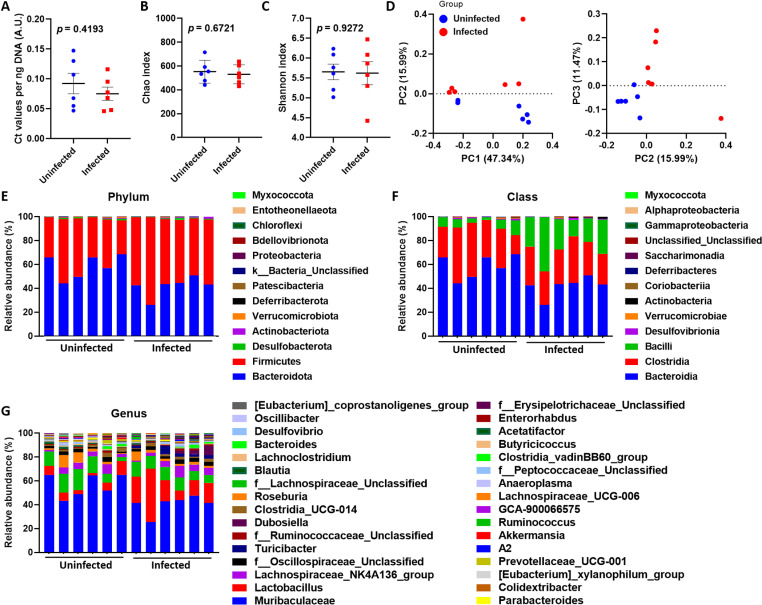 Figure 2
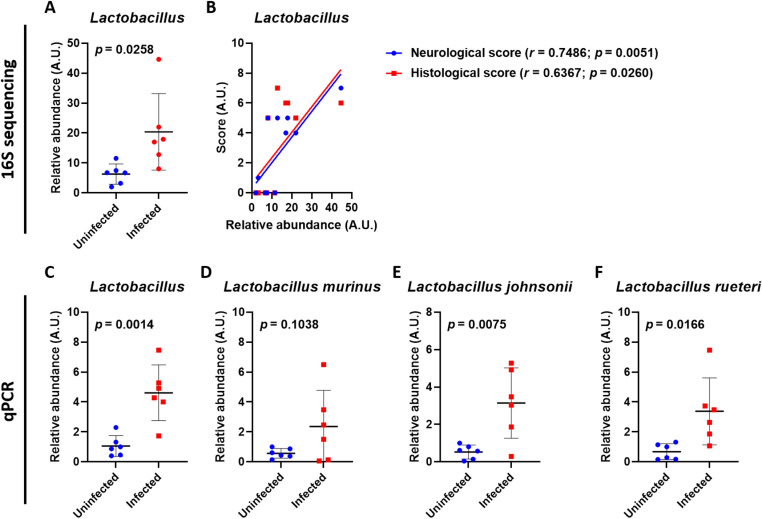 Figure 3
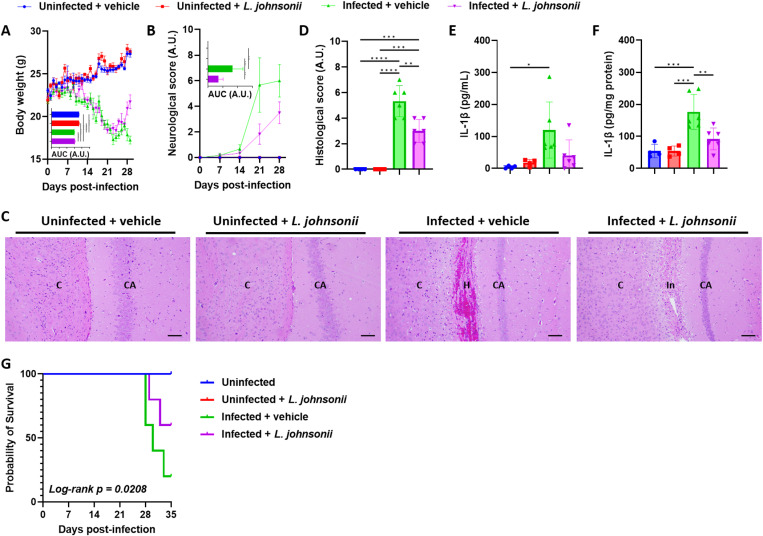 Figure 4
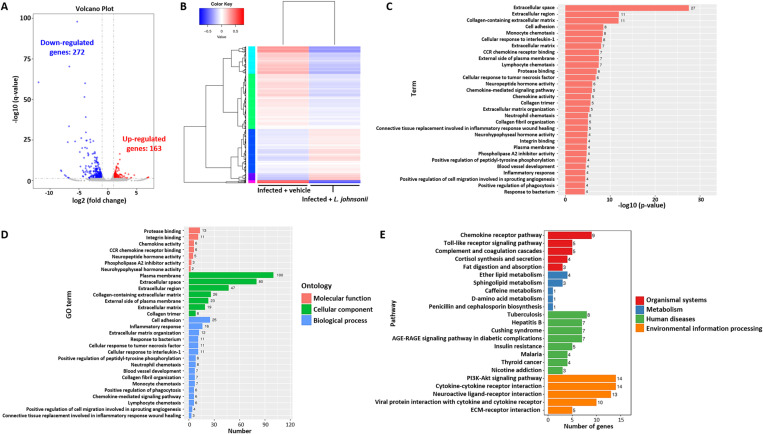 Figure 5
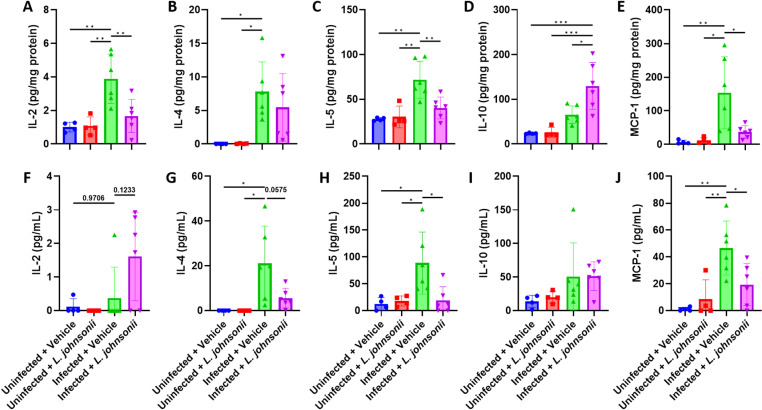 Figure 6
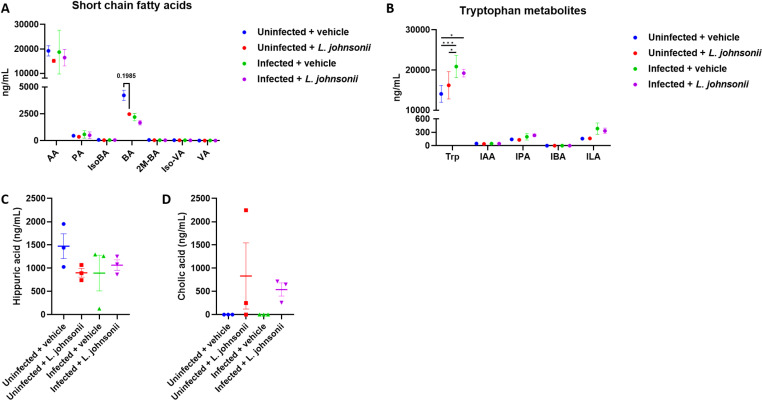 Figure 7
Peer Reviews
No public reviews on file for this paper yet. If you reviewed it on a platform where reviews are public (OpenReview, ICLR, NeurIPS, ICML), you can paste yours below so the community can read it here.
Videos
No videos yet. Explain this paper in a talk, walkthrough, or lecture? Add one.
Taxonomy
TopicsMollusks and Parasites Studies · Amoebic Infections and Treatments · Parasitic infections in humans and animals