Vertical inhibition of p110α/AKT and N‐cadherin enhances treatment efficacy in PIK3CA‐aberrated ovarian cancer cells
Shibo Zhang, Hei Ip Hong, Victor C. Y. Mak, Yuan Zhou, Yiling Lu, Guanglei Zhuang, Lydia W. T. Cheung

TL;DR
This study shows that targeting p110α/AKT and N-cadherin can improve treatment outcomes in ovarian cancer with PIK3CA abnormalities.
Contribution
The study identifies a novel therapeutic vulnerability in PIK3CA-aberrated ovarian cancer cells through co-targeting p110α/AKT and N-cadherin.
Findings
PIK3CA amplification and E545K mutation both activate AKT signaling, promoting cell migration.
AKT signaling increases cytoplasmic YAP levels and N-cadherin expression, enhancing migration.
Combined inhibition of p110α/AKT and N-cadherin reduces migration and metastasis in ovarian cancer.
Abstract
Phosphatidylinositol‐4,5‐bisphosphate 3‐kinase catalytic subunit alpha [PIK3CA, encoding PI3Kalpha (also known as p110α)] is one of the most commonly aberrated genes in human cancers. In serous ovarian cancer, PIK3CA amplification is highly frequent but PIK3CA point mutation is rare. However, whether PIK3CA amplification and PIK3CA driver mutations have the same functional impact in the disease is unclear. Here, we report that both PIK3CA amplification and E545K mutation are tumorigenic. While the protein kinase B (AKT) signaling axis was activated in both E545K knock‐in cells and PIK3CA‐overexpressing cells, the mitogen‐activated protein kinase 3/1 (ERK1/2) pathway was induced selectively by E545K mutation but not PIK3CA amplification. Intriguingly, AKT signaling in these PIK3CA‐aberrated cells increased transcriptional coactivator YAP1 (YAP) Ser127 phosphorylation and thereby…
Genes, proteins, chemicals, diseases, species, mutations and cell lines named across the full text — each resolved to its canonical identifier and authoritative record.
Click any figure to enlarge with its caption.
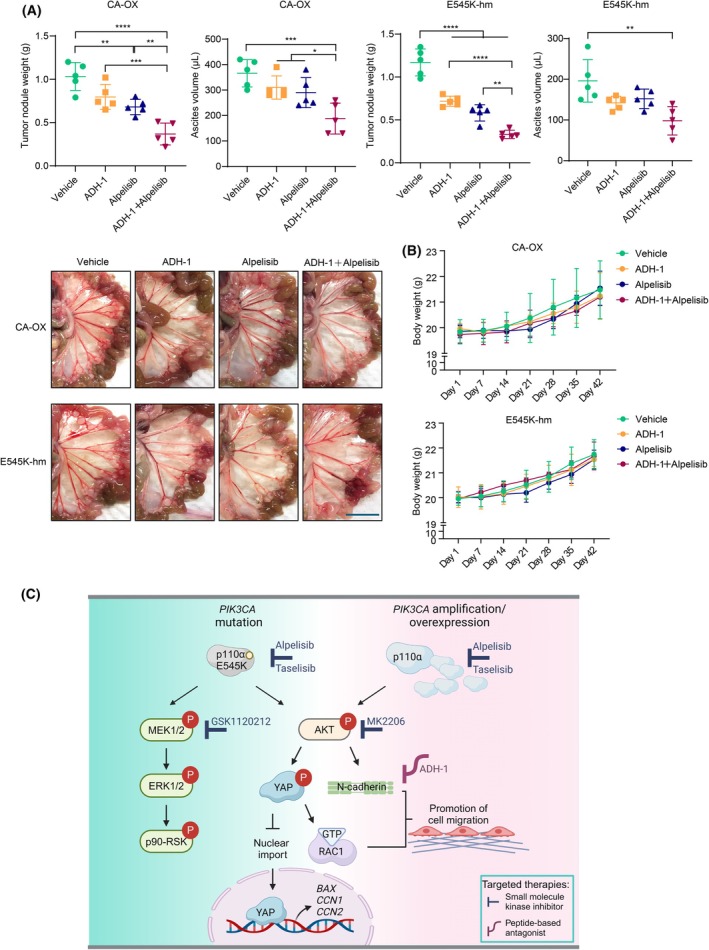 Figure 1
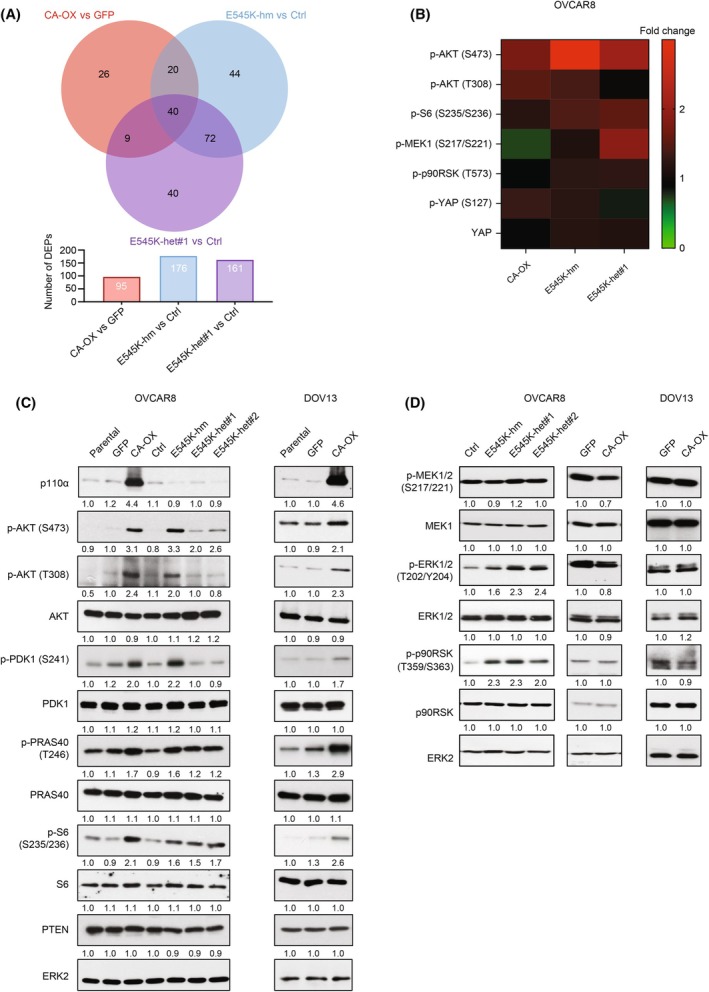 Figure 2
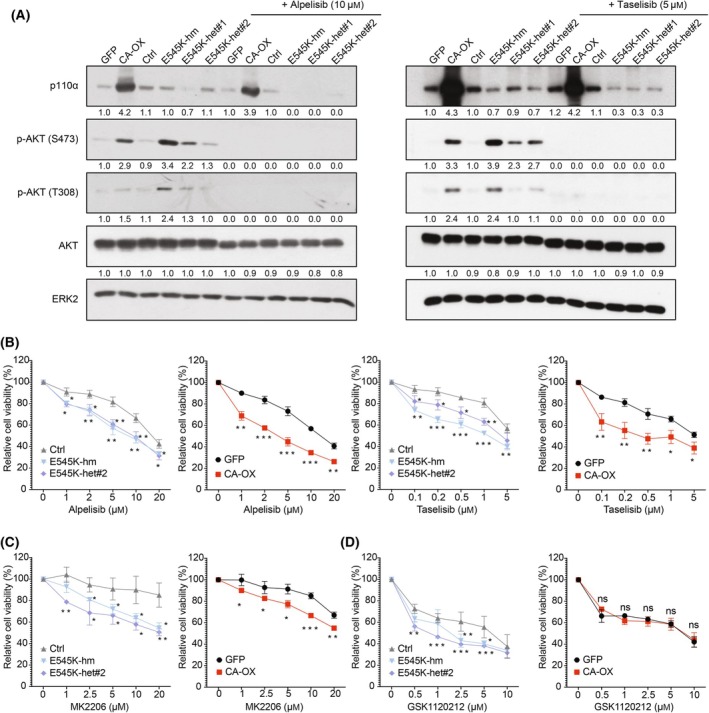 Figure 3
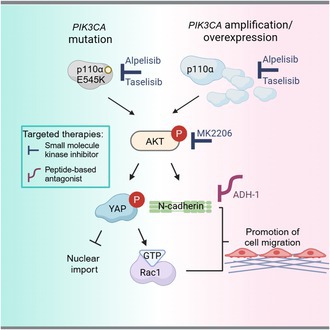 Figure 4
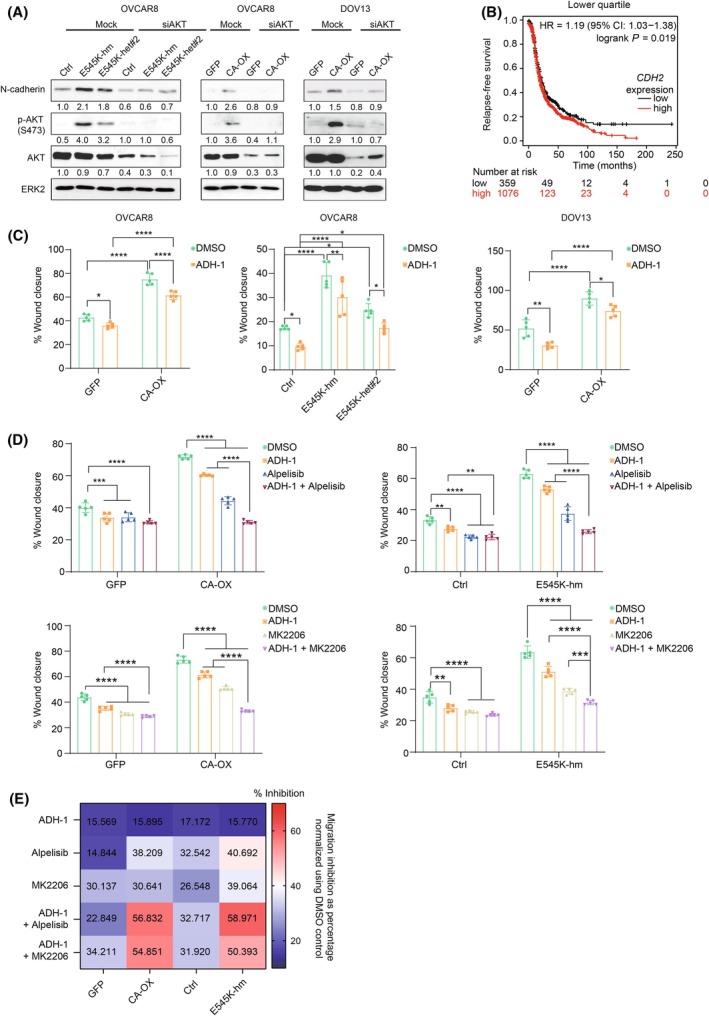 Figure 5
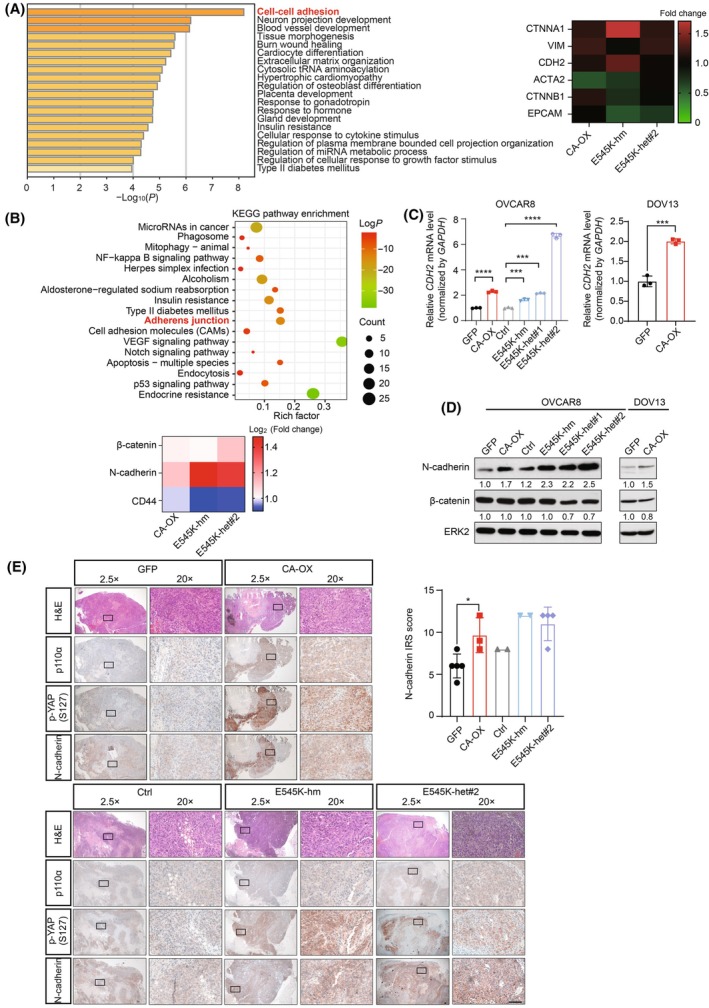 Figure 6
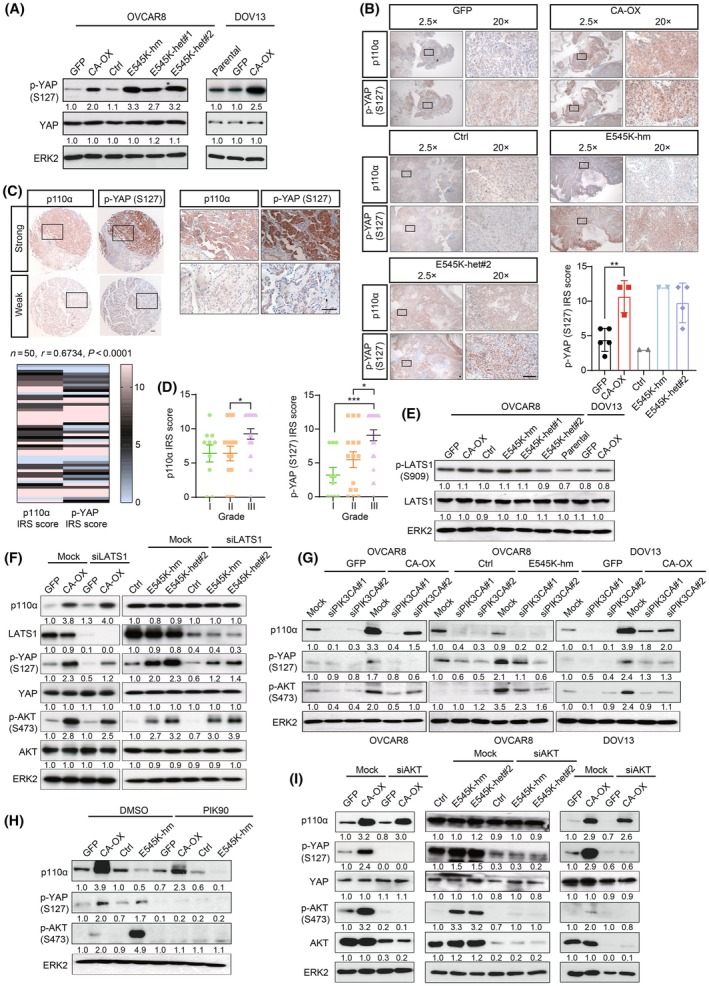 Figure 7
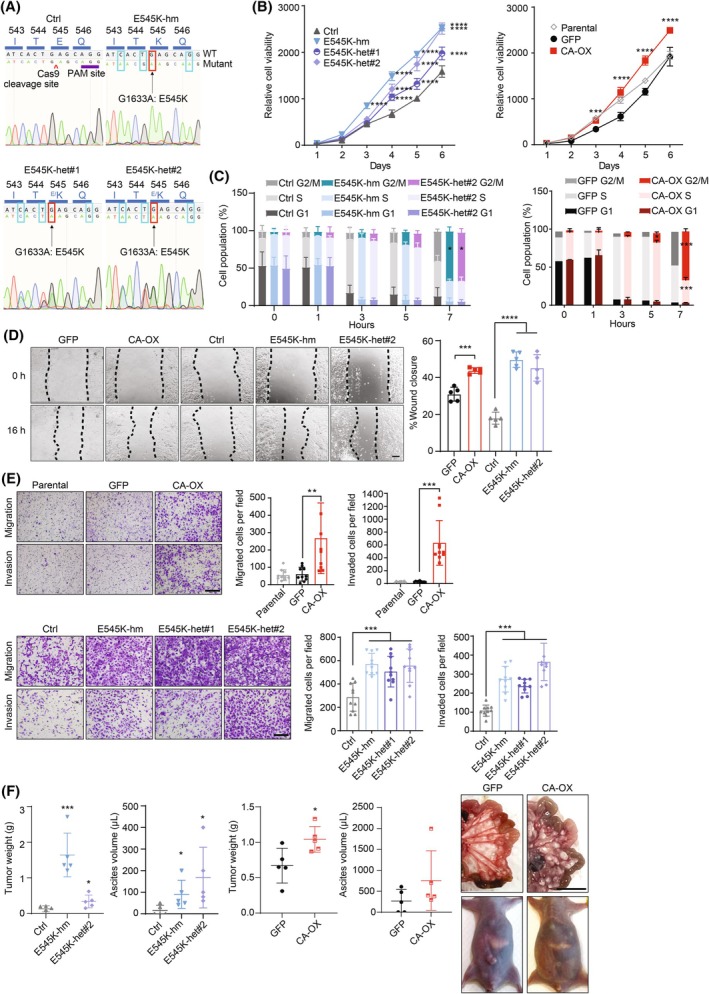 Figure 8
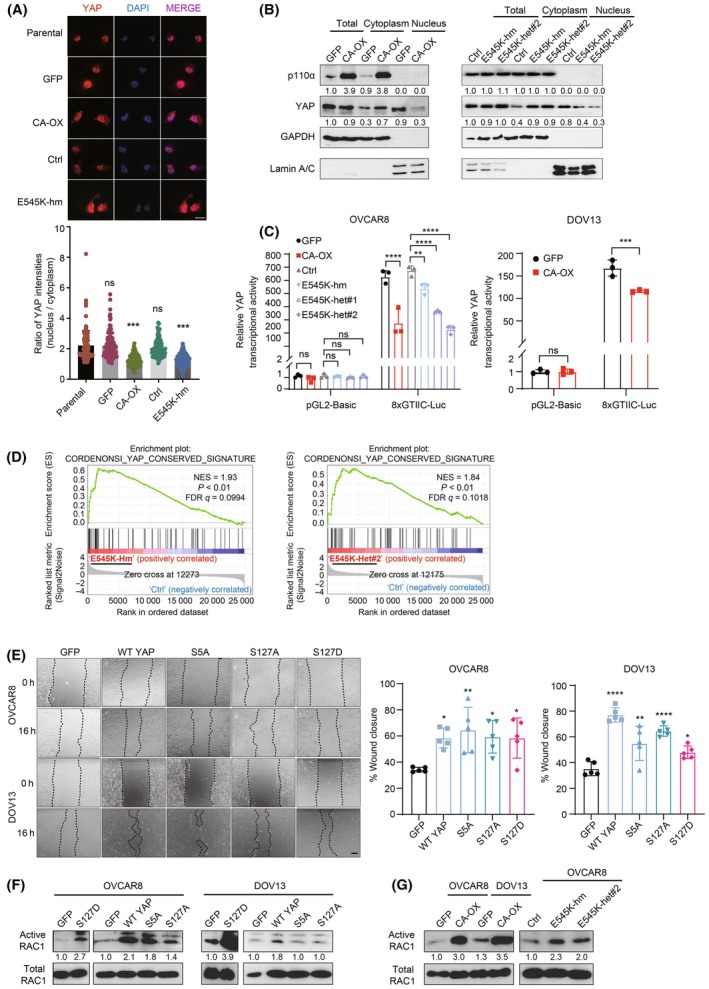 Figure 9
Peer Reviews
No public reviews on file for this paper yet. If you reviewed it on a platform where reviews are public (OpenReview, ICLR, NeurIPS, ICML), you can paste yours below so the community can read it here.
Videos
No videos yet. Explain this paper in a talk, walkthrough, or lecture? Add one.
Taxonomy
TopicsHippo pathway signaling and YAP/TAZ · Cancer-related Molecular Pathways · PI3K/AKT/mTOR signaling in cancer