Structural basis of aggregative adherence fimbriae II interactions with sialic acid, mucin, and human intestinal cells
Luke W. Hagin, Inácio Mandomando, Fernando Ruiz-Perez, Nathan T. Wright, Laura A. Gonyar

TL;DR
This study explores how a specific protein from a type of E. coli bacteria interacts with human intestinal cells and mucin, shedding light on how the bacteria cause infection.
Contribution
The study identifies specific amino acid residues in the AafA protein that are involved in binding to mucin, sialic acid, and intestinal cells.
Findings
Charged and uncharged residues in AafA cluster in regions that may form a binding pocket for host molecules.
Adherence to mucin is reduced when sialic acid is removed, but adherence to fibronectin is unaffected.
The structural features of AafA influence its interactions with multiple host molecules during EAEC infection.
Abstract
Enteroaggregative Escherichia coli (EAEC) is a common cause of diarrhea worldwide and is associated with growth faltering in developing countries. EAEC are defined by a characteristic adherence pattern mediated by the aggregative adherence fimbriae (AAFs). Despite the critical role of AAF in the definition of the EAEC pathotype, it is not known what host molecules mediate adherence and EAEC pathogenesis during infection of the human gastrointestinal tract. Multiple receptor candidates have been proposed based on in vitro experimentation. We propose that AAFs interact with multiple receptors during colonization of the human gastrointestinal mucosa, and we hypothesize that structural features of the AafA protein (the major subunit of AAF variant II produced by EAEC strain 042) promote these diverse interactions. In this study, we utilize a panel of AafA variants encoding single amino acid…
Genes, proteins, chemicals, diseases, species, mutations and cell lines named across the full text — each resolved to its canonical identifier and authoritative record.
Click any figure to enlarge with its caption.
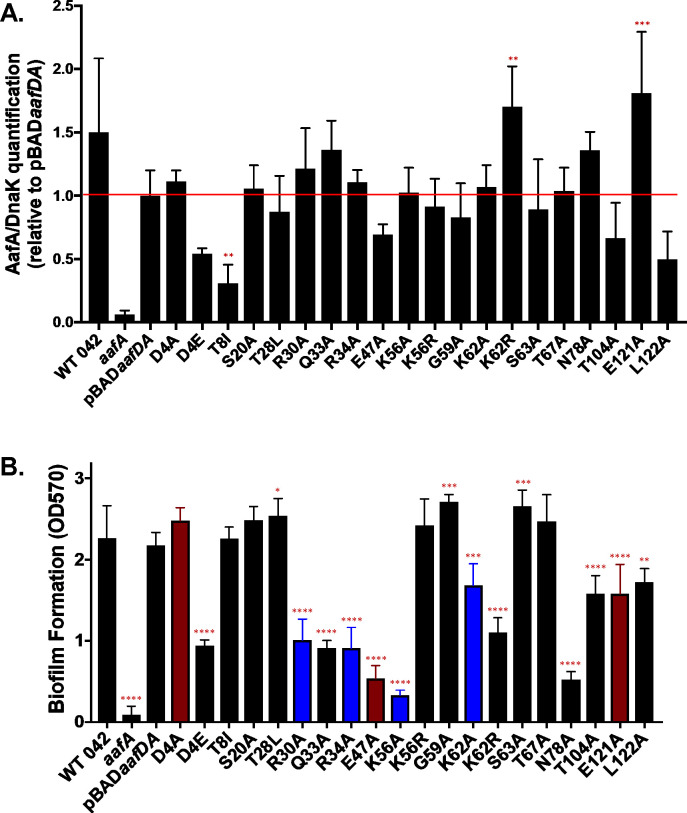 Figure 1
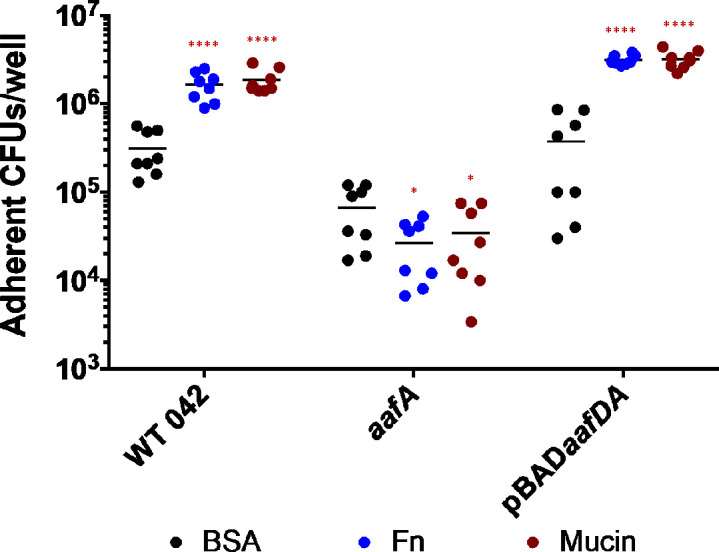 Figure 2
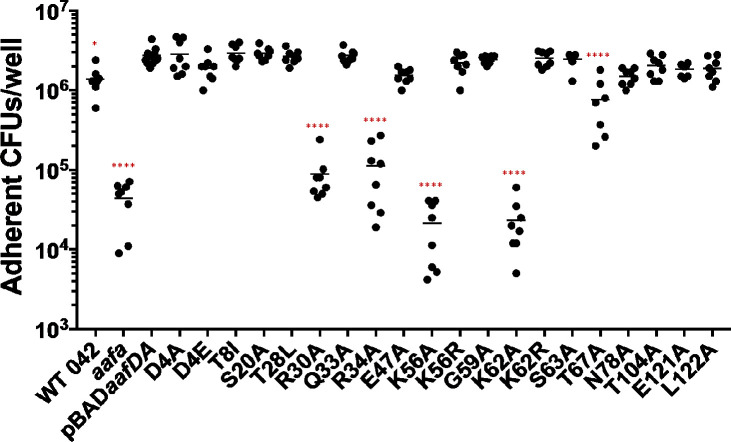 Figure 3
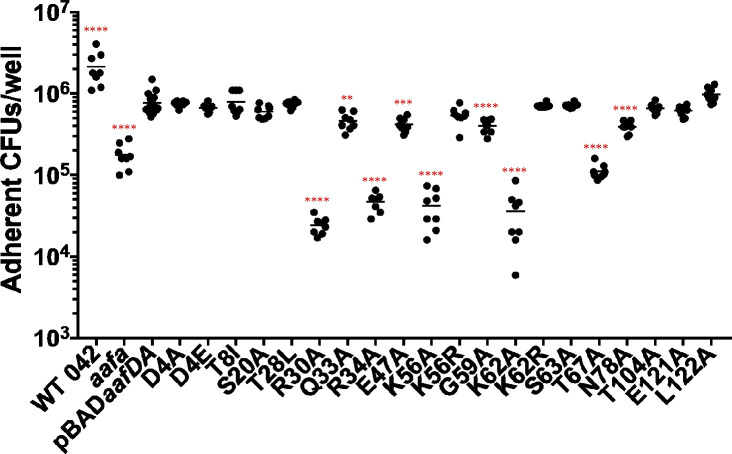 Figure 4
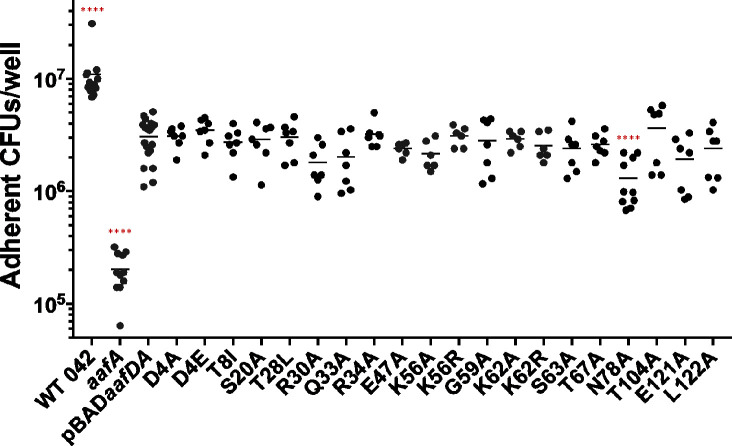 Figure 5
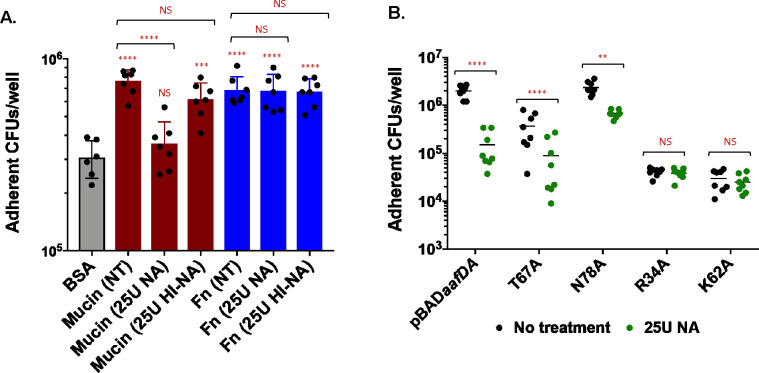 Figure 6
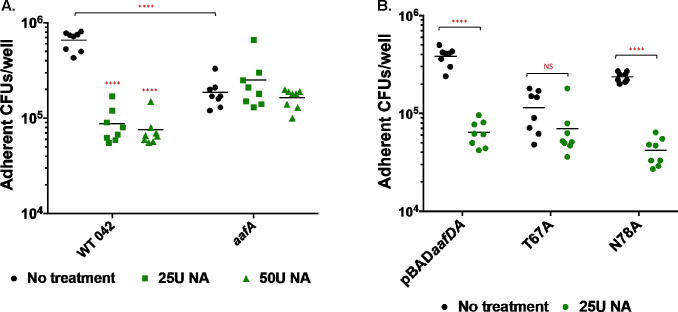 Figure 7
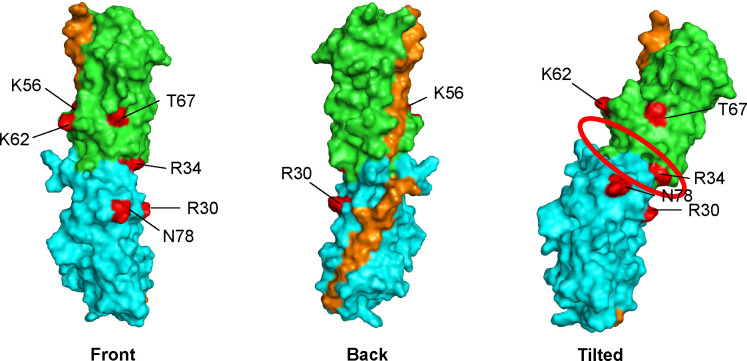 Figure 8
Peer Reviews
No public reviews on file for this paper yet. If you reviewed it on a platform where reviews are public (OpenReview, ICLR, NeurIPS, ICML), you can paste yours below so the community can read it here.
Videos
No videos yet. Explain this paper in a talk, walkthrough, or lecture? Add one.
Taxonomy
TopicsEscherichia coli research studies · Viral gastroenteritis research and epidemiology · Transgenic Plants and Applications