Breakdown of the compositional data approach in psychometric Likert scale big data analysis: about the loss of statistical power of two-sample t-tests applied to heavy-tailed big data
René Lehmann, Bodo Vogt

TL;DR
This paper examines how using compositional data analysis can improve statistical power in psychometric studies, but finds limitations when data is heavy-tailed.
Contribution
The study introduces a novel analysis of statistical power loss in t-tests when applied to heavy-tailed psychometric data.
Findings
Statistical power decreases when the central limit theorem is violated in heavy-tailed data.
Factors like quantification limits and questionnaire item count affect statistical power.
Compositional data approaches may not be reliable for heavy-tailed psychometric data.
Abstract
Bipolar psychometric scale data play a crucial role in psychological healthcare and health economics, such as in psychotherapeutic profiling and setting standards. Creating an accurate psychological profile not only benefits the patient but also saves time and costs. The quality of psychotherapeutic measures directly impacts grant funding decisions, influencing managerial choices. Moreover, the accuracy of consumer data analyses affects costs, profits, and the long-term sustainability of decisions. Considering psychometric bipolar scale data as compositional data can enhance the statistical power of well-known paired and unpaired two-sample t-tests, supporting managerial decision-making and the development or implementation of health interventions. This increase in statistical power is observed when the central limit theorem (CLT) holds true in statistics. Through stochastic simulation,…
Genes, proteins, chemicals, diseases, species, mutations and cell lines named across the full text — each resolved to its canonical identifier and authoritative record.
Click any figure to enlarge with its caption.
 Figure 1
 Figure 2
 Figure 3
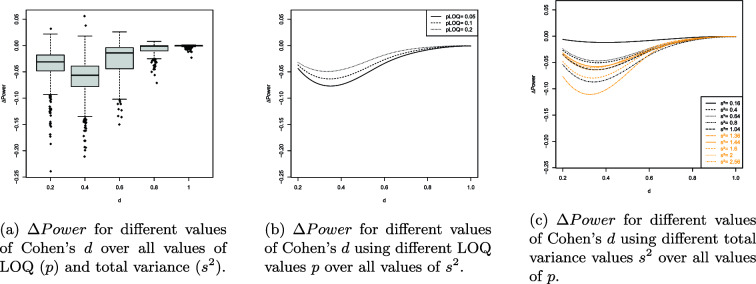 Figure 4
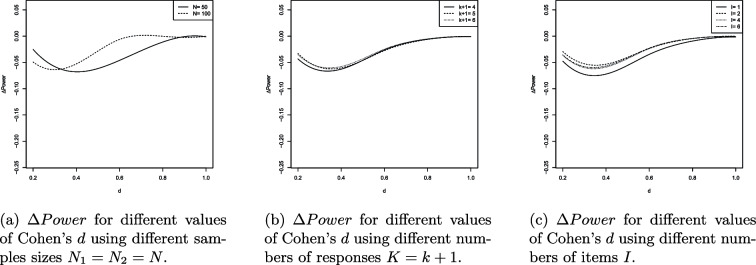 Figure 5
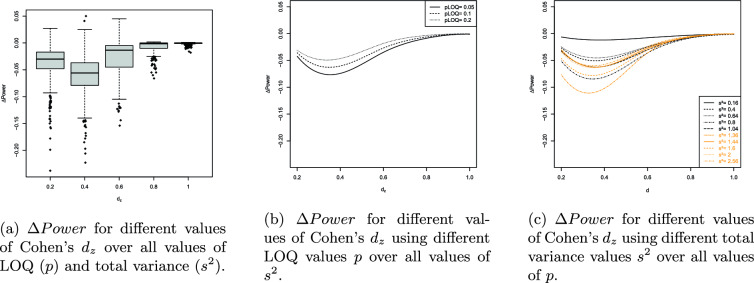 Figure 6
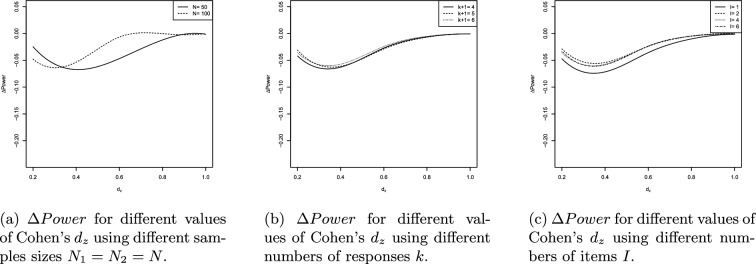 Figure 7
Peer Reviews
No public reviews on file for this paper yet. If you reviewed it on a platform where reviews are public (OpenReview, ICLR, NeurIPS, ICML), you can paste yours below so the community can read it here.
Videos
No videos yet. Explain this paper in a talk, walkthrough, or lecture? Add one.
Taxonomy
TopicsGeochemistry and Geologic Mapping