Tripeptide DT-109 (Gly-Gly-Leu) attenuates atherosclerosis and vascular calcification in nonhuman primates
Linying Jia, Pengxiang Qu, Yang Zhao, Liang Bai, Honghao Ren, Ao Cheng, Zeyao Ma, Cheng Ding, Yongjie Deng, Lingxuan Kong, Ying Zhao, Oren Rom, Yajie Chen, Naqash Alam, Wenbin Cao, Sixue Zhai, Zuowen Zheng, Zhi Hu, Lu Wang, Yabing Chen, Sihai Zhao, Jifeng Zhang, Jianglin Fan

TL;DR
A tripeptide called DT-109 was found to reduce atherosclerosis and vascular calcification in monkeys, suggesting it could be a new treatment for heart disease.
Contribution
DT-109 is shown to suppress both atherosclerosis and calcification in nonhuman primates through multiple molecular mechanisms.
Findings
DT-109 significantly reduced atherosclerotic lesions and calcification in aorta and coronary arteries.
DT-109 downregulated pro-inflammatory and osteogenic genes while upregulating smooth muscle cell markers.
DT-109 inhibited SMC calcification and NLRP3 inflammasome activation in vitro.
Abstract
Advanced atherosclerotic lesions and vascular calcification substantially increase the risk of cardiovascular events. However, effective strategies for preventing or treating advanced atherosclerosis and calcification are currently lacking. This study investigated the efficacy of DT-109 (Gly-Gly-Leu) in attenuating atherosclerosis and calcification in nonhuman primates, exploring its broader therapeutic potential. In this study, twenty male cynomolgus monkeys were administered a cholesterol-rich diet ad libitum for 10 months. Then, the animals were treated either orally with DT-109 (150 mg/kg/day) or a vehicle (H2O) for 5 months while continuing on the same diet. Plasma lipid levels were measured monthly and at the end of the experiment, pathological examinations of the aortas and coronary arteries and RNA sequencing of the coronary arteries were performed. To explore possible molecular…
Genes, proteins, chemicals, diseases, species, mutations and cell lines named across the full text — each resolved to its canonical identifier and authoritative record.
Click any figure to enlarge with its caption.
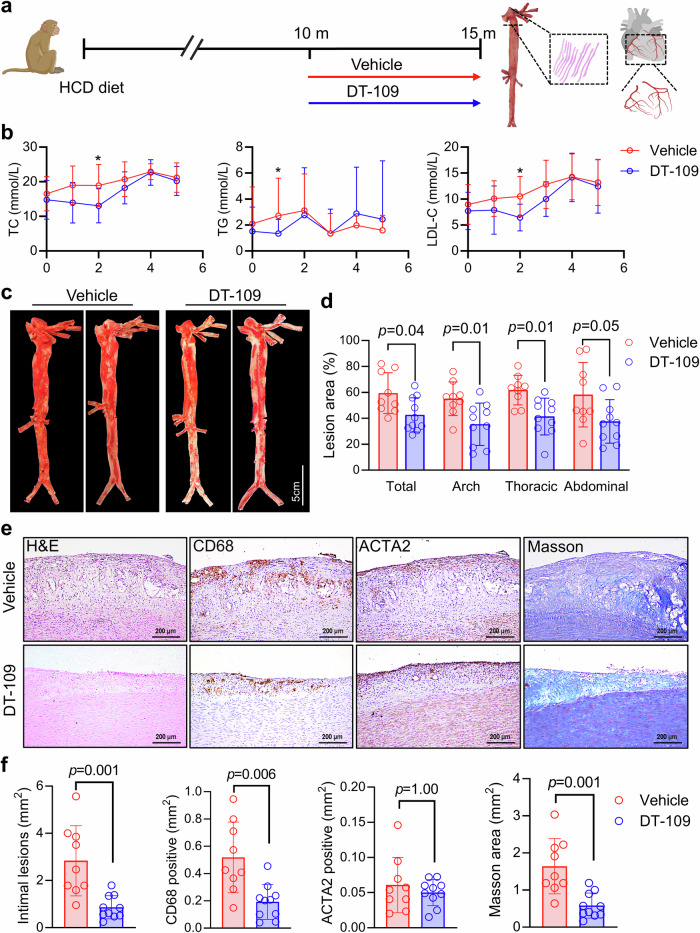 Figure 1
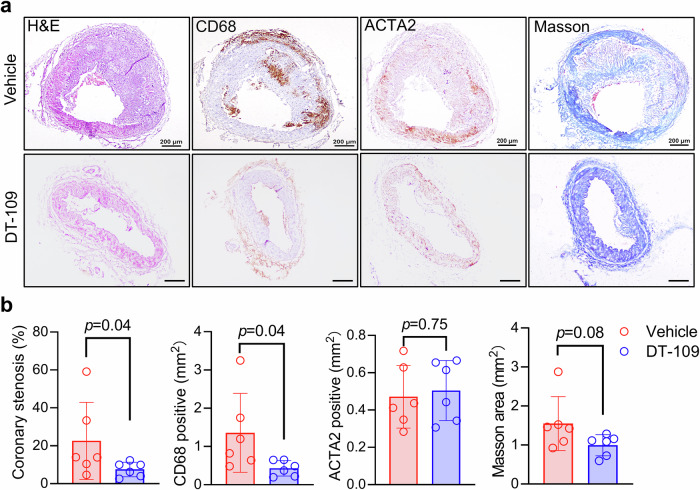 Figure 2
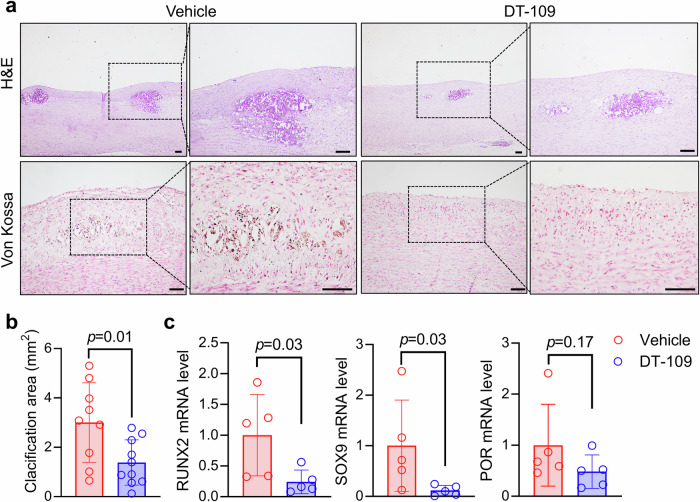 Figure 3
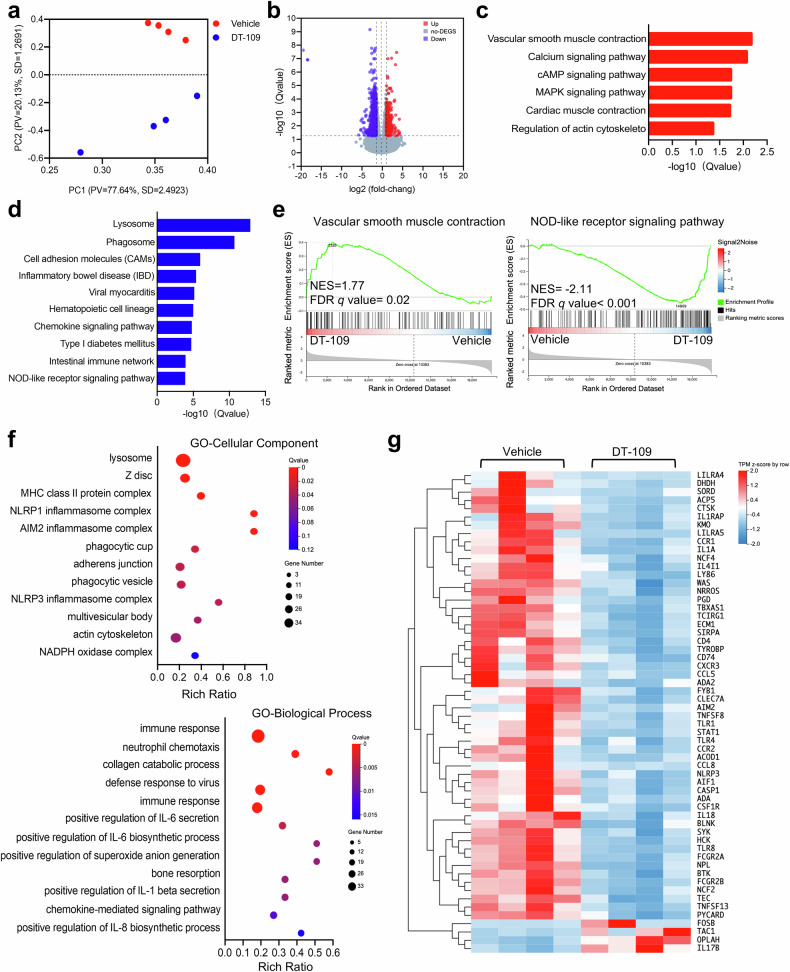 Figure 4
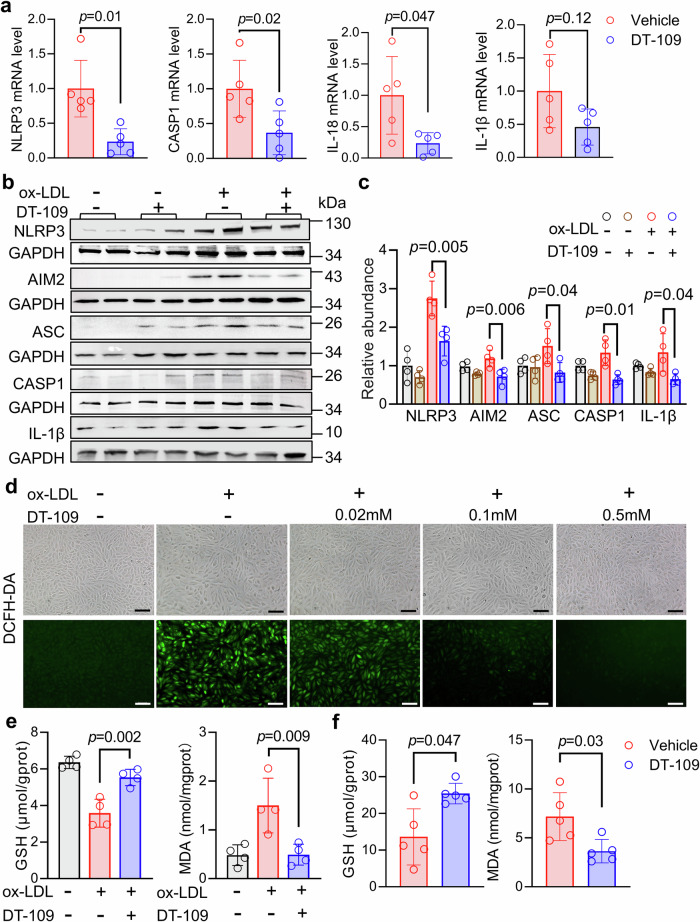 Figure 5
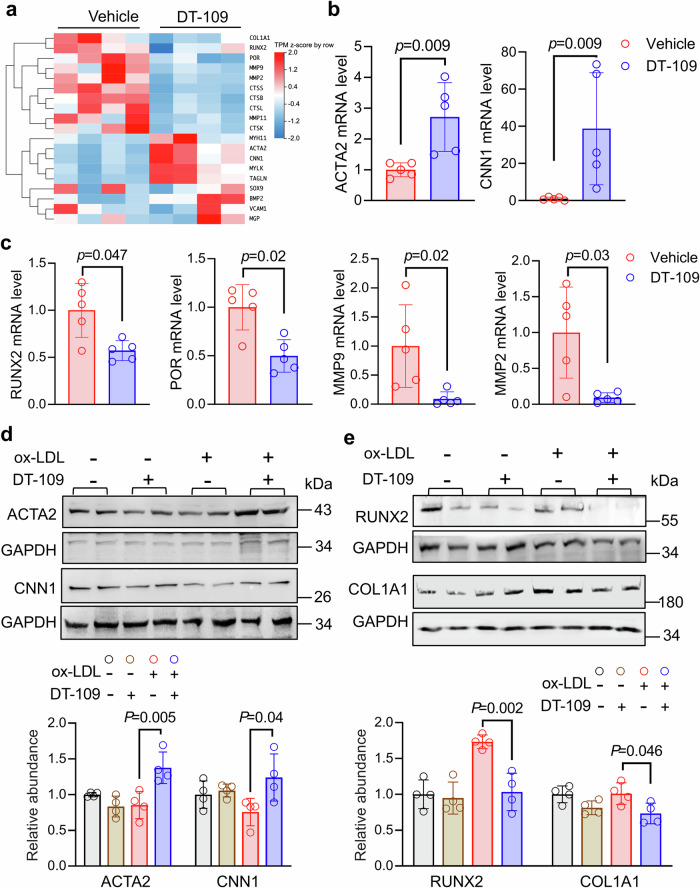 Figure 6
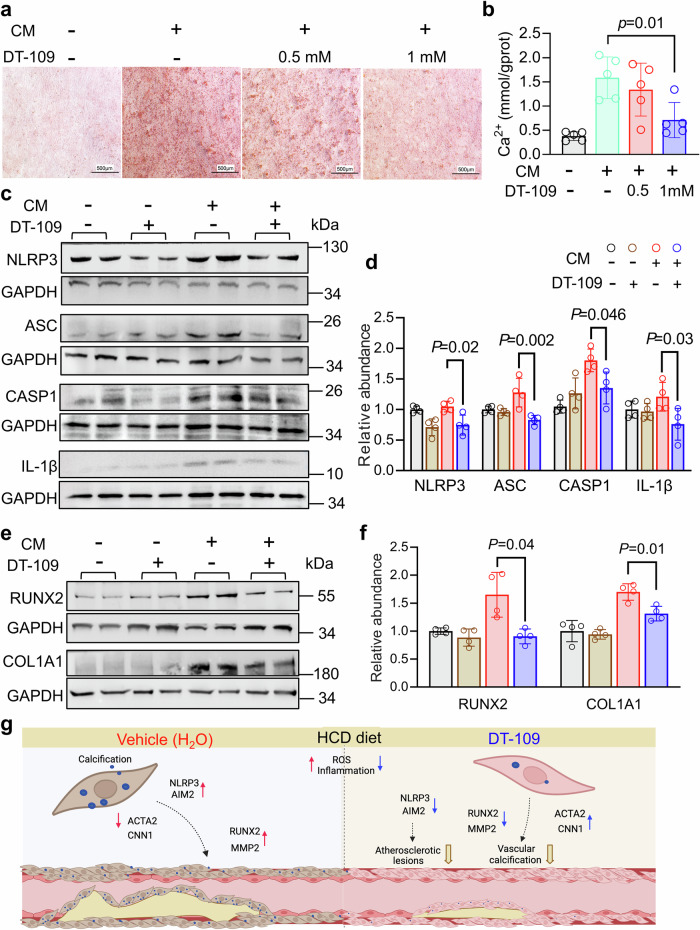 Figure 7
Peer Reviews
No public reviews on file for this paper yet. If you reviewed it on a platform where reviews are public (OpenReview, ICLR, NeurIPS, ICML), you can paste yours below so the community can read it here.
Videos
No videos yet. Explain this paper in a talk, walkthrough, or lecture? Add one.
Taxonomy
TopicsAtherosclerosis and Cardiovascular Diseases · Diabetes Treatment and Management · Galectins and Cancer Biology