Sphincter repair procedures may be favored in the treatment of obstetrical recto-vaginal fistula: a systematic review of the literature and meta-analysis
A. Venara, E. Houlet, E. Poupard, M. André, P. E. Bouet, J. Gillet, J. F. Hamel

TL;DR
This study compares surgical procedures for repairing obstetric rectovaginal fistulas and finds that sphincter repair methods may be more effective than others.
Contribution
The study provides a systematic review and network meta-analysis comparing the success rates of various surgical techniques for obstetric rectovaginal fistula repair.
Findings
The Musset procedure, transvaginal ELC, and transperineal ELC showed significantly better anatomical results compared to ERAF.
Most patients underwent ERAF or ELC, but the overall quality of the studies was low due to lack of randomization.
Further randomized trials are needed to compare anatomical and functional outcomes of different procedures.
Abstract
The management of obstetric rectovaginal fistula (RVF) is challenging for the surgeon. The best surgical procedure to repair RVFs, specifically after obstetric anal sphincter injury, has not been extensively studied. The objective was to compare the success of the different procedures performed to repair obstetric RVF. The literature search was carried out on PubMed® and Web of Science® from database inception until 31 December 2022. Selection criteria were: (1) patients with a diagnosis of obstetric-related RVF; (2) patients treated surgically with no restriction concerning the considered surgery; (3) clinical trials or epidemiological studies. Meta-analysis was conducted considering the network meta-analysis framework to allow studying the relative value of each treatment mentioned in the selected articles. The quantitative synthesis included 32 studies (18 retrospective and 14…
Genes, proteins, chemicals, diseases, species, mutations and cell lines named across the full text — each resolved to its canonical identifier and authoritative record.
Click any figure to enlarge with its caption.
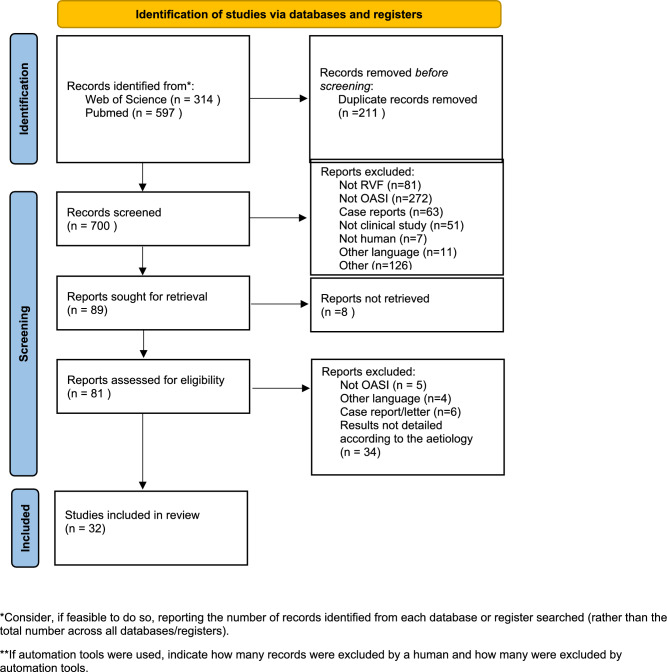 Figure 1
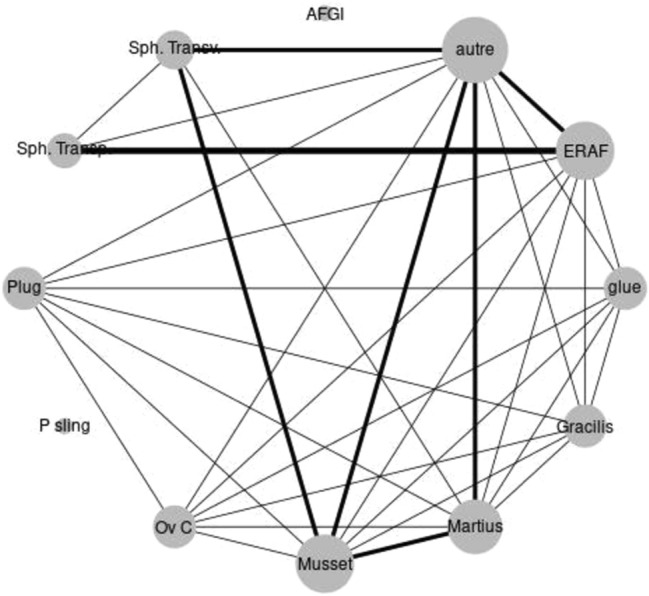 Figure 2
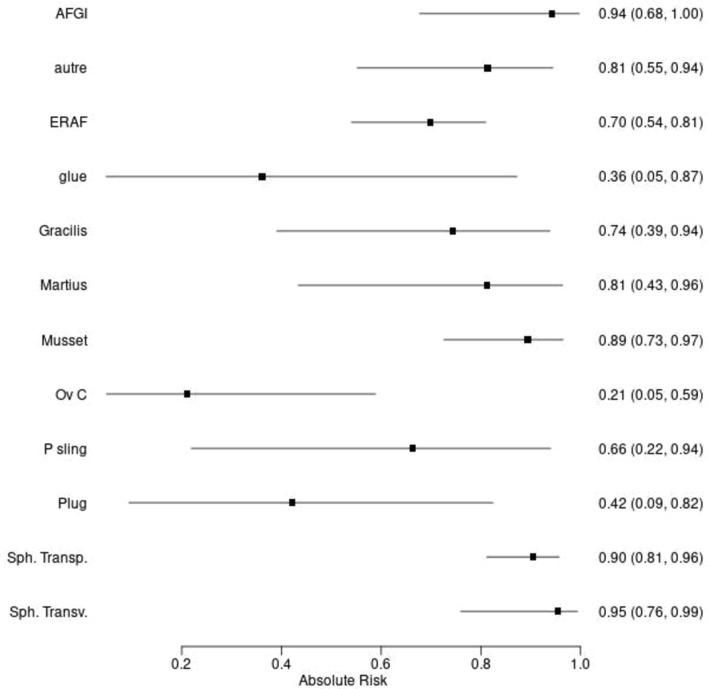 Figure 3
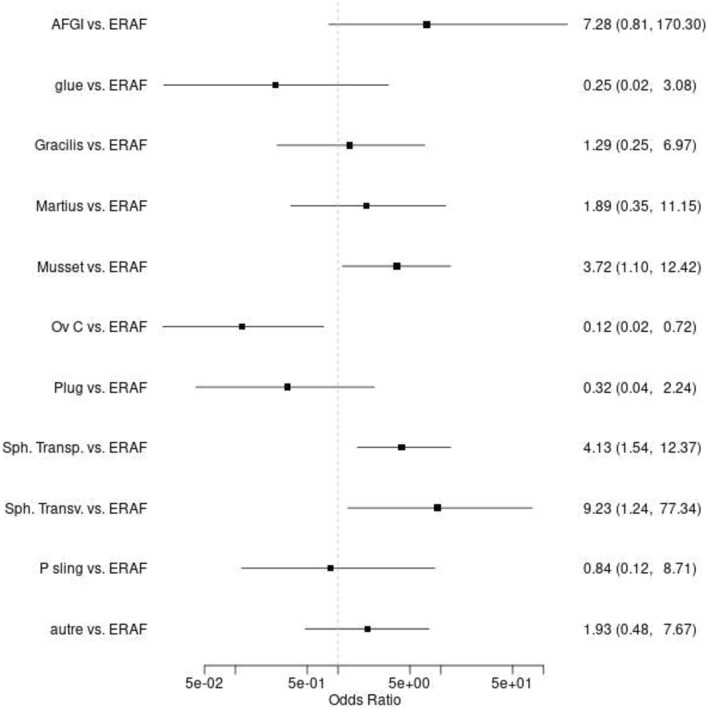 Figure 4
Peer Reviews
No public reviews on file for this paper yet. If you reviewed it on a platform where reviews are public (OpenReview, ICLR, NeurIPS, ICML), you can paste yours below so the community can read it here.
Videos
No videos yet. Explain this paper in a talk, walkthrough, or lecture? Add one.
Taxonomy
TopicsAnorectal Disease Treatments and Outcomes · Pelvic floor disorders treatments · Ureteral procedures and complications